
A Practical Insider’s Guide to Sanding Glazed Ceramics with Ceramic Sand Powder
If you’ve ever tried sanding glazed ceramics and felt the glaze “skate” under your abrasive, you’re not alone. In factories and small studios, the move toward finely controlled ceramic abrasives is obvious. The product many process engineers ask me about is Ceramic sand powder—an ultra-fine, refractory powder from Shanghai (No.669 of Xinmiao Sanlu, Xinqiao Town, Songjiang Dist). It’s been quietly replacing legacy media where consistent matte textures and controlled Ra targets matter.
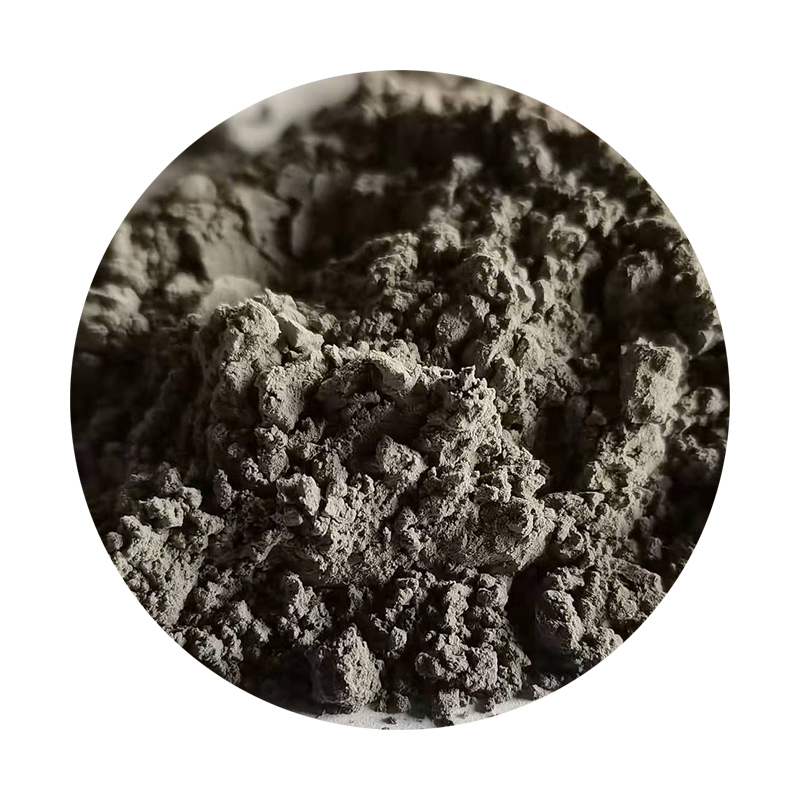
Why Ceramic Sand Powder is Trending
- Tile makers want micro-matte finishes without color burn or pinholes.
- Sanitaryware plants need edge de-glossing before adhesive bonding.
- Artisanal studios seek consistent satin effects after glaze firing—without scratches that catch the light.
In fact, many customers say switching to fine ceramic powder cut their rework by double digits. It seems that sphericity plus high refractoriness beats common silica in stability—and keeps the finish predictable.
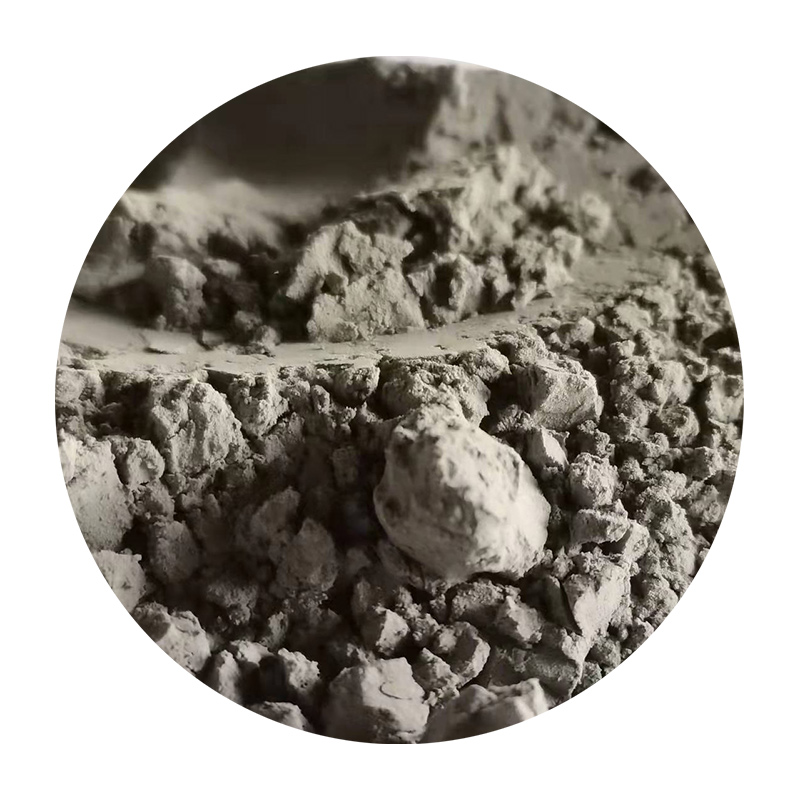
Product Snapshot and Specs
Ceramic sand powder (aka Ceramic Foundry Sand Flour) is sub-200 mesh (
| Parameter | Typical Value |
|---|---|
| Particle size (D90) | ≈ 60–70 µm |
| Refractoriness | ≥ 1800 °C |
| Mohs hardness | 7–8 |
| Thermal expansion (at 1000 °C) | ≈ 0.15% |
| Bulk density | ≈ 1.7–2.0 g/cm³ |
| LOI | ≤ 0.1% |
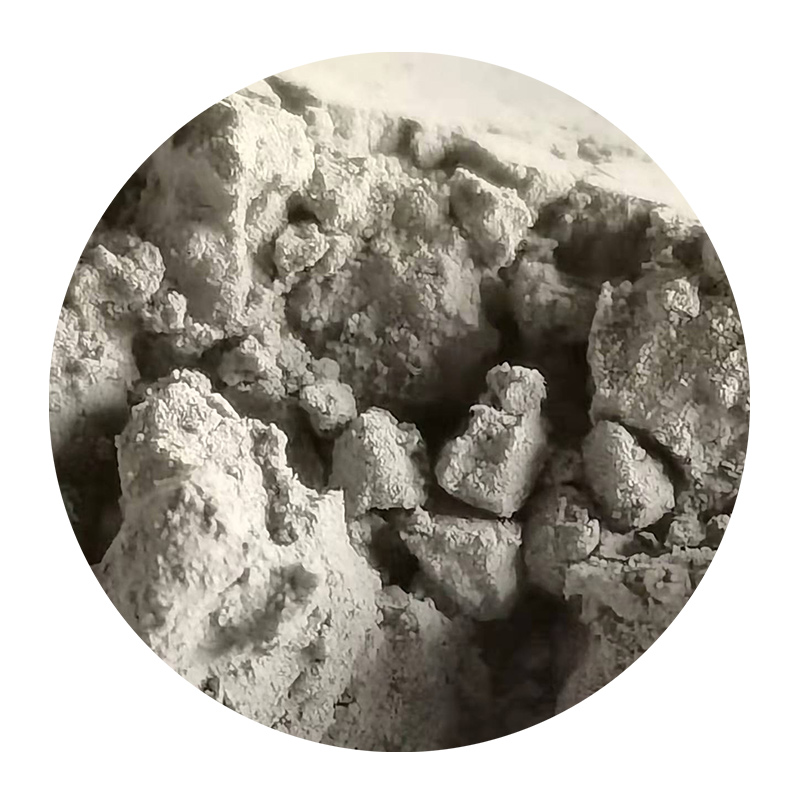
How to Use It for sanding glazed ceramics
Materials: Ceramic sand powder, water (for wet-lapping), optional glycerin binder, soft pad or felt, or low-pressure blast setup.
Methods:
- Wet slurry lap: 10–20% powder in water; circular motion; light pressure to avoid heat marks.
- Micro-blast: 1.5–3.0 bar; 0.3–0.6 mm nozzle; short dwell to prevent glaze haze.
Testing standards: ISO 10545-7 / ASTM C1027 (glaze abrasion), ISO 4287 (Ra/Rz), and visual gloss checks (60° gloss). For blasting media, see ISO 11126.
Service life: In closed-loop blast, powder typically recycles 6–10 passes before fines dominate; in slurry, plan for periodic refresh to hold Ra.
Safety: Wet methods cut dust; when dry handling, follow OSHA/NIOSH guidance for respirable particles and use local extraction.
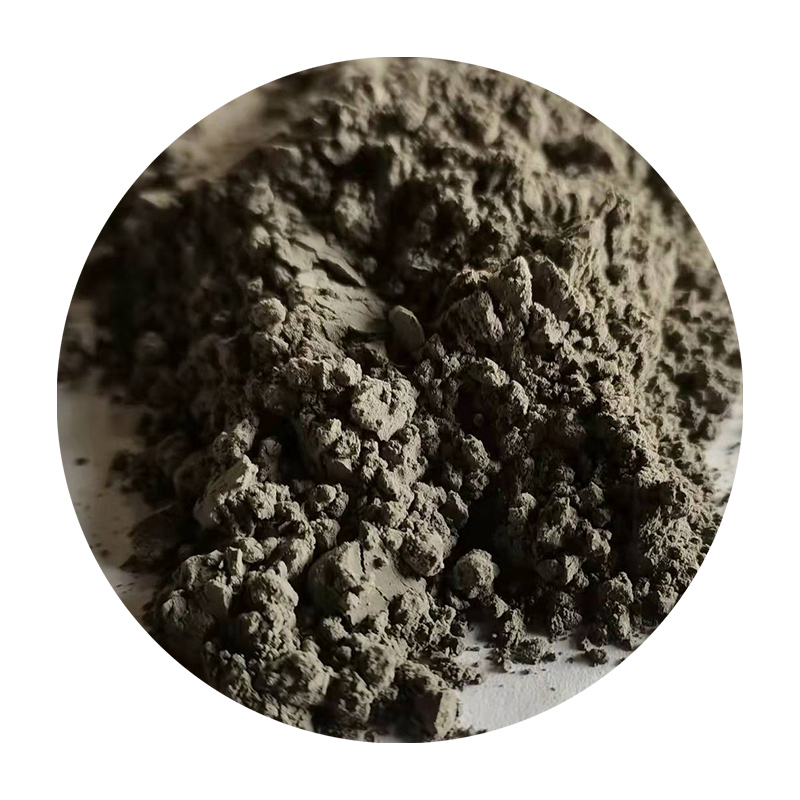
Vendor Comparison (real-world picks)
| Vendor | Media Type | Key Strength | Typical Lead Time | Notes |
|---|---|---|---|---|
| Sinoceram (Ceramic sand powder) | Sintered ceramic flour | Tight D90; matte control on glaze | ≈ 2–4 weeks | Custom cuts; origin Shanghai |
| Cerabeads (Kuraray) | Ceramic foundry sand | High sphericity | ≈ 3–6 weeks | Great stability; pricing premium |
| Sibelco (Zircon/alt. sands) | Mineral sands | Abrasion resistance | Varies by region | Heavier; different finish profile |
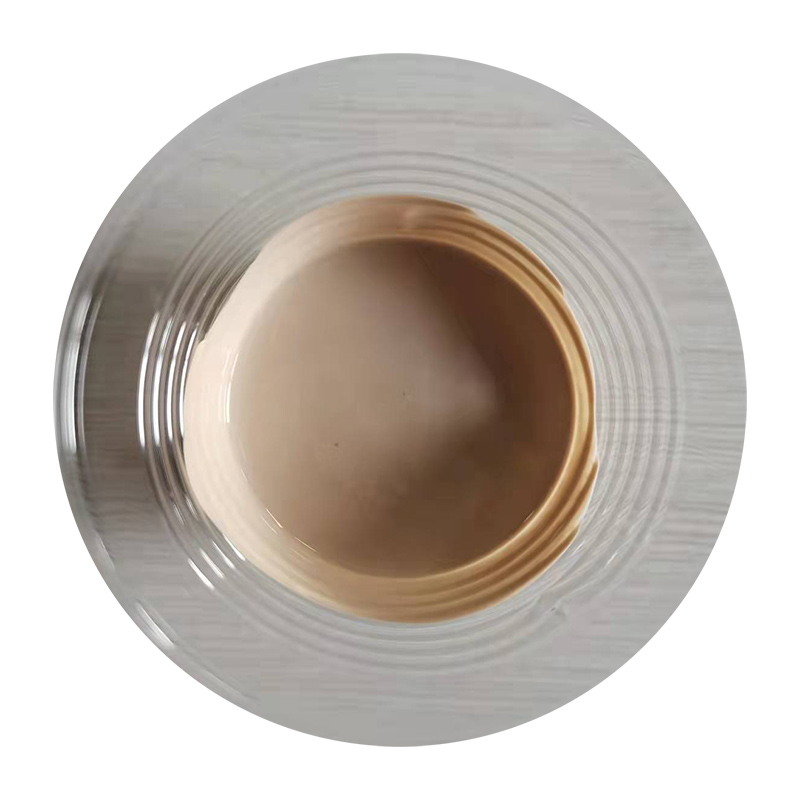
Customization and QC
- Custom D50 windows for specific Ra targets (e.g., Ra 0.5–1.2 µm on glossy glazes).
- Blend options with anti-caking agents for humid plants.
- Certifications: ISO 9001; RoHS/REACH conformity on request; batch COA with sieve curve and LOI.
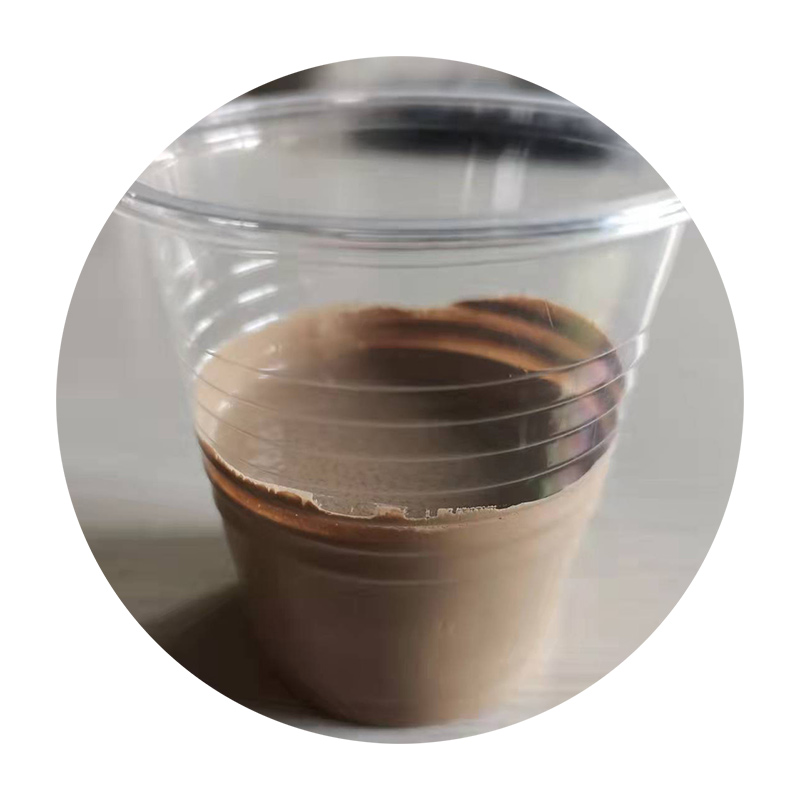
Case Notes from the Floor
Tile plant, EU: micro-blast with 2.0 bar on glossy white body. Ra moved from 0.12 µm to 0.78 µm, 60° gloss drop by ≈ 35 GU, no visible haze. Passed ISO 10545-7 Class 3 after finish.
Boutique studio, US: wet lap on mugs for decal adhesion. 15% slurry; 40 seconds per rim. Adhesion rating jumped from 2B to 4B (ASTM D3359 cross-cut, adapted), and frankly, the feel was pleasantly “silky.”
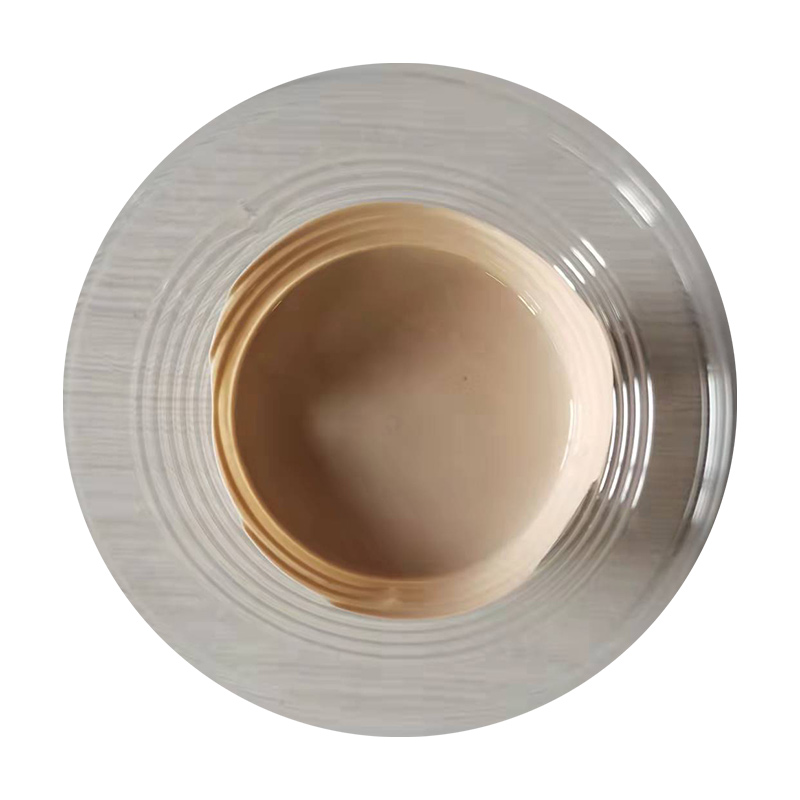
Bottom Line
For sanding glazed ceramics, ceramic sand powder offers controllable, low-heat texturing with predictable Ra and better reusability than common silica. To be honest, once teams dial in pressure and slurry ratio, the gloss fall and abrasion class become refreshingly repeatable.
Authoritative citations
- ISO 10545-7: Ceramic tiles — Determination of surface abrasion resistance for glazed tiles
- ASTM C1027: Standard Test Method for Determining Visible Abrasion Resistance of Glazed Ceramic Tile
- ISO 4287: Geometrical product specifications — Surface texture: Profile method — Terms, definitions and surface texture parameters
- ISO 11126: Preparation of steel substrates — Specifications for non-metallic blast-cleaning abrasives
- OSHA/NIOSH: Respirable Crystalline Silica Safety Guidance
Next:Bauxite Sand - High Strength, Low Impurity Proppant