
Bauxite sand for foundries: what’s changing, what matters, and how to buy smart
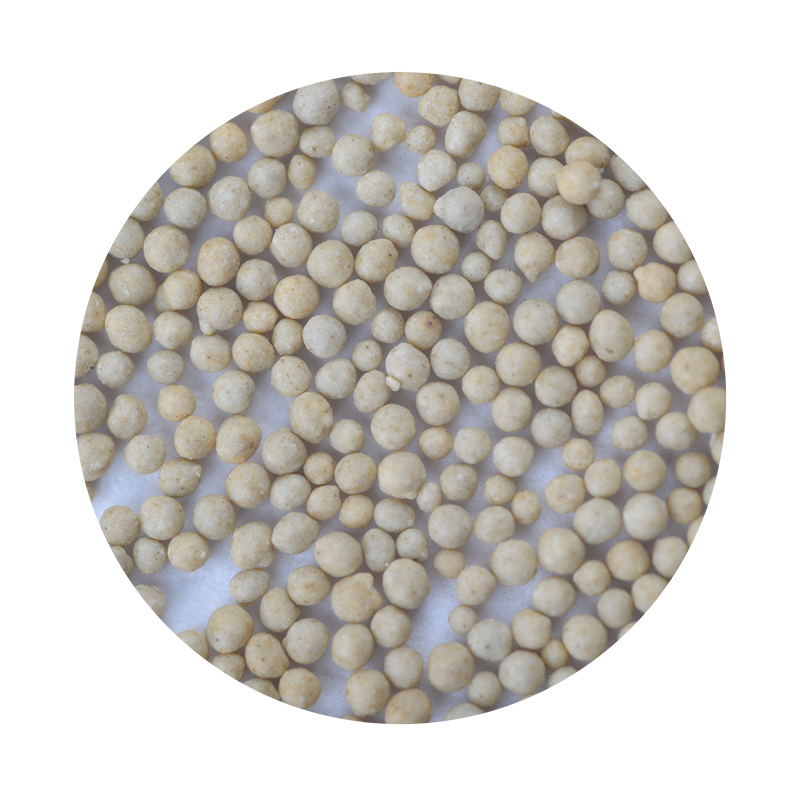
I’ve spent the better part of a decade walking shop floors where molten metal meets molding media, and the quiet revolution lately has been bauxite sand. Sometimes it goes by “ceramic beads,” “Green Beads,” or “MinSand,” but the idea is the same: spherical, high-alumina grains that flow like water, pack predictably, and survive heat that would buckle traditional silica. To be honest, once a foundry team dials it in, they usually don’t go back.
Why foundries are switching
Demand from steel and ductile iron shops is climbing, driven by tighter surface finish targets, binder cost pressure, and silica exposure policies. The spherical morphology of bauxite sand means excellent flowability and green density with less binder. Many customers say they see 8–15% binder reduction on the same tooling—your mileage may vary, of course. The refractoriness (up to ≈1800°C) and low thermal expansion help curb veining and metal penetration, which is exactly the kind of headache that shows up at 3 a.m. shakeout.
Typical specs (real-world ranges)
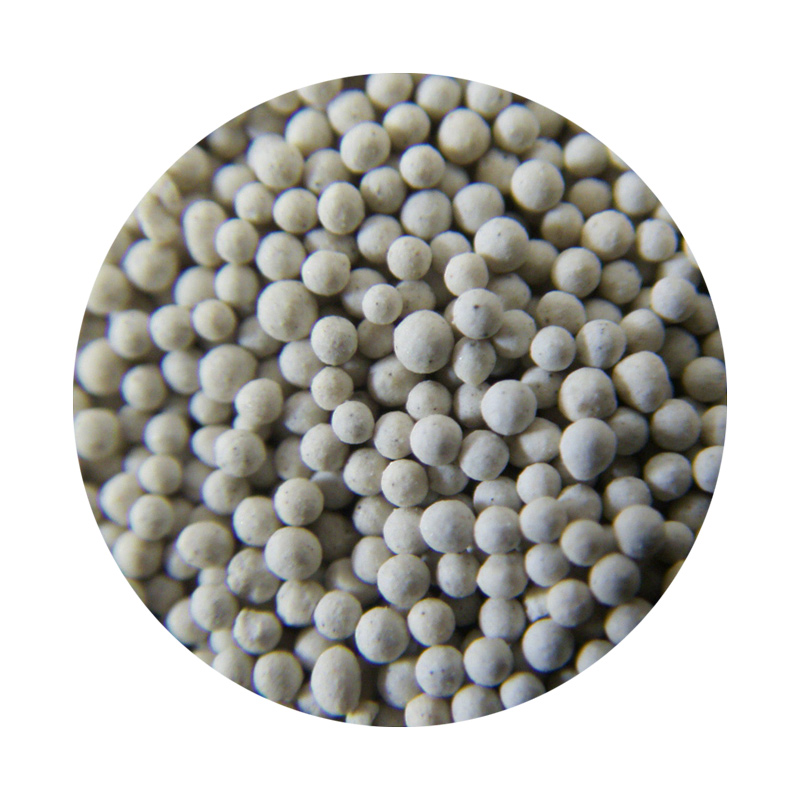
Origin: No.669 of Xinmiao Sanlu, Xinqiao Town, Songjiang Dist, Shanghai. The product below is a representative “ceramic bead” grade for iron/steel casting; customization is common.
| Property | Typical Value (≈) | Test method / standard |
|---|---|---|
| Chemical composition | Al2O3 70–80%, SiO2 10–20%, Fe2O3 <3% | XRF (lab), AFS guidance |
| Grain shape / sphericity | 0.85–0.95 (Krumbein) | Image analysis, AFS methodology |
| Bulk density | 1.9–2.1 g/cm³ | ASTM D854 adapted |
| Refractoriness | Up to ~1800°C | Furnace test (supplier) |
| Thermal expansion (20–1000°C) | 4–6 ×10⁻⁶/K | ASTM E228 |
| LOI | <0.1% | 950°C, 2 h |
| Available sizes | AFS 20–140; custom blends | Sieve analysis, AFS |
How it’s used and what improves
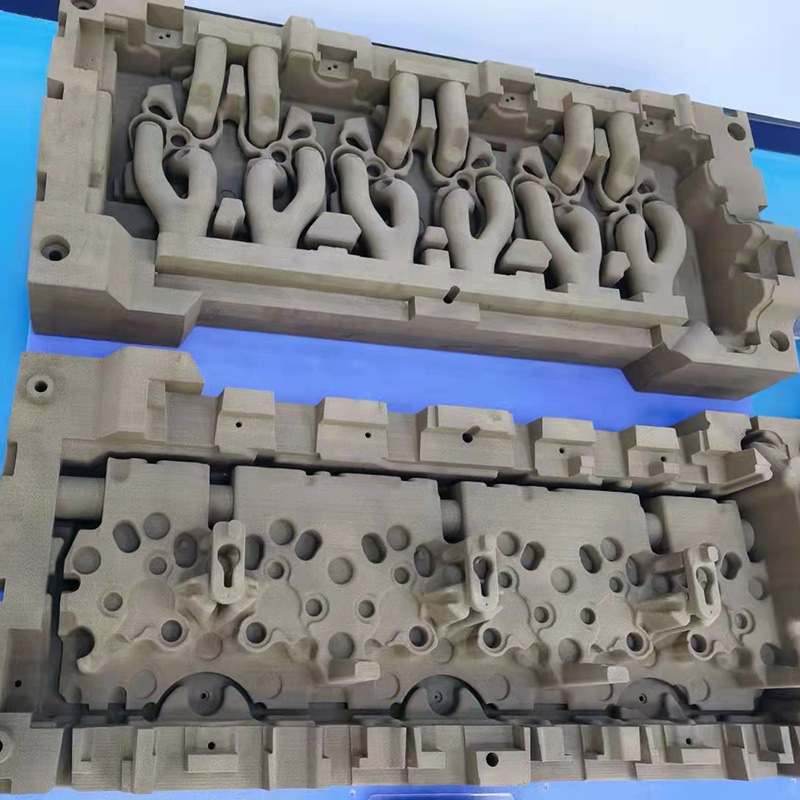
- Iron/steel casting molds and cores (no-bake, cold-box, hot-box)
- Binder-jet 3D printing feedstock for complex cores
- Large-section castings where veining and burn-on are chronic
- Investment casting backup coats (select sizes)
Advantages we keep seeing: lower binder/hardener demand, smoother surfaces (often 1–2 Ra classes better), reduced metal penetration, and fewer finning defects thanks to the low expansion of bauxite sand.
Process flow and QC (nutshell)
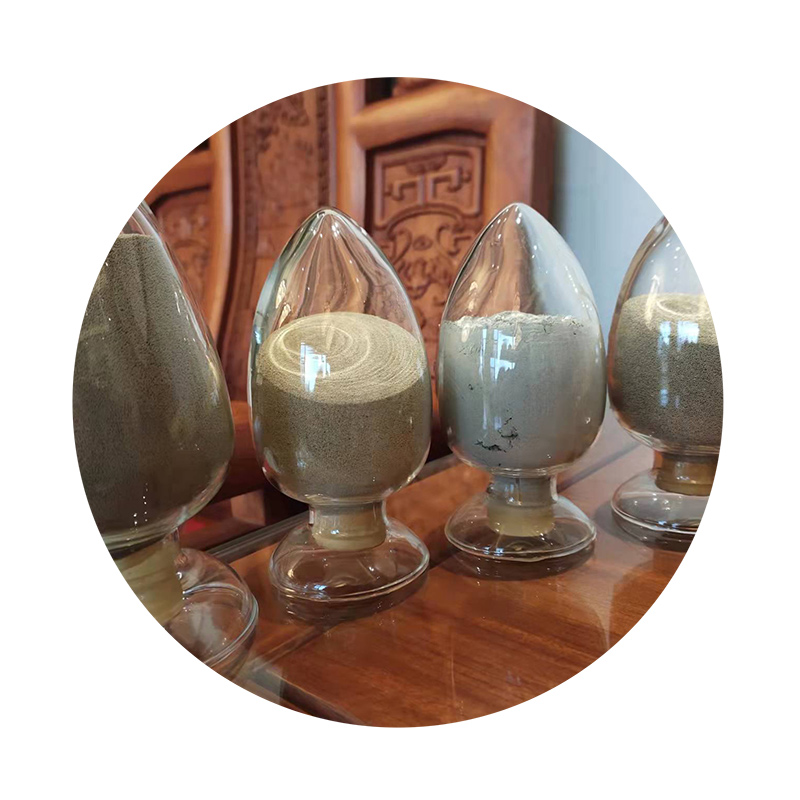
Materials: calcined bauxite feed → spheroidization → sintering → sizing → dust removal. Methods: controlled kiln sintering for microstructure, multi-deck sieving, magnetic removal. Testing: sieve curve (AFS), LOI, chemistry (XRF), thermal expansion (ASTM E228), bulk density, and permeability on bonded test bars (AFS). Service life: reusable across ≈8–15 cycles in no-bake systems with proper reclamation. Certifications: suppliers typically hold ISO 9001/14001; ask for lot C of A.
Vendor snapshot (what buyers compare)
| Supplier | Material | Refractoriness | Sphericity | Binder demand | Lead time | Certs |
|---|---|---|---|---|---|---|
| Shanghai-based ceramic beads | bauxite sand | ≈1800°C | 0.9± | Low | 2–4 weeks (typ.) | ISO 9001/14001 |
| Imported ceramic beads | Alumina-based | ≈1750–1800°C | 0.85–0.9 | Low | 4–8 weeks | ISO 9001 |
| Chromite supplier | Natural chromite | ≈1700°C | Angular | Medium | 1–3 weeks | Varies |
| Local silica sand | Quartz | ≈1650°C | Angular/sub-angular | Higher | Short | Varies |
Customization and buying notes
Ask for tailored sieve curves (AFS 50/70 for general steel; finer for denser cores), pre-blends for 3D printing, and tight LOI caps for sensitive binder systems. It seems that the best outcomes happen when suppliers share test bars and trial protocols, not just COAs.
Field results (two quick cases)
European steel foundry: switched to bauxite sand AFS 50/70; binder down 12%, surface defects down 28%, shakeout time reduced by ~10%. Asia auto iron foundry: cold-box cores with ceramic beads cut burn-on by ~35% and improved surface finish by about one Ra class. Both validated with AFS test bars and internal SPC charts.
References
- American Foundry Society, Mold & Core Test Handbook. https://www.afsinc.org
- ASTM E228 – Standard Test Method for Linear Thermal Expansion. https://www.astm.org/e0228-17.html
- ISO 9001 Quality Management Systems. https://www.iso.org/iso-9001-quality-management.html
- ASM Handbook, Volume 15: Casting (overview). https://www.asminternational.org/
Next:Supersand Polymeric Jointing Sand — Fast-Setting, No Haze