
The History of Sand Casting An Enduring Legacy in Metalworking
Sand casting, one of the oldest and most versatile metalcasting processes, has a rich history that dates back thousands of years. This method, which involves creating a mold from a mixture of sand and a binding agent, allows for the creation of intricate and large metal parts. The significance of sand casting in the context of industrial development and technological advancement cannot be overstated.
The roots of sand casting can be traced back to ancient civilizations. Archaeological findings suggest that the Egyptians were among the first to utilize this method around 3000 BC to produce tools, jewelry, and various artifacts. The durability and malleability of metal, particularly bronze during that era, made it a sought-after material. The use of sand in the casting process provided a practical solution for shaping metal, as the fine grain could easily create detailed molds.
The History of Sand Casting An Enduring Legacy in Metalworking
During the Middle Ages, the art of sand casting reached new heights in Europe, particularly in Germany, where artisans produced intricate iron castings for everything from architecture to machinery. This period witnessed the establishment of foundries as central institutions in manufacturing, where skilled craftsmen honed their expertise in sand casting. The development of core-making techniques enabled the creation of hollow objects and complex internal geometries.
sand casting history
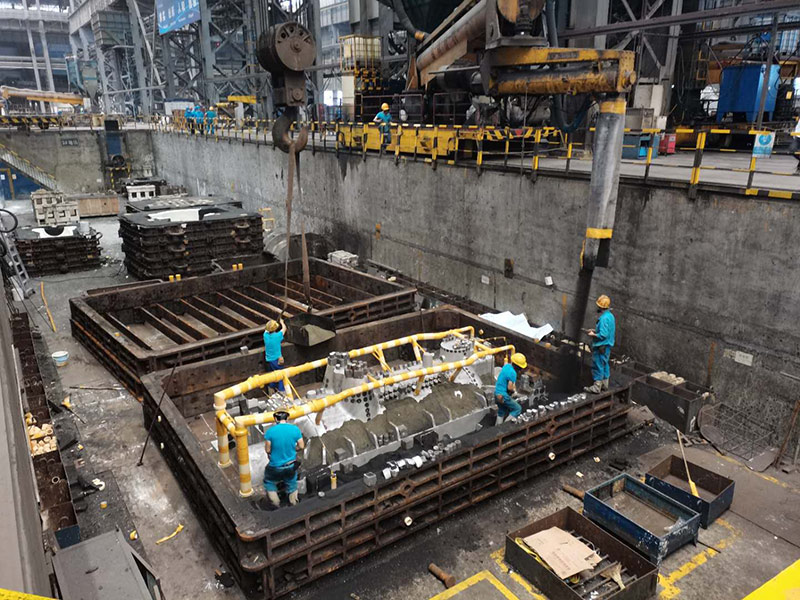
The Industrial Revolution in the 18th and 19th centuries marked a pivotal moment for sand casting. With the advent of new materials and mass production techniques, foundries underwent significant transformations. The combination of steam power and mechanization improved efficiency, allowing for faster production and a broader range of applications. Sand casting became integral to the booming industries of railroads, shipbuilding, and later, automobiles.
In the 20th century, technological advancements continued to shape the future of sand casting. The introduction of synthetic binders and improved sand mixtures enhanced the strength and precision of molds. These changes reduced defects in castings, leading to better-quality products that met the increasing demands of modern engineering. Automated sand casting processes emerged, facilitating larger-scale production while still retaining the flexibility that traditional methods offered.
Today, sand casting remains a cornerstone of metalworking, utilized across numerous industries such as aerospace, automotive, and construction. Its adaptability allows for the casting of metals ranging from aluminum to stainless steel, serving a variety of functions from intricate components to robust structural elements. The enduring legacy of sand casting lies in its ability to evolve, maintaining relevance in an ever-changing technological landscape.
In conclusion, the history of sand casting reflects the progress of human ingenuity and craftsmanship. From ancient artisans to modern engineers, this technique has not only shaped the landscape of manufacturing but has also left an indelible mark on our cultural heritage. As we look to the future, the principles of sand casting will undoubtedly continue to influence innovations in metalworking and beyond.
Post time:Nov . 18, 2024 19:31
Next:sand used in foundry