
The Role of Sand Used in Foundries
Sand has been an indispensable material in foundries for centuries. Its unique properties and versatility make it an ideal choice for metal casting processes. In this article, we will explore the various types of sand used in foundry applications, their characteristics, and the fundamental role they play in the metalworking industry.
Types of Sand Used in Foundries
1. Silica Sand The most common type of sand used in foundries is silica sand, which is primarily composed of quartz. Silica sand is favored for its high melting point and excellent thermal stability. When mixed with clay and water, it forms a sand mold that can withstand the high temperatures of molten metal. The grain size, shape, and purity of silica sand can significantly affect the quality of the cast product; therefore, foundries often select specific types of silica sand based on their requirements.
2. Chromite Sand This type of sand is valued for its high thermal conductivity and resistance to thermal shock. Chromite sand can withstand extreme temperatures, making it ideal for casting steel and iron. Its unique properties prevent the formation of defects such as shrinkage and misruns in castings. Additionally, chromite sand does not react with molten metal, ensuring a clean and high-quality finish.
3. Zircon Sand Zircon sand, derived from zirconium silicate, is known for its superior thermal resistance and low thermal expansion. This makes it suitable for applications requiring precision, as it maintains its shape even under high temperatures. Zircon sand is often used in core-making processes and for producing high-performance castings, particularly in aerospace and automotive industries.
4. Green Sand Green sand refers to a mixture of silica sand, clay, and water. It is called green because it is not baked or dried before use. This type of sand is easy to mold and allows for the production of intricate designs. The moisture helps create a strong bond, ensuring that the mold retains its shape during the casting process. Green sand is the most widely used molding material in the foundry industry due to its cost-effectiveness and versatility.
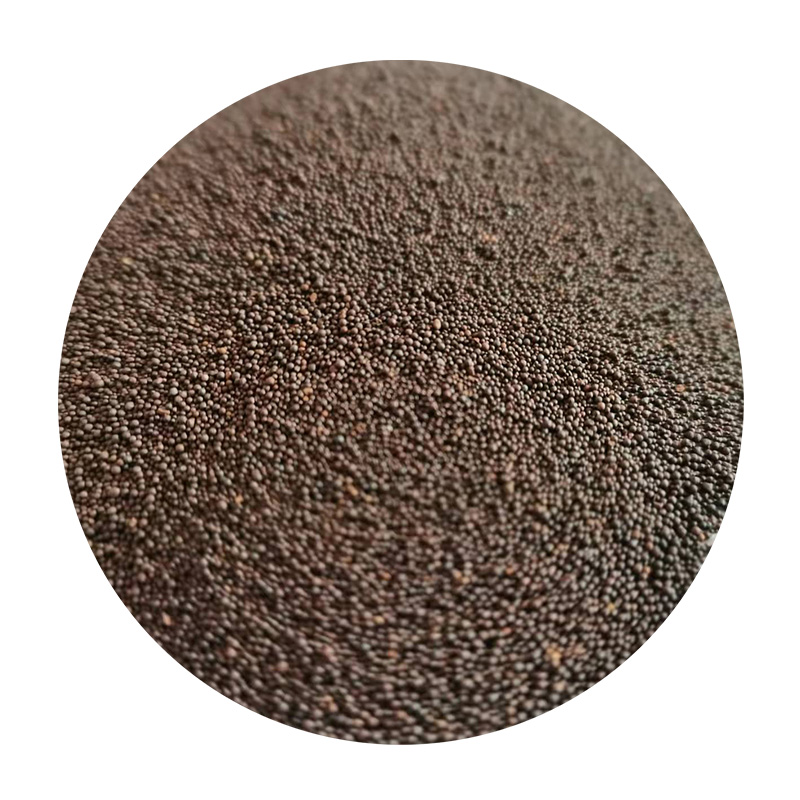
sand used in foundry
Characteristics of Foundry Sand
The effectiveness of sand in foundry applications is determined by its grain shape, size, and distribution. For instance, angular grains tend to interlock better, providing stability to molds. Round grains are easier to work with and allow for smooth flow, which is critical during the pouring of molten metal. Additionally, the clay content in sand affects its binding properties; higher clay content results in better mold strength but may also trap moisture, which could lead to issues during casting.
Environmental considerations are also becoming increasingly critical in the foundry industry. The push for sustainability has led to the exploration of alternative materials and the recycling of foundry sand. Used foundry sand can be reprocessed and reused in various applications, including asphalt production and as a soil amendment, thus reducing waste and conserving natural resources.
The Importance of Sand in Metal Casting
The selection of the appropriate type of sand is crucial for achieving high-quality castings. The right sand ensures that the molds can withstand the heat from molten metal, preventing deformation or breakage during pouring. It also influences the surface finish and dimensional accuracy of the final product. Inferior sand can lead to defects such as sand inclusions, surface roughness, and dimensional discrepancies, all of which can compromise the integrity and performance of the components being produced.
In conclusion, sand is a fundamental material in the foundry industry, essential for metal casting processes. Understanding the different types of sand, their characteristics, and their applications is key to producing high-quality castings. As the foundry industry continues to evolve, innovations in sand chemistry and processing will play an integral role in enhancing casting performance and sustainability. The future of metal casting is indeed heavily reliant on the sand that molds and shapes it.
Post time:Nov . 18, 2024 19:10
Next:Techniques for Smoothing and Finishing 3D Printed Models