
The Art and Science of Sand Casting
Sand casting, one of the oldest manufacturing processes, is a perfect blend of art and science. It has been used for centuries to create a diverse range of metal components, from intricate jewelry to massive industrial parts. The process of sand casting is not only fascinating but also a testament to human ingenuity.
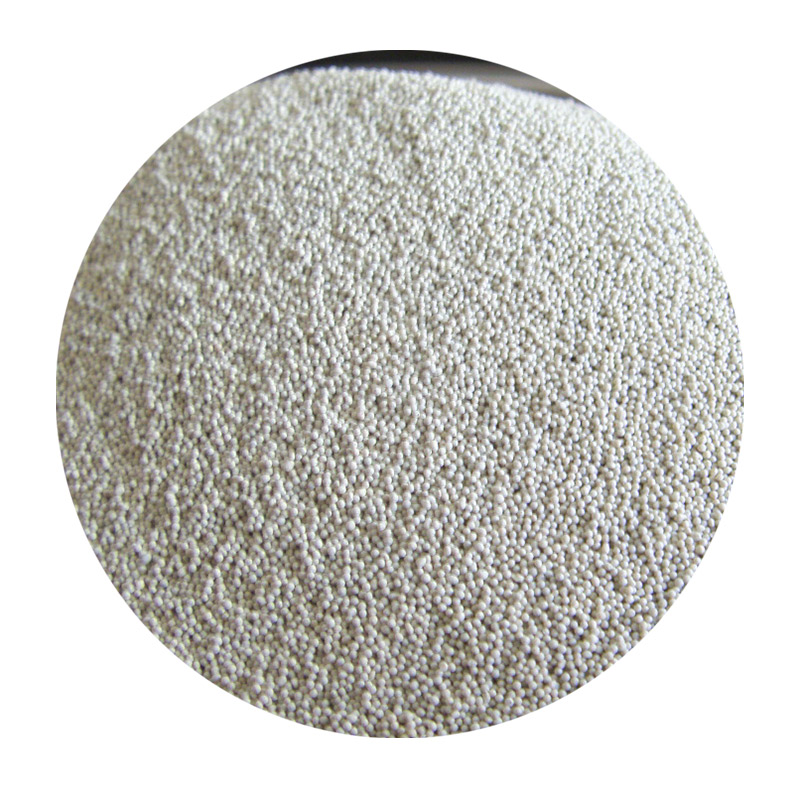
At its core, sand casting involves creating a mold from a sand mixture, into which molten metal is poured to form a specific shape. The primary material used for the mold is silica sand, which is finely granulated and has excellent thermal properties. The sand is combined with a binder, usually clay, to help hold the mold shape. In some cases, additional additives are included to enhance the molding process.
The sand casting process begins with creating the pattern, which is typically a replica of the desired final product
. The pattern can be made from various materials like wood, metal, or plastic. Depending on the complexity of the design, a single or multiple patterns may be required. The pattern is then placed in a box, called a flask, which is filled with the sand mixture. Once the mold is packed tightly around the pattern, it is carefully removed to leave a hollow cavity that mirrors the pattern's shape.After the mold is prepared, it is assembled, often in two halves, to allow for the pouring of molten metal. This step is critical as the joint between the two halves must be precise to avoid any misalignment. To facilitate the pouring process, a gate and riser system is incorporated into the mold, which ensures that the molten metal flows into the cavity without defects such as air pockets.
sand cast
The choice of metal is another pivotal aspect of sand casting. A wide variety of metals can be used, including aluminum, iron, and bronze, each possessing unique properties that make them suitable for different applications. The metal is melted in a furnace, reaching extremely high temperatures, before being poured into the prepared mold. The cooling process begins immediately, allowing the metal to solidify and take on the shape of the mold.
Once the metal has cooled and solidified, the next step is to remove the casting from the mold. This process, known as shakeout, involves breaking apart the mold, which can be done manually or with the help of machinery. The resulting casting is often rough and requires further processing to achieve the desired surface finish and tolerances. This may involve grinding, machining, and polishing to refine the product.
One of the significant advantages of sand casting is its versatility. It can accommodate complex geometries and is an excellent choice for producing large parts. Unlike other manufacturing methods, sand casting does not require expensive tooling, making it cost-effective for both small and large production runs. However, it also has its challenges, including potential inconsistencies in surface finish and dimensional accuracy.
Innovations in sand casting technology have addressed many of these challenges. For instance, advancements in computer-aided design (CAD) allow for the precise modeling of patterns and molds, improving the overall quality of the castings. Additionally, new binder systems have been developed to enhance mold strength and reduce environmental impact, making the process more sustainable.
In conclusion, sand casting remains a vital manufacturing process due to its unique combination of flexibility, efficiency, and cost-effectiveness. Whether creating components for automotive, aerospace, or artistic applications, sand casting continues to stand the test of time. Its rich history and ongoing evolution showcase the balance of artistry and engineering, keeping it relevant in a rapidly changing industrial landscape. As we look to the future, it is clear that sand casting will continue to play a pivotal role in manufacturing, blending tradition with innovation.
Post time:Nov . 18, 2024 13:32
Next:lost foam casting