
Lost Foam Casting An Innovative Approach in Metal Casting
Lost foam casting (LFC) is a manufacturing process that has gained attention for its ability to produce highly complex metal components with impressive accuracy and minimal waste. The technique is a variation of traditional sand casting, but it introduces a unique method of pattern creation that sets it apart. This article will explore the intricacies of lost foam casting, including its process, advantages, applications, and future potential in the manufacturing industry.
The essence of lost foam casting lies in its use of a foam pattern, typically made from polystyrene, which is coated with a refractory material. The foam pattern is an exact replica of the desired final product. Unlike traditional methods where a hard pattern is used and removed after molding, the foam pattern in lost foam casting is vaporized when molten metal is poured into the mold. This innovative approach allows for a high degree of freedom in design, enabling manufacturers to create intricate shapes and features that would be challenging or impossible to achieve with other casting methods.
The lost foam casting process begins with the creation of a foam pattern. This pattern is carefully designed and manufactured to match the specifications of the final metal part. Once the foam pattern is complete, it is coated with a fine layer of refractory material, which helps to create a strong mold. When the coated pattern is placed in a mold box and surrounded by sand, the sand molds the exterior of the foam pattern as it is compacted. The critical step follows when molten metal is poured into the mold, the heat causes the foam to evaporate, leaving behind a void in the shape of the original pattern. The metal fills this void, creating the final component.
One of the primary advantages of lost foam casting is its ability to produce complex geometries without the need for machining, which can significantly reduce manufacturing costs and time. Moreover, because the foam vaporizes instead of being physically removed, the process minimizes the waste typically generated in traditional casting methods. This attribute makes lost foam casting an environmentally friendly option as well, aligning with modern sustainability goals in manufacturing.
lost foam casting
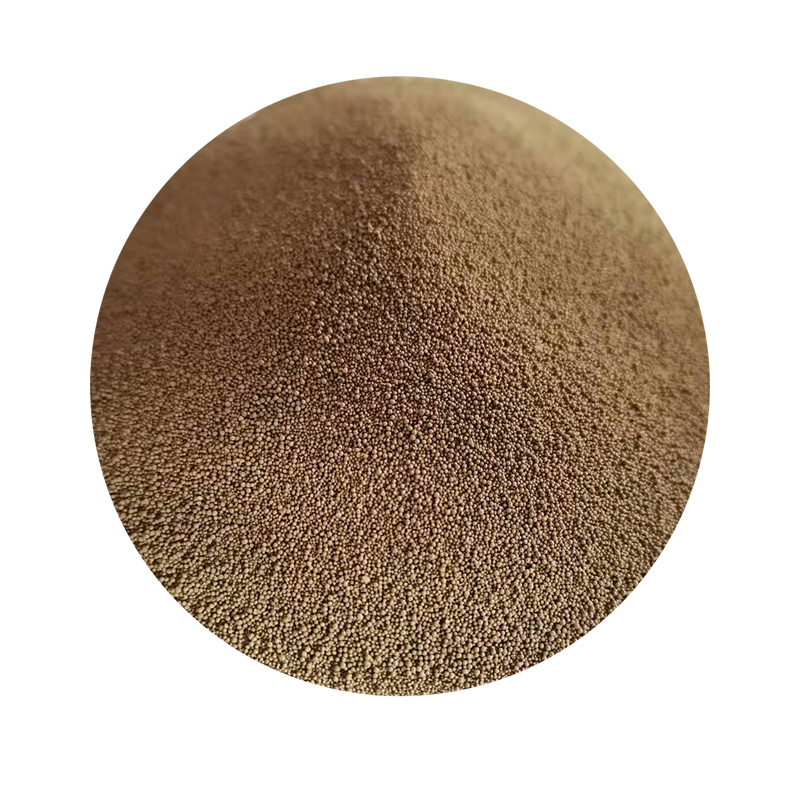
Another notable benefit is the reduction of casting defects. The lost foam process can help minimize problems such as shrinkage and gas porosity, which are common issues in traditional casting techniques. The tight control over the mold and the vaporization of the foam results in a cleaner casting with improved surface finish and dimensional accuracy.
The versatility of lost foam casting makes it suitable for various industries, including automotive, aerospace, and heavy machinery. Components such as engine blocks, transmission cases, and complex brackets can be efficiently manufactured using this technique. As industries continue to demand lighter and more complex components to enhance performance and fuel efficiency, lost foam casting positions itself as a favorable solution for meeting these challenges.
Looking toward the future, lost foam casting is likely to continue evolving with advancements in materials and technology. The integration of 3D printing technologies to create foam patterns could further enhance design capabilities, allowing for rapid prototyping and on-demand manufacturing. As companies embrace Industry 4.0 principles, incorporating smart manufacturing techniques into the lost foam casting process could streamline production and improve quality control.
In conclusion, lost foam casting represents a significant advancement in metal casting technology, offering numerous benefits over traditional methods. Its innovative approach to pattern creation allows for complex designs with minimal waste and improved accuracy, making it an attractive option for various industrial applications. As manufacturing continues to evolve, lost foam casting is poised to play a crucial role in meeting the demands of modern production while promoting sustainability and efficiency.
Post time:Nov . 18, 2024 13:10
Next:Innovative Techniques in Lost Foam Metal Casting for High-Quality Manufacturing Efficiency