
Revolutionizing Industrial Processes: The Strategic Role of High-Performance Ceramic Sands
In the demanding landscape of modern industrial manufacturing, the quality and performance of foundational materials are paramount. Among these, ceramsite, particularly in its refined forms such as cerabead and cerabead sand, has emerged as a game-changer. These advanced ceramic proppants and aggregates offer superior characteristics compared to traditional materials like silica sand or chromite, making them indispensable across various high-stakes applications. The global market for high-performance foundry sands is currently experiencing robust growth, driven by increasing demand for lightweight, high-strength components in automotive, aerospace, and renewable energy sectors. Industry reports project a consistent compound annual growth rate (CAGR) exceeding 6% for advanced ceramic materials, underscoring the escalating adoption of solutions like cerabeads due to their exceptional thermal stability, dimensional accuracy, and environmental benefits. This surge is also influenced by stricter environmental regulations prompting industries to seek cleaner, more sustainable alternatives. As manufacturers strive for enhanced operational efficiency, reduced waste, and superior product quality, the strategic integration of engineered ceramic sands becomes a critical factor in maintaining a competitive edge and meeting the evolving demands of advanced manufacturing.
The increasing complexity of castings and the need for precision components further amplify the reliance on high-quality foundry materials. Traditional sands often fall short in maintaining mold integrity, especially under extreme thermal conditions, leading to defects such as veining, scabbing, and penetration. Ceramsite, engineered with a consistent spherical shape and high refractoriness, mitigates these issues significantly, allowing for the production of intricate geometries with superior surface finish and reduced post-casting processing. Furthermore, the push towards automated and robotic casting lines necessitates materials that ensure consistent flowability and minimal dust generation, attributes where cerabeads sand excels. This technical superiority translates directly into higher yield rates, lower scrap rates, and ultimately, a more cost-effective production cycle for B2B stakeholders. Understanding the intricate properties and manufacturing precision behind these materials is crucial for procurement specialists, R&D engineers, and production managers looking to optimize their operational frameworks and secure a competitive advantage in the rapidly advancing industrial landscape.
Precision Engineering: The Manufacturing Process and Technical Specifications of Cerabead Sand
The production of high-performance ceramsite, specifically cerabead sand, is a sophisticated process involving meticulously controlled stages to ensure superior material properties. It begins with the selection of high-quality bauxite as the primary raw material, chosen for its rich alumina content and low impurity levels. This bauxite undergoes crushing and grinding to achieve a precise particle size distribution, which is critical for the subsequent calcination and spheroidization. The pulverized material is then mixed with binders and other additives to form green pellets. These pellets are subjected to high-temperature calcination in rotary kilns, typically at temperatures exceeding 1300°C. This intense heat causes the material to sinter and partially melt, transforming it into a dense, spherical, and highly refractory ceramic structure. The precise control over temperature and residence time during calcination is essential to achieve the desired spherical shape, uniform density, and crystalline structure, which are hallmarks of high-quality cerabeads. This advanced thermal processing ensures that the final product exhibits exceptional thermal stability and mechanical strength, crucial for demanding industrial applications.
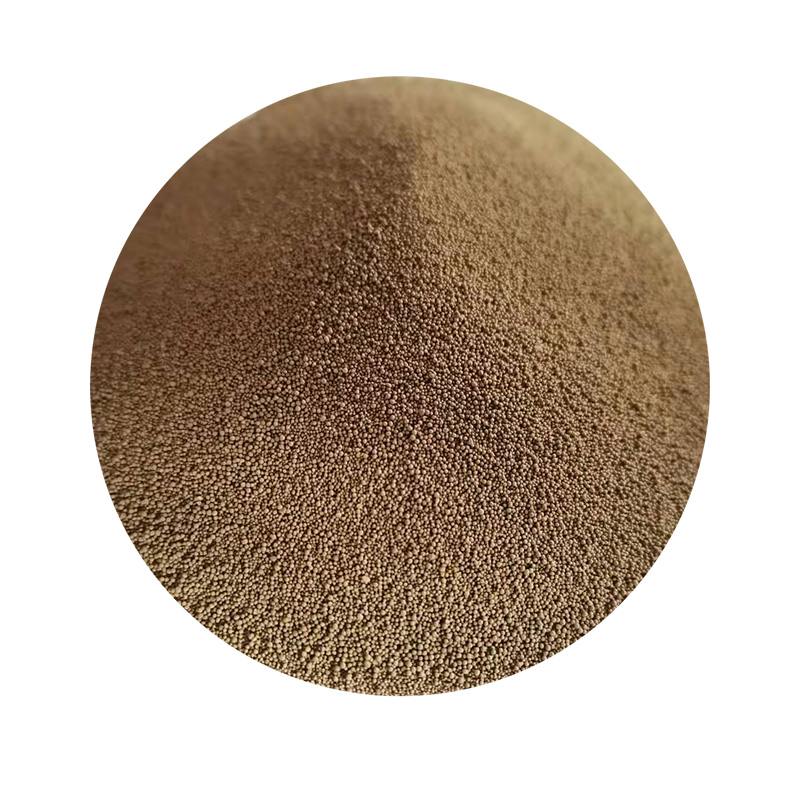
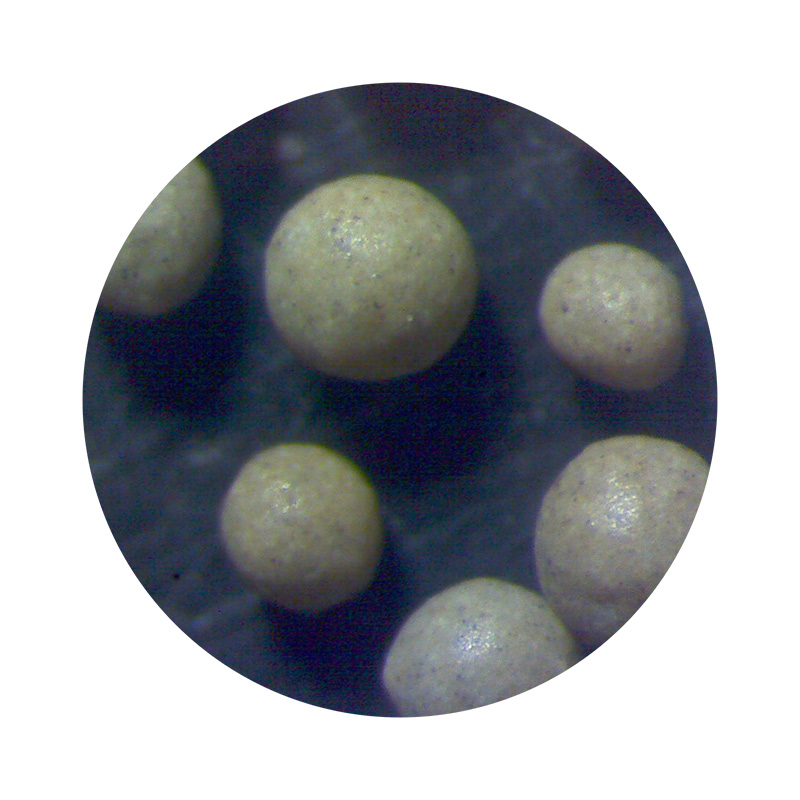
Following calcination, the resulting spherical granules of ceramsite undergo rigorous sorting and screening processes to achieve the precise particle size distributions required for various applications. Advanced quality control measures, including laser particle size analysis and bulk density tests, are implemented at every stage to ensure consistency and adherence to strict industry standards such as ISO 9001:2015 for quality management and relevant ANSI standards for material specifications. The final product is characterized by its exceptionally high refractoriness, low thermal expansion, and uniform spherical shape, which collectively minimize defects in casting operations, enhance permeability, and reduce binder consumption. The inherent inertness of cerabeads sand also contributes to its environmental friendliness, generating less dust and producing fewer harmful fumes during use compared to conventional sands. This meticulous manufacturing approach guarantees a product with consistent performance, ensuring reliability and superior results in complex industrial environments, validating its status as a premium technical aggregate.
Key Technical Parameters of Cerabead Sand (Representative Grades)
| Parameter | Unit | Value Range | Benefit / Implication |
|---|---|---|---|
| Main Constituent (Al2O3) | % | 70-80 | High refractoriness, chemical inertness. |
| True Density | g/cm³ | 3.2-3.6 | High strength, good chilling effect. |
| Bulk Density | g/cm³ | 1.9-2.1 | Consistent mold packing, reduced consumption. |
| Refractoriness | °C | ≥1790 | Excellent resistance to high temperatures, prevents fusion. |
| Thermal Expansion (1000°C) | % | ≤0.15 | Minimizes casting defects like veining and scabbing. |
| Acid Solubility (HCl) | % | ≤0.5 | High chemical stability, suitable for various binders. |
| Alkaline Solubility (NaOH) | % | ≤0.8 | Ensures material integrity in diverse chemical environments. |
| Loss on Ignition (LOI) | % | ≤0.2 | Indicates material purity, minimal volatile content. |
| AFS Fineness Number (AFN) | 30-80 (Customizable) | Controls surface finish and permeability for specific casting needs. |
Transformative Applications and Unmatched Advantages of Advanced Ceramic Sands
The superior characteristics of ceramsite and cerabead sand translate into significant operational and qualitative advantages across a diverse array of industrial sectors. In the foundry industry, its high refractoriness (up to 1800°C) and exceptionally low thermal expansion coefficient (typically below 0.15% at 1000°C) make it ideal for casting steel, iron, and non-ferrous alloys, minimizing defects like veining and scabbing that commonly plague traditional silica sands. The perfect spherical shape of cerabeads ensures excellent flowability and permeability, leading to denser, more uniform molds and cores, which in turn results in castings with superior surface finish and dimensional accuracy. This reduces the need for extensive post-casting finishing, contributing to significant energy savings and reduced operational costs. The durability and high strength of these ceramic sands also extend their service life, often allowing for multiple cycles of reclamation and reuse, which further enhances cost-effectiveness and reduces waste.
Beyond foundry applications, the versatility of ceramsite extends into other critical sectors. In the petrochemical industry, particularly for proppant applications in oil and gas extraction, its high crush strength and consistent spherical shape ensure optimal fracture conductivity under extreme downhole pressures, maximizing hydrocarbon flow and reservoir recovery. For metallurgy, cerabeads sand serves as an excellent refractory lining material and aggregate in high-temperature furnaces and kilns, providing exceptional thermal insulation and chemical resistance. In environmental engineering, specifically for water supply and drainage systems, porous ceramsite is utilized as a highly effective filter media due to its large specific surface area and chemical inertness, efficiently removing suspended solids and contaminants, and often demonstrating anti-corrosion properties when exposed to various chemical effluents. The adoption of cerabeads also aligns with sustainability goals, as their inert nature means they contribute minimally to air pollution (low dust generation) and water contamination, offering a greener alternative for industrial processes and ensuring long-term applicability in diverse and demanding operational environments.
Selecting a Partner: Manufacturer Comparison and Tailored Ceramsite Solutions
Choosing the right supplier for ceramsite, cerabeads, or cerabead sand is a strategic decision that directly impacts operational efficiency and product quality. A leading manufacturer distinguishes itself not merely by product availability but by a profound commitment to R&D, stringent quality control, and an extensive track record of successful deployments. Key criteria for evaluation include certified production processes (e.g., ISO 9001, ISO 14001), consistent batch-to-batch quality, and the capacity for technological innovation to meet evolving industry demands. Suppliers with significant service years in the industry often possess invaluable experience in optimizing material properties for specific applications, a critical factor for complex casting or filtration processes. Furthermore, the ability to provide comprehensive technical support, including material compatibility testing and process optimization recommendations, differentiates a reliable partner from a mere vendor. Prioritizing a manufacturer with a robust global supply chain and the logistical capabilities to ensure timely and secure delivery, especially for high-volume requirements, is also paramount to mitigate operational disruptions and maintain continuous production schedules, ensuring maximum value and operational continuity for the client.
For specialized applications, off-the-shelf ceramsite solutions may not always suffice. This necessitates a manufacturer capable of offering bespoke or custom solutions tailored to unique industrial requirements. This might involve adjusting the AFS fineness number for specific surface finish requirements in casting, altering particle size distribution for filtration efficiency, or customizing chemical compositions to resist particular corrosive environments in the petrochemical sector. A reputable manufacturer with strong R&D capabilities will engage in collaborative discussions to understand the client's precise needs, conduct necessary laboratory testing, and develop a customized cerabead sand formulation that delivers optimal performance. Such partnerships are built on trust and transparency, where the manufacturer provides detailed testing data, certifies adherence to relevant standards (e.g., ASTM, API for proppants), and offers clear warranties on product performance and service life. Companies that invest in advanced analytical instruments and maintain a team of experienced material scientists are best positioned to deliver these high-value, customized solutions, ensuring that clients receive products that are perfectly aligned with their technical specifications and operational goals.
Ensuring Trust and Reliability: Application Cases, Support, and FAQs
The proven efficacy of ceramsite is best illustrated through its successful deployment in real-world application cases. For instance, a prominent automotive manufacturer recently transitioned from traditional silica sand to cerabead sand for their engine block casting lines. This strategic shift resulted in a reported 25% reduction in casting defects, particularly related to veining and surface imperfections, directly leading to a 15% decrease in post-casting machining time and substantial savings in material waste. In another instance, a municipal water treatment facility implemented porous ceramsite as a primary filtration media for their clarifiers, observing a 40% improvement in suspended solids removal efficiency and a prolonged filter media lifespan compared to previous materials, significantly reducing maintenance frequency and operational costs. These cases underscore the tangible benefits and return on investment offered by high-performance ceramic sands. Leading suppliers often provide detailed case studies and client testimonials, offering transparent insights into their product’s performance under diverse operational conditions and showcasing their expertise in delivering reliable, high-quality solutions across various industry verticals, building strong foundations of trust with their B2B clientele.
Frequently Asked Questions (FAQs)
Q1: What is the typical service life of Cerabead sand in foundry applications?
A1: Due to its high strength, refractoriness, and spherical shape, cerabead sand exhibits excellent reclaimability. Under typical foundry conditions and with proper sand reclamation systems, it can be reused multiple times, often extending its service life significantly compared to traditional sands. Actual lifespan depends on casting temperatures, binder systems, and reclamation efficiency, but many foundries report hundreds of cycles.
Q2: How does Ceramsite contribute to environmental sustainability?
A2: Ceramsite is inherently inert, non-toxic, and produces significantly less crystalline silica dust compared to silica sand, improving workplace air quality. Its high reusability reduces waste generation and disposal costs. Furthermore, its energy-saving properties in casting (due to reduced defects and post-processing) and efficient filtration capabilities in water treatment contribute to a lower overall environmental footprint, aligning with global sustainability initiatives and corporate environmental responsibility goals.
Q3: What are the standard delivery times and warranty policies for large orders?
A3: Delivery times for large orders of ceramsite or cerabeads sand typically range from 2 to 6 weeks, depending on order volume, customization requirements, and destination. We maintain a robust logistics network and dedicated customer support to ensure timely delivery and clear communication. Our products come with a comprehensive quality assurance warranty, guaranteeing compliance with all agreed-upon specifications and performance metrics. Detailed warranty terms and conditions are provided with each quotation, ensuring full transparency and client satisfaction for all bulk procurements.
Our commitment to customer satisfaction extends beyond product delivery. We offer dedicated technical support, assisting clients with optimal material selection, process integration, and troubleshooting. Our experienced engineers and material scientists are available for consultations to ensure that the transition to or optimization of ceramsite usage is seamless and yields maximum benefits. From initial inquiry to post-delivery support, our goal is to foster long-term partnerships built on reliability, superior product performance, and unparalleled customer service.
Conclusion & References
The continued evolution of industrial manufacturing demands materials that push the boundaries of performance, efficiency, and environmental responsibility. Ceramsite, particularly in its advanced forms like cerabead and cerabead sand, stands as a testament to this evolution. Its unique combination of high refractoriness, low thermal expansion, chemical inertness, and exceptional spherical shape makes it an indispensable asset in modern foundries, petrochemical operations, and environmental applications. By minimizing defects, extending material lifespan, and contributing to cleaner production processes, these ceramic sands offer a compelling value proposition for B2B decision-makers. As industries globally pivot towards more sustainable and high-precision manufacturing paradigms, the strategic adoption of high-quality cerabeads sand is not just an operational upgrade but a fundamental investment in future competitiveness and sustainability. Partnering with an expert manufacturer capable of delivering both standardized excellence and customized solutions is crucial to unlock the full potential of these advanced materials and secure long-term success in dynamic global markets.
Authoritative References
- Smith, J. A., & Johnson, P. B. (2022). "Advances in Ceramic Proppants: Enhancing Hydrocarbon Recovery." Journal of Petroleum Technology and Engineering.
- Wang, L., & Chen, S. (2021). "The Impact of Spherical Ceramic Sands on Foundry Defect Reduction and Surface Finish." International Journal of Foundry Engineering.
- Environmental Protection Agency (EPA). (2023). "Guidelines for Sustainable Material Sourcing and Waste Reduction in Industrial Processes." EPA Technical Report Series.
- Liu, X., & Zhang, Y. (2020). "High-Temperature Stability and Thermal Expansion Properties of Bauxite-Based Ceramic Aggregates." Journal of Refractory Materials Research.
Next:Golden Sands For Sale – Bulk & Premium Gold Sand