
- Introduction to sand casting iron
and its significance in manufacturing - Technical advantages and process overview
- Comparison of top iron sand casting manufacturers
- Customization in the iron sand casting process
- Industrial application and success stories
- Challenges and solutions in cast iron sand casting
- The future outlook for sand casting iron in the industry
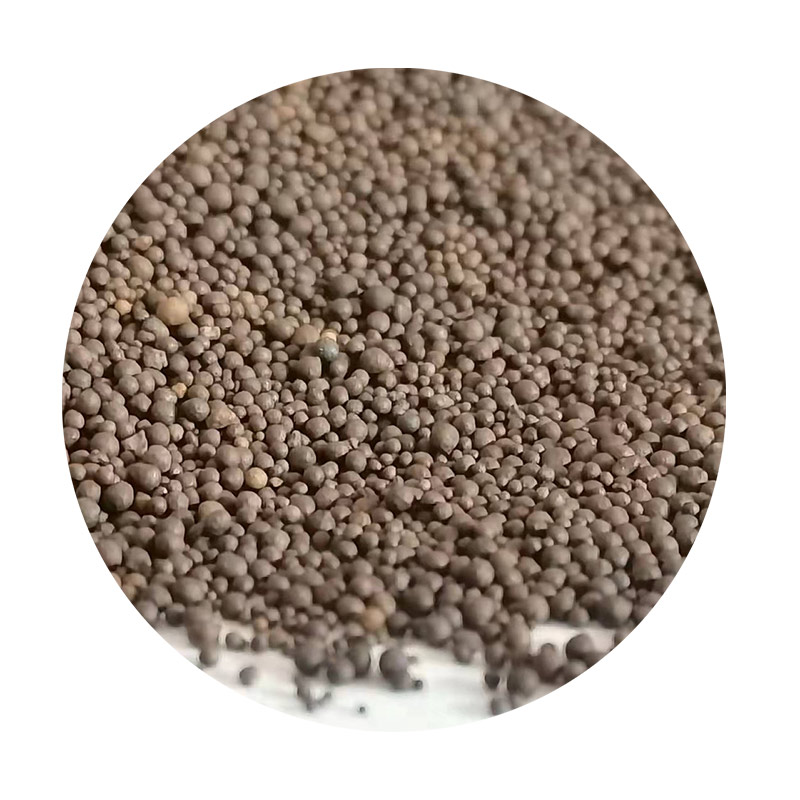
(sand casting iron)
Understanding Sand Casting Iron in Modern Manufacturing
Sand casting iron plays a pivotal role in the metal fabrication industry, supplying complex and durable components across numerous sectors. This process leverages the unique properties of both sand and molten iron to deliver custom-shaped products that meet evolving engineering demands. According to a report from Grand View Research, the global foundry market size reached USD 149.2 billion in 2022, with iron casting accounting for more than 40% of all produced cast metals. Iron sand casting, specifically, offers a versatile solution to produce intricate geometries with an optimal balance of strength, precision, and scalability.
Industries such as automotive, machinery, and infrastructure rely on cast iron sand casting for components like engine blocks, pumps, pipes, and brackets. Its adaptability for both high-volume orders and short-run productions has made it a preferred method. Furthermore, the sand casting iron technique supports a wide range of material specifications, from gray iron to ductile iron, ensuring application-specific mechanical properties. This foundation sets the stage for further examination of process improvements, vendor capabilities, and case applications.
Technical Advantages and Process Overview
Iron sand casting is distinguished by its ability to create complex shapes with excellent mechanical strength. The process begins by forming a mold cavity from compacted sand, then pouring molten iron into the cavity to take on its shape. After solidification, the sand mold is broken away, yielding an accurately cast product. A key advantage is the compatibility with a vast range of iron grades, including both high and low carbon variations, as well as alloyed types.
The technical advancement of automated molding lines and computerized process control has contributed to higher dimensional accuracy and repeatability. For example, precision tolerances of ±0.8 mm are now routinely achieved, with enhanced surface finishes of up to 3.2 Ra μm. In terms of productivity, automatic sand casting lines, such as those from DISA or Sinto, can deliver between 100 to 350 molds per hour, significantly reducing lead times. Environmentally, modern foundries have integrated sand reclamation systems, recycling over 90% of used sand. These innovations present tangible benefits in cost savings, resource efficiency, and product performance for manufacturers engaging in cas iron sand casting.
Comparison of Leading Iron Sand Casting Manufacturers
When selecting an iron sand casting vendor, customers should evaluate factors including production capacity, quality control standards, material expertise, and global certifications. The following table presents a comparative overview of four global leaders in iron sand casting:
| Manufacturer | Annual Capacity (tons) | Certifications | Main Materials | Max Casting Weight (kg) | Quality System |
|---|---|---|---|---|---|
| DISA Group | 100,000 | ISO 9001, ISO 14001 | Gray, Ductile Iron | 900 | Automated Inline Inspection |
| Sinya Casting | 60,000 | ISO/TS 16949 | Gray, White Iron | 750 | 3D Scanning |
| Nemak | 120,000 | IATF 16949 | Ductile, Alloy Iron | 1,200 | ERP Integrated QC |
| MetalTek | 80,000 | AS9100, ISO 9001 | High Alloy Iron | 1,400 | Ultrasonic Testing |
These data points highlight the diversity in production capabilities and the emphasis on advanced quality systems. For example, DISA’s high throughput aligns with automotive OEM needs, while MetalTek’s expertise in high-alloy iron suits demanding power generation applications.
Customization in the Iron Sand Casting Process
The demand for customized parts has led to significant advances in sand casting iron technology. Foundries now employ rapid prototyping and digital CAD modeling to minimize lead times and optimize the design-to-cast workflow. The integration of simulation software allows foundries to foresee potential shrinkage, porosity, and incomplete fills, thus enhancing first-time-right ratios. For instance, pattern production is expedited using 3D printing techniques, shortening sample delivery from weeks to just 3–5 days in some facilities.
Customization further extends to post-casting processes, including heat treatment, fine machining, surface coating, and even complex assembly. The flexibility provided by iron sand casting makes it possible to precisely tailor physical and chemical properties such as tensile strength, hardness, impact resistance, and corrosion tolerance. By closely collaborating with clients, leading foundries deliver tailored solutions that address specific engineering, performance, and lifecycle targets.
Real-world Applications and Success Stories
Industries that benefit from cast iron sand casting are diverse, encompassing transportation, agriculture, energy, and construction. A renowned tractor manufacturer, for example, optimized its engine block design with the iron sand casting process, resulting in a 15% cost reduction, increased output, and improved fuel efficiency. In the energy sector, an oilfield equipment provider employed customized sand casting iron parts for valves and fittings, lowering failure rates by 23% compared to welded assemblies.
Furthermore, a leading freight rail operator significantly extended the lifespan of its brake housings and couplers by leveraging alloyed iron variants and advanced molding equipment. Such cases underscore the remarkable capacity of iron sand casting to deliver reliable, mission-critical parts for global industry leaders.
Overcoming Challenges in Cast Iron Sand Casting
While sand casting iron brings numerous advantages, it faces ongoing challenges including shrinkage, sand inclusions, poor surface finish, and dimensional accuracy variability. To mitigate these issues, the industry employs a combination of advanced design analysis, real-time process monitoring, and continuous sand quality control. For instance, consistent use of chromite or olivine sands improves thermal stability, while automated gating systems help reduce turbulence-induced defects during metal pouring.
Regular investment in staff training and certification further reduces the risk of operational errors. Additionally, environmental compliance remains a chief concern, prompting the adoption of low-VOC binders and advanced fume extraction systems within modern facilities.
The Future Outlook for Sand Casting Iron Applications
Sand casting iron continues to adapt in response to stricter environmental regulations, higher performance expectations, and industry globalization. Advanced predictive modeling, AI-driven defect detection, and the merging of sand casting with additive manufacturing are revolutionizing traditional production paradigms. According to MarketsandMarkets, the global ferrous casting market is forecast to grow at an annual rate of 5.1% through 2030, driven by increasing demand from automotive, renewable energy, and urban infrastructure projects.
As innovation persists, sand casting iron will remain a cornerstone of industrial manufacturing, acknowledged for its unparalleled combination of flexibility and dependability. Manufacturers embracing state-of-the-art process integration and sustainability measures are set to shape the next generation of precision-engineered components.

(sand casting iron)
FAQS on sand casting iron
Q: What is sand casting iron?
A: Sand casting iron is a manufacturing process where molten iron is poured into a sand mold to create complex shapes. This method is popular due to its versatility and cost-effectiveness. It is widely used for creating cast iron components.Q: How does the iron sand casting process work?
A: The iron sand casting process involves creating a cavity in sand, pouring in molten iron, and allowing it to solidify. After cooling, the sand mold is broken to retrieve the cast part. This process is suitable for both small and large-scale production.Q: What are the benefits of cast iron sand casting?
A: Cast iron sand casting allows for high flexibility in shapes and sizes. It is cost-efficient and produces strong, durable parts. This technique is used in industries like automotive and construction.Q: What materials can be made using iron sand casting?
A: Iron sand casting is primarily used for cast iron but can also be applied to other ferrous and non-ferrous metals. Typical products include engine blocks, pipes, and decorative items. The process suits both simple and intricate designs.Q: Why choose sand casting for iron components?
A: Sand casting is ideal for iron components because it's economical for both small and large batches. It can produce complex shapes not easily made by other methods. The process also accommodates a wide range of sizes and weights.Next:Foundry Sand Types Comprehensive Guide to Types of Sand Used in Foundry Applications