
- Introduction to foundry sand types
and their industrial significance - The main types of sand used in foundry processes
- Physical, chemical, and mechanical properties comparison
- Technological advantages and manufacturer comparison
- Custom solutions and supply chain optimization
- Typical application cases and performance data
- Future trends in foundry sand types and conclusion
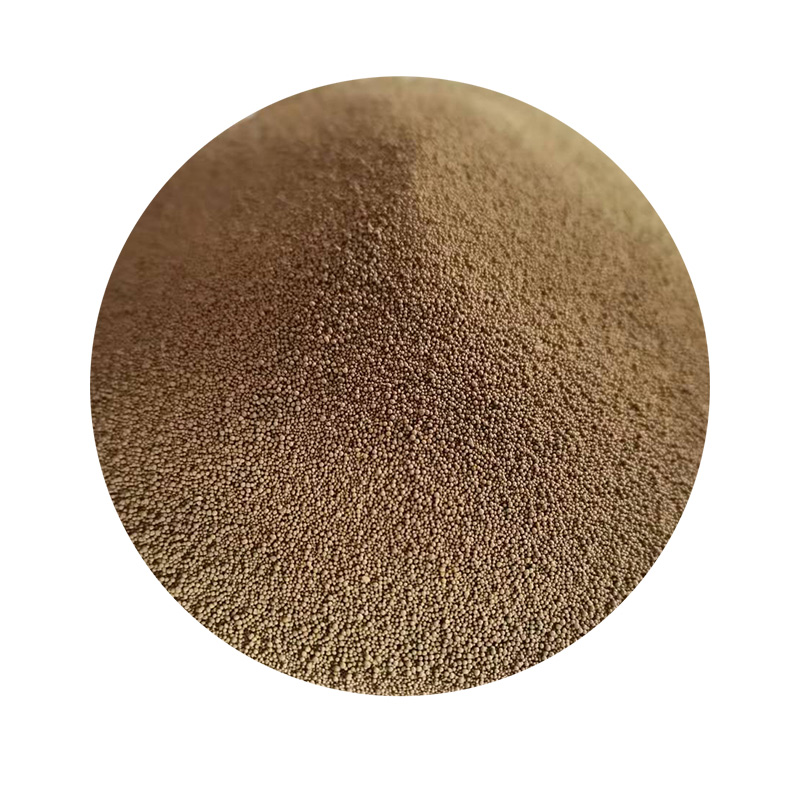
(foundry sand types)
Understanding Foundry Sand Types and Their Industrial Significance
In modern foundry operations, the selection and use of appropriate foundry sand types is not just a technical decision—it is a core factor for ensuring casting quality, cost-effectiveness, and environmental compliance. Whether producing intricate automotive components or heavy industrial equipment, foundry sand forms the backbone of molding processes. The diversity of types of sand used in foundry allows manufacturers to match sand characteristics to the requirements of ferrous and non-ferrous casting alike, directly influencing surface finish, dimensional accuracy, and even productivity. Recent data suggests that over 100 million tons of foundry sand are consumed annually worldwide, highlighting its massive industrial significance. In this guide, we will break down the different types of foundry sand, compare their properties and suppliers, and provide actionable insights for industrial buyers and engineers seeking to optimize their casting operations.
Primary Types of Sand Used in Foundry Processes
Foundries employ a variety of sands depending on alloy systems, molding techniques, and economic considerations. The most prevalent types of foundry sand include:
- Silica Sand: Widely used due to its availability, high melting point, and favorable grain shape. Composes about 85% of molds made worldwide.
- Chromite Sand: Offers high thermal stability and chilling power, essential for producing defect-free castings in steel and armored alloy work.
- Olivine Sand: Known for its lower thermal expansion, minimizing casting defects in magnesium and aluminum alloys.
- Zircon Sand: Provides supreme refractoriness and low thermal expansion, ideal for high-performance parts in the aerospace and power generation sectors.
- Synthetic Sands (e.g. Cerabeads): Engineered for higher consistency, recyclability, and specific technological requirements.
Comparison of Physical, Chemical, and Mechanical Properties
Selecting the optimal sand demands a thorough understanding of their multidimensional properties. The following table illustrates key specifications and attributes for principal foundry sand types, highlighting crucial selection criteria such as refractoriness, permeability, and cost efficiency:
| Sand Type | SiO2 (%) | Refractoriness (°C) | Thermal Expansion (10-6/°C) | Permeability | Relative Cost | Recycleability |
|---|---|---|---|---|---|---|
| Silica Sand | 96-99 | 1700 | 4.5-6.5 | High | Low | Excellent |
| Chromite Sand | 1-2 | 1850 | 2.8 | Medium | High | Good |
| Olivine Sand | 44-47 | 1650 | 1.1 | Medium | Medium | Good |
| Zircon Sand | 0.04 | 2500 | 0.6 | Medium | Very High | Average |
| Synthetic Sand | Varied | 1600-2000 | Customizable | Customizable | High | Very High |
Technological Advantages and Manufacturer Comparison
Competitive advantage in the global casting industry is often achieved through technological enhancement and strategic supplier partnerships. Modern advancements—such as the use of artificial intelligence in sand selection, computer-controlled sieving for optimal grain distribution, and resin-bonded sand systems—have elevated consistency, minimized waste, and streamlined reclamation processes. Key worldwide suppliers have emerged as technology leaders:
| Manufacturer | Notable Product Line | Geographical Reach | Lead Time | ISO Certification |
|---|---|---|---|---|
| Minerals Technologies Inc. | Greensand, Chromite Pro | North America, Europe, APAC | 2-4 Weeks | ISO 9001, ISO 14001 |
| Imerys | Z4 Zircon, Olivine Prime | Europe, Africa, Americas | 3 Weeks | ISO 9001 |
| Resinco | Cerabeads | Global | 4 Weeks | ISO 9001, ISO 45001 |
| Sibelco | Silica Select, Olivine Plus | EMEA, Asia, Americas | 2-5 Weeks | ISO 9001 |
Custom Solutions and Supply Chain Optimization Strategies
Given the growing complexity of casting demands and environmental regulations, many industrial buyers seek tailor-made solutions rather than off-the-shelf products. Top suppliers now partner with foundry operators to engineer custom grain blends and binder systems, instrumentation for in-line sand property monitoring, and closed-loop reclamation setups that promise up to 95% sand reuse rates. Customization fosters improved surface finish, reduced scrap rates, and energy savings in coremaking and molding processes.
Efficient procurement practices are also pivotal. Digitally enabled platforms allow buyers to track real-time inventories, forecast usage via AI-driven analytics, and automate reorder triggers. Major automotive manufacturers report a 12-18% reduction in total casting costs after implementing supplier-integrated digital sand management systems, ensuring that the right sand type is available at the right time, every time.
Application Cases and Performance Data
Evidence from real-world applications underscores the economic and technical benefits of optimizing the types of foundry sand. For example:
- Automotive Engine Blocks: The switch from traditional silica to resin-coated synthetic sand resulted in a 27% decrease in surface roughness and over 15% savings in finishing labor for a leading European auto maker.
- Wind Energy Components: The deployment of high-chrome chromite sand enabled defect-free, large-scale castings weighing over 7 tons, with reclamation yields consistently above 90%.
- Aerospace Turbine Blades: Premium zircon sand delivered unrivaled impermeability and dimensional control, with rejection rates dropping below 1.5% (compared to industry average of 3.5%).
- Small-batch Prototyping: 3D-printed core molds using customizable synthetic sands reduced development time by up to 40% without jeopardizing metallurgical integrity.
Future Trends in Foundry Sand Types and Conclusion
Looking ahead, the evolution of foundry sand types is poised to deeply impact casting industries worldwide. With advances in eco-friendly sand formulations, breakthroughs in binder chemistry, and the proliferation of digital manufacturing, foundry operations are achieving unprecedented efficiencies. Biodegradable binders, for instance, are predicted to reduce environmental impact by up to 60% in countries with stringent disposal regulations. The integration of smart sensors for sand quality assurance affirms the industry's shift toward fully automated, data-driven casting workflows. Ultimately, mastering the selection and custom deployment of different types of foundry sand is essential for competitiveness, regulatory safety, and long-term cost control in any advanced manufacturing environment.
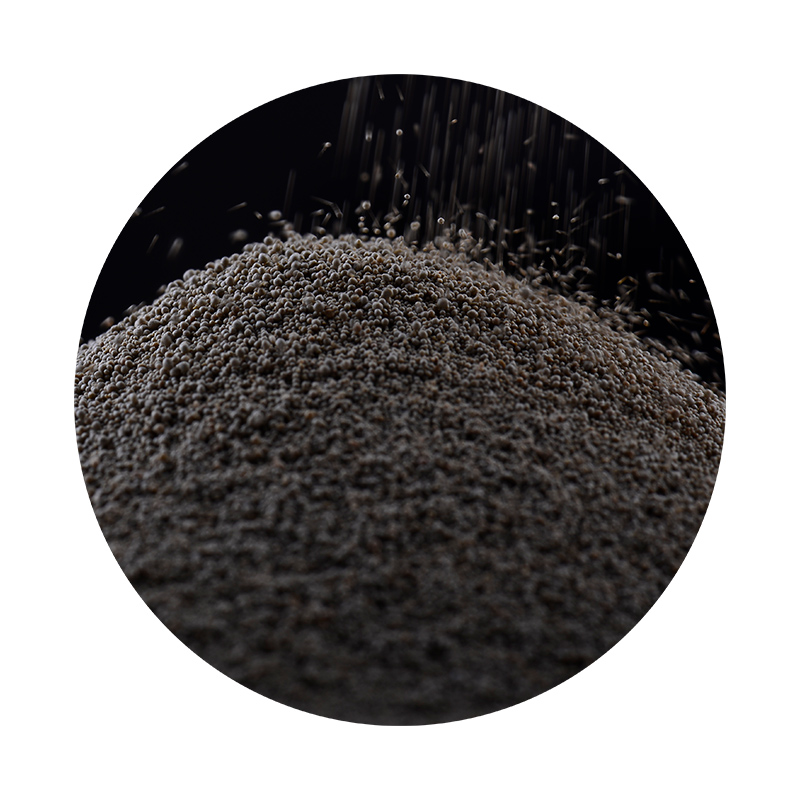
(foundry sand types)
FAQS on foundry sand types
Q: What are the main foundry sand types?
A: The main foundry sand types are silica sand, olivine sand, chromite sand, and zircon sand. These sands are chosen based on their properties and application requirements. Each type offers different benefits in metal casting processes.
Q: What types of sand are commonly used in foundry operations?
A: The most commonly used types of sand in foundry are silica sand, olivine sand, and chromite sand. Silica sand is the most popular due to its availability and cost-effectiveness. Specialty sands are used for specific casting requirements.
Q: How do different types of foundry sand affect casting quality?
A: Different types of foundry sand influence surface finish, strength, and thermal stability of castings. For example, chromite sand handles higher temperatures better than silica sand. Choosing the right sand type is crucial for desired casting results.
Q: Why is silica sand the most used type in foundries?
A: Silica sand is preferred because it's abundant, affordable, and suitable for most metal casting processes. Its high melting point and fine grains provide good mold structure. However, it may not suit all alloys or detailed castings.
Q: Can you list the different types of foundry sand used worldwide?
A: The different types of foundry sand used worldwide include silica, olivine, chromite, zircon, and sometimes synthetic sands. Each type offers unique qualities for specific casting needs. Foundries choose sand types based on metal type and desired finish.
Next:High-Quality Foundry Casting Sand for Precision Stainless Steel Sand Casting Foundry Process