
Resin Coated Ceramic Sand: an insider’s look from the shop floor to the spec sheet
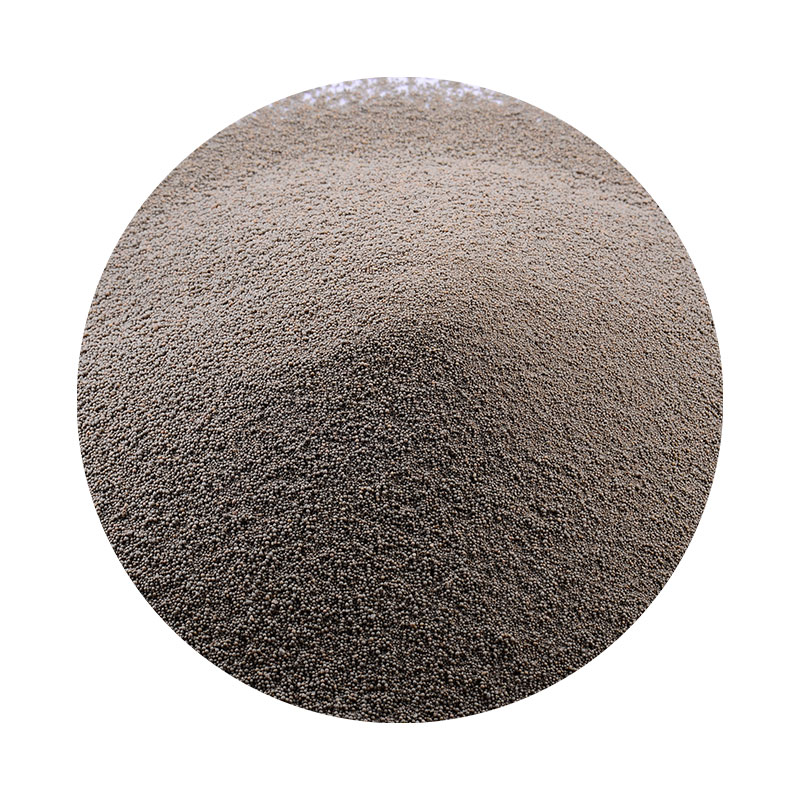
If you’ve spent time in a core room (I certainly have, too many late nights), you’ll know that resin coated sand isn’t just another commodity—it's the nervous system of shell molding and hot-box cores. SHXK’s Resin Coated Ceramic Sand, produced in Shanghai (No.669 of Xinmiao Sanlu, Xinqiao Town, Songjiang Dist), has been getting attention because it combines a spherical ceramic base with tight coating control. In practice, that means easier flow, fewer veining defects, and—honestly—less drama under heat.
Why it’s trending
The industry has been edging toward ceramic-based resin coated sand because of tighter tolerance demands, energy-sensitive curing cycles, and silica exposure rules. Many customers say they switched to reduce hot distortion and expand shell strength windows. Surprisingly, the biggest win I keep hearing is consistency: fewer “mystery shifts” batch-to-batch.
Typical product specs (real-world use may vary)
| Base material | Sintered ceramic (artificial, spherical) |
| Refractoriness | > 1800°C (≈) |
| Sphericity / Roundness | ≥ 0.90 (AFS visual comparators) |
| AFS fineness options | 45–80 AFS (custom cuts on request) |
| Thermal expansion @ 1000°C | ≈ 0.15% (low distortion) |
| Bulk density | 1.9–2.1 g/cm³ (AFS 5100) |
| Resin content | ≈ 2.5–4.0% (hot-coat phenolic, HMTA cure) |
| Loss on ignition (LOI) | ≤ 1.0% (AFS 1131) |
| Hot tensile (shell core, 180–230°C) | ≈ 2.5–3.5 MPa (process-dependent) |
How it’s made (short version)
Materials: spherical ceramic sand → preheat; then hot-coat with phenolic resin and curing agent (often HMTA); add release and flow additives; cool and classify. Methods align with warm/hot coating lines. Testing: sieve analysis (ASTM E11 / AFS 1105), LOI (AFS 1131), bulk density (AFS 5100), flowability, shell tensile. Service life: typically single-use in cores, but thermal reclamation can yield 3–5 cycles depending on burn-on and metal type. Industries: automotive iron/steel castings, pump/valve bodies, mining wear parts, stainless steel impellers—anywhere veining is a deal-breaker.

Applications and advantages
- Shell molding and hot-box cores for thin-wall iron and steel—lower scrap from veining and burn-on.
- Better gas evolution control than conventional silica-based resin coated sand.
- Smooth surface finish thanks to sphericity; less binder to hit the same tensile (in many cases).
- Stable under rapid thermal cycling; friendlier process window for core shooters.
Vendor snapshot (indicative)
| Vendor | Base Sand | Key Strength | Lead Time |
|---|---|---|---|
| SHXK (Sinoceram) | Ceramic, spherical | Low expansion; tight AFS control | ≈ 2–4 weeks ex-Asia |
| Regional RCS Supplier A | Silica/quartz | Cost-effective for general cores | 1–2 weeks domestic |
| Specialty Alloy RCS B | Ceramic blend | High-temp stainless tooling | 3–5 weeks |
Customization
AFS cuts (45/55/65/70/80), resin percentage tuning for specific shot times, and additive packages (release, anti-caking) are typical. Certification-wise, look for ISO 9001, ISO 14001, and material declarations aligned with REACH/RoHS upon request.
Case notes from the field
A mid-size pump foundry swapped to ceramic-based resin coated sand on 60 AFS. After a 3-week line trial, hot tears dropped by ≈ 35%, veining defects by ≈ 42%, and binder dosage was trimmed ~8% while holding 3.0 MPa hot tensile at 200°C. Operators mentioned smoother shooting and faster strip; I guess the sphericity really pays off. One caveat: dialing in preheat and plate temperature took a few days—don’t skip that ramp.
Testing checklist
- Sieve curve per ASTM E11 / AFS 1105
- LOI per AFS 1131; target ≤ 1.0%
- Bulk density per AFS 5100
- Shell core tensile at process temperature; document cure time/plate temp
- Gas evolution vs. casting alloy (track porosity risk)
Notes: Data above are typical values; onsite results depend on core shooter condition, humidity, and alloy heat input. Always verify with pre-production trials.
References
- ASTM E11 – Standard Specification for Woven Wire Test Sieve Cloth and Test Sieves.
- AFS Mold & Core Test Handbook (AFS 1105, 1131, 5100 and related procedures).
- ISO 9001 and ISO 14001 – Quality and Environmental Management Systems (general certification frameworks).
- OSHA Respirable Crystalline Silica Standard (29 CFR 1910.1053/1926.1153) – background on silica exposure controls.
Next:Sanding Glazed Ceramics: Pro Tools & Chip-Free Results