
A Practical Insider’s Guide to Sanding Glazed Ceramics with Ceramic Sand Powder
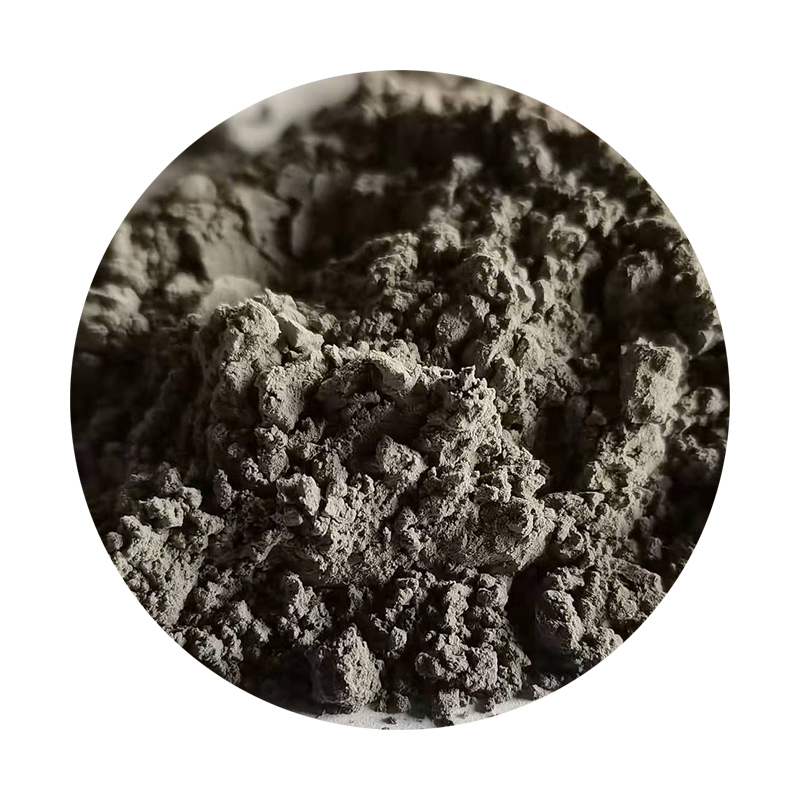
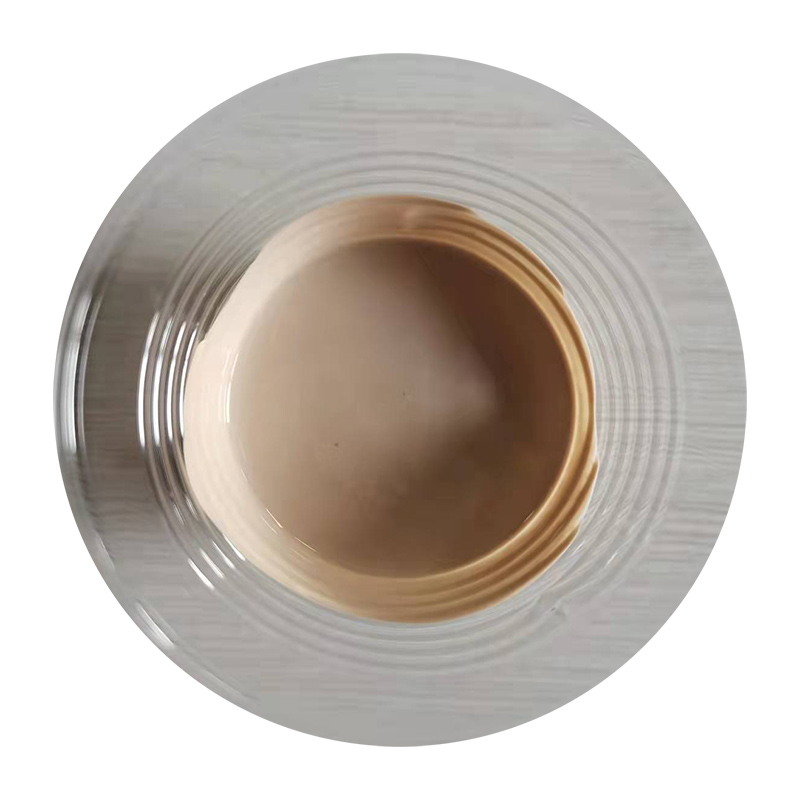
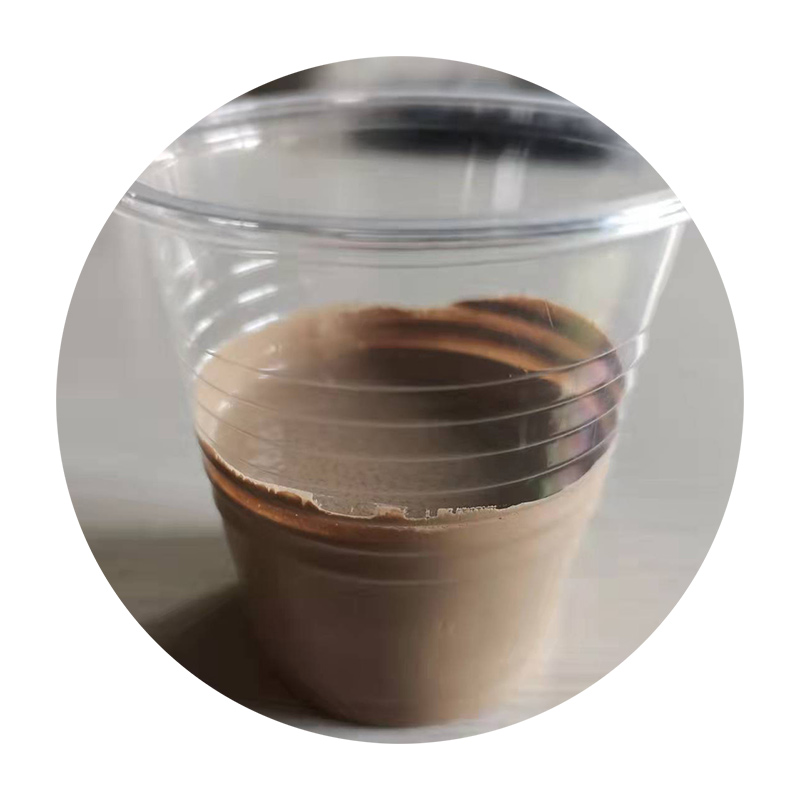
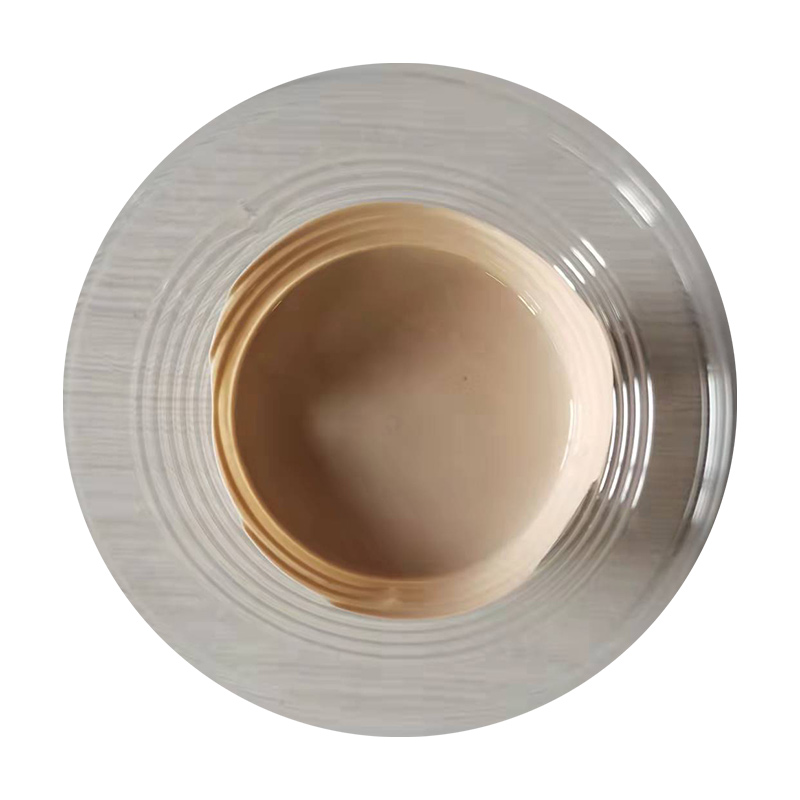
If you work with tiles, sanitaryware, or studio ceramics, you’ve probably wrestled with the paradox of finishing glossy surfaces without shattering them. I’ve been in and out of factories and craft studios long enough to say: the most controlled way to approach sanding glazed ceramics today is a purpose-made, low-silica, ceramic-based powder slurry. The one drawing attention lately is Kaist Ceramic Foundry Sand Powder from Shanghai—super fine (below 200 mesh), heat-proof, and surprisingly consistent.
Why this matters (and current trends)
Two trends stand out. First, stricter silica exposure rules push shops away from traditional silica flour. Second, the market wants repeatable Ra targets on glossy glazes—especially for bonding primers, anti-slip micro-textures, or repair touch-ups. Ceramic powder with low free silica addresses both. To be honest, it’s also easier to clean and re-cycle in wet sanding rigs.
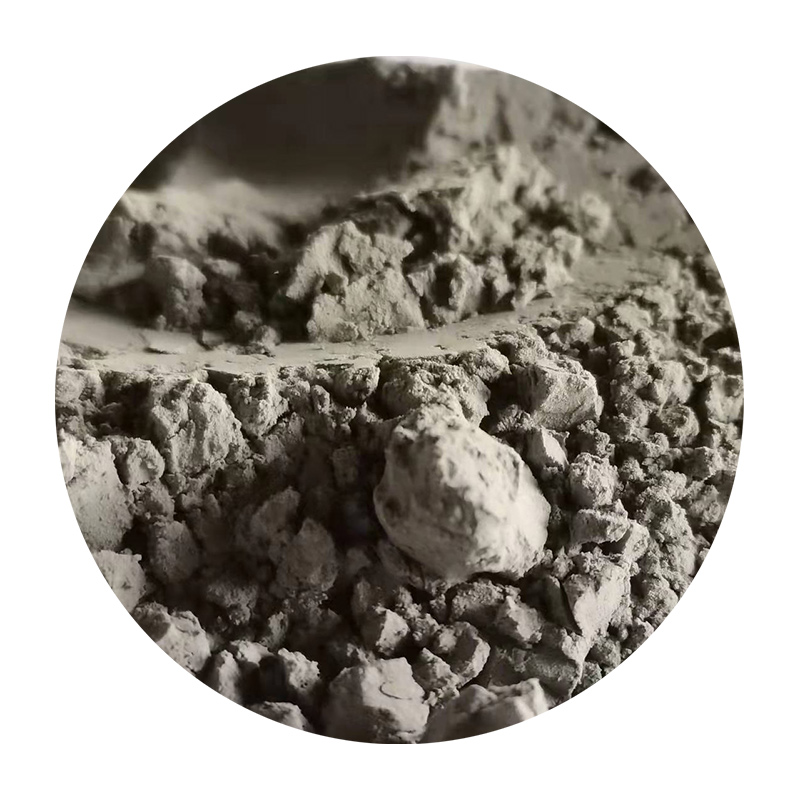
Product snapshot: Ceramic Sand Powder (Kaist)
Origin: No.669 of Xinmiao Sanlu, Xinqiao Town, Songjiang Dist, Shanghai. It’s a sintered alumina–mullite ceramic flour, finer than 0.075 mm, typically used when you need high refractoriness plus a gentle, predictable cut on glaze.
| Spec | Typical value | Notes |
|---|---|---|
| Particle size | <0.075 mm; D50 ≈ 38–50 µm | Laser PSD per ISO 13320; real-world may vary |
| Composition | Alumina–mullite, free silica <1% | Safer vs. silica flour, see OSHA notes |
| Hardness | Mohs 7.5–8 | Controlled, non-aggressive cut on glaze |
| Refractoriness | ≥1700 °C | Stable in hot-shop processes |
| Bulk density | ≈2.0 g/cm³ | Helps settle predictably in slurries |
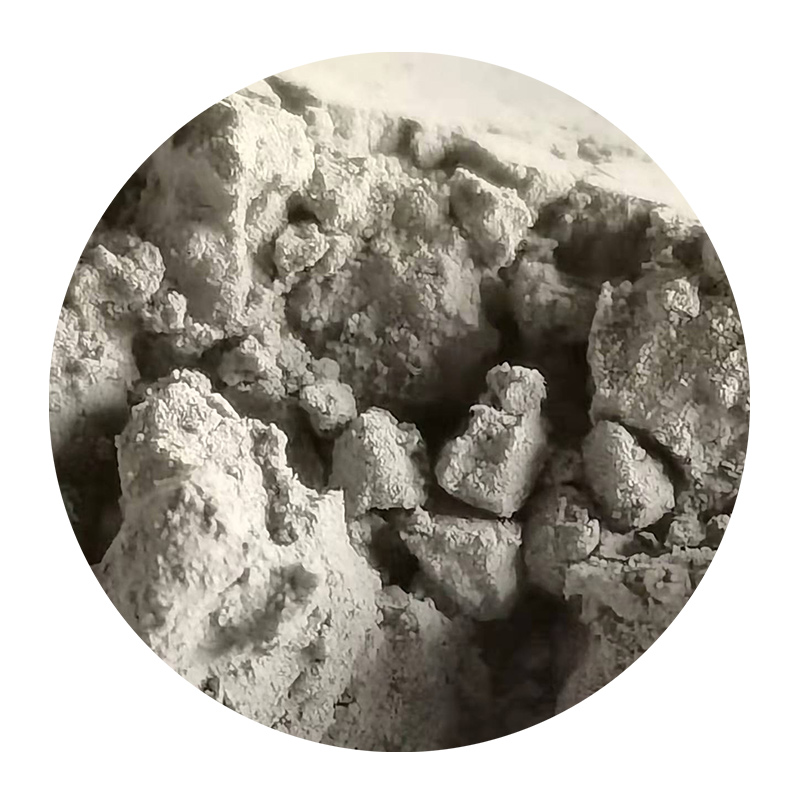
Process flow for sanding glazed ceramics
- Materials: Ceramic sand powder, clean water (or water + 0.1–0.3% surfactant), soft pads, felt, or fine-abrasive lapping plates.
- Method: Wet-sand in circular passes, low pressure. Start with slurry 10–20% solids by weight; adjust to feel, honestly.
- Testing: PSD by ISO 13320; chemistry by ISO 11127 series; glaze water absorption (ASTM C373) to confirm integrity; surface roughness per ISO 4287.
- Service life: ≈8–15 wet cycles in closed systems; 5–8 in open pans, depending on glaze hardness.
- Industries: Architectural tile, sanitaryware QA, art restoration, boutique tableware, R&D labs.
- Safety: Prefer wet methods; respirator if dusting; align with OSHA silica rule even though free silica is low.
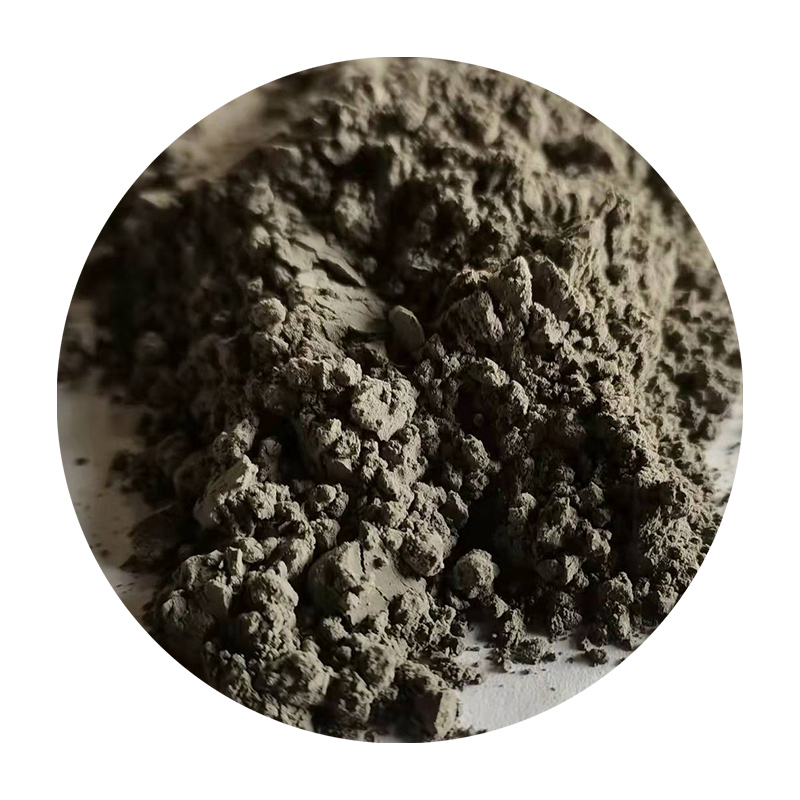
Vendor comparison (real-world purchasing notes)
| Vendor | Base | Free Silica | Reuse cycles | Certs | Price/ton ≈ | Lead time | Custom sizes |
|---|---|---|---|---|---|---|---|
| Kaist Ceramic Sand Powder | Alumina–mullite | <1% | 8–15 | ISO 9001, REACH, RoHS | $380–520 | 7–14 days | Yes |
| Generic Alumina Powder | Corundum | <0.5% | 6–10 | Varies | $450–700 | 10–20 days | Limited |
| Silica Flour Vendor | Silica | >90% | 1–3 | Few | $90–150 | 3–5 days | Yes |
Use cases and feedback
- Tile makers key glossy surfaces before overprint or decal. Many customers say they hit Ra 0.25–0.40 µm reliably without gray haze. - Restoration teams micro-degloss high spots on antique glaze; the gentler cut minimizes “chatter.” - Sanitaryware QA removes pinhole burrs prior to clear overcoat. It seems that sanding glazed ceramics goes smoother with wet pads and short dwell times.
Case study: boutique tile line
A European boutique tile brand switched to ceramic powder for sanding glazed ceramics prior to a silk-screen overglaze. With a 15% solids slurry and felt pad, average Ra moved from 0.65 µm to 0.28 µm (ISO 4287), overspray adhesion improved, and micro-cracking complaints fell ≈30% over three months. They recycled the slurry 10 times before clarity dropped.
Customization and QC
Custom cuts (e.g., tighter D50), treated surfaces for slower settling, or pH-tuned slurries are available. For QC, ask for ISO 9001 certificate, PSD reports (ISO 13320), soluble salt and conductivity tests (ISO 11127), and water absorption checks on sacrificial tiles (ASTM C373). Honestly, even a quick tape-adhesion + crosshatch before and after treatment tells you a lot.
References
- ISO 13320: Particle size analysis — Laser diffraction methods.
- ISO 11126/11127: Preparation of steel substrates — Non-metallic abrasives (test methods applicable to chemistry/contaminants).
- ASTM C373: Standard Test Method for Water Absorption, Bulk Density, Apparent Porosity of Ceramic Whiteware and Related Products.
- ISO 4287: Geometrical Product Specifications (GPS) — Surface texture: Profile method — Terms, definitions, and surface texture parameters.
- OSHA 29 CFR 1926.1153: Respirable Crystalline Silica Standard.
Next:Ceramsite & Cerabeads Sand: Lightweight, High Strength Media