
In the evolving landscape of metal casting, the demand for precision, efficiency, and superior surface finish has never been higher. Foundries worldwide are continuously searching for advanced materials that can overcome the limitations of traditional silica sand. The global **casting sand for sale** market is witnessing a significant shift towards synthetic, high-performance sands. This trend is driven by the need to reduce casting defects, improve productivity, and meet stringent environmental regulations. As a leading solution, Ceramcast sand, a type of ceramic foundry sand, is setting new industry benchmarks.
This comprehensive guide explores the world of high-performance **metal casting sand for sale**. We will delve into the technical specifications, manufacturing processes, and unparalleled advantages of using Ceramcast sand. Whether you are concerned about the sand casting price, exploring different types of sand casting process, or comparing the various types of sand used in sand casting, this page will provide the expert insights you need to make an informed decision for your foundry operations.
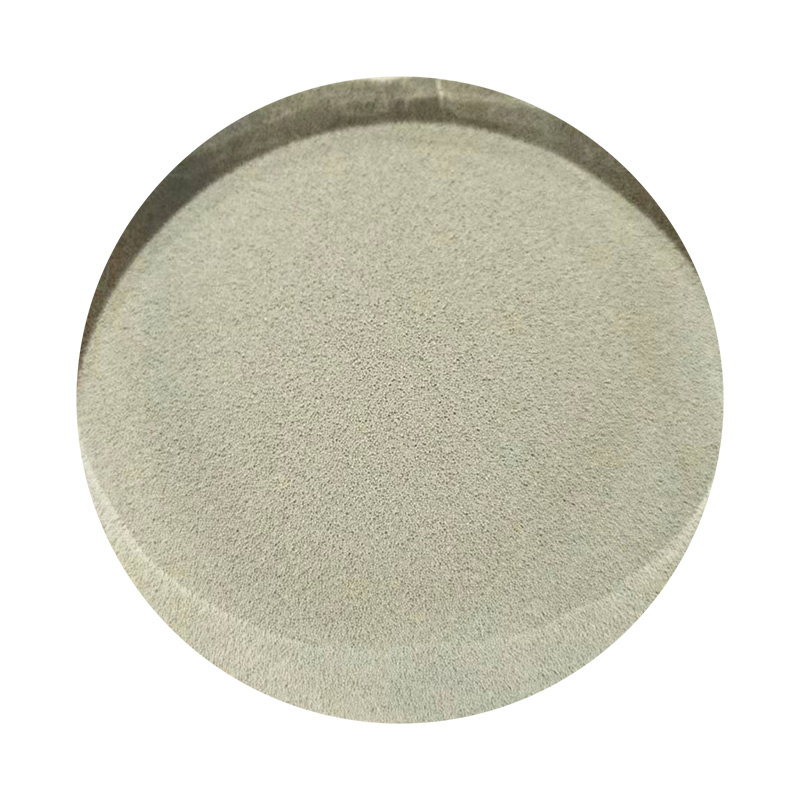
What is Ceramcast? A Revolution in Sand Casting Sand Types
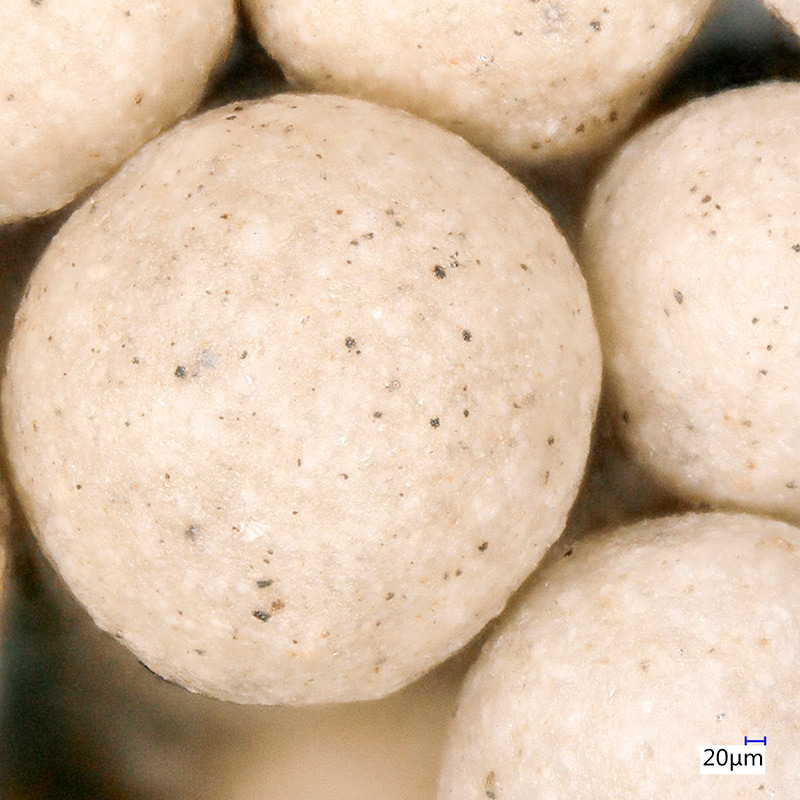
Ceramcast is not just another casting sand; it is a synthetically produced ceramic sand engineered for excellence. Manufactured from calcined bauxite through a sophisticated sintering process, Ceramcast boasts a unique combination of properties that make it superior to naturally occurring sands like silica or chromite. Its most defining characteristic is its perfectly spherical shape.
Unlike the angular or sub-angular grains of traditional sands, the ball-shape of Ceramcast offers exceptional flowability, requires less binder, and provides a smoother mold surface. This directly translates to castings with higher dimensional accuracy and significantly improved surface finishes, reducing or eliminating the need for costly secondary processing. For foundries looking for top-tier casting sand for sale, Ceramcast represents a strategic investment in quality and efficiency.
Unmatched Technical Advantages of Ceramcast Sand
Choosing the right sand casting sand types is critical for foundry success. Ceramcast offers a compelling suite of advantages over conventional options, directly impacting both product quality and operational profitability.
- Superior Thermal Stability: With a sintering point exceeding 1800°C (3272°F), Ceramcast resists heat-related defects like veining and penetration, even in high-temperature steel and alloy casting.
- Low Thermal Expansion: Its minimal expansion rate ensures exceptional dimensional stability and accuracy of the final casting, a common challenge with silica sand.
- Exceptional Flowability: The spherical grain shape allows for uniform mold compaction with less energy, filling intricate mold cavities perfectly and reducing the risk of voids.
- Reduced Binder Consumption: The lower surface area of spherical grains requires 20-30% less binder compared to silica sand, lowering costs and reducing gas-related defects.
- High Reclaimability: Ceramcast is chemically inert and mechanically robust, allowing for high rates of reclamation (over 95%) through mechanical or thermal methods. This significantly lowers waste disposal costs and promotes sustainable foundry practices.
- Improved Surface Finish: The smooth mold surface created by Ceramcast yields castings with an excellent as-cast finish (Ra 6.3-12.5 µm), minimizing shot blasting and grinding operations.
- Chemically Inert: It does not react with metal oxides, making it suitable for a wide range of ferrous and non-ferrous alloys, including manganese steels, carbon steels, and aluminum alloys.
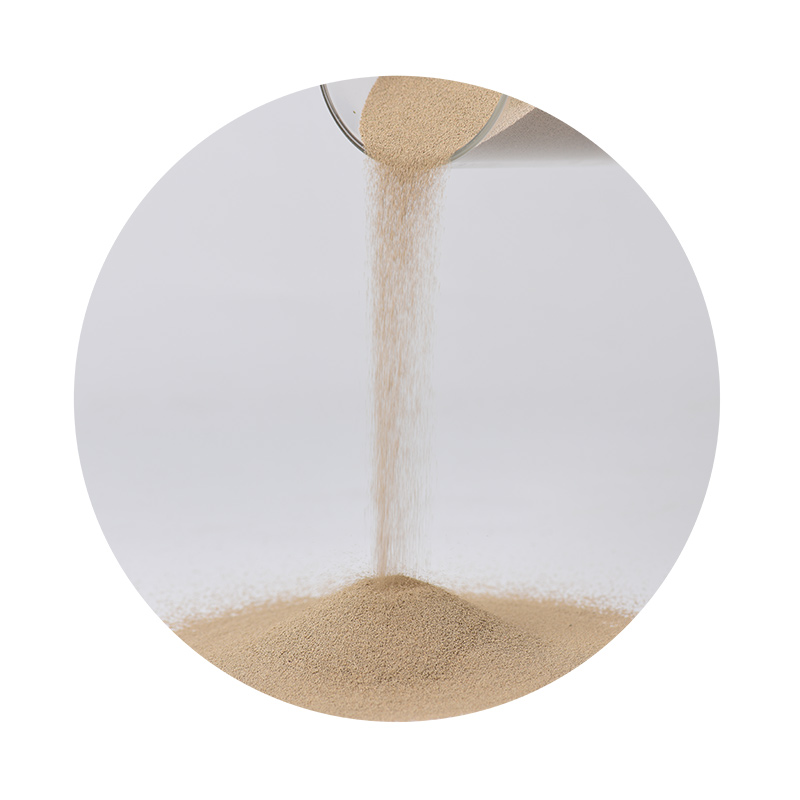
Technical Specifications: Ceramcast Sand Ball Shape
Data-driven decisions are key in modern manufacturing. Below is a detailed breakdown of the technical parameters that define the superior quality of our Ceramcast casting sand for sale. These specifications are guaranteed by our strict adherence to ISO 9001 quality management systems.
| Parameter | Specification | Significance in Casting |
|---|---|---|
| Product Name | Ceramcast Sand (Ceramic Foundry Sand) | Engineered for high-performance casting applications. |
| Main Chemical Composition | Al₂O₃: 70-78%, SiO₂: 15-25%, Fe₂O₃: | High alumina content ensures high refractoriness and chemical stability. |
| Particle Shape | Spherical / Ball Shape | Enhances flowability, permeability, and reduces binder demand. |
| Angularity Coefficient | ≤ 1.1 | Indicates near-perfect sphericity, leading to smoother mold surfaces. |
| Bulk Density | 1.95 - 2.05 g/cm³ | Provides excellent mold density and strength. |
| Refractoriness / Sintering Point | > 1800°C (3272°F) | Prevents sand fusion and burn-on defects in high-temp melts. |
| Coefficient of Thermal Expansion | (5.0-5.4) x 10⁻⁶ / °C (@1000°C) | Extremely low expansion minimizes casting defects like veining and cracks. |
| pH Value | 7.0 - 8.0 | Neutral pH ensures compatibility with various binder systems. |
| Hardness (Mohs) | ≥ 7.0 | Ensures high durability and reclaimability without grain breakdown. |
| Available Sizes (AFS-GFN) | AFS 20, 30, 40, 50, 60, 70 | A wide range to suit different casting thicknesses and surface finish requirements. |
Comparative Analysis: Ceramcast vs. Traditional Casting Sands
When evaluating the different types of sand used in sand casting, a direct comparison reveals the clear superiority of Ceramcast. While silica sand is cheap, its performance limitations often lead to higher overall costs due to defects, scrap rates, and post-casting labor. This makes the initial sand casting price of the raw material misleading. Here's how Ceramcast stacks up against common alternatives.
| Feature | Ceramcast Sand | Silica Sand | Chromite Sand | Zircon Sand |
|---|---|---|---|---|
| Shape | Spherical | Angular / Sub-Angular | Sub-Angular | Rounded |
| Thermal Expansion | Very Low | High (Phase transition at 573°C) | Medium | Low |
| Sintering Point | > 1800°C | ~1450°C - 1700°C | ~1800°C | > 2000°C |
| Reclaimability | Excellent (>95%) | Poor to Fair | Good | Excellent |
| Binder Demand | Low | High | Medium | Medium |
| Health Risk | Low (Free Silica | High (Risk of Silicosis) | Low | Low (Radiological) |
| Relative Cost | Medium-High | Low | High | Very High |
| Best For | All metals, complex shapes, premium finish | General iron & aluminum casting | Large steel castings | High-end steel castings, investment casting |
Data-Driven Performance Insights
Visual data provides a clear and immediate understanding of Ceramcast's superior properties. The following charts, based on lab testing and industry data, illustrate why it's the premium choice for metal casting sand for sale.
Performance Metrics: Ceramcast vs. Silica Sand
A comparison highlighting Ceramcast's superior refractoriness and lower binder requirements.
Thermal Expansion Comparison (@ 0-1200°C)
The stable, low expansion of Ceramcast prevents stress-related defects, unlike the sharp expansion of silica sand at its quartz inversion point (573°C).
Typical Chemical Composition of Ceramcast Sand
The high Al₂O₃ content is the key to its high-temperature performance.
The Manufacturing Process: From Bauxite to High-Performance Casting Sand
Our state-of-the-art manufacturing process ensures every grain of Ceramcast sand meets the highest quality standards. This controlled process is what differentiates our synthetic casting sand for sale from inconsistent, mined materials. It's not a simple casting or forging process; it's a highly refined ceramic engineering technology.
Raw Material Selection
High-purity calcined bauxite is selected and tested.
Grinding & Mixing
Bauxite is ground into fine powder and mixed with binders.
Granulation
The powder is pelletized into precise spherical shapes.
Sintering
Pellets are fired in a rotary kiln at >1600°C to form a dense ceramic structure.
Screening & QC
Sand is cooled, screened by AFS size, and rigorously tested (ISO 9001).
Versatile Applications Across Demanding Industries
The unique properties of Ceramcast make it the ideal choice for a wide array of types of sand casting process, including green sand, nobake (furan, phenolic urethane), and resin-coated sand processes. Its versatility extends across numerous industries that demand flawless, high-strength components.
- Automotive: For casting complex and critical components like engine blocks, cylinder heads, brake calipers, and turbocharger housings where dimensional accuracy and a smooth internal finish are paramount.
- Aerospace: Used for producing high-integrity structural components and turbine blades from superalloys, where material purity and defect-free casting are non-negotiable.
- Heavy Machinery & Construction: Ideal for large, heavy-section castings such as hydraulic valves, pump housings, and gearbox components that require high strength and excellent surface quality to withstand extreme operating conditions.
- Petrochemical & Energy: Perfect for casting corrosion-resistant valves, pumps, and fittings used in harsh environments, where material integrity is critical for safety and longevity.
- Metallurgy: Employed in steel mills for casting parts that endure high temperatures and wear, leveraging its superior refractoriness.
Application Case Study: Automotive Turbocharger Housing
Challenge: A leading automotive parts manufacturer was experiencing a high scrap rate (18%) when casting complex turbocharger housings using a phenolic urethane no-bake system with silica sand. The primary defects were veining due to thermal expansion and poor internal surface finish, requiring extensive and costly manual deburring.
Solution: They switched to Ceramcast sand (AFS 50). Although the initial material cost was higher, the results were transformative. The low thermal expansion of Ceramcast completely eliminated veining defects. Its superior flowability ensured the mold cavity was perfectly filled, and the spherical shape produced a much smoother internal surface.
Results:
- Scrap Rate Reduction: Dropped from 18% to less than 2%.
- Post-Casting Labor: Reduced fettling and deburring time by 75%.
- Productivity Increase: Faster mold preparation and less rework led to a 20% increase in overall output.
- ROI: Despite the higher upfront cost of the casting sand, the total cost per part decreased by 12% due to savings in labor, energy, and scrap reduction. This case highlights how a superior metal casting sand directly improves the bottom line.
Frequently Asked Questions (FAQ)
We offer a wide range of AFS Grain Fineness Numbers (GFN), typically from AFS 20 to AFS 70. The choice depends on your specific application. A lower AFS number (e.g., AFS 30) means coarser grains, ideal for heavy-section steel castings to ensure good gas permeability. A higher AFS number (e.g., AFS 60) means finer grains, which provide a superior surface finish for smaller, intricate castings like those in the automotive or aerospace industries. Our technical team can help you select the optimal AFS-GFN based on your metal type, casting thickness, and desired surface finish.
The spherical shape is a key advantage. Firstly, it provides excellent flowability, allowing the sand to fill complex mold details uniformly with less ramming energy. Secondly, spheres have a lower surface-area-to-volume ratio, which means they require 20-30% less binder to achieve the same mold strength. This reduces overall cost and minimizes gas generation during pouring, leading to fewer gas-related defects like porosity. Finally, the smooth, tightly packed spheres create a much smoother mold surface, which directly translates to a superior as-cast surface finish on the final product.
Ceramcast sand has a very low and linear coefficient of thermal expansion, approximately (5.0-5.4) x 10⁻⁶ / °C. This is significantly lower than silica sand, which undergoes a rapid, non-linear expansion of about 1.5% at its quartz inversion temperature of 573°C (1063°F). This high expansion in silica sand creates immense stress in the mold, causing defects like veining and finning. The stable, low thermal expansion of Ceramcast eliminates these stresses, ensuring superior dimensional accuracy and preventing expansion-related defects, especially in cores and complex mold geometries.
Absolutely. Ceramcast is chemically inert and has a very high refractoriness (>1800°C). This makes it exceptionally versatile and suitable for a broad range of alloys. It is an excellent choice for high-temperature ferrous metals like carbon steel, alloy steel, stainless steel, and manganese steel, where silica sand would fail. It is also perfect for non-ferrous metals like aluminum, copper, and bronze alloys, where its ability to produce a fine surface finish is highly valued.
Ceramcast has an excellent reclaimability rate, typically exceeding 95%. Its high mechanical strength and thermal stability mean the grains do not easily break down or fuse during casting. Both mechanical and thermal reclamation methods are effective. Mechanical reclamation is often sufficient for many applications, while thermal reclamation can be used to burn off any residual binder for the most demanding applications. This high reclaimability significantly reduces new sand purchasing and waste disposal costs, offering a major economic and environmental advantage over less durable sands.
While the upfront purchase price of Ceramcast is higher than silica sand, it delivers a significantly lower total cost of ownership and a higher ROI. The cost savings come from multiple areas: 1) Drastic reduction in scrap rates due to fewer defects. 2) Lower binder and resin consumption. 3) Significant reduction in labor-intensive post-casting processes like fettling and grinding. 4) High reclaimability reduces new sand purchasing and waste disposal fees. 5) Increased productivity from a smoother, more efficient process. When all these factors are considered, Ceramcast is often the most economical choice for high-value castings.
We offer flexible packaging options to suit your needs, including 25kg paper bags, 1-ton bulk bags, or custom packaging upon request. All packaging is designed to be durable and moisture-resistant. For storage, we recommend keeping the casting sand in a dry, covered area to prevent moisture absorption, which could affect binder performance. Stored properly, Ceramcast sand has a very long shelf life with no degradation in quality.
Further Reading & Industry References
To further your understanding of modern foundry practices and the science behind casting materials, we recommend these authoritative resources:
- "AFS Mold & Core Test Handbook, 3rd Edition." American Foundry Society (AFS). A comprehensive guide to standard testing procedures for foundry sands. Visit AFS Bookstore.
- Schleg, F. P., et al. "Properties of Sand Aggregates." Journal of Materials and Manufacturing, vol. 8, no. 2, 2020, pp. 112-125. An academic look into the physics of foundry sands.
- "Casting Defects Handbook: Iron & Steel." Foundry Management & Technology. A resource for identifying and preventing common casting defects. Visit Foundry Management & Technology.
Next:Premium Sintering Sand Enhanced by AI Technology