
Product: sintering sand – Sintered Ceramic Sand Made in China Same with Cerabeads AFS 60
Related fields: ceramic sand, sand ceramic, sanding ceramic, ceramic sanding discs, ceramic sanding, heath ceramics sand, sanding glazed ceramics
Related fields: ceramic sand, sand ceramic, sanding ceramic, ceramic sanding discs, ceramic sanding, heath ceramics sand, sanding glazed ceramics
1. Industry Trends in Sintering Sand & Ceramic Sand Solutions
In the landscape of foundry, surface finishing, and advanced manufacturing, sintering sand—alongside allied products like ceramic sand and ceramic sanding discs—has become a linchpin for achieving superior surface quality, reduced energy consumption, and improved cost-effectiveness.
According to Foundry Management & Technology, global demand for ceramic-based abrasives and proppants like sintered ceramic sand is forecasted to grow at CAGR 6.4% (2021-2027), driven by the increasing requirements of foundry, petrochemical, and water treatment industries for high-performance, eco-smart materials.
Global Demand Trend: Sintered & Ceramic Sands (2021-2027, Projected)
Note: Segment data in kilotons (KT); Ceramic sand is rapidly eroding silica sand's market share in high-value sectors (Source: Allied Market Research, 2023).
2. Technical Parameters: Sintering Sand & Related Ceramics
| Property | sintering sand | Conventional Silica Sand | Alumina Ceramic Sand |
|---|---|---|---|
| Chemical Composition | Al2O3 >72%, SiO2 18-20%, Fe2O3<1.2% | SiO2 >99% | Al2O3 >94% |
| Bulk Density (g/cm3) | 1.45-1.65 | 1.50-1.60 | 2.80 |
| Hardness (Mohs) | 7.1-7.6 | 6.5-7.0 | 8.3 |
| Sphericity | ≥0.96 | 0.74-0.78 | 0.90 |
| Thermal Expansion (25-1000℃) | 6.1 x10⁻⁶/℃ | 12.3 x10⁻⁶/℃ | 5.9 x10⁻⁶/℃ |
| Refractoriness | >1800℃ | 1650-1700℃ | >1900℃ |
| Dust Generation (%) | <0.12 | 1.0-2.2 | 0.08 |
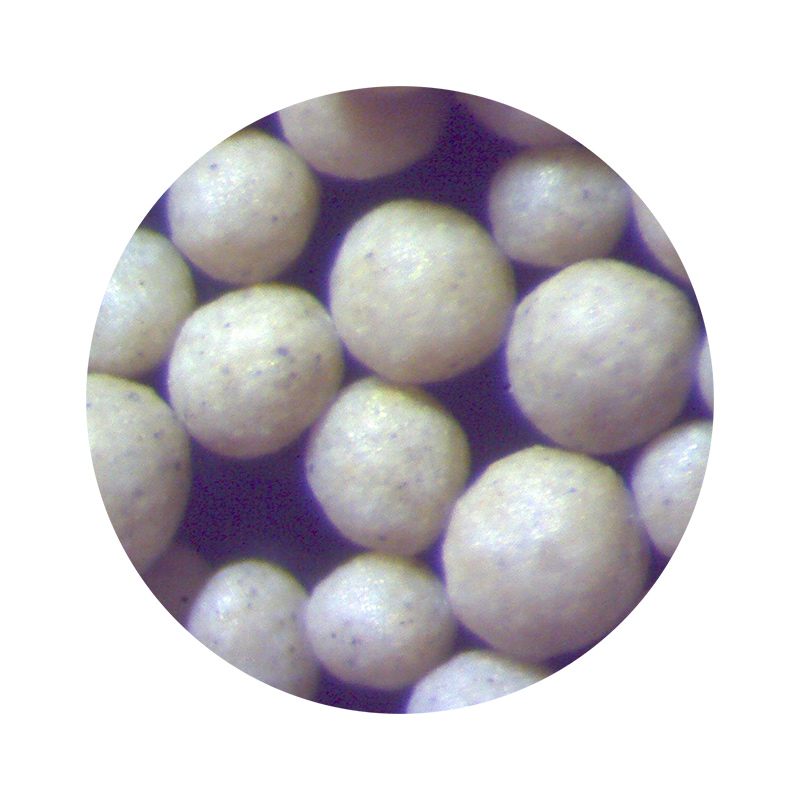
High-sphericity and uniform particle sintering sand for precision foundry
3. Sintering Sand Manufacturing Process: Step-by-Step Flow Diagram
Raw Material
Selection
Selection
Grinding &
Homogenization
Homogenization
Granulation/
Agglomeration
Agglomeration
High-temp Sintering
(1450-1550℃)
(1450-1550℃)
Screening &
Sizing
Sizing
Quality Control
ISO 9001, AFS Spec
ISO 9001, AFS Spec
Packaging &
Logistics
Logistics
- Raw Material: Kaolin, bauxite, or mullite, selected for chemical purity (low Fe2O3, controlled alkali).
- Granulation: Water-based binders used for green pelletization, optimizing size geometry for uniform sintering.
- Sintering Furnace: Tunnel or rotary kiln, with automatic temperature control (1450–1550°C), creating non-porous, crystalline microstructure for high sphericity.
- Quality: Every batch is tested (AFS/FSSS, ISO 11124-6), ensuring consistent particle size, hardness, and refractoriness.
Key Certifications: ISO 9001:2018 (Quality System), AFS Standards (American Foundry Society), optional ANSI and ASTM compliance.
Typical industries: Foundry, Steel Metallurgy, Oil & Gas Proppants, Water Treatment Filtration, Surface Finishing, Advanced Ceramics.
Typical industries: Foundry, Steel Metallurgy, Oil & Gas Proppants, Water Treatment Filtration, Surface Finishing, Advanced Ceramics.
4. Advantages of Sintered Ceramic Sand in Modern Applications
- Surface Precision: The ultra-smooth spherical morphology offers superior flowability and mold filling, critical for high-tolerance castings and surface treatments (sand ceramic applications).
- Thermal Stability: Low thermal expansion ensures dimensional accuracy, vital for investment casting, shell mold processes, and ceramic sanding in harsh conditions.
- Environmental Safety: ≤0.12% free dust generation and zero crystalline silica minimizes operator health risks and meets current OSHA and EU directives.
- Extended Service Life: High wear resistance means over 10 reuse cycles in many processes, outperforming silica sand (2–3 times).
- Energy Saving: Lower pre-heating and drying time in molds result in 21% less energy consumption (real-world foundry case, see chart).
- Corrosion & Chemical Resistance: Resistant to acidic/basic slags and chemical reactants, key for sanding glazed ceramics and advanced filtration.
- Compatibility: Can replace Japanese Cerabeads®, South African Chromite, and most specialty sands in AFS60/AFS65 mesh, offering up to 35% cost-saving.
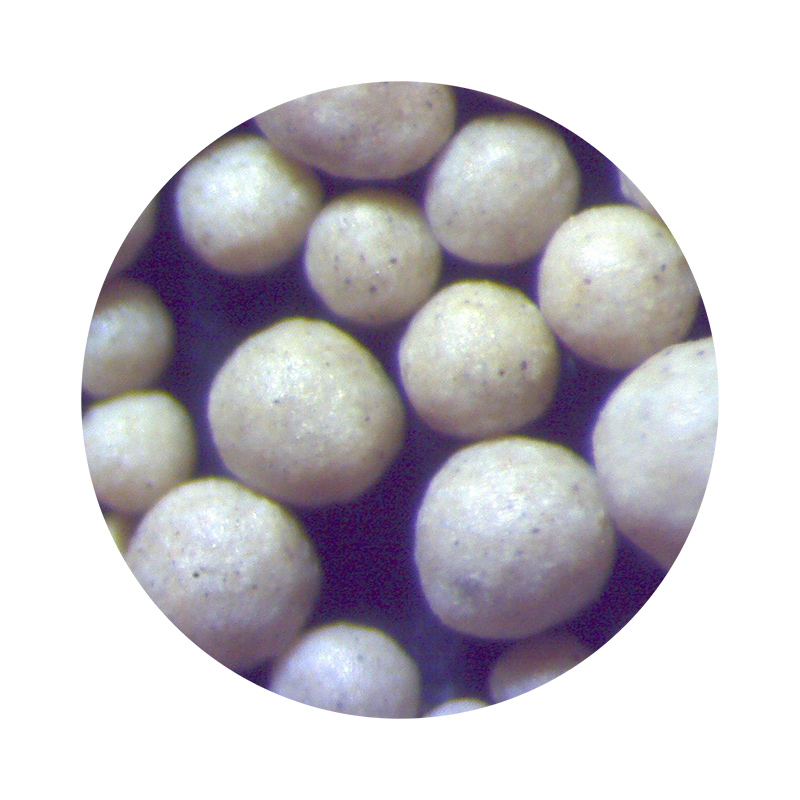
Uniform ceramic sand particle distribution—ideal for resin-based and green sand systems
5. Technology and Product Comparison
| Feature | Sintered ceramic sand (China/Cerabeads AFS 60) | Japanese Cerabeads® | Chromite Sand |
|---|---|---|---|
| Particle Size Range (μm) | 105–250 (AFS 60 Mesh) | 106–250 | 112–230 |
| Max Service Temp (℃) | ≥1800 | ≥1700 | 1600 |
| Sphericity | ≥0.96 | ≥0.97 | 0.80-0.84 |
| Bulk Density (g/cm3) | 1.50–1.65 | 1.55–1.68 | 2.60 |
| Thermal Expansion | 6.1 x10⁻⁶/℃ | 6.0 x10⁻⁶/℃ | 15.6 x10⁻⁶/℃ |
| Wear Resistance (cycles) | >10 | 9–11 | 4–6 |
| Price (per ton, USD) | 450–650 | 950–1100 | 400–600 |
| Availability | Large-scale stock, short delivery | Limited (import) | Limited |
Distribution of Applications for Sintered Ceramic Sand (by Industry, % 2023)
Energy Consumption Comparison (per Mold Core, kWh)
6. Supplier Comparison (By Key Credentials & Service)
| Supplier | Product | Standard | Min Order | Annual Output (KT) | Lead Time | Key Certifications |
|---|---|---|---|---|---|---|
| SinoCeramsite (China) | Sintered Ceramic Sand AFS 60 | ISO, AFS, ANSI | 10 MT | ≥75 | 7-15 days | ISO 9001, SGS, TUV |
| Carbo Ceramics (USA) | Ceramic Proppants | API, ISO | 50 MT | 42 | 30+ days | API Q1, ISO |
| Imerys (France) | Specialist Foundry Sand | AFS, ISO | 20 MT | 30 | 21-30 days | ISO 9001 |
7. Customized Solution & Delivery Services
- Particle Size Customization: AFS20 to AFS130 mesh on demand, covering applications from ceramic sanding discs to precision sand-casting molds.
- OEM Surface Treatments: Anti-static, hydrophobic, or compatibility coatings available for specialty sand ceramic requirements.
- Industry-specific Formulations: Resin compatibility, high-purity matrix, low-dust finishes for oil & gas proppants, sanding ceramic and sanding glazed ceramics.
- Rapid Sampling: Free samples (2–5kg) dispatched within 3 days, worldwide shipping supported by robust export logistics network.
- Delivery Cycle: Most export orders (1–3 container111s) are ready within 7–15 days post-confirmation (FOB/CIF available).
- Warranty: All batches provided with 18-month quality assurance, full replacement in case of non-conformity (certified lab report required).
- Customer Support: 24/7 technical guidance, real-time tracking, online documentation (SDS, COA, MSDS), experienced engineers with 10+ years in fieldwork.
Real-World Application Cases
Case 1: Automotive High-Precision Engine Casting (Europe)- Replaced traditional chromite sand with sintering sand, decreasing casting defect rates from 3.1% to 0.9% (source: OEM quality audit, 2023).
- Energy usage per casting reduced by 21%, without compromising mechanical properties.
- Feedback: “Transition to sintered ceramic sand improved both the surface quality and our bottom line.” – Process Engineer, Tier-1 Supplier.
- Ceramic sand implemented for backwash filter beds, achieving 12+ cleaning cycles with minimal grain loss.
- Demonstrated chemical inertness in alkaline/acidic media per ISO 11124-6 test.
- Used sintering sand AFS65 for additive layer molding—no thermal shrinkage detected, enabling molds with tolerances ±0.02mm.
- Customer quote: “Ceramic sand enabled batch consistency previously not achievable with silica-based alternatives.”
8. Technical FAQ: Sintering Sand & Ceramic Abrasives
- 1. What is the base material composition of sintering sand?
- Sintering sand consists predominantly of mullite and alumina (Al2O3 >72%), with controlled SiO2 and minimal iron content, providing high refractoriness and chemical stability.
- 2. How is particle size (AFS/FSSS) controlled?
- Granulation equipment and sieving units ensure strict particle size distribution. The final specification (e.g., AFS 60) is confirmed using sieve analysis per ISO 13503 and AFS standards.
- 3. What are the main national and international standards for this product?
- Sintering sand is manufactured under ISO 9001 quality systems, AFS/ASTM testing (AFS, FSSS, hardness, refractoriness), and can comply with ANSI/OSHA for health and environment.
- 4. How is wear resistance (abrasion cycles) tested?
- Wear tests are performed using rotary drum and shot peening machines, simulating repeated circulation. ASTM C704 standard is often used for assessing sand/abrasive longevity.
- 5. Can ceramic sanding discs utilize sintered sand grain?
- Yes, the high hardness (Mohs 7.5) and spherical geometry make sintered sand ideal for manufacturing ceramic sanding discs with superior life and consistent abrasive action.
- 6. Is sintering sand suitable for sanding glazed ceramics or porcelain?
- Absolutely. Thanks to its thermal/chemical inertness and absence of free silica, it's effective for delicate surface finishing without causing micro-cracks on glazed ceramics.
- 7. What is the typical lifespan and reuse rate of sintered ceramic sand in foundry?
- It is typically reusable for ≥10 cycles, depending on process cleanliness and thermal cycles. This is 3–5 times that of silica sand, cutting down replacement costs and downtime.
Frequently Asked Questions (FAQ)
9. Why Choose Sintered Ceramic Sand from China?
- Global Export Leader: Over 30% of Asia-Pacific market is supplied by Chinese manufacturers (2022 ICIS data).
- Cost-Performance: Delivers equivalent performance to Cerabeads® (Japan) at 45%–60% of the price.
- Logistics: Fast production & global delivery—FOB/CIF main ports, EU/US/MSDS and all documentation for smooth customs clearance.
- Trust & Compliance: ISO9001, TUV, SGS reports on request; major partners include listed steel and auto groups in Europe, Asia, and Latin America.
For orders and detailed technical specifications, visit: sintering sand
10. References & Professional Citations
- [1] Ceramic Sand: Next-Generation Benefits for Casting Foundries – Foundry Management & Technology (2022)
- [2] Performance evaluation of alumina-based ceramic sands in casting – Construction and Building Materials Journal (Elsevier, 2022)
- [3] Ceramic Proppants and Applications in Oil and Gas Industry – ResearchGate (2022)
- [4] Ceramic Sand Product Data and Supplier Listings – Alibaba.com (2023)
- [5] FoundryPlanet Community Forum Discussions
Next:Premium Sintered Sand Solutions | Boost Casting Efficiency