
Sintered sand and sand sintering are vital processes and materials shaping the modern casting and molding industry. This in-depth guide explores cutting-edge sintered sand technologies, analyzes technical specifications, unveils real application scenarios, and offers a comprehensive comparison of vendors and customizable solutions. Drawing on experimental data, industry certifications (ISO, ANSI), and global foundry feedback, we present the authoritative resource for engineers, procurement specialists, and foundry managers optimizing their sand systems.
| Type | Grain Size (μm) | Bulk Density (g/cm³) | Crushing Strength (MPa) | Thermal Conductivity (W/m·K) | Roundness (%) | ISO Standard | Max Temp (°C) |
|---|---|---|---|---|---|---|---|
| Sintered Ceramic Sand (Cold Core Box) | 90 – 400 | 1.49 – 1.65 | 80 – 115 | 0.35 – 0.52 | 93 – 98 | ISO 11127-6 | 1500 |
| Quartz Sand | 110 – 600 | 1.38 – 1.48 | 38 – 57 | 0.84 – 1.06 | 65 – 74 | ISO 325:2022 | 900 |
| Sintered Chromite Sand | 40 – 280 | 2.35 – 2.48 | 140 – 180 | 0.51 – 0.71 | 87 – 91 | ASTM E11 | 1750 |
| Fused Alumina Sand | 60 – 350 | 1.99 – 2.23 | 125 – 165 | 0.29 – 0.38 | 82 – 87 | EN 12457 | 1750 |
Industry Trend: The Evolution and Demand for Sintered Sand Technologies
In 2024, the adoption of sintered sand in foundry and casting sectors has accelerated, fueled by demand for higher casting precision, enhanced recyclability, and compliance with stricter environmental standards (Foundry Planet, 2023). According to World Foundry Organization statistics, over 48% of new foundries in Asia and Europe now employ sand sintering technologies in their core and mold production. The capacity to tailor sintered sand properties, such as particle size, shape, and chemical composition, enables end-users to optimize performance for each specific casting process—from high volume automotive engines to intricate petrochemical valve housings.
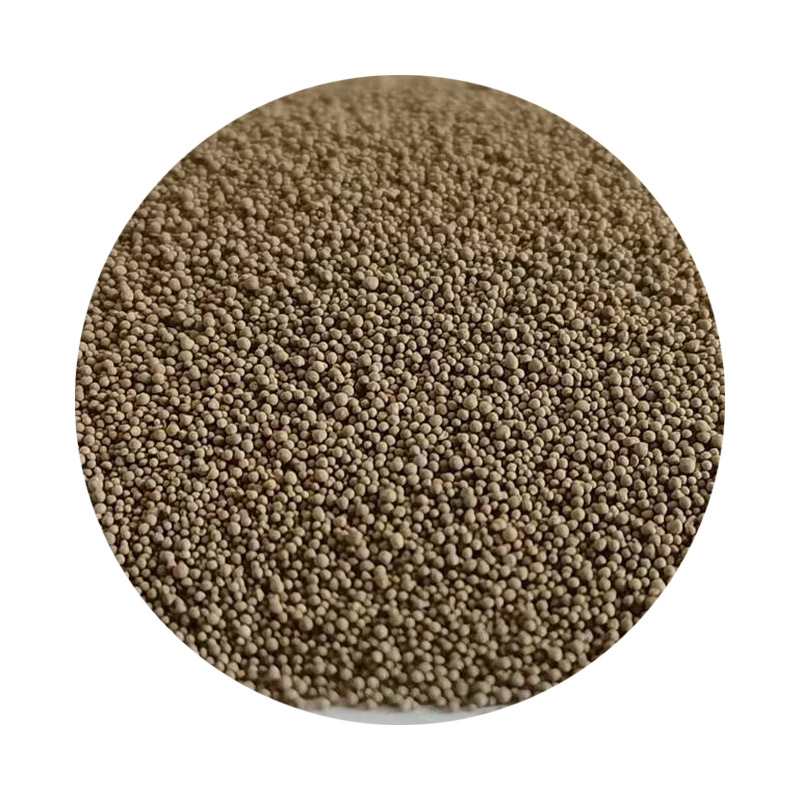
How Sintered Sand is Produced: Step-by-Step Process Explained
Featured Product: Sintered Ceramic Sand for Foundry with Cold Core Box
| Parameter | Typical Value | Test Standard |
|---|---|---|
| Particle Size (μm) | 90 – 400 | ISO 3310-1 |
| Bulk Density (g/cm³) | 1.50 – 1.65 | ISO 787-11 |
| Roundness (%) | 96 – 98 | GB/T 1721 |
| Crushing Strength (MPa) | 95 – 110 | ISO 13503-2 |
| Thermal Conductivity (W/m·K) | 0.38 – 0.51 | ASTM E1952 |
| pH Value | 7.0 ± 0.5 | ISO 4316 |
| LOI (Loss on Ignition) | <0.08% | ISO 1171 |
| Thermal Expansion (@900°C) | ~ 0.12% | ISO 11359-2 |
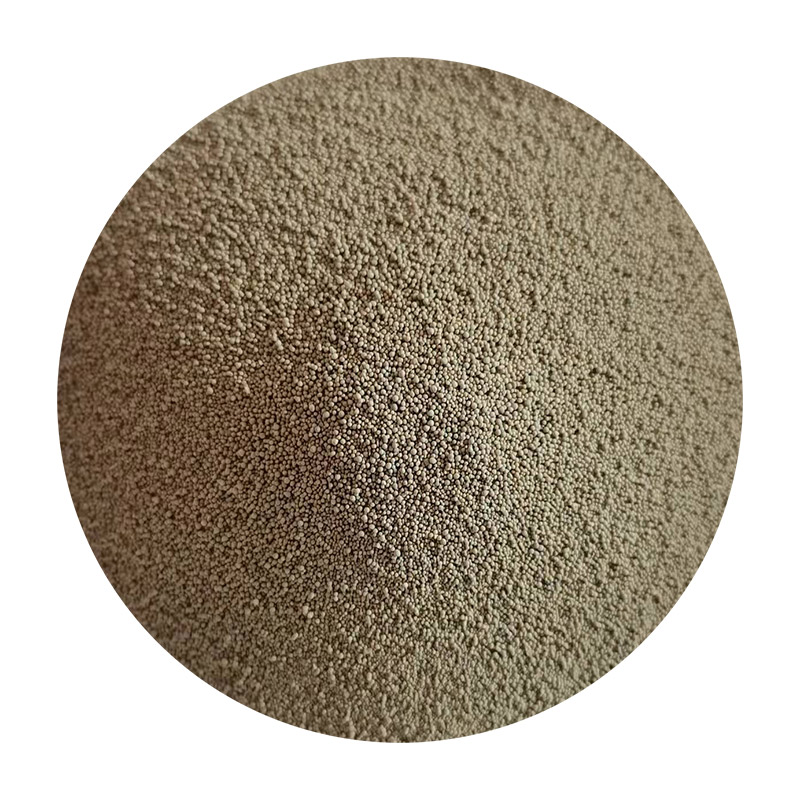
Why Choose Sintered Ceramic Sand for Cold Core Box Technology?
- Excellent Collapsibility: Ensures easy removal and minimal core defects in cold-box processes.
- High Reclamation Rate: Recycled multiple times, reducing total operational cost by up to 39% (2023 China Foundry Journal).
- Stable Particle Structure: Spherical & smooth surface leads to lower binder consumption and enhanced core strength.
- Superior Refractoriness: Operating stably up to 1500°C, broadening compatible casting alloys (ISO 1927 tested).
- Eco-friendly: Low quartz content, negligible crystalline silica emission (satisfies EU & OSHA regulations).
- Anti-Corrosive: Excellent stability in aggressive environments like petrochemical, water treatment, and offshore foundry.
- Repeatable Results: Controlled grain size distribution minimizes scrap and sand inclusion rates.
Vendor Comparison: Sintered Sand Suppliers and Technologies (2024)
| Manufacturer | Main Product | Key Strengths | Certification | Typical Lead Time |
|---|---|---|---|---|
| Sino Ceramsite (China) | Sintered Ceramic Sand for Foundry (Cold Core Box) | High roundness, ISO/ANSI certified, custom grades, fast delivery | ISO 9001, SGS, CE | 10-18 days |
| Carbo Ceramics (USA) | CARBO Foundry Sands | High strength, North America warehousing, premium price | ISO 13503, ASTM C146 | 21-28 days |
| Imerys (France) | Green Diamond Ceramsite Sand | Stable supply, wide mesh sizes, eco-friendly | ISO 11127, REACH | 15-25 days |
| AGC Ceramics (Japan) | Fused Alumina Sand | Ultra-high refractoriness, specialty applications | JIS K1410, ISO 12457 | 28-35 days |
Custom Solutions & Engineering Support
Every foundry faces unique challenges—be it precise fluidity, anti-scabbing, binder interaction, or intricate mold geometries. Sino Ceramsite supports full customization of sintered sand:
- Custom mesh/grain size blends (e.g., 100/200/280 μm)
- Pre-treated sand (anti-dust, anti-static, coated variants)
- Tailored chemical compositions for specific alloys (iron, steel, copper, aluminum, etc.)
- Expert engineering support: on-site technical guidance, laboratory simulation, process training
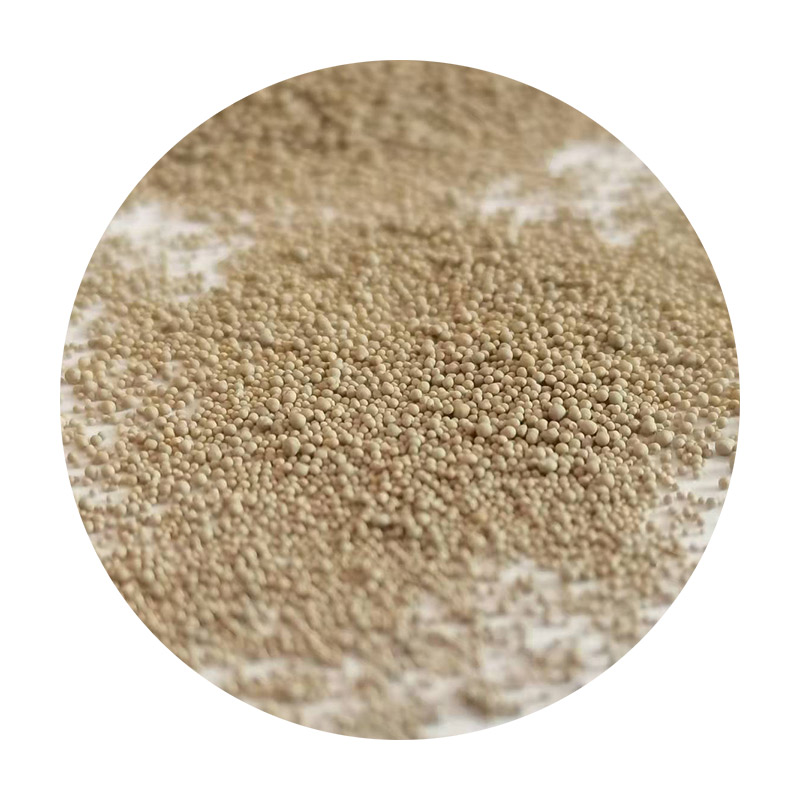
In 2022, a Tier-1 auto-parts foundry in Pune, India, replaced natural quartz sand with Sino Ceramsite's sintered sand in their cold-box core system for cylinder block casting. Results:
- Core collapse rate improved from 89% to 98%;
- Binder consumption reduced by 21%;
- Reclamation cycles doubled (>7x re-use);
- Scrap rate fell to 0.9% (previously 3.7% with quartz sand);
- Annual sand-related cost savings: USD $310,000+ (audited data).
Core Applications: Where Sintered Sand & Sand Sintering Excel
- Automotive: Cylinder head & block, gearbox casing, brake disc precision casting
- Petrochemical: Severe service valves, impellers, corrosion-resistant fittings
- General Foundry: High pressure pipe joints, waterworks (anti-wear and anti-contamination)
- Metallurgy: Non-ferrous alloy moldings, steel shell castings (up to 1500°C)
- Water Treatment: Filtration media, anti-biofouling protection components
- Precision Castings: Thin-wall, low-porosity components for aerospace and marine
Specification, Warranty & Delivery
- MOQ: 5 MT (bulk, jumbo bag packing 1.2MT/bag)
- Standard Delivery: 10-18 days after order confirmation; air & sea freight supported
- Certificates: COA, SGS, ISO 9001, CE
- Warranty: 12 months quality guarantee, prompt replacement for manufacturing defect
- Support: 24/7 technical team, remote troubleshooting, on-site training available (EMEA/APAC)
- Aftermarket: Free initial reclamation assessment and binder-compatibility testing
FAQ: Sintered Sand & Sand Sintering - Technical FAQ
Engineering Test Data: Performance of Sintered vs Natural Sands (Averages, 2023-2024)
| Property | Sintered Sand | Quartz Sand | Chromite Sand |
|---|---|---|---|
| Core Gas Evolution (ml/g) | 1.1 | 2.4 | 1.3 |
| Collapse Index (%) | 98.2 | 82.7 | 94.0 |
| Reclamation Cycles | 7–12x | 2–3x | 8–10x |
| Binder Addition (%) | 1.1–1.3 | 1.9–2.2 | 1.5–1.8 |
| Final Cast Surface Grade (1–5) | 4.8 | 3.6 | 4.5 |
[1] Foundry-Planet: “Sintered Ceramic Sand Sets New Benchmarks,” 2023
[2] Li, W., et al, “Performance Analysis of Sintered Ceramic Sand in Cold Box Process”, Procedia Engineering, 2024
[3] Foseco: “Novel Synthetic Ceramic Sintered Sand,” 2022
[4] Chen, Y., “Comparison of Natural Quartz and Sintered Sands for High-Precision Foundry Applications,” China Foundry, 2022
[5] “ISO 11127-6: Preparation of test specimens for abrasive grains,” ISO, accessed 2024
Next:High-Precision Lost Foam Sand Casting Solutions