
Lost foam sand casting has emerged as a revolutionary method within modern foundry technology, delivering intricate, high-precision metal components across sectors like petrochemical, metallurgy, and water supply. This article explores the technical depths, industry trends, process parameters, and application scenarios of lost foam casting, emphasizing the use of Ceramic Sand for Lost Foam Casting.
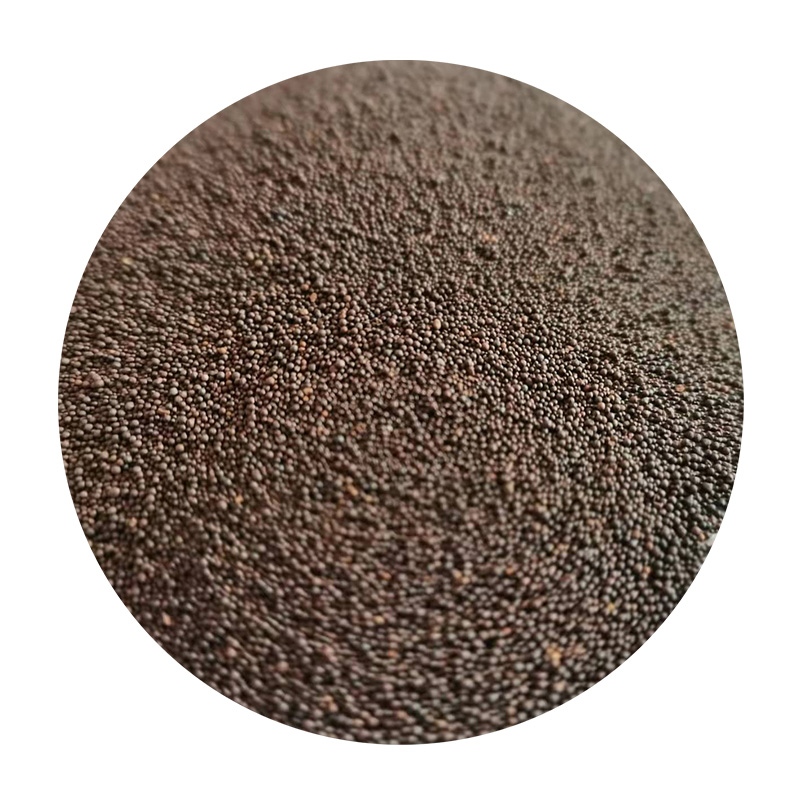
Figure 1: Ceramic Sand for Lost Foam Casting Applications in the Foundry Industry
1. What is Lost Foam Sand Casting?
Lost foam sand casting (LFSC) is an advanced evaporative-pattern casting technique. It leverages polymer foam patterns (typically expanded polystyrene), which are embedded within unbonded sand and replaced by molten metal during pouring. The technology supports complex geometries, integrated components, and delivers exceptional surface finish—all favored in high-precision industrial casting.
Industry Trends and Market Growth
- Global LFSC market expected to exceed $520 million by 2028, with a CAGR of 5.3% (Source: Foundry World 2023).
- 60% of automotive engine castings use lost foam casting for weight reduction and complexity optimization (SAE Journal).
2. Essential Industry Parameters of Lost Foam Sand Casting
| Parameter | Typical Value | Industry Standard |
|---|---|---|
| Pattern Material Density | 15–30 kg/m³ | ANSI/ASTM E2349 |
| Sand Grain Fineness (AFS) | 60–80 | ISO 13503-2 |
| Pattern Wall Thickness | 2–6 mm | Foundry Standard |
| Collapsibility of Sand | >95% | ISO 13503-3 |
| Casting Surface Roughness | 6–12 μm Ra | ISO 1302 |
| Production Yield Rate | 92–97% | ANSI Z535 |
| Environmental Impact | Low (due to no binders) | ISO 14001 |
3. Lost Foam Sand Casting Manufacturing Process
The lost foam sand casting process integrates advanced material science and automation. Here is a stepwise explanation:
- Foam Pattern Making: High-precision expanded polystyrene (EPS) molded or CNC-machined into complex shapes.
- Pattern Assembly: Foam patterns optionally glued or welded to create intricate assemblies.
- Coating Application (lost foam casting coating): A refractory, water-based coating is applied to improve surface finish and avoid molten metal penetration.
- Drying: Coated pattern is dried in a temperature-controlled oven (ISO 9001 process guidance).
- Mold Packing: Pattern is embedded in unbonded ceramic sand inside a vibratory molding box for compactness and accuracy.
- Metal Pouring: Molten metal is poured, vaporizing the foam pattern, enabling precise geometric transfer.
- Solidification and Knock-Out: Casting cools and sand is removed (easy reclaim), exposing the finished part.
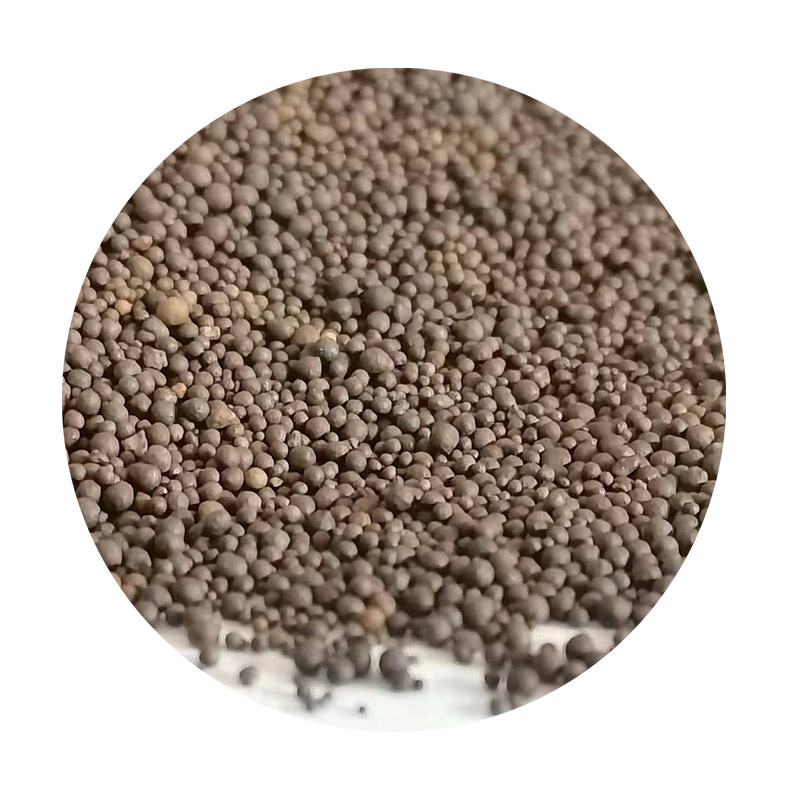
Figure 2: Process Visualization — From Foam Pattern to Finished Casting
Key Technical Nodes Visual Flowchart:
- 1. EPS Pattern → 2. Refractory Coating → 3. Ceramic Sand Packing → 4. Metal Pouring → 5. Pattern Vaporization → 6. Casting Extraction
Tip: Applying premium Ceramic Sand for Lost Foam Casting maximizes dimensional accuracy and heat resistance at every step.
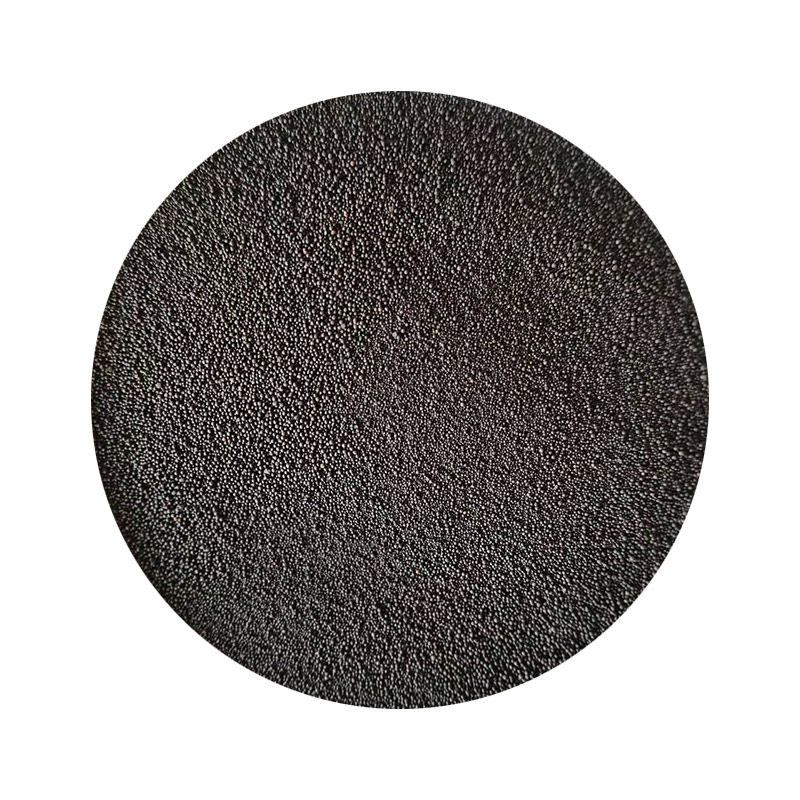
4. Advantages of Lost Foam Casting with Ceramic Sand
- Complexity: Enables casting of intricate forms with hidden hollows, internal channels, and tight tolerances.
- Material Yield: Fewer risers/gates required; up to 30% metal saving compared to green sand casting.
- Surface Quality: Achieves 6–12 μm Ra with minimal machining, owing to fine lost foam casting coating and round ceramic sand.
- Environmental Safety: No binders or chemical additives, minimizing emissions and post-process cleaning.
- Operational Efficiency: Digital pattern design and rapid prototyping slashes tooling lead time; production cycles can be condensed by 15–20%.
- Reduced Need for Core-Making: Integrated coreless design for many castings.
- Enhanced Mechanical Properties: Dense, homogenous castings due to uniform mold filling.
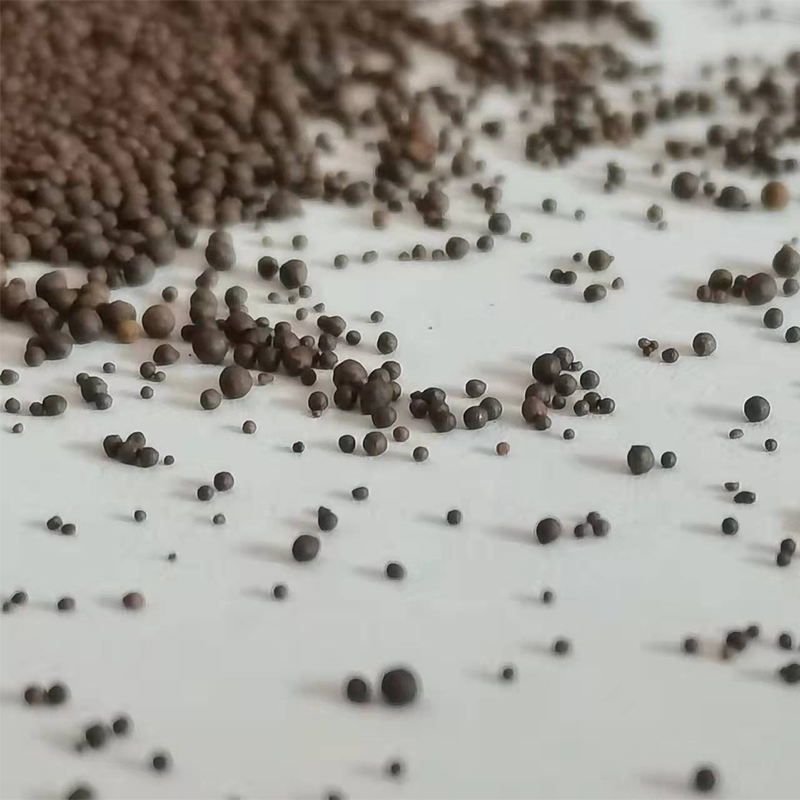
Figure 3: Finished Products: Typical lost foam casting examples in Industrial Use
5. Product Spotlight: Ceramic Sand for Lost Foam Casting
Product Overview
- Material: Fused spherical alumino-silicate ceramic (Al2O3·SiO2) with ultra-low impurity (Fe
- Particle Shape: Round – Enhances flowability and minimizes pattern breakage
- Refractoriness: ≥ 1800°C — Ideal for steel, iron, and non-ferrous alloy castings
- AFS Fineness: 50–110 (customizable by application)
- pH Value: Neutral (6.8–7.2), no acid/base corrosion
- Bulk Density: 1.85–1.95 g/cm³
- Thermal Conductivity: Low — Reduces metal penetration and casting defects
- Quality Certifications: ISO 9001:2015, SGS tested; conforms to international foundry standards
- Product Webpage: Learn more
Technical Parameters and Product Comparison
| Parameter | Ceramic Sand | Silica Sand | Chromite Sand |
|---|---|---|---|
| Grain Shape | Spherical | Angular | Angular |
| Thermal Expansion (×10-6 /K) | 0.15 | 1.30 | 0.59 |
| Refractoriness (°C) | ≥1800 | 1550 | >1850 |
| Acid/Alkali Resistance | Excellent | Poor | Moderate |
| Reuse Cycles | ≥10 | 1–3 | 5–7 |
| Cost/Performance | High (long life, less scrap) | Low (cheap, more scrap) | Medium |
Ceramic Sand Major Technical Indices (Weight %)
- Al2O3: 72–75%
- SiO2: 17–20%
- Fe2O3: ≤3%
- TiO2: ≤2.5%
- Others: <2%
Reuse Durability: Ceramic vs. Silica Sand
Reusability is a key factor for environmental and economic foundry operation. Data below shows the number of cycles before significant degradation:
- Ceramic Sand: Maintains over 95% performance up to 10 cycles
- Silica Sand: Below 70% after 3 cycles (reference: ISO 13503-2 reuse test)
6. Lost Foam Casting Applications and Case Studies
Applications for lost foam casting range from automotive, aerospace, petrochemical, to water and gas equipment industries. Below are typical categories and industry feedback:
- Automotive: Cylinder heads, crankcases, complex engine covers for BMW, Cummins (SAE reference)
- Pipe Systems: Municipal water/gas supply pipe fittings—custom Y-branches, elbows, thanks to unrivaled design freedom
- Valves and Pumps: High-integrity valves in petrochemicals and energy using ceramic sand for anti-corrosion performance
- Aerospace: Lightweight, thin-wall structure components using advanced foam patterning
- Structural Castings: Large housing components, manifolds, bracketry, and industrial impellers
Industry Feedback & Service Cases
Customer: Linzhou Steel Pipes Co.
"Transitioning to ceramic sand for lost foam sand casting halved our casting defect rate and extended mold lifespans by 300%. The dimensional stability complies with ANSI B16.9–even for massive, thin-walled pipe fittings."
Customer: Shanghai Zhongke Valve Group
"Our valve castings for aggressive petrochemical media reached ISO 14001 environmental standards with ceramic sand, reducing emissions and post-cleaning costs."
Figure 4: Modern lost foam casting foundry with Ceramic Sand for Enhanced Performance
7. Industry Recognition, Authoritativeness, and Standards
- Certified to ISO 9001:2015 Quality Management and ISO 14001 Environmental Management
- Tested to ASTM, ANSI, and relevant foundry regulations for metallurgical and dimensional compliance
- Long-term supplier to Sinopec, CNPC, YTO Group, Geely Automotive and other industry leaders
- OEM/ODM capability with more than 15 years of global lost foam casting service
All products undergo third-party inspection (SGS, TUV) before shipment for traceability and peace of mind.
8. Delivery Period, Quality Guarantee & Customer Support
- Standard Lead Time: 7–21 days from order confirmation, depending on order volume and specification
- Custom Specification Service: Available for particle size, coating formulation, and packaging (as per client drawings or standards)
- Warranty: 12–24 months, with immediate free replacement for quality non-conformance
- Technical Support: 24/7 engineer online, free foundry process optimization consulting (remote/onsite)
- After-Sales Service: Rapid response within 2 hours, full traceability via batch codes
- Global Delivery: DDP/DAP shipping, with logistics to most countries worldwide
- Documentation: All shipments include COA, MSDS, RoHS, and full technical datasheets
9. Expert FAQ: Lost Foam Sand Casting Terminology
- Q1: What is the primary composition of ceramic sand used in lost foam sand casting?
- A1: It is primarily composed of fused alumino-silicate (Al₂O₃·SiO₂) with controlled minor elements for optimal refractoriness and environmental safety.
- Q2: How does grain morphology of ceramic sand benefit the lost foam casting process?
- A2: The spherical, smooth grains ensure superior flowability, minimize deformation of delicate foam patterns during compaction, and produce a consistent, smooth casting surface.
- Q3: What coating formulations are recommended for lost foam casting?
- A3: Water-based refractory coatings, often zircon-based, with controlled viscosity (20–25s @ Ford Cup Method), are used to prevent metal penetration and enhance surface finish.
- Q4: What detection standards should castings adhere to?
- A4: Mechanical properties must meet ISO 4992 or ASTM A802, while dimensional tolerance follows ISO 8062 (GB/T 6414) for sand castings.
- Q5: Does ceramic sand support high-volume recycling?
- A5: Yes. Its high hardness, chemical stability, and non-caking features enable up to 10+ cycles of in-foundry reuse, outperforming conventional silica sand.
- Q6: What is the typical installation standard for lost foam casting foundry lines?
- A6: Most lines comply with JGJ16 and ISO/ANSI 32.1, requiring advanced dust control, vibratory molding, and digital process control for stable production.
- Q7: How does the process guarantee long product life and anti-corrosion?
- A7: The uniform, fine grain ceramic sand and precise coating allow for dense, low-porosity castings, which drastically extend product life and offer superior corrosion resistance—critical for petrochemical applications.
10. Conclusion & Industry References
Lost foam sand casting, especially when utilizing premium ceramic sand, delivers quantifiable benefits: high complexity, energy savings, defect minimization, and environmental responsibility. Its ongoing adoption by leading foundries worldwide demonstrates its alignment with the future of sustainable, precision metalworking.
Further Reading:
- Foundry-Planet: Lost Foam Casting News
- MDPI Metals Journal: Lost Foam Casting Research
- ScienceDirect: Lost Foam Casting
- SAE Technical Papers: Automotive Foam Casting
- Bing Search: Lost Foam Casting Coating
- Lost Foam Casting: Challenges and Opportunities (Foundry-Planet)
- Experimental Investigation on Lost Foam Casting of Al Alloys (MDPI)
Next:Premium Bauxite Sand for High-Performance Frac Applications