
Introduction to High-Performance Resin Coated Sand Solutions
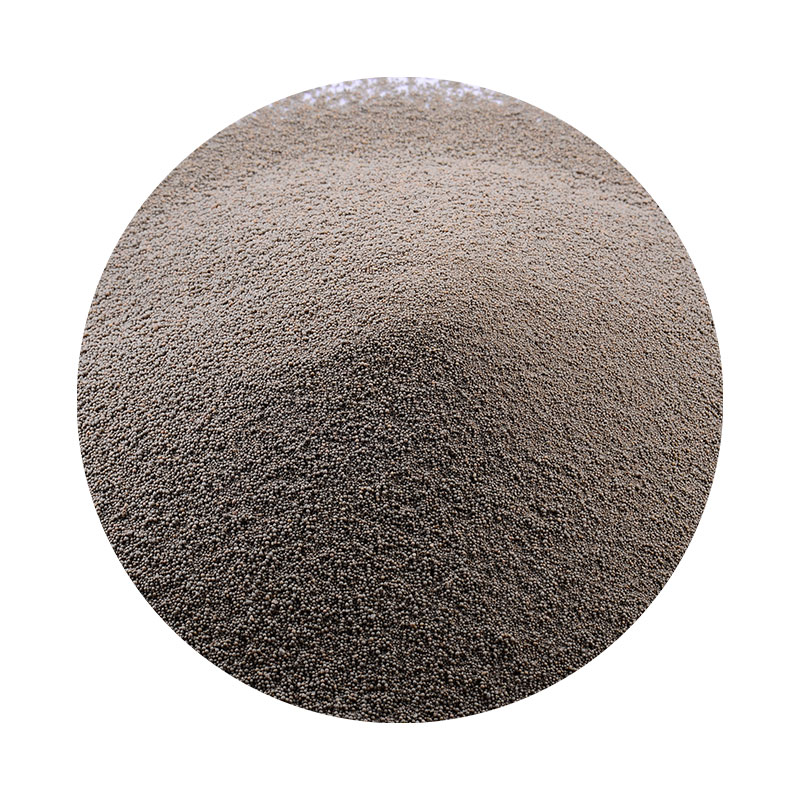
In the rapidly evolving landscape of advanced manufacturing, the quality and performance of foundational materials are paramount. Among these, resin coated sand stands out as a critical component, particularly in precision casting and specialized industrial applications. This engineered material is essentially high-quality sand grains (often silica or ceramic) individually encapsulated with a thermosetting resin. The primary advantage lies in its ability to offer superior strength, dimensional accuracy, and surface finish for complex metal parts, driving efficiency and quality across various B2B sectors.
The demand for materials that can withstand increasingly stringent operational conditions while facilitating intricate designs has positioned resin coated sand at the forefront of innovation. Its controlled properties allow for unparalleled predictability in casting processes, minimizing defects and reducing post-processing requirements. This article delves into the technical intricacies, application breadth, and strategic advantages that make this material an indispensable asset for modern industrial enterprises.
The Advanced Manufacturing Process of Resin Coated Ceramic Sand
The production of high-performance resin coated sand, particularly the specialized resin coated ceramic sand, is a sophisticated process requiring precise control over raw materials and environmental conditions. This meticulous approach ensures the final product delivers optimal performance in demanding casting applications. Below is a detailed breakdown of the typical manufacturing process:
- Raw Material Selection (Ceramic Grains): The process begins with selecting high-purity ceramic raw materials, such as bauxite or mullite. These materials are meticulously processed, including crushing, grinding, and classifying, to achieve specific grain sizes and spherical shapes. Ceramic sand offers superior refractoriness, low thermal expansion, and excellent permeability compared to traditional silica sand, making it ideal for high-precision casting.
- Sand Washing and Drying: The ceramic sand grains undergo thorough washing to remove impurities like clay, organic matter, and fine particles. Following washing, the sand is dried in specialized fluid-bed dryers to achieve a precise moisture content, typically below 0.1%. This step is critical as residual moisture can adversely affect resin adhesion and coating uniformity.
- Preheating: The dried sand is then preheated to a specific temperature range (e.g., 140-180°C) in a heated mixer. This preheating step ensures the sand surface is ready to accept the resin uniformly and facilitates the initial curing reaction upon resin addition.
- Resin Coating Application (Hot Coating Process): A carefully measured blend of thermosetting resin (typically a phenolic resin) and a catalyst (e.g., hexamethylenetetramine) is introduced into the hot sand. The heat from the sand causes the resin to melt and evenly coat each sand grain. Precise control over mixing speed and temperature ensures a uniform, thin film of resin on every particle. This is the essence of producing effective resin sand.
- Cooling and Agglomerate Prevention: After coating, a cooling agent or air blast is introduced to rapidly cool the coated sand. This prevents excessive agglomeration and ensures the sand remains free-flowing. A release agent (e.g., calcium stearate) is often added during this stage to improve flowability and prevent sticking during storage and use.
- Screening and Classification: The cooled, coated sand is then passed through a series of screens to remove any remaining agglomerates or oversized particles, ensuring a consistent grain size distribution crucial for mold and core permeability.
- Quality Control and Testing: Throughout the process, rigorous testing is conducted. Key parameters include:
- Loss on Ignition (LOI): Measures resin content (e.g., ISO 17895).
- Tensile Strength: Evaluates bond strength (e.g., AFS 3330).
- Flowability: Assesses handling characteristics.
- Thermal Stability: Determines performance at high temperatures.
- Gas Evolution: Measures volatile byproducts during casting.
- Packaging: The finished resin coated sand is packaged in moisture-proof bags or bulk container111s, ready for shipment.
This advanced manufacturing protocol ensures that the resin coated ceramic sand meets stringent industry standards (e.g., ISO 9001 for quality management) and delivers consistent performance, reducing defects in applications like intricate resin sand casting.
Technical Specifications and Performance Parameters
The efficacy of resin coated sand is defined by its precise technical specifications, which dictate its suitability for various applications. Specifically, resin coated ceramic sand offers superior characteristics for high-demand environments. Below is a representative table of key product specifications:
| Parameter | Unit | Typical Range (Ceramic Sand) | Test Standard |
|---|---|---|---|
| AFS Fineness No. | - | 30-100 | AFS 100-87-S |
| Resin Content (LOI) | % | 1.5 - 3.5 | ISO 17895 |
| Tensile Strength (Hot) | psi (N/cm²) | 300-600 (20-40) | AFS 3330 |
| Tensile Strength (Cold) | psi (N/cm²) | 600-1000 (40-70) | AFS 3330 |
| Melting Point of Resin | °C | 90-110 | Internal Standard |
| Refractoriness | °C | >1800 | ASTM C24 |
| Gas Evolution | ml/g | 8-15 | AFS 3326-87-S |
| Thermal Expansion | % | 0.05 - 0.15 | Internal Standard |
These parameters are critical for predicting the material's behavior during thermal shock, solidification, and part ejection. The low gas evolution and superior refractoriness of ceramic-based resin sand significantly reduce casting defects such as gas porosity and penetration, enhancing overall part quality and reducing scrap rates.
Industry Trends and Market Evolution
The industrial casting sector is undergoing significant transformations, driven by demands for higher precision, lighter components, and more sustainable manufacturing processes. These trends directly influence the development and adoption of materials like resin coated sand. Key trends include:
- Sustainability and Environmental Compliance: Increasing regulatory pressure for reduced emissions and improved worker safety is pushing foundries towards sand systems with lower formaldehyde content, lower VOCs, and improved reclaimability. Innovations in resin chemistry are focusing on eco-friendlier formulations for resin sand casting.
- Advanced Material Demands: The growth of sectors requiring high-performance alloys (e.g., aerospace, automotive) necessitates casting processes that can handle higher pouring temperatures and produce parts with tighter tolerances. This fuels the demand for specialty sands like ceramic-based resin coated sand due to their superior thermal stability and reduced thermal expansion.
- Automation and Digitalization: Modern foundries are integrating automation, which requires consistent, free-flowing, and predictable molding materials. The precise and repeatable properties of resin bonded sand casting are highly compatible with automated core-making and mold-assembly lines.
- Specialized Applications: Beyond traditional casting, specialized uses for resin-coated particles are emerging. For instance, resin coated frac sand is a key component in hydraulic fracturing, offering improved proppant strength and flowback control in oil and gas extraction. Similarly, while distinct, the concept of binding aggregates with resin for surfaces, known as resin bound sand, demonstrates the versatility of resin-sand composites in various industrial and construction applications.
- Focus on Total Cost of Ownership (TCO): Foundries are increasingly evaluating materials based on their total impact on production costs, including reduced scrap, energy savings, and longer tool life, rather than just initial material price. This holistic view favors premium materials that deliver significant process improvements.
These trends underscore the importance of continuous innovation in material science and process engineering to meet the evolving demands of global industries. Manufacturers offering specialized resin coated sand solutions are well-positioned to capitalize on these shifts.
Key Technical Advantages of Resin Coated Ceramic Sand
The choice of resin coated sand, particularly with a ceramic base, provides distinct technical advantages that significantly enhance casting quality and operational efficiency. These benefits are critical for industries prioritizing precision and performance:
- Superior Dimensional Accuracy: The low thermal expansion of ceramic sand combined with the stable resin coating minimizes mold distortion at high temperatures. This ensures that cast parts maintain intricate geometries and tight tolerances, crucial for components undergoing CNC machining or precise assembly.
- Excellent Surface Finish: The fine, spherical shape of ceramic grains and the uniform resin coating result in extremely smooth mold and core surfaces. This translates to castings with minimal surface roughness, reducing the need for costly post-casting finishing operations.
- Enhanced High-Temperature Strength and Stability: Ceramic sand offers significantly higher refractoriness than silica, enabling it to withstand molten metal temperatures up to 1800°C without breaking down. The resin bond ensures structural integrity, preventing defects like penetration, veining, and finning, especially in heavy section castings.
- Reduced Gas Defects: Modern resin coated sand formulations are designed for low gas evolution during pouring. Coupled with excellent permeability, this minimizes gas porosity and blowholes in castings, leading to higher yield rates and fewer rejects.
- Improved Energy Efficiency: The superior thermal properties and structural integrity often allow for reduced bake times or lower oven temperatures in core-making processes, leading to measurable energy savings. The reduced need for rework and post-casting treatment also contributes to overall energy optimization.
- Corrosion and Erosion Resistance (in specific applications): While primarily for casting, the inherent properties of ceramic sand lend themselves to applications where the final cast part might require enhanced resistance to corrosion or erosion, benefiting industries such as petrochemical and mining.
- Enhanced Productivity: The excellent flowability of resin coated sand allows for faster core production cycles and easier mold assembly. Its consistent performance reduces downtime related to process adjustments or defect remediation.
These advantages collectively position resin coated ceramic sand as a premium choice for manufacturers seeking to elevate the quality, consistency, and cost-effectiveness of their casting operations.
Application Scenarios and Target Industries
The versatility and high-performance characteristics of resin coated sand make it indispensable across a broad spectrum of industries requiring precision metal components. Its application extends beyond general foundry work into highly specialized fields:
- Automotive Industry: Critical for casting engine blocks, cylinder heads, crankshafts, brake components, and transmission parts in both ferrous and non-ferrous alloys. The high precision and excellent surface finish of parts produced with resin sand casting reduce machining time and contribute to lighter, more efficient vehicles.
- Aerospace Sector: Used for producing complex and lightweight components for aircraft engines and structural parts. The material's ability to maintain tight tolerances and minimize defects is paramount in this safety-critical industry.
- Heavy Machinery and Construction: For manufacturing durable and robust components like hydraulic manifold blocks, gearboxes, and structural elements that withstand extreme loads and harsh environments.
- Petrochemical and Energy Sector: Essential for casting pump impellers, valve bodies, and other components requiring high resistance to heat, pressure, and corrosive fluids. The enhanced dimensional stability and resistance to penetration provided by furan resin sand casting are particularly valued here. This sector also utilizes resin coated frac sand as a proppant in oil and gas extraction, demonstrating a broader application of resin-coated particles beyond traditional casting.
- Metallurgy and Foundries: The primary user, applying resin bonded sand casting for a vast array of metal components, from intricate prototypes to mass-produced industrial parts. It supports casting processes for various metals including iron, steel, aluminum, and copper alloys.
- Water Supply & Drainage Systems: For casting durable and leak-proof pipes, fittings, and valve components that must endure continuous fluid flow and underground conditions.
The consistent quality and performance characteristics of resin coated ceramic sand empower these industries to innovate, reduce costs, and deliver superior end products with enhanced service life. Its adaptability to both complex and high-volume production scenarios underscores its value.
Customized Solutions and Vendor Differentiation
While standard resin coated sand offers significant benefits, many advanced applications require tailored solutions. Leading manufacturers recognize this need and provide customized options to meet specific foundry requirements, offering a clear differentiation in the market.
Tailored Product Development:
- Resin Content Adjustment: Fine-tuning the percentage of resin to optimize properties like strength, gas evolution, or shakeout characteristics for different metal types or casting complexities.
- Grain Size and Distribution: Customizing AFS fineness numbers to achieve specific surface finishes or permeability requirements.
- Special Additives: Incorporating release agents, chillers, or anti-veining additives directly into the coating process to address specific casting challenges.
- Resin Type Modification: Offering variants of phenolic resins, such as furan-modified or low-nitrogen resins, to suit specific metal alloys or environmental preferences for furan resin sand casting.
Vendor Comparison Considerations:
Choosing the right supplier for resin coated sand involves more than just price. A comprehensive evaluation should include:
| Factor | High-Value Vendor Profile | Commodity Vendor Profile |
|---|---|---|
| Product Quality & Consistency | Rigorous QC, certifications (ISO, AFS), tight parameter control. | Basic QC, wider parameter tolerances, occasional batch variation. |
| Customization & R&D | Dedicated R&D, tailored solutions, technical support for new applications. | Limited customization, standard products only. |
| Technical Support & Expertise | On-site support, process optimization guidance, troubleshooting. | Basic product data sheets, minimal process assistance. |
| Supply Chain Reliability | Multiple production sites, robust logistics, contingency plans. | Single source, less flexible delivery, potential for disruptions. |
| Sustainability Initiatives | Eco-friendly formulations, reclaimability support, waste reduction. | Minimal focus on environmental impact. |
Strategic partnerships with vendors who offer strong technical support, customization capabilities, and a commitment to quality ensure optimal performance and long-term cost savings for foundry operations.
Application Case Studies and Customer Experience
Real-world application demonstrates the tangible benefits of incorporating high-quality resin coated sand into casting processes. These case studies highlight improved efficiency, reduced defects, and enhanced product quality.
Case Study 1: Automotive Engine Block Production
- Challenge: A major automotive foundry faced issues with porosity and inconsistent wall thickness in complex engine block castings using traditional silica resin sand, leading to high scrap rates and increased machining costs.
- Solution: They transitioned to a specialized resin coated ceramic sand with optimized resin content and AFS fineness.
- Results:
- Scrap Rate Reduction: Achieved a 15% reduction in casting defects.
- Dimensional Accuracy: Improved dimensional stability by 20%, reducing post-casting machining by 10%.
- Surface Finish: Enhanced surface finish led to a 5% saving in finishing operations.
- Customer Feedback: "The switch to ceramic resin coated sand was a game-changer for our engine block line. The consistency and quality are unmatched, directly impacting our bottom line and allowing us to produce lighter, more precise components." - Lead Engineer, Automotive Foundry.
Case Study 2: High-Pressure Valve Components for Petrochemical Industry
- Challenge: A manufacturer of high-pressure valve bodies for the petrochemical industry struggled with metal penetration and sand inclusions when casting exotic alloys at high temperatures using traditional resin bonded sand casting.
- Solution: They implemented a robust furan resin sand casting system using ceramic resin coated sand, chosen for its extreme refractoriness and thermal stability.
- Results:
- Defect Elimination: Virtually eliminated metal penetration and significantly reduced sand inclusions.
- Product Longevity: Cast components exhibited improved integrity and extended service life in corrosive environments.
- Compliance: Achieved stricter industry standards (e.g., API 6A) for critical components.
- Customer Feedback: "For our critical valve components, failure is not an option. The specialized resin coated sand provided the robust mold and core integrity we needed to cast these alloys flawlessly, ensuring the reliability demanded by the oil and gas sector." - Operations Manager, Industrial Valve Manufacturer.

Ensuring Trustworthiness: FAQ, Lead Time, Warranty, and Support
Building trust with B2B clients requires transparency and robust support. Here's a breakdown of common inquiries and commitments related to resin coated sand.
Frequently Asked Questions (FAQ):
- Q: What is the primary difference between silica-based and ceramic-based resin coated sand?
- A: Ceramic-based resin coated sand offers superior refractoriness (withstands higher temperatures), significantly lower thermal expansion, and a more spherical grain shape, leading to fewer defects, better surface finish, and higher dimensional accuracy, especially for high-temperature alloys and intricate geometries. Silica sand is more cost-effective but has limitations in these areas.
- Q: How does resin coated sand contribute to environmental sustainability?
- A: Modern formulations are developed with lower formaldehyde content and reduced VOC emissions. Furthermore, its superior performance reduces scrap rates, minimizes the need for rework, and often allows for sand reclamation, all contributing to less waste and a lower environmental footprint in foundries.
- Q: Can your resin coated sand be customized for specific applications?
- A: Absolutely. We offer customized solutions regarding resin content, grain size distribution (AFS fineness), and specialized additives to precisely match your metal type, casting complexity, and process requirements. Our technical team works closely with clients for optimal product selection and formulation.
Lead Time and Fulfillment:
We maintain efficient production lines and robust inventory management to ensure timely delivery. Standard orders for resin coated sand typically have a lead time of 7-14 business days, depending on order volume and specific customization requirements. For urgent requests or large-scale projects, we offer expedited production and logistics solutions. Our global distribution network ensures reliable fulfillment worldwide.
Warranty Commitments:
All our resin coated sand products are backed by a comprehensive quality assurance warranty. We guarantee that our products meet or exceed the published technical specifications and industry standards (e.g., ISO, AFS). In the unlikely event of a product not meeting these specifications, we are committed to providing replacement material or an appropriate resolution, subject to standard terms and conditions.
Customer Support and After-Sales Service:
Our commitment extends beyond product delivery. We provide dedicated technical support, including on-site assistance, process optimization consultation, and troubleshooting services by experienced foundry engineers. Our customer service team is available to assist with logistics, ordering, and any post-purchase inquiries, ensuring a seamless experience and maximizing the value of your investment in resin coated sand.
Conclusion and Outlook
The strategic adoption of high-performance resin coated sand, especially the advanced ceramic variants, is no longer just an option but a necessity for modern foundries striving for excellence. Its proven ability to deliver superior dimensional accuracy, surface finish, and defect reduction directly translates into significant operational efficiencies and cost savings.
As industries continue to push the boundaries of material science and manufacturing processes, the evolution of resin coated sand will remain a critical enabler. Future innovations will likely focus on further enhancing eco-friendliness, developing even higher-performance resin systems, and integrating more seamlessly with automated casting technologies. By investing in these advanced materials and partnering with knowledgeable suppliers, B2B decision-makers and engineers can ensure their operations remain at the forefront of quality, efficiency, and innovation.
References:
- American Foundry Society. (2018). Molding & Core Sands Reference Manual. AFS Publications.
- International Organization for Standardization. (2016). ISO 17895: Foundry Sand - Phenolic Resin Coated Sands - Determination of loss on ignition.
- Campbell, J. (2015). Complete Casting Handbook: Metal Casting Processes, Metallurgy, Techniques and Design. Butterworth-Heinemann.
- ASTM International. (2020). ASTM C24 / C24M: Standard Test Method for Coking Value of Tar and Pitch (referenced for refractory material assessment).
Next:Lost Foam Sand Casting for Complex, High-Precision Metal Parts