
Introduction to Advanced lost foam sand casting Techniques
The realm of metal casting has continuously evolved, seeking methods that enhance precision, reduce post-processing, and optimize material utilization. Among these, lost foam casting, also known as evaporative pattern casting (EPC), stands out as a highly innovative and efficient process. This technique utilizes an expendable pattern made of foam, typically expanded polystyrene (EPS), which is then coated with a refractory material and surrounded by unbonded sand. When molten metal is poured, the foam vaporizes, allowing the metal to fill the cavity and precisely replicate the pattern's intricate details.
This article delves into the intricacies of lost foam sand casting, exploring its technical advantages, diverse applications, and the critical role of specialized materials like ceramic sand in achieving superior metallurgical results. We will cover the entire process flow, discuss industry trends, present crucial technical specifications, and provide insights into vendor selection and customized solutions, ultimately supported by compelling case studies and comprehensive support information.
Detailed Process Flow of Lost Foam Sand Casting
The effectiveness of lost foam sand casting hinges on a meticulously controlled sequence of steps. Each stage is crucial for producing high-quality components, ranging from complex engine blocks to intricate industrial pump parts.
- Pattern Creation: High-density EPS beads are expanded into molds to form patterns that precisely match the desired casting shape. These patterns are lightweight, easily glued, and can incorporate complex geometries.
- Assembly of Patterns: Multiple individual foam patterns can be glued together using a hot melt adhesive to create a larger, more complex cluster, including gating and risering systems. This allows for simultaneous casting of several components or a single large, intricate part.
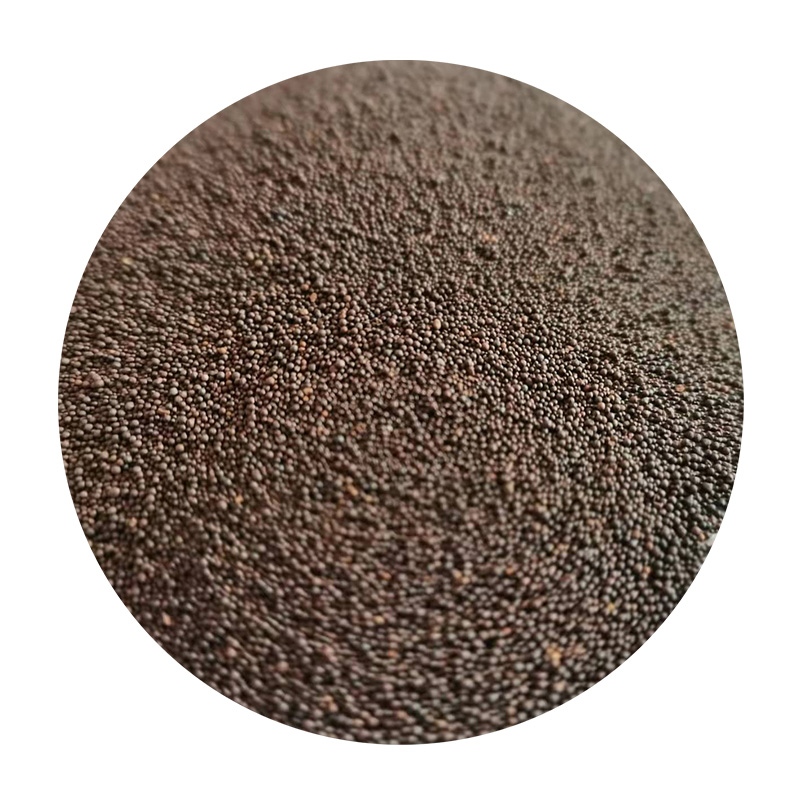
- Refractory Coating Application: The foam cluster is then dipped or sprayed with a ceramic refractory coating. For optimal results, especially in demanding applications, specialized materials such as Ceramic Sand for Lost Foam Casting are critical components of this coating. This coating performs several vital functions: it provides a smooth surface finish, acts as a barrier to molten metal penetration, and allows for the escape of gas generated during foam vaporization. The coating thickness and permeability are precisely controlled based on the alloy and casting complexity.
- Drying: The coated pattern must be thoroughly dried to remove all moisture, preventing steam formation during casting which can lead to defects. Drying typically occurs in controlled temperature and humidity environments.
- Flask Filling & Compaction: The dried, coated pattern is placed in a flask and surrounded by unbonded, dry silica or ceramic sand. The sand is then compacted around the pattern using vibration. This creates a highly stable mold that supports the pattern during casting and accommodates the metal's expansion.
- Pouring: Molten metal (iron, steel, aluminum, etc.) is poured into the sprue. As the hot metal contacts the foam pattern, the foam rapidly vaporizes and decomposes into gaseous byproducts. The metal then fills the space previously occupied by the foam, replicating its exact shape. This process is often facilitated by a vacuum applied to the flask, aiding in gas removal and ensuring complete mold fill.
- Solidification & Cooling: The molten metal solidifies within the sand, taking the shape of the original pattern.
- Shakeout: Once cooled, the unbonded sand is simply vibrated away, leaving behind the finished casting. Since no binders are used, the sand can be fully recycled.
- Finishing: Minimal finishing is typically required due to the excellent surface finish and dimensional accuracy of lost foam casting. This often includes minor gate removal and light cleaning.
Throughout this process, stringent quality control measures are applied, adhering to standards such as ISO 9001 for quality management and ANSI/ASQ Z1.4 for sampling procedures. Material testing, including chemical composition analysis, mechanical properties (tensile strength, hardness), and non-destructive testing (NDT) methods like ultrasonic and radiographic inspection, ensures product integrity and performance. The typical service life of components produced via this method is significantly extended due to the high material integrity and precision.
Industry Trends in Lost Foam Casting
The lost foam casting foundry sector is experiencing notable advancements driven by demands for lightweighting, improved efficiency, and sustainable manufacturing practices. Key trends include:
- Advanced Foam Materials: Development of new foam materials with enhanced thermal stability and reduced decomposition byproducts, leading to cleaner castings and reduced environmental impact.
- Refractory Coating Innovation: Continuous research into advanced refractory coatings, such as those incorporating ceramic sand, to improve surface finish, reduce metal penetration, and enhance coating strength. These innovations directly contribute to the advantages of lost foam casting.
- Automation and Robotics: Increased adoption of robotic systems for pattern assembly, coating, and flask filling, improving consistency, speed, and safety in lost foam casting operations.
- Simulation and Modeling: Sophisticated computational fluid dynamics (CFD) and solidification modeling software are used to predict and optimize casting parameters, minimizing defects and improving yield before physical production.
- Sustainability Focus: Emphasis on sand recycling, reduced energy consumption in pattern production, and lower emissions compared to traditional sand casting, aligning with global environmental objectives.
Technical Specifications: Ceramic Sand for Lost Foam Casting
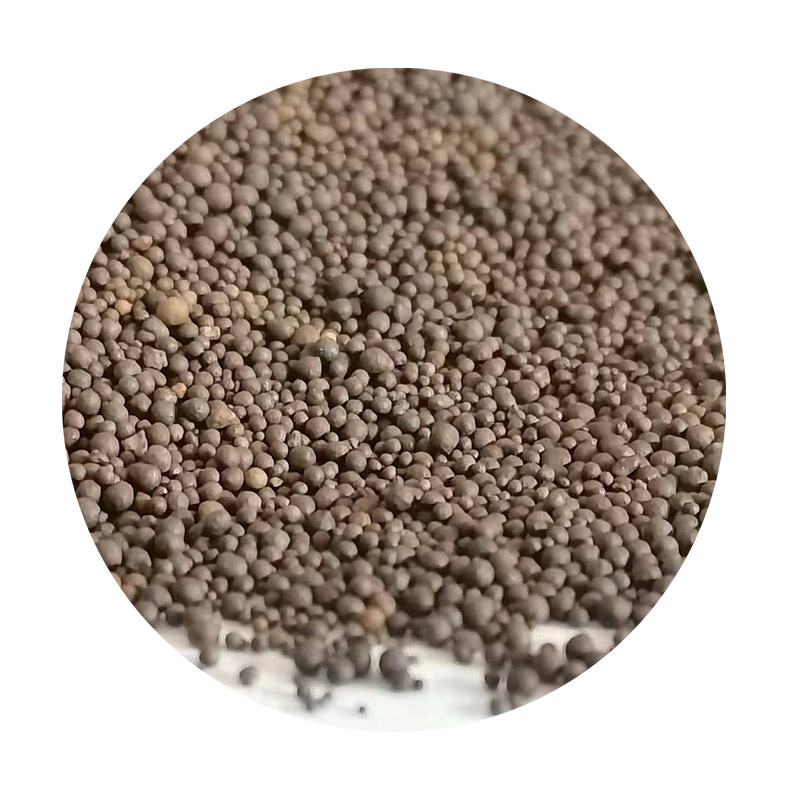
The performance of the lost foam casting coating is paramount, and ceramic sand plays a vital role. Unlike traditional silica sand, ceramic sand offers superior thermal stability, lower thermal expansion, and a spherical grain shape, which significantly enhances permeability and reduces coating defects. Below are typical specifications for high-quality ceramic sand:
| Parameter | Specification | Typical Value (for Sinoceramsite Ceramic Sand) |
|---|---|---|
| Main Mineral Phase | Mullite, Alumina | Mullite (70-80%), Corundum (10-20%) |
| Refractoriness | ≥ 1790°C | 1800°C - 1850°C |
| Thermal Expansion Coefficient (0-1000°C) | ≤ 0.3% | 0.18% - 0.25% |
| Angle of Sphericity | ≥ 0.9 | 0.93 - 0.98 |
| Acid Solubility | Low | < 0.5% |
| Al2O3 Content | ≥ 70% | 72% - 75% |
| SiO2 Content | 18-28% | 22% - 25% |
| Bulk Density | 1.9 - 2.1 g/cm³ | 2.05 g/cm³ |
| Available Mesh Sizes | 20-50, 30-50, 50-100, etc. | Customizable based on application |
These properties make ceramic sand an ideal choice for high-precision lost foam casting applications, particularly for alloys with high melting points or where exceptionally smooth surface finishes are required.
Application Scenarios and Advantages
The versatility and inherent advantages of lost foam casting have led to its widespread adoption across numerous industries. Its ability to produce castings with excellent dimensional accuracy and minimal machining requirements makes it particularly attractive for complex components.
- Automotive Industry: Production of engine blocks, cylinder heads, crankshafts, and transmission housings. The precision reduces machining time and allows for lightweight designs, contributing to energy saving and improved fuel efficiency.
- Petrochemical Industry: Manufacturing of pump bodies, valve casings, and impellers that require high corrosion resistance and intricate internal passages. The clean casting process reduces defects, enhancing the service life of components in harsh chemical environments.
- Metallurgy Sector: Creation of specialized tools, furnace components, and structural parts for high-temperature applications. The integrity of the casting ensures reliability under extreme conditions.
- Water Supply & Drainage Systems: Fabrication of complex fittings, manifold blocks, and specialized valve bodies where dimensional accuracy and smooth internal surfaces are critical for flow efficiency and corrosion resistance.
- Aerospace Industry: While often using other precision casting methods, lost foam casting examples include non-critical structural components and prototypes where cost-efficiency and rapid iteration are prioritized.
The primary advantages include:
- Design Flexibility: Ability to cast highly complex geometries and intricate internal features without cores, simplifying design and assembly.
- Excellent Surface Finish: Produces castings with superior surface finishes, minimizing or eliminating the need for subsequent machining.
- Dimensional Accuracy: High precision results in tight tolerances, reducing material waste and post-processing costs.
- Reduced Machining: Near-net shape casting significantly cuts down on labor and machining time, offering substantial cost savings.
- Environmental Benefits: Unbonded sand is reusable, and the process generates less hazardous waste compared to traditional methods.
- Versatility in Alloys: Suitable for casting various ferrous and non-ferrous alloys, including cast iron, aluminum, steel, and stainless steel.
Vendor Comparison: Ceramic Sand Suppliers
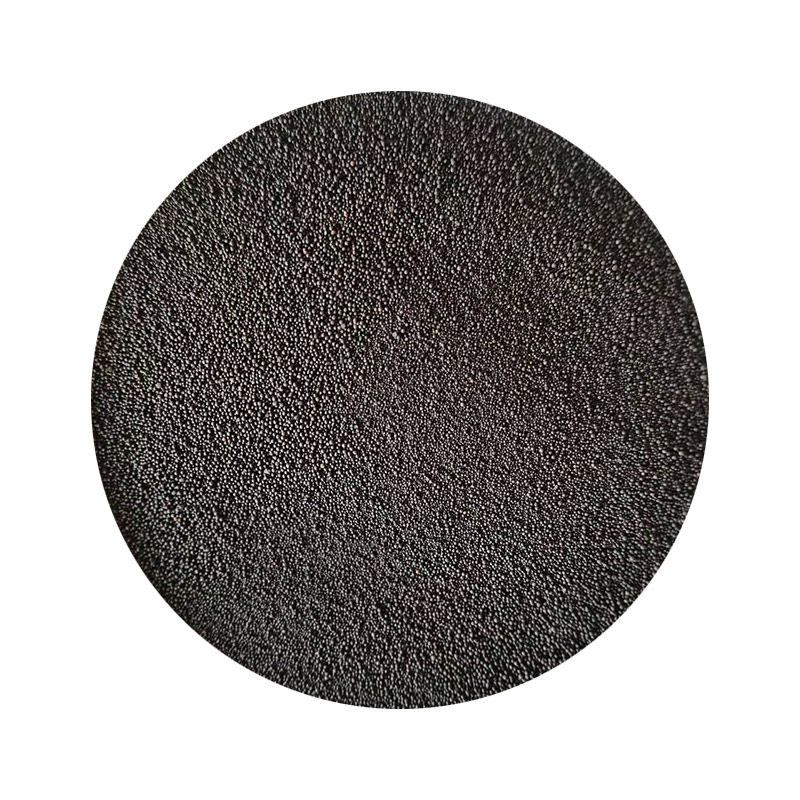
Selecting the right supplier for ceramic sand is critical for optimizing lost foam sand casting performance. Key differentiators often lie in raw material quality, consistency, technical support, and customization capabilities. Below is a generic comparison table highlighting factors to consider:
| Criterion | Standard Supplier | Premium Supplier (e.g., Sinoceramsite) |
|---|---|---|
| Raw Material Purity | Good (Al2O3 65-70%) | Excellent (Al2O3 ≥ 72%, controlled impurities) |
| Grain Sphericity & Roundness | Moderate (0.8-0.9) | High (0.93-0.98), ensuring superior permeability |
| Thermal Expansion | Relatively low (0.3-0.4%) | Very low (0.18-0.25%), minimizing cracking |
| Consistency (Batch-to-Batch) | Acceptable variability | Extremely high, ensured by strict QC (ISO certified) |
| Technical Support | Basic product data | Application engineering, process optimization, R&D collaboration |
| Customization Options | Limited standard mesh sizes | Tailored mesh distributions, specific blends for unique applications |
| Certifications & Compliance | Basic material safety data | ISO 9001, REACH, ROHS, FDA (where applicable) |
Choosing a premium supplier like Sinoceramsite, with decades of experience and adherence to international standards, ensures consistent quality and superior performance, mitigating risks and improving overall foundry efficiency.
Customized Solutions for Lost Foam Casting
Recognizing that no two casting projects are identical, leading ceramic sand providers offer customized solutions tailored to specific client needs. This involves more than just selecting a standard product; it's about engineering the ideal ceramic sand blend and coating formulation to achieve precise metallurgical and economic outcomes.
Customization can encompass:
- Granulometry Optimization: Fine-tuning the particle size distribution to achieve specific permeability and surface finish requirements for different metal alloys and pattern complexities.
- Coating Rheology Adjustment: Developing custom coating formulations that provide optimal flow, adhesion, and thickness control during application, crucial for uniform coverage on intricate foam patterns.
- Special Additives Integration: Incorporating specific additives to enhance properties such as thermal stability, anti-veining characteristics, or improved gas evolution management during the lost foam casting process.
- Technical Consultation: Providing expert guidance on process parameters, trouble-shooting, and continuous improvement, leveraging extensive experience in lost foam casting foundry operations.
These tailored approaches ensure that clients maximize the advantages of lost foam casting, leading to reduced defects, higher yield rates, and optimized production costs for their unique products.
Application Case Studies
Real-world applications demonstrate the profound impact of advanced lost foam sand casting on industrial manufacturing.
Case Study 1: Automotive Engine Block for Heavy-Duty Vehicles
A leading heavy-duty vehicle manufacturer faced challenges with traditional sand casting for a new V8 engine block, specifically regarding internal core complexities and extensive post-machining. By transitioning to lost foam casting using Sinoceramsite's optimized ceramic sand coating, they achieved:
- 30% Reduction in Machining Time: Due to superior dimensional accuracy and surface finish.
- 15% Weight Reduction: Enabled by the ability to cast thinner, more intricate sections with high integrity.
- Elimination of Core Assembly: Simplified manufacturing process, reducing labor costs and potential core-shift defects.
- Improved Fatigue Life: Cleaner internal surfaces led to fewer stress concentrators.
Case Study 2: High-Pressure Valve Bodies for Petrochemical Plants
A petrochemical equipment supplier required complex high-pressure valve bodies from stainless steel, demanding exceptional corrosion resistance and flawless internal flow paths. Conventional methods struggled with achieving the necessary internal smoothness and preventing sand inclusions. Through the adoption of lost foam casting with a custom ceramic sand refractory formulation, the client achieved:
- Zero Internal Defect Rate: Eliminating core prints and sand inclusions, critical for high-pressure applications.
- Enhanced Corrosion Resistance: Uniform, smooth surfaces reduced areas for corrosive attack.
- 25% Cost Savings: Primarily from reduced inspection, rework, and post-casting processing.
- Faster Lead Times: Streamlined production process reduced the overall manufacturing cycle.
Frequently Asked Questions (FAQ)
- Q: What types of metals can be cast using the lost foam process?
- A: Lost foam casting is versatile and suitable for a wide range of ferrous and non-ferrous alloys, including various grades of cast iron (grey, ductile), aluminum alloys, steel alloys, and stainless steel.
- Q: How does ceramic sand improve the lost foam casting process?
- A: Ceramic sand, used in the refractory coating, provides superior thermal stability, extremely low thermal expansion, and a highly spherical grain shape. These properties enhance surface finish, reduce metal penetration, minimize defects like veining and scabbing, and improve coating permeability for gas escape, leading to higher quality castings.
- Q: What are the typical lead times for custom ceramic sand orders?
- A: Standard ceramic sand products typically have a lead time of 2-4 weeks, depending on order volume and shipping logistics. Custom formulations may require an additional 1-2 weeks for development and testing. Urgent orders can often be expedited; please contact our sales team for specific fulfillment details.
- Q: What kind of warranty do you offer on your ceramic sand products?
- A: Our ceramic sand products come with a standard warranty guaranteeing material purity, consistency, and adherence to specified technical parameters upon delivery. We are committed to providing materials that meet or exceed industry standards. Specific warranty terms are provided with each order and are backed by our ISO 9001 certification.
- Q: Is technical support available for process optimization?
- A: Yes, Sinoceramsite provides comprehensive technical support, including on-site consultations, process optimization recommendations, and troubleshooting assistance. Our team of experienced metallurgists and foundry engineers works closely with clients to ensure optimal utilization of our ceramic sand and success in their lost foam casting operations.
Lead Time, Warranty, and Customer Support
At Sinoceramsite, we understand that reliability and support are as crucial as product quality. We strive for transparency and responsiveness in all client interactions.
- Lead Time & Fulfillment: Our efficient production and logistics ensure timely delivery. Standard orders for Ceramic Sand for Lost Foam Casting are typically fulfilled within 2-4 weeks, with options for expedited shipping for urgent requirements. We work closely with clients to manage supply chain expectations and maintain consistent material availability.
- Warranty Commitments: All products are manufactured under strict quality control, holding ISO 9001 certification. We provide a comprehensive warranty against material defects and ensure compliance with the technical specifications outlined in our product data sheets. Our commitment extends to ensuring that our products contribute to the expected performance in your lost foam casting processes.
- Customer Support: Our dedicated customer support team and technical specialists are available to assist with product selection, application guidance, and troubleshooting. From initial inquiry to post-purchase support, we are committed to providing expert advice and resolving any challenges you may encounter. Contact us via phone, email, or our website for prompt assistance.
Conclusion
The advanced lost foam sand casting process, particularly when optimized with high-performance ceramic sand, offers unparalleled advantages in precision, efficiency, and cost-effectiveness for modern manufacturing. Its ability to produce complex, near-net shape castings with excellent surface finishes and reduced post-processing requirements positions it as a cornerstone technology in industries demanding high-integrity metal components. By embracing specialized materials, leveraging automation, and partnering with experienced suppliers, businesses can unlock the full potential of this innovative casting method, driving both innovation and operational excellence.
Citations
- 1. American Foundry Society. "Lost Foam Casting: A Comprehensive Guide."
- 2. ASM International. "ASM Handbook, Volume 15: Casting."
- 3. Journal of Materials Processing Technology. "Advances in Lost Foam Casting Technology and Applications."
- 4. Modern Casting Magazine. "Innovations in Refractory Coatings for Evaporative Pattern Casting."
Next:High-Performance Resin Coated Sand: Precision & Strength