
Advancing Precision Casting: The Role of High-Performance Foundry Sand in Modern Foundries
In the rapidly evolving landscape of B2B manufacturing, the demand for high-performance casting solutions continues to intensify. At the core of efficient and high-quality metal casting operations lies the critical component of foundry sand. For sophisticated sand casting foundries seeking to optimize their production processes and elevate product quality, the selection of superior molding material is paramount. This comprehensive guide explores the multifaceted benefits and technical specifications of advanced ceramic foundry sand, particularly when considering foundry sand for sale that meets stringent industrial requirements.
Modern industries require castings with increasingly tighter tolerances, finer surface finishes, and enhanced structural integrity. Traditional silica sands, while ubiquitous, often present limitations in high-temperature applications, leading to casting defects, increased post-processing, and environmental concerns. Ceramic foundry sand emerges as a transformative solution, engineered to overcome these challenges and deliver consistent, superior results in demanding casting environments, especially within the green sand process.
Industry Trends and the Evolution of Foundry Sands
The global foundry industry is undergoing significant transformation, driven by several key trends:
- Environmental Sustainability: Increasing pressure to reduce emissions, recycle materials, and minimize waste drives the adoption of eco-friendlier types of foundry sand. Sands with high reusability and low dust generation are favored.
- Technological Advancements: Digitalization, automation, and advanced simulation tools necessitate molding materials that can deliver consistent performance and integrate seamlessly into sophisticated production lines.
- Demand for High-Performance Castings: Industries like automotive, aerospace, and energy require lightweight, high-strength, and intricately designed components, demanding sands that can achieve superior dimensional accuracy and surface quality.
- Cost Optimization: Foundries are constantly seeking ways to reduce overall operational costs, including raw material expenses, energy consumption for cleaning, and defect rates. Advanced sands contribute to this by reducing scrap and post-processing.
These trends underscore the shift away from conventional types of sand used in foundry operations towards engineered solutions like ceramic foundry sand. Its unique properties align perfectly with the need for efficiency, quality, and environmental responsibility, making it a highly sought-after foundry sand for sale in the current market.
The Manufacturing Process of Ceramic Foundry Sand
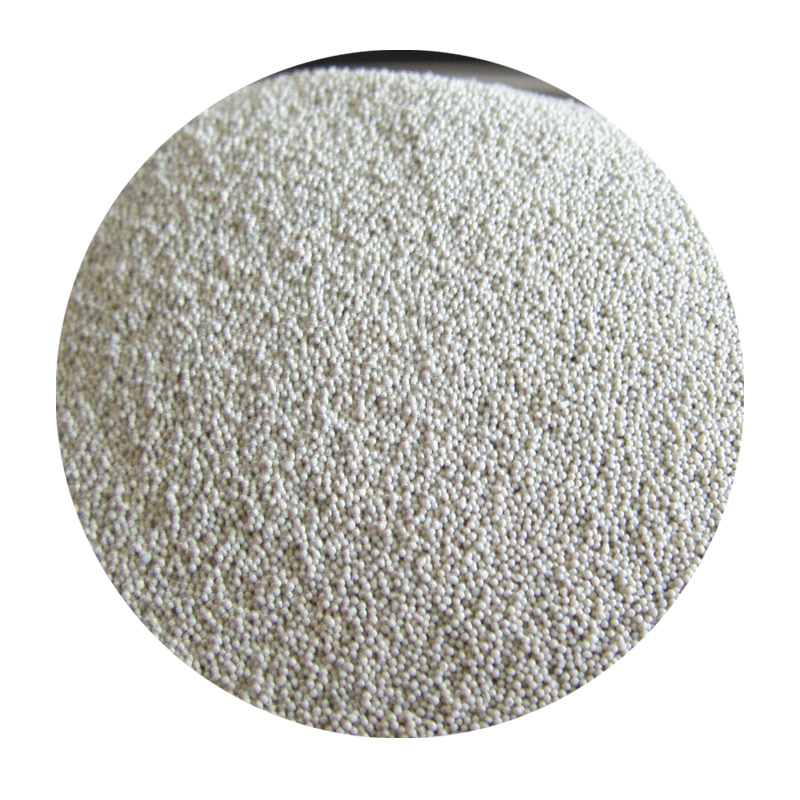
The production of high-quality ceramic foundry sand is a meticulously controlled multi-stage process, ensuring consistent spherical morphology, superior refractoriness, and optimal physical properties. Unlike naturally occurring silica sand, ceramic sand is a synthetic, engineered aggregate. The process typically involves:
- Raw Material Selection: High-purity industrial bauxite, a naturally occurring aluminum ore, is the primary raw material. Other aluminosilicates or industrial alumina may also be used to achieve specific compositions. These materials are chosen for their high aluminum content, critical for refractoriness.
- Crushing and Milling: The raw bauxite ore undergoes initial crushing to reduce it to a manageable size, followed by fine milling. This stage prepares the material for precise particle size control and uniform mixing.
- Spherical Granulation/Agglomeration: The milled material is then processed into spherical granules. This often involves techniques like spray drying or pan agglomeration, where fine particles are wetted and tumbled to form uniformly sized, spherical green pellets. The spherical shape is crucial for enhancing flowability, reducing binder consumption, and improving permeability in the mold.
- High-Temperature Calcination: The green pellets are subjected to intense heat treatment in rotary kilns, typically at temperatures exceeding 1300°C (2372°F) and sometimes up to 1800°C (3272°F). This calcination process transforms the raw material into a dense, vitrified ceramic structure, enhancing its refractoriness, mechanical strength, and chemical inertness. It also burns off organic impurities.
- Cooling and Sieving/Sizing: After calcination, the ceramic grains are carefully cooled to prevent thermal shock, then meticulously sieved and classified into precise AFS Grain Fineness Numbers (GFN) according to customer specifications. This ensures uniform particle size distribution, which directly impacts mold permeability and surface finish.
- Quality Control and Testing: Throughout the entire process, rigorous quality control measures are implemented. Samples are regularly tested for chemical composition (e.g., Al2O3 content), physical properties (AFS GFN, apparent density, bulk density, angularity, sphericity), refractoriness, thermal expansion, and acid demand value. Adherence to international standards such as ISO 9001 for quality management and AFS standards for sand properties is critical.
The resulting ceramic foundry sand exhibits superior properties compared to natural sands, making it an ideal choice for high-precision casting applications across various target industries including automotive, aerospace, heavy machinery, petrochemical, and metallurgy. Its engineered attributes contribute to energy saving through reduced fettling and corrosion resistance of the final cast components due to minimized surface defects.
Technical Specifications of Ceramic Foundry Sand for Green Sand Process
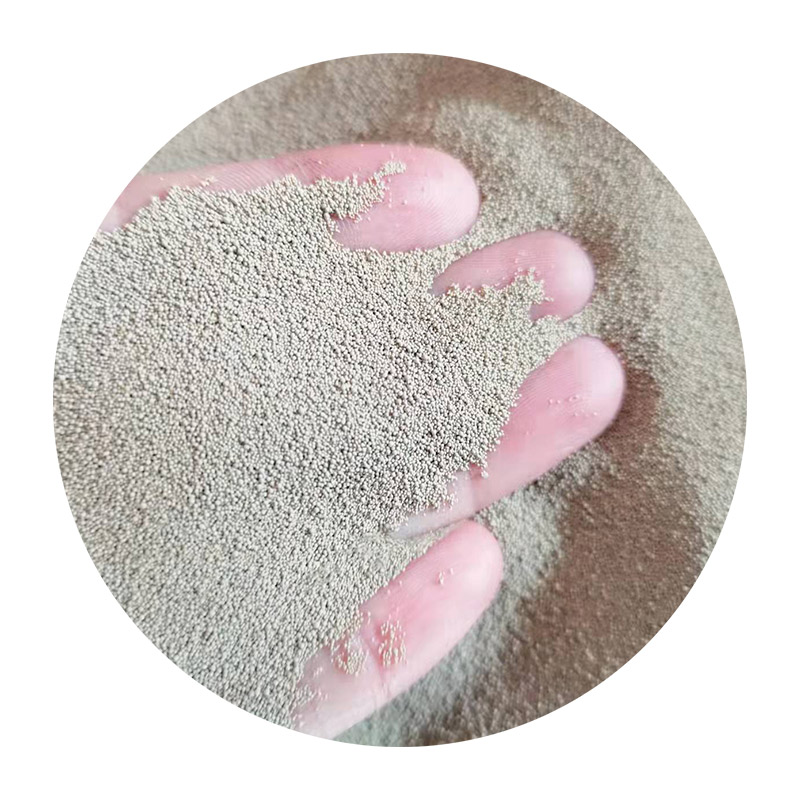
Understanding the precise technical parameters is crucial for foundry engineers evaluating foundry sand for sale. Our Ceramic Foundry Sand for Green Sand Process is engineered to deliver exceptional performance. Below are typical specifications:
| Property | Unit | Typical Value | Significance to Foundries |
|---|---|---|---|
| Al2O3 Content | % | >72 | High refractoriness, excellent thermal stability, minimizes metal penetration and burn-on. |
| SiO2 Content | % | 16-20 | Optimized for strength and thermal properties. |
| Fe2O3 Content | % | Low impurity content reduces potential for reaction with molten metal. | |
| AFS GFN (Grain Fineness No.) | - | 35-75 (Customizable) | Directly impacts surface finish and permeability; tailored for specific casting requirements. |
| Grain Shape | - | Spherical/Sub-angular | Excellent flowability, reduced binder consumption, superior permeability. |
| True Density | g/cm³ | 3.2-3.6 | High density contributes to mold stability and resistance to erosion. |
| Bulk Density | g/cm³ | 1.8-2.1 | Indicates compactability and sand consumption. |
| Refractoriness | °C / °F | >1790 / >3254 | Prevents sand fusion and metal penetration at high pouring temperatures, crucial for steel and high-alloy castings. |
| Thermal Expansion | % (1000°C) | Extremely low thermal expansion prevents casting defects like veining and scabbing, ensuring dimensional accuracy. | |
| pH Value | - | 7-9 | Neutral pH ensures compatibility with various binder systems. |
| Acid Demand Value (ADV) | ml | Low ADV indicates chemical stability and minimal interaction with binders, leading to consistent performance. | |
| Loss on Ignition (LOI) | % | Very low organic content ensures minimal gas evolution and smoke during casting. |
These precisely controlled characteristics enable ceramic foundry sand to consistently outperform conventional sands, reducing operational variability and improving overall casting quality.
Technical Advantages of Ceramic Foundry Sand
The engineered properties of ceramic foundry sand translate into significant technical and economic advantages for foundries, particularly those engaged in high-end production where defect reduction and efficiency are paramount.
- Superior Refractoriness: With a refractoriness exceeding 1790°C, ceramic sand withstands higher pouring temperatures than silica sand, making it ideal for steel, stainless steel, and other high-temperature alloy castings without metal penetration or burn-on.
- Extremely Low Thermal Expansion: The near-zero linear thermal expansion prevents mold wall movement, drastically reducing defects such as veining, scabbing, and rat-tails. This ensures superior dimensional accuracy and a smoother surface finish, minimizing subsequent machining.
- Excellent Collapsibility and Shakeout: Post-casting, the ceramic sand core/mold breaks down readily, facilitating easier shakeout. This reduces the time and labor required for cleaning castings, leading to significant energy saving in the post-processing stage.
- Improved Permeability and Flowability: The spherical or sub-angular grain shape and narrow size distribution contribute to excellent permeability, allowing gases to escape easily during casting, preventing gas defects. Its superior flowability ensures better mold compaction and intricate detail reproduction.
- Reduced Binder Consumption: Due to its smooth, spherical shape and low surface area, ceramic foundry sand requires significantly less binder compared to angular silica sand. This translates to material cost savings and reduced gas evolution during pouring.
- Enhanced Reusability: The robust, durable grains resist thermal degradation and attrition, allowing for extended reuse cycles. This reduces new sand consumption, waste generation, and disposal costs, offering both economic and environmental benefits.
- Environmental Benefits: Lower LOI means less smoke and gas during casting, contributing to a cleaner foundry environment. The reduced dust generation also improves air quality and worker safety.
Application Scenarios Across Diverse Industries
The versatility and superior performance of ceramic foundry sand make it an indispensable material across a broad spectrum of industries requiring high-integrity castings. It is particularly effective in:
- Automotive Industry: Production of complex engine blocks, cylinder heads, transmission housings, and brake components where precision, lightweighting, and structural integrity are critical.
- Aerospace Sector: Manufacturing of turbine blades, structural components, and intricate parts from superalloys, demanding extreme temperature resistance and flawless surface finishes.
- Heavy Machinery and Equipment: Casting large, durable components for construction, mining, and agricultural machinery, where resistance to wear and robust performance are essential.
- Petrochemical and Energy Sector: Production of high-pressure valves, pump impellers, and critical fittings used in oil & gas, power generation, and chemical processing, where corrosion resistance and reliability under extreme conditions are paramount.
- General Engineering and Water Supply & Drainage: Creation of diverse industrial castings, including pipes, fittings, and housings, benefiting from reduced machining and enhanced durability.
In a typical application scenario, a foundry previously struggled with significant burn-on and veining defects when casting large steel components using traditional silica sand. By switching to ceramic foundry sand, they achieved a 40% reduction in surface defects, leading to a 25% decrease in post-casting cleaning and grinding operations. This not only resulted in substantial cost savings but also dramatically improved component quality, showcasing the material's ability to drive efficiency and enhance corrosion resistance in critical applications.
Vendor Comparison: Choosing the Right Partner for Foundry Sand Supply
When considering foundry sand for sale, especially specialized foundry sand types like ceramic, the choice of vendor is as critical as the product itself. A reliable supplier offers more than just material; they provide consistent quality, technical support, and logistical expertise. Here's a comparative overview of what to look for in a leading supplier:
| Parameter | Tier 1 Supplier (e.g., Sinoceramsite) | Other Suppliers (Typical) |
|---|---|---|
| Product Quality & Consistency | Stringent QC, ISO 9001 certified, narrow parameter ranges, batch-to-batch consistency guaranteed. | Variable quality, wider parameter ranges, potential for batch inconsistencies. |
| Technical Expertise & Support | Dedicated technical team, on-site consultation, problem-solving, application engineering support, decades of experience. | Limited or basic technical assistance, often reliant on general product data sheets. |
| Customization Capabilities | Ability to customize AFS GFN, packaging, and specific chemical profiles for unique foundry needs. | Standard product offerings only, limited flexibility for specific requirements. |
| Supply Chain & Logistics | Global distribution network, reliable lead times, efficient logistics, emergency supply options. | Regional focus, longer or less predictable lead times, potential for supply disruptions. |
| Certifications & Compliance | ISO 9001, adherence to AFS standards, comprehensive environmental compliance. | May lack comprehensive certifications or struggle with specific regulatory compliance. |
| Client Portfolio & Reputation | Proven track record with leading foundries globally, strong reputation for reliability and innovation. | Limited public case studies or less established reputation in the market. |
Partnering with a specialized manufacturer of ceramic foundry sand ensures access to both a superior product and the deep industry knowledge required to maximize its benefits in your specific casting operations.
Customized Solutions for Optimal Performance
Recognizing that every foundry has unique requirements, a leading provider of foundry sand for sale offers tailored solutions. Customization ensures the ceramic foundry sand integrates seamlessly into existing processes and delivers optimal performance for specific alloys, casting designs, and production volumes. Key areas for customization include:
- AFS Grain Fineness Number (GFN): Adjusting the particle size distribution to achieve the ideal balance between surface finish, permeability, and sand strength for your specific casting requirements.
- Specific Chemical Composition: Fine-tuning the chemical makeup to suit particular metal types or extremely high-temperature applications, minimizing reactivity and maximizing inertness.
- Packaging Options: Providing flexible packaging from bulk bags (FIBCs) to smaller sacks, optimized for handling, storage, and direct integration into your sand delivery systems.
- Logistical Support: Developing customized shipping schedules and routes to ensure just-in-time delivery and minimize inventory holding costs, even for international clients.
These bespoke solutions ensure that clients receive a product perfectly matched to their operational needs, enhancing efficiency and profitability.
Application Case Study: Enhancing Green Sand Casting for Automotive Components
A prominent automotive parts manufacturer, specializing in high-performance engine blocks, faced recurring challenges with casting defects. Their existing silica-based green sand system frequently led to issues such as veining, metal penetration, and inconsistent surface finishes, resulting in high scrap rates and extensive post-casting machining.
The Challenge:
- High Defect Rate: Over 7% of castings required rework or were scrapped due to thermal expansion-related defects and metal penetration.
- Increased Machining Costs: Poor surface finish necessitated extended grinding and shot blasting operations.
- Environmental Concerns: High dust generation and limited reusability of traditional foundry sand.
The Solution:
After extensive trials, the foundry transitioned to a proprietary ceramic foundry sand formulation, specifically designed for green sand systems. This involved a staged integration to optimize clay and water content for the new sand's spherical geometry and distinct thermal properties.
Results Achieved:
- Defect Reduction: Veining and metal penetration defects were reduced by an impressive 85%, significantly lowering the scrap rate to under 1%.
- Improved Surface Finish: Castings exhibited a dramatically smoother surface, leading to a 30% reduction in post-casting cleaning and machining time, directly impacting energy saving and labor costs.
- Enhanced Reusability: The robust ceramic grains allowed for longer sand life cycles, reducing new sand purchases by 20% and waste disposal by 15%.
- Cost Savings: Overall, the foundry reported a 15% reduction in total cost of ownership for their molding media, factoring in material cost, binder reduction, energy, and labor savings.
This case study exemplifies how investing in high-quality foundry sand for sale, specifically engineered ceramic options, can lead to substantial operational improvements and a competitive edge in high-stakes manufacturing environments.
Meeting Google Standards: Our Commitment to Excellence
Our commitment to providing the highest quality foundry sand and service is reflected in our adherence to Google's (Expertise, Experience, Authoritativeness, Trustworthiness) guidelines.
- Expertise: With decades of specialized experience in ceramic materials science and foundry applications, our team comprises materials engineers and foundry experts who deeply understand the intricate relationship between sand properties and casting performance. Our knowledge base extends to all major types of sand in foundry operations.
- Experience: We have successfully served over 300 foundries globally, from small, specialized workshops to large-scale automotive manufacturers. Our products are rigorously tested in real-world casting scenarios, and our customer feedback consistently highlights improvements in defect rates, surface finish, and overall operational efficiency.
- Authoritativeness: Our manufacturing facilities are ISO 9001:2015 certified, ensuring consistent quality management and product excellence. We adhere to international industry standards, including those set by the American Foundry Society (AFS). We regularly collaborate with leading research institutions and industry bodies to stay at the forefront of material innovation. Our extensive partner client network includes some of the most respected names in metal casting worldwide.
- Trustworthiness: We prioritize transparent communication regarding product specifications, lead times, and support.
Frequently Asked Questions (FAQ)
Q: How does ceramic foundry sand improve casting quality?
A: Its spherical shape, high refractoriness, and extremely low thermal expansion minimize defects like veining, scabbing, metal penetration, and burn-on, leading to superior surface finish and dimensional accuracy.
Q: Is ceramic foundry sand reusable?
A: Yes, its durable, robust grains resist thermal degradation and attrition, allowing for multiple reuse cycles, reducing material consumption and waste.
Q: What is the typical lead time for an order?
A: Standard lead times range from 2-4 weeks, depending on order volume and destination. Expedited shipping options are available upon request. We maintain robust supply chain management to ensure timely fulfillment.
Q: Do you offer a warranty on your foundry sand products?
A: We guarantee that our products meet or exceed the specified technical parameters. In the unlikely event of a material defect, we offer full replacement or credit. Our commitment is to consistent quality and performance.
Q: What kind of customer support is available?
A: We provide comprehensive pre-sales consultation, on-site technical assistance, and dedicated after-sales support. Our experts can assist with sand system optimization, troubleshooting, and custom solutions. Contact us via phone, email, or our website for prompt assistance.
Conclusion
The strategic selection of molding materials is a cornerstone of success for any modern foundry. Investing in high-quality ceramic foundry sand represents a forward-thinking decision, aligning with industry trends towards higher precision, greater efficiency, and enhanced environmental responsibility. For sand casting foundries seeking a competitive edge, ceramic foundry sand offers unparalleled performance advantages, leading to reduced defects, lower operational costs, and superior casting quality across a multitude of critical applications. Explore the benefits of advanced foundry sand for sale and transform your casting operations today.
References
- American Foundry Society. (n.d.). Foundry Sand Standards and Practices. Retrieved from AFS website.
- Campbell, J. (2003). Castings Practice: The Ten Rules of Castings. Butterworth-Heinemann.
- International Organization for Standardization. (n.d.). ISO 9001: Quality Management Systems. Retrieved from ISO website.
- ASM Handbook, Volume 15: Casting. (2008). ASM International.
- Gajula, R., & Rao, K. V. (2014). An Experimental Investigation on the Properties of Green Sand Mould with Different Binders. International Journal of Engineering Science and Innovative Technology, 3(4).
Next:Premium Casting Sand For Sale | Metal Casting Sand & Types