
Driving Innovation: Industry Trends in Advanced Metal Casting Sands
The metal casting industry is undergoing a significant transformation, driven by demands for higher quality, increased efficiency, and reduced environmental impact. Foundries globally are actively seeking advanced materials that can overcome the limitations of traditional sands. Key trends include:
- High-Performance Materials: A growing preference for ceramic sands, zircon sands, and chromite sands over conventional silica sand due to superior thermal stability, lower thermal expansion, and enhanced reusability.
- Environmental Sustainability: Strict environmental regulations are pushing for materials with lower dust generation, reduced waste, and the potential for extensive recycling, contributing to a greener foundry operation.
- Precision and Surface Finish: The need for castings with tighter dimensional tolerances and improved surface finishes to minimize post-processing (e.g., machining, grinding), thereby reducing manufacturing costs and lead times.
- Energy Efficiency: Materials that contribute to fewer casting defects, reducing the need for re-melting and re-casting, indirectly saving energy.
- Automation and Digitalization: Integration of advanced sand systems with automated molding lines and digital simulation tools to optimize casting parameters and predict material behavior.
These trends highlight a critical shift towards specialized, high-quality granular materials, making the selection of appropriate casting sand for sale a strategic decision for any modern foundry aiming for competitive advantage. The demand spans across various sectors including automotive, aerospace, heavy machinery, and petrochemical industries.
Ceramcast Sand Ball Shape: Product Overview and Advanced Manufacturing Process
Ceramcast sand, offered as a ball-shaped ceramic proppant, represents a pinnacle in advanced casting sand for sale. Engineered for superior performance in demanding foundry applications, its unique properties are a direct result of a meticulously controlled manufacturing process. This synthetic ceramic sand offers an exceptional combination of refractoriness, low thermal expansion, and high strength, critical for producing high-quality metal castings.
Manufacturing Process of Ceramcast Ceramic Casting Sand
The production of Ceramcast sand involves several sophisticated steps, transforming raw materials into a highly engineered casting medium. This process ensures consistent quality and optimal performance, distinguishing it from naturally occurring sands.
- Raw Material Sourcing & Preparation: High-purity bauxite and other refractory minerals, carefully selected for their chemical composition and thermal properties, are acquired. These materials undergo crushing and milling to achieve a fine, homogeneous powder.
- Mixing and Granulation: The prepared raw material powder is mixed with specific binding agents and water. This mixture is then fed into a granulator, where it is transformed into spherical green balls of precise size through a controlled rolling process. The ball shape is crucial for optimal permeability and reduced binder consumption.
- High-Temperature Sintering/Firing: The green ceramic balls are subjected to extreme temperatures (typically above 1300°C) in rotary kilns. This sintering process vitrifies the particles, fusing them into a dense, strong, and highly refractory ceramic structure. This step imparts Ceramcast with its exceptional thermal stability and chemical inertness.
- Cooling, Crushing, and Sieving: After sintering, the hardened ceramic material is carefully cooled. While the primary product is spherical, some minor agglomeration might occur, requiring gentle crushing to separate individual balls. The material then passes through a series of precision sieves to achieve specific AFS (American Foundry Society) grain fineness numbers (GFN), ensuring a tightly controlled particle size distribution.
- Quality Control & Packaging: Throughout the entire process, rigorous quality control measures are implemented. This includes chemical analysis, physical property testing (e.g., specific gravity, bulk density, crush strength, refractoriness, thermal expansion), and particle size distribution analysis. Adherence to standards like ISO 9001 and ASTM E11 ensures product consistency before packaging for shipment.
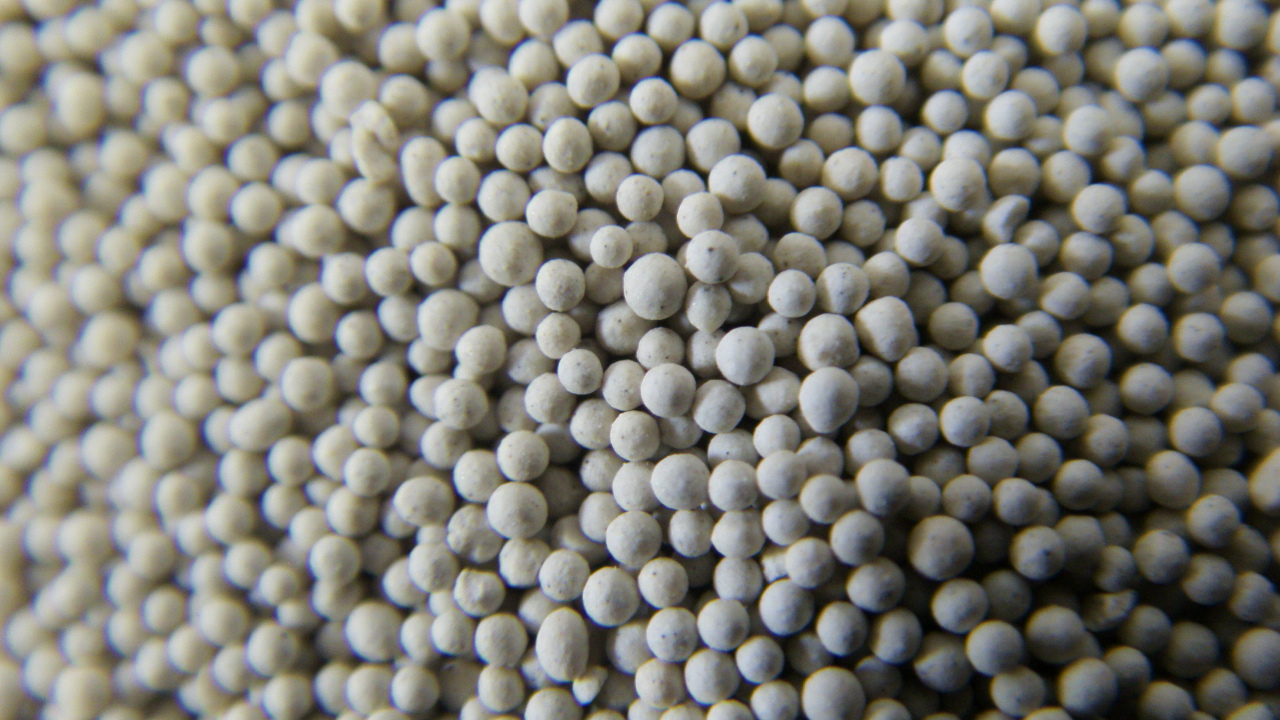
Figure 1: High-quality spherical ceramic casting sand.
Target Industries and Application Advantages
Ceramcast sand is ideally suited for industries requiring high-precision and defect-free castings. Its superior properties translate into significant advantages in application scenarios:
- Target Industries: Petrochemical, Metallurgy, Water Supply & Drainage, Automotive (engine blocks, cylinder heads), Aerospace (turbine components, structural parts), Heavy Machinery, Wind Power.
- Energy Saving: By minimizing casting defects such as veining, scabbing, and penetration, Ceramcast reduces the need for re-work and scrap, leading to lower energy consumption in re-melting and processing.
- Corrosion Resistance: The exceptional surface finish achieved with Ceramcast sand can contribute to improved integrity of the final metal component, indirectly enhancing its resistance to corrosion by reducing surface imperfections where corrosive agents might initiate attacks.
- Extended Service Life: For molds and cores, Ceramcast's high refractoriness and low thermal expansion prevent thermal shock and deformation, contributing to the extended service life of the mold itself, and more importantly, the dimensional stability and integrity of the resulting metal components.
Technical Specifications and Performance Parameters
Understanding the technical parameters of advanced casting sand for sale is crucial for foundries to optimize their processes and achieve desired casting quality. Ceramcast sand is engineered with specific properties that directly influence mold integrity, metal penetration, surface finish, and overall defect rates.
Key Technical Parameters of Ceramcast Sand
The following table details the typical specifications of Ceramcast sand, providing a clear reference for its performance capabilities.
| Parameter | Typical Value | Standard / Significance |
|---|---|---|
| AFS GFN (Grain Fineness Number) | 30-80 (Customizable) | Indicates particle size; finer grains for smoother finish. |
| Specific Gravity | 3.2 - 3.6 g/cm³ | Higher density for better mold stability. |
| Bulk Density | 1.8 - 2.1 g/cm³ | Affects mold compaction and permeability. |
| Refractoriness | >1790°C (3254°F) | Withstands high temperatures without degradation or fusion. (ISO 2200) |
| Thermal Expansion Coefficient | Very Low (≤ 0.1% at 1000°C) | Minimizes veining and cracking defects due to thermal shock. |
| Crush Strength (Unbonded) | High (e.g., >30 N/particle) | Indicates durability and resistance to breakdown during mixing and reclamation. |
| Chemical Composition (Al2O3) | >70% | High alumina content contributes to refractoriness and stability. |
| Shape | Spherical / Round | Enhances permeability, reduces binder consumption, improves flowability. |
Comparative Analysis: Ceramcast vs. Traditional Sands
A direct comparison highlights the distinct advantages Ceramcast offers over conventional sand types like silica and even other specialty sands such as chromite.
| Feature | Ceramcast Sand | Silica Sand | Chromite Sand |
|---|---|---|---|
| Refractoriness | Excellent (>1790°C) | Good (1450-1650°C) | Very Good (1750-1850°C) |
| Thermal Expansion | Very Low | High (causes veining) | Medium |
| Reusability | High (minimal breakdown) | Low (friable, high thermal expansion) | Medium (due to thermal shock) |
| Surface Finish of Casting | Excellent (spherical shape, low penetration) | Good (angular shape, higher penetration) | Good (similar to Ceramcast in some aspects but higher density) |
| Cost (Relative) | Moderate-High | Low | High |
| Acid/Alkali Resistance | High | Low | Medium |
| Binder Consumption | Low (spherical shape, low surface area) | High (angular, high surface area) | Medium |
This comparison demonstrates why investing in a high-performance casting sand for sale like Ceramcast can lead to significant long-term savings and quality improvements, despite a potentially higher initial material cost.
Application Scenarios and Technical Advantages
Ceramcast sand's superior characteristics make it an ideal choice for a diverse range of metal casting applications where precision, performance, and cost-efficiency are paramount. Its technical advantages translate directly into tangible benefits for foundries.
Optimal Application Scenarios
- Precision Casting: For components requiring tight dimensional tolerances and intricate details, often found in aerospace, medical, and high-tech industries.
- Complex Geometries & Thin-Walled Castings: The excellent flowability and low thermal expansion prevent distortion and ensure complete mold fill, crucial for complex parts.
- High-Alloy and Special Steel Castings: Its high refractoriness prevents metal penetration and burn-on when casting high-temperature alloys.
- Automotive and Heavy Machinery Components: Used for engine blocks, cylinder heads, transmission casings, and large industrial components where structural integrity and smooth surfaces are critical.
- Investment Casting Shells: Can be used as a primary or secondary refractory stucco layer due to its fine grain size and thermal stability.
Key Technical Advantages
The inherent properties of Ceramcast casting sand for sale offer a multitude of benefits to the casting process:
- Reduced Casting Defects:
- No Veining or Scabbing: Minimal thermal expansion eliminates these common defects caused by sand expansion.
- Eliminated Metal Penetration: High refractoriness and density prevent molten metal from penetrating the mold surface.
- Reduced Gas Defects: Excellent permeability due to spherical shape allows gases to escape efficiently.
- Superior Surface Finish: The smooth, spherical grains and low binder requirement contribute to exceptionally smooth casting surfaces, significantly reducing the need for costly post-casting fettling and grinding operations.
- High Dimensional Accuracy: The chemical inertness and stable physical properties of Ceramcast ensure minimal mold deformation, leading to highly accurate and consistent casting dimensions.
- Enhanced Reusability: Its high strength and resistance to thermal shock mean Ceramcast sand breaks down minimally during casting and reclamation, allowing for up to 95% reusability over multiple cycles, significantly reducing new sand consumption and waste disposal costs.
- Lower Binder Consumption: The spherical shape and smooth surface area of Ceramcast sand require less binder to achieve optimal strength, leading to reduced material costs and less gas evolution during pouring.
- Environmental Benefits: Reduced dust generation, lower binder content, and high reusability contribute to a cleaner, safer foundry environment and reduced landfill waste.
- Overall Cost-Effectiveness: While the initial cost per ton may be higher than silica, the total cost of ownership is often lower due to reduced defect rates, minimized post-processing, lower binder usage, and extended sand life.
These advantages position Ceramcast as a strategic investment for foundries committed to producing high-quality castings efficiently and sustainably.
Strategic Vendor Comparison for Metal Casting Sands
Selecting the right supplier for advanced casting sand for sale is as critical as choosing the sand itself. A reliable vendor provides not just a product, but a partnership rooted in quality, technical expertise, and consistent support.
Key Criteria for Vendor Evaluation:
- Product Quality Consistency: The ability to consistently supply sand that meets stringent chemical and physical specifications batch after batch is paramount. Inconsistencies can lead to unpredictable casting quality and increased scrap rates.
- Technical Support and Expertise: A vendor should offer more than just a product. Access to experienced metallurgists and foundry experts who can provide guidance on sand system optimization, binder selection, and defect analysis is invaluable.
- Supply Chain Reliability: Global distribution capabilities, robust inventory management, and flexible logistics are crucial to ensure timely delivery and prevent production stoppages, especially for international operations.
- Customization Capabilities: The ability to tailor sand properties (e.g., AFS GFN, specific chemical compositions) to unique foundry requirements or specific alloy systems demonstrates a deep understanding of customer needs.
- Certifications and Compliance: Adherence to international quality standards (e.g., ISO 9001) and environmental regulations (e.g., ISO 14001) signals a commitment to quality and responsible manufacturing.
- Research & Development Investment: A vendor that continually invests in R&D is likely to offer innovative solutions and adapt to future industry challenges, ensuring long-term partnership value.
Our commitment at Sinoceramsite is to excel in all these areas, positioning Ceramcast not just as a superior product, but as a component of a comprehensive solution for modern foundries. Our long-standing expertise in ceramic materials, coupled with rigorous quality assurance, ensures that every delivery of Ceramcast sand meets the highest industry benchmarks.
Customized Solutions for Specialized Casting Needs
Recognizing that no two foundries or casting applications are identical, we offer highly customized solutions for our Ceramcast casting sand for sale. This bespoke approach ensures optimal performance, process compatibility, and cost-efficiency for even the most demanding projects.
Tailoring Sand Properties for Specific Alloys and Processes:
- AFS GFN Adjustment: We can precisely control the AFS GFN to match the desired surface finish and permeability requirements for various metals, from aluminum and copper alloys to specialized steels and superalloys. Finer grades are available for exquisite surface finishes, while coarser grades can be optimized for permeability in larger sections.
- Binder Compatibility Optimization: Our technical team assists in selecting the ideal Ceramcast variant that integrates seamlessly with existing binder systems, including furan, phenolic urethane (no-bake), alkaline phenolic, and inorganic binders. We can also provide recommendations for binder system adjustments to maximize performance.
- Chemical Composition Fine-tuning: For highly specialized applications where specific chemical inertness is required, we can adjust the minor element composition of Ceramcast to prevent reactions with exotic metal alloys.
- Custom Particle Size Distribution: Beyond standard AFS GFN, we can engineer custom particle size distributions to address specific permeability, compaction, or surface finish challenges.
Comprehensive Consultation Services:
Our service extends beyond product delivery to include expert consultation aimed at process optimization:
- Process Audits: On-site evaluation of current casting processes to identify opportunities for improvement through Ceramcast integration.
- Defect Analysis: Collaborative troubleshooting of casting defects to determine if sand properties or system adjustments can provide a solution.
- Training & Implementation Support: Providing guidance and training to foundry personnel on best practices for handling, mixing, and reclaiming Ceramcast sand to ensure smooth transition and maximum benefit.
By offering a tailored approach to casting sand for sale, we empower our clients to achieve unparalleled casting quality and efficiency, solidifying our role as a trusted partner in their success.
Application Case Studies: Proving Ceramcast Value in Real-World Operations
The tangible benefits of Ceramcast casting sand for sale are best illustrated through real-world applications where foundries have achieved significant improvements in quality, efficiency, and cost reduction.
Case Study 1: Automotive Engine Block Manufacturer
A leading automotive components manufacturer was experiencing persistent veining and surface roughnes issues in their complex iron engine block castings, leading to high scrap rates and extensive post-machining.
- Challenge: High scrap rate (8%) due to thermal expansion-related defects and poor surface finish with traditional silica sand.
- Solution: Implemented Ceramcast sand in their core shop, replacing silica sand for critical core components.
- Results:
- Scrap Rate Reduction: Defects reduced by 75%, lowering the overall scrap rate to less than 2%.
- Surface Finish Improvement: Average surface roughness (Ra) improved by 35%, leading to a reduction in post-casting grinding by 40%.
- Cost Savings: Annual savings of over $500,000 attributed to reduced scrap, less rework, and lower tool wear during machining.
Case Study 2: Aerospace Turbine Component Producer
An aerospace foundry specialized in nickel-based superalloy turbine components faced challenges achieving tight dimensional tolerances and preventing surface contamination due to high pouring temperatures.
- Challenge: Difficulty maintaining dimensional precision and preventing localized burn-on at high pouring temperatures (>1600°C) with chromite sand.
- Solution: Transitioned to a finer grade Ceramcast sand for primary mold faces and cores.
- Results:
- Dimensional Accuracy: Achieved a 20% improvement in dimensional consistency, reducing deviation by 0.05mm on critical features.
- Reduced Surface Defects: Eliminated burn-on and metal penetration, significantly reducing the need for costly post-casting NDT (Non-Destructive Testing) and repairs.
- Machining Time Reduction: Less material needed to be removed, contributing to a 15% reduction in overall machining time for these complex components.
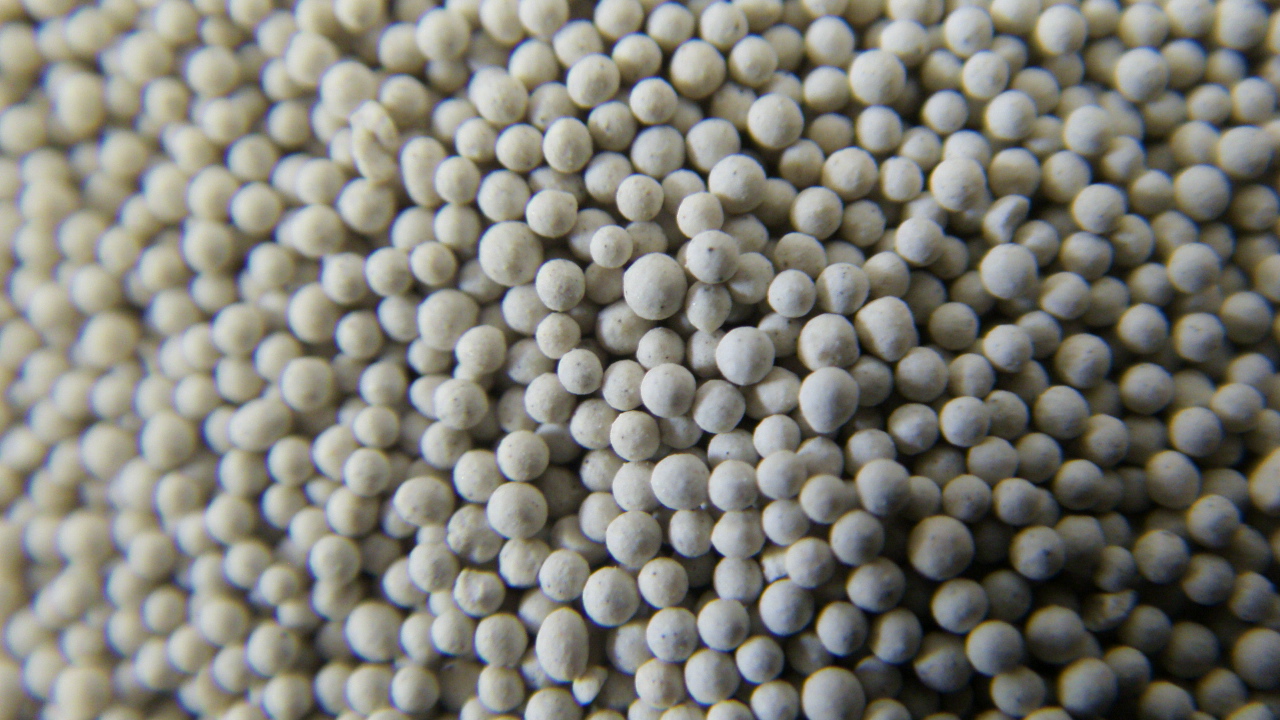
Figure 2: Castings with superior surface finish and precision enabled by Ceramcast sand.
These case studies underscore the transformative impact of selecting the right `casting sand for sale` and partnering with a vendor committed to quality and technical support.
Ensuring Trust and Reliability: FAQs, Lead Times, Warranty, and Support
At Sinoceramsite, our commitment to our clients extends beyond delivering high-quality casting sand for sale. We build enduring partnerships based on transparency, reliability, and unparalleled support.
Frequently Asked Questions (FAQs)
- Q1: What makes Ceramcast superior to traditional silica sand?
- A1: Ceramcast offers significantly higher refractoriness (>1790°C vs. ~1600°C), extremely low thermal expansion (eliminating veining), superior crush strength, high reusability (up to 95%), and a perfectly spherical shape for better permeability and reduced binder consumption. These properties lead to fewer defects and better casting quality.
- Q2: Can Ceramcast be integrated into existing binder systems and foundry equipment?
- A2: Yes, Ceramcast is designed for compatibility with most common organic and inorganic binder systems (e.g., furan, phenolic urethane, alkaline phenolic). Due to its spherical shape and low surface area, binder consumption can often be reduced. Minor adjustments to mixing or reclamation equipment may be beneficial but are generally not required for basic integration.
- Q3: What are the environmental benefits of using Ceramcast sand?
- A3: Ceramcast's high reusability dramatically reduces the amount of new sand required and waste generated. Its robust nature leads to less fines and dust, improving air quality in the foundry. Reduced binder usage also means lower emissions from organic compounds.
- Q4: How does the quality of `casting sand for sale` directly impact the final product quality?
- A4: The quality of casting sand directly influences surface finish, dimensional accuracy, and the presence of defects (like veining, scabbing, penetration, gas porosity). High-quality sand like Ceramcast minimizes these issues, reducing scrap rates, post-processing, and ultimately leading to a superior, more reliable final cast product.
Lead Time and Fulfillment
We maintain robust production capabilities and strategic inventory levels to ensure timely delivery. Standard lead times typically range from 2-4 weeks for major international shipments, depending on volume and destination. Expedited options are available for urgent requirements. Our global logistics network facilitates efficient and reliable delivery worldwide.
Warranty and Quality Assurance
Every batch of Ceramcast sand is accompanied by a Certificate of Analysis, guaranteeing adherence to published specifications and agreed-upon parameters. We warrant our products against defects in material and workmanship, ensuring they meet industry standards (e.g., ASTM, ISO) and customer-specific requirements. Any material found not to conform to agreed specifications will be addressed promptly according to our quality assurance protocols.
Dedicated Customer Support and Technical Assistance
Our dedicated team of technical experts and customer service representatives is available to assist with product selection, application guidance, troubleshooting, and post-sales support. We offer:
- 24/7 Online Support: Through our website and dedicated communication channels.
- On-site Technical Visits: For complex issues or process optimization, our experts can provide direct assistance at your facility.
- Training Programs: Customizable training sessions for your foundry staff to maximize the benefits of Ceramcast sand.
Partner with Sinoceramsite for a reliable source of high-performance `casting sand for sale` and a commitment to your operational success.
Conclusion
The evolution of the metal casting industry demands materials that transcend traditional limitations, offering superior performance, economic efficiency, and environmental responsibility. Ceramcast sand for sale embodies this progress, providing foundries with a high-performance ceramic solution capable of delivering exceptional casting quality, reducing operational costs, and fostering sustainable practices. Its unique spherical shape, high refractoriness, low thermal expansion, and remarkable reusability address critical challenges faced by modern casting operations across diverse industries. By choosing Ceramcast, foundries are not just procuring a raw material; they are investing in a strategic advantage that drives innovation, enhances product integrity, and secures long-term profitability. Our unwavering commitment to quality, technical support, and customized solutions ensures that our partners receive not only the best casting sand for sale but also a reliable ally in their pursuit of foundry excellence.
References
- American Foundry Society. (2023). AFS Metalcasting Industry Trends Report. Retrieved from AFS Publications.
- International Organization for Standardization. (2020). ISO 9001:2015 Quality management systems - Requirements. ISO.
- Campbell, J. (2004). Castings Practice: The 10 Rules of Castings. Butterworth-Heinemann.
- ASM International. (2008). ASM Handbook, Vol 15: Casting. ASM International.
- European Foundry Association (CAEF). (2022). European Foundry Industry Report. CAEF.
Next:Premium Resin Coated Sand: Enhanced Casting & Frac Performance