
Ceramic Foundry Sand: Insider Notes from the Shop Floor
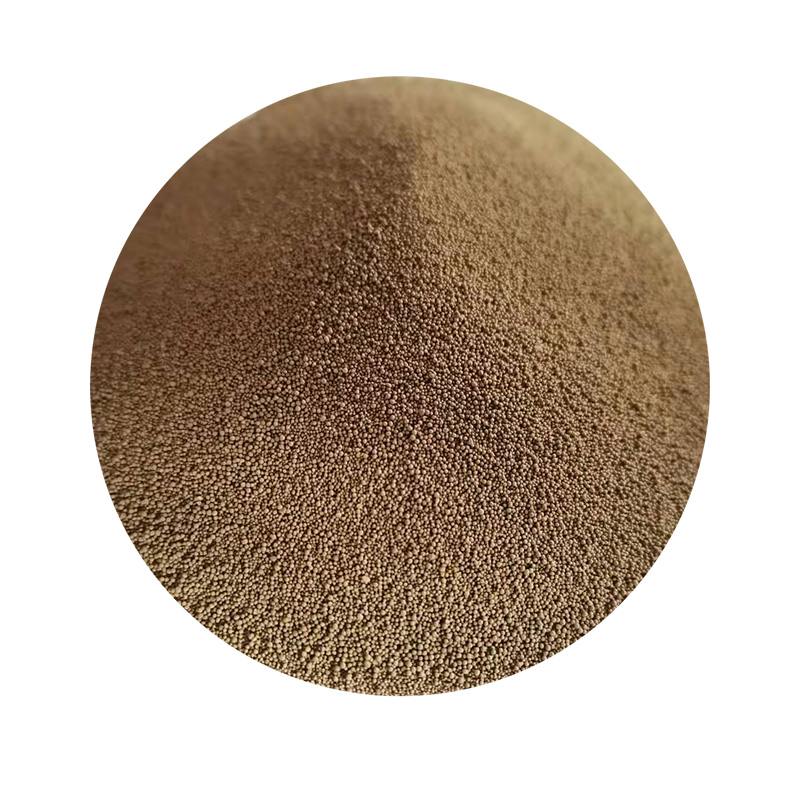
If you’re still pouring with standard silica, it may be time to look at ceramsite. I spent a day at the Songjiang plant last spring—lots of dust, a surprising amount of data, and frankly, a convincing case for switching. The product, branded as “Ceramic foundry sand largest manufacture in China,” is the sintered type many engineers quietly prefer: high refractoriness, tiny thermal expansion, and it reclaims like a champ.
Why foundries are pivoting now
Two trends keep coming up in meetings: tighter casting tolerances (EV drivetrain housings, pumps) and pressure to cut binder emissions. ceramsite answers both. Many customers say they trimmed binder by 15–30% while nudging yields up because of better flowability and less veining. And yes, the sand bills look higher at first—but reclamation cycles tend to level the playing field.
Technical snapshot
| Main composition | Al2O3 + SiO2 (alumina-silica matrix) |
| Bulk density | ≈ 1.45–1.60 g/cm³ (black ceramic sand ≈ 1.8–2.1 g/cm³) |
| Refractoriness | Typically > 1,800°C (real-world use may vary by binder/metal) |
| Thermal expansion | Very low vs. silica; stable molds/cores up to high temps |
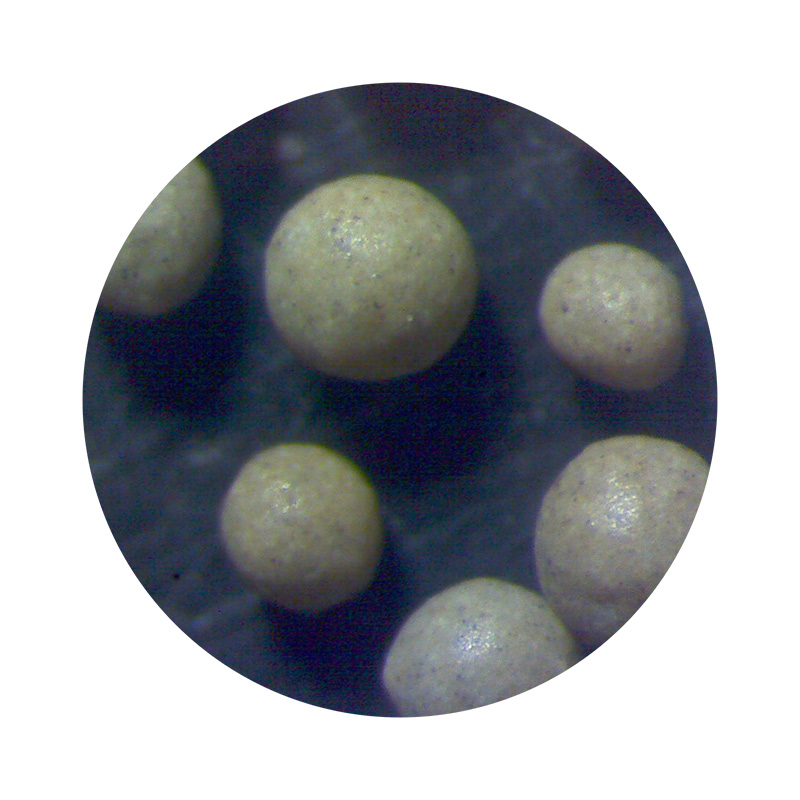
| Shape / flow | Rounded, high flowability; reduces coating demand |
| Reclamation | >10× vs. silica; >3× vs. black ceramic sand (shop results) |
| AFS fineness | Common cuts: 40/70, 50/100, etc. (ASTM E11 sieves) |
How it’s made (quick but real)
Materials: selected alumina-silica feedstocks. Method: precision granulation, sintering in rotary kilns, controlled cooling, rounding, screening, magnetic separation, dedusting. Testing: particle size (ASTM E11/AFS), LOI/ADV (AFS), bulk density (AFS), thermal expansion (ASTM E228 dilatometry), refractoriness and crush resistance per internal QC aligned to AFS practices. Service life: often 10+ reclamation cycles with mechanical/thermal reclaim sets; I’ve seen shops push further with tight process control.
Applications I keep seeing
- Ferrous: ductile iron housings, railway and wind components where veining kills scrap rates.
- Nonferrous: aluminum cylinder heads, EV gearboxes; cleaner surfaces, less coating.
- Processes: furan/phenolic resin-bonded, sodium silicate, and binder-jet 3D sand printing. ceramsite feeds consistently in printers, which machinists love later.
Vendor and material comparison (field-notes version)
| Option | Key strengths | Watch-outs |
|---|---|---|
| Sintered ceramic sand (this product) | Low expansion, high refractoriness, easy reclaim; lower bulk density helps filling | Higher upfront price; dial-in required on binder percentages |
| Silica sand (typical supplier) | Low cost, widely available | Thermal expansion, veining risk, lower reclamation life, potential binder overuse |
| Black ceramic sand (other vendors) | Similar heat resistance to sintered ceramics | Higher bulk density; typically fewer reclamation cycles |
Real cases (short and sweet)
Automotive aluminum foundry: switched core rooms to ceramsite, binder -22%, coating -18%, scrap down 1.6%. Payback ≈ 4–6 months after reclaim install.
Ductile iron pump housings: surface defects reduced, shakeout faster; operators reported less dust and better core strength consistency.
Customization & assurance
Custom AFS cuts, blended curves for 3D printing, and tailored ADV targets are common. Typical certifications: ISO 9001 for QA; many export customers also ask for material safety data, RoHS/REACH statements. Origin: No.669 of Xinmiao Sanlu, Xinqiao Town, Songjiang Dist, Shanghai.
Spec tips before you order
- Lock sieve curve to your casting geometry (ASTM E11).
- Run a small binder ladder test; ceramsite often needs less resin.
- Verify reclamation plan—mechanical plus thermal usually pays off fastest.
Selected references
- American Foundry Society (AFS), Mold & Core Test Handbook, latest edition.
- ASTM E11 – Standard Specification for Woven Wire Test Sieve Cloth and Test Sieves.
- ASTM E228 – Standard Test Method for Linear Thermal Expansion of Solid Materials.
Next:Foundry Sand for Sale – Ceramic & Silica, Bulk, Fast Ship