
Insider’s take: where to find dependable foundry sand for green sand castings
If you’re seriously hunting foundry sand for sale, here’s what’s actually working on the shop floor right now. Ceramic foundry sand—sometimes called ceramsite—has been quietly replacing high-silica sand in green sand lines. The pitch is simple: better thermal stability, lower veining, and cleaner finishes with fewer rework loops. In my notes, many customers say the shift paid back faster than expected.
Origin matters too. The material examined here—Ceramic foundry sand for green sand process—ships from No.669 of Xinmiao Sanlu, Xinqiao Town, Songjiang Dist, Shanghai. Not a reseller maze; an actual producer, which helps with consistency and customization.
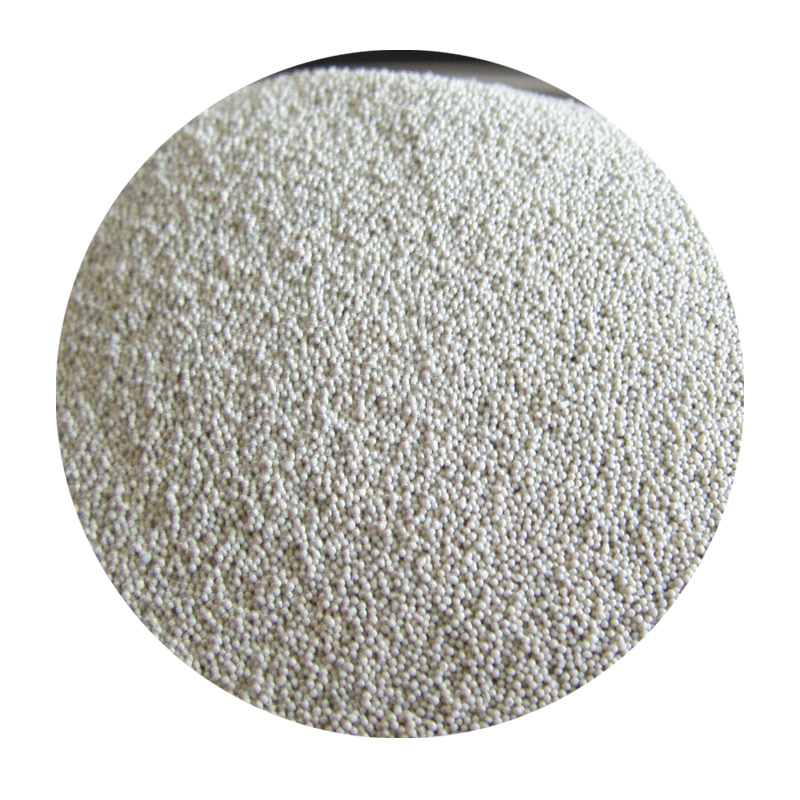
Why ceramic in green sand? Quick trend check
- Lower thermal expansion vs. silica, which means less veining and scabbing on iron and steel.
- Rounder grains improve permeability at the same AFS GFN; mulling feels easier, to be honest.
- Extremely low free silica—aligns with health regulations and plant air monitoring practices.
- Reclaimable across many cycles; real-world use may vary with binder and housekeeping.
Product specs (field-proven, lab-checked)
| Material | Ceramic (alumino-silicate) foundry sand |
| Typical chemistry | Al2O3 ≈ 70±2%; SiO2 ≈ 25±2% |
| AFS GFN range | ≈ 45–95 (custom cuts available) |
| Thermal expansion | ≤ 0.8×10^-6/°C (20–1000°C) |
| Refractoriness | > 1800°C |
| Bulk density | ≈ 1.85–1.95 g/cm³ |
| Roundness | Krumbein ≈ 0.7–0.9 |
| Free silica | |
| Service life (reclaim) | ≈ 15–30 cycles in green sand, depending on housekeeping |
| Packaging | 25 kg bags or 1 t jumbo; palletized |
| Certifications | ISO 9001; ISO 14001 (supplier doc set on request) |
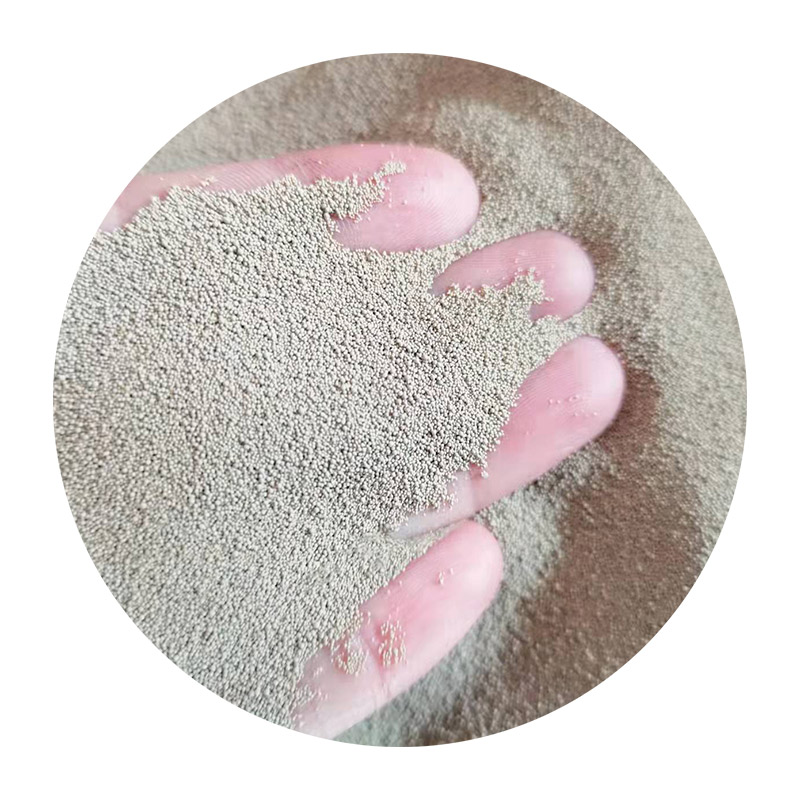
Process flow, methods, and testing
Green sand mix (typical): 88–94% ceramic sand, 3–8% bentonite, 2–4% water, 1–3% sea coal (or alternatives). Mull to temperature and target moisture; let the clay fully hydrate. Controls I’ve seen work well:
- Sieve analysis: ASTM E11; AFS 1106 for GFN verification.
- Moisture: ASTM D2216; LOI: AFS 1131.
- Green compression and permeability: AFS standards (e.g., AFS 3300/AFS 2109).
Shop-floor results (illustrative): permeability 80–120; green compression 0.18–0.25 MPa; surface finish often improves by ≈ 1–2 Ra classes vs. silica—your mileage will vary with molding energy and pattern design.
Where it excels
- Grey/ductile iron housings, brake components, pump/valve bodies.
- Steel castings needing anti-veining behavior on sharp cores.
- Aluminum/bronze parts where reduced burn-on cuts fettling hours.
Vendor snapshot (apples-to-apples-ish)
| Vendor | Origin | Free Silica | AFS GFN | Certs | Notes |
|---|---|---|---|---|---|
| Ceramic foundry sand (Shanghai) | Songjiang, Shanghai | 45–95 | ISO 9001/14001 | Low expansion; strong anti-veining | |
| Generic bauxite-based ceramic | Multiple | 50–80 | Varies | Specs vary; verify roundness | |
| Washed silica sand | Regional | > 90% | 40–100 | Local | Higher expansion; lower cost |
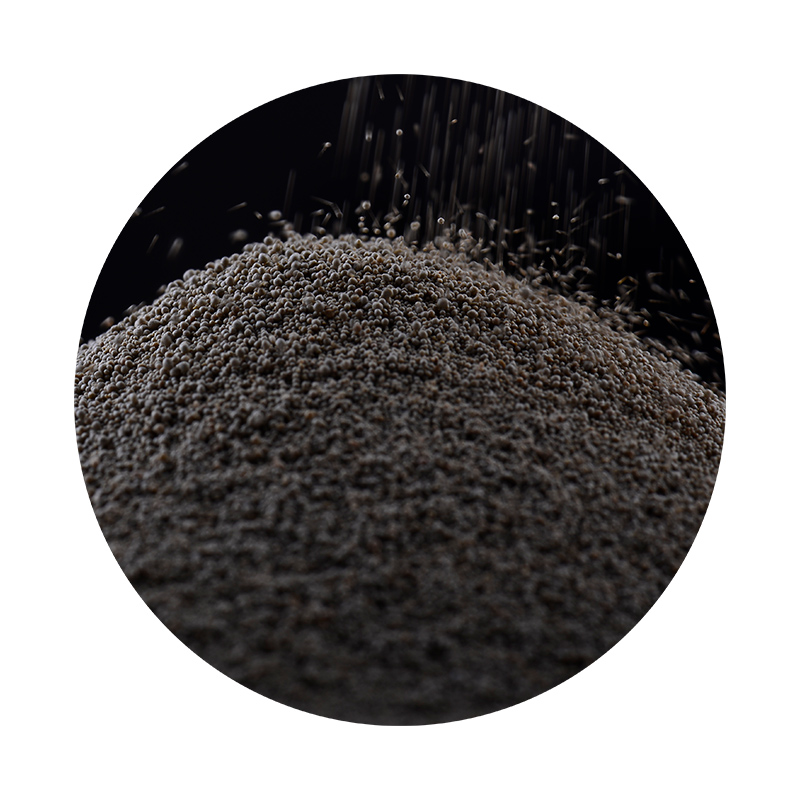
Customization, logistics, and field feedback
- Custom cuts: narrow PSDs for thin-wall castings; blends to hit target permeability without over-watering.
- MOQ: ≈ 5 t; lead time: 7–15 days ex-works (seasonal demand can shift this).
- QC pack: sieve curves, LOI, bulk density, AFS GFN, and expansion report attached to lots.
Case in point: a mid-size ductile iron foundry reported ≈18% scrap reduction for veining-related defects and trimmed fettling by about 12% after switching—surprisingly fast win given no major tooling changes.
If you’re weighing suppliers for foundry sand for sale, ask for current GFN certificates, an AFS expansion curve, and a small trial tote. Real-world muller behavior tells you more than a glossy PDF.
Testing and standards to reference
- AFS 1106 (grain fineness), AFS 3300-series (strength/permeability)
- ASTM E11 (sieves), ASTM D2216 (moisture), AFS 1131 (LOI)
- ISO 9001/14001 for supplier management; low free-silica helps with occupational exposure programs
References
- American Foundry Society (AFS) Mold & Core Test Standards, including AFS 1106-00-S.
- ASTM E11-20: Standard Specification for Woven Wire Test Sieve Cloth and Test Sieves.
- ISO 9001:2015 and ISO 14001:2015 Quality and Environmental Management Systems.
Next:High Refractoriness Ceramsite Foundry Sand for Steel Casting - Hebei Shenghuo New Material Technology Co., Ltd.