
Exploring Modern Sand Casting Solutions for Steel, Iron and Alloy Manufacturing
The metal casting industry continues to evolve with new technologies shaping manufacturing capabilities. Among various processes, sand casting metal remains a fundamental technique for producing complex metal components across industries. This comprehensive guide examines industry trends, technical specifications, and innovations in sand castings including specialized processes for sand casting steel and sand casting iron.
Industry Evolution in Sand Casting Techniques
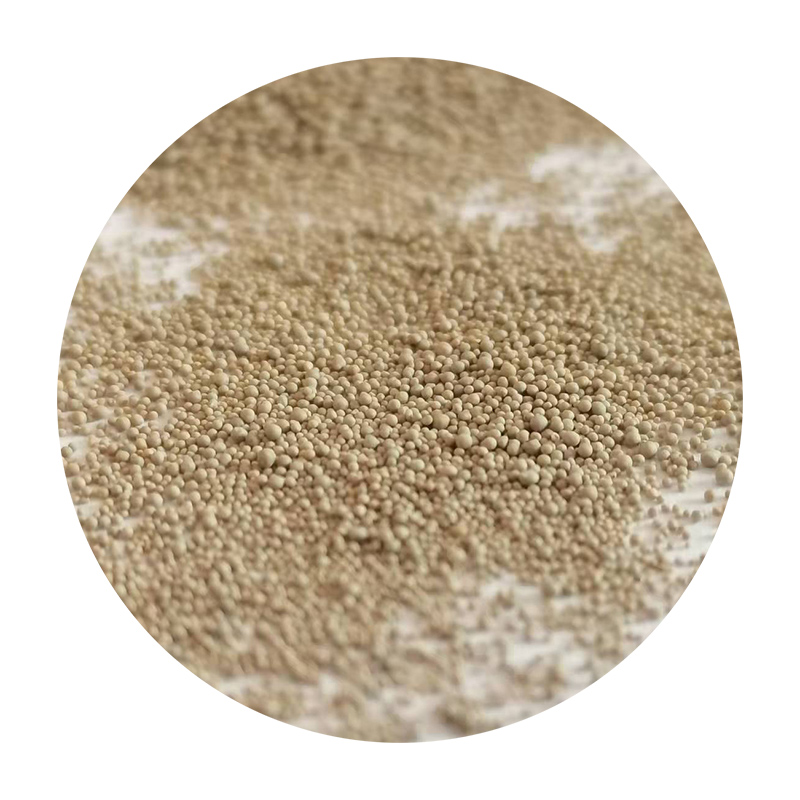
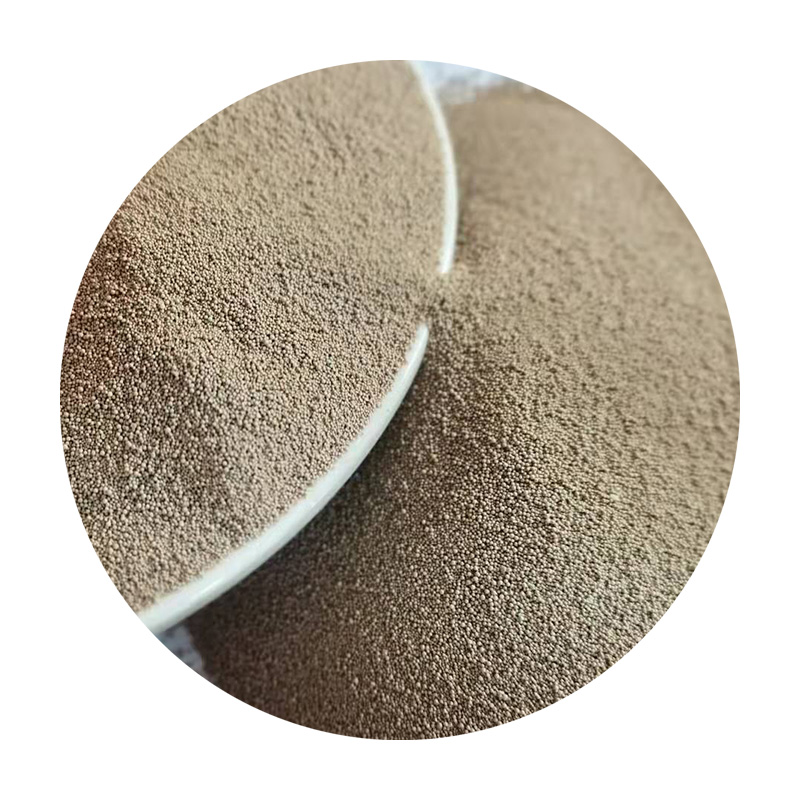
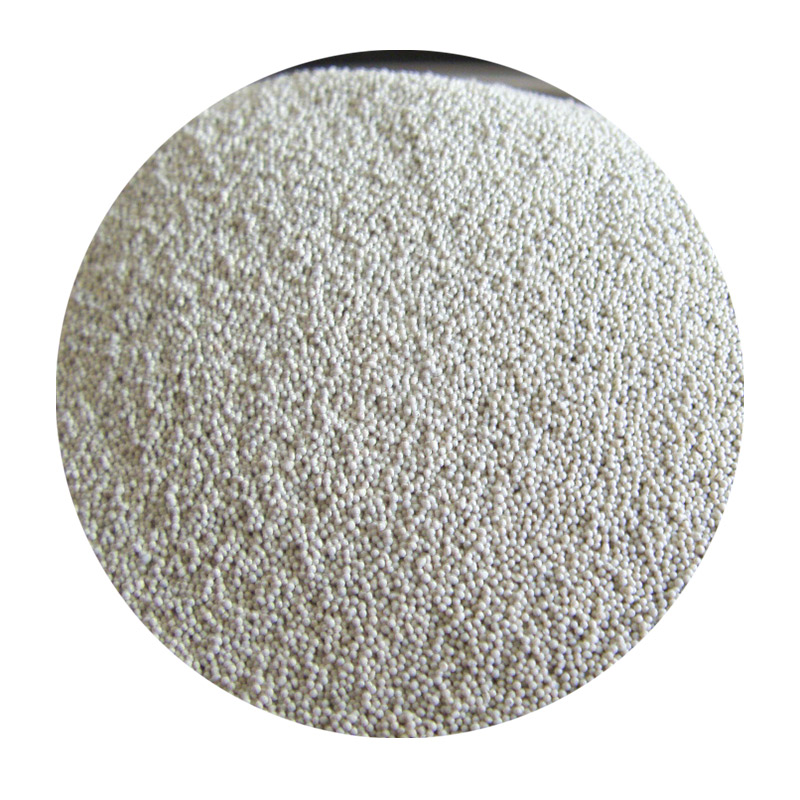
Modern sand casting metal processes have transformed significantly over the past decade. Foundries worldwide are adopting new molding technologies, binder systems, and simulation software to enhance dimensional accuracy and surface finish of sand castings. The steel sand casting segment specifically has witnessed:
- Improved dimensional tolerances reaching CT7-CT9 (ISO 8062)
- Reduction in surface roughness to Ra 12.5-50 μm
- Enhanced cooling rate control for superior metallurgical properties
- Automation in mold production increasing output by 35-60%
Global Market Growth Projections
The global sand casting market is projected to grow at 5.8% CAGR through 2029 (Source: Foundry Trade Journal), driven largely by increasing demand from the automotive, aerospace, and heavy equipment sectors. The sand casting steel segment accounts for approximately 42% of all sand-cast metal components by weight.
Technical Specifications: Sand Casting Parameters
| Parameter | Steel Sand Casting | Iron Sand Casting | Aluminum Sand Casting | Recommendations |
|---|---|---|---|---|
| Pouring Temperature | 1540-1600°C | 1250-1420°C | 680-760°C | ±25°C tolerance |
| Typical Wall Thickness | 5-150 mm | 3-100 mm | 4-50 mm | Minimum 3mm for steel |
| Shrinkage Allowance | 2.0-2.5% | 0.8-1.3% | 1.3-1.8% | Varies by alloy |
| Standard Tolerance | ISO CT10-CT13 | ISO CT11-CT14 | ISO CT8-CT10 | Improve with simulation |
| Surface Finish (Ra) | 12.5-50 μm | 6.3-25 μm | 3.2-12.5 μm | Depends on sand type |
Material Selection Guide
The choice of casting material dramatically affects process parameters and final properties. For high-strength applications requiring superior fatigue resistance, steel sand casting is preferred, with common grades including:
- Carbon steels: 1020, 1030, 1045
- Low alloy steels: 4130, 4140, 8630
- Stainless steels: CA15, CA6NM, CB7Cu-1
Iron sand castings offer excellent machinability and damping capacity, making them suitable for bases and housings.
Unique Sand Casting Solutions
Unique sand casting techniques like Ceramcast spherical sand offer transformative benefits:
- 30% reduction in binder requirements
- 15% improvement in collapsibility
- Enhanced dimensional stability in complex molds
- 25% reduction in gas defects
Shenghuo's Ceramcast delivers these advantages through its proprietary spherical formulation - the next evolution in the sand cast process.
Innovative Sand Technologies
The development of unique sand casting materials has revolutionized mold quality and casting precision. Shenghuo New Material's Ceramcast spherical sand delivers breakthrough performance characteristics:
Technical advantages of spherical foundry sands include:
- Higher compactability (>48%) reducing mold preparation time
- Superior flow characteristics increasing core density uniformity
- 25% reduction in binder consumption
- Lower thermal expansion minimizing casting veining
- Natural collapsibility reducing finishing costs
Shenghuo New Material Technology Co., Ltd.
Leading manufacturer of advanced foundry materials including Ceramcast spherical sand technology. Our steel sand casting foundry solutions are used by premier manufacturers worldwide.
Website: https://www.sinoceramsite.com
Email: shenghuo@sinoceramsite.com
Phone: +86 18603200690
Address: No.669 of Xinmiao Sanlu, Xinqiao Town, Songjiang Dist, Shanghai.
Technical Parameters Analysis
Modern simulation software has transformed sand casting metal processes. Current capabilities include:
- Solidification modeling reducing shrinkage defects by 40-75%
- Flow and thermal simulation optimizing gating systems
- Residual stress prediction minimizing post-casting distortion
- Microstructure modeling predicting mechanical properties
Industry Applications & Case Studies
The versatility of sand castings makes them suitable for numerous applications:
Automotive Components
Steel sand casting produces critical components including engine brackets, suspension parts, and transmission housings where complex geometries combine with durability requirements.
Heavy Equipment
Mining and construction machinery relies on sand casting iron and steel for large, high-integrity components that withstand extreme operating conditions.
Innovative Application: Hydraulic Systems
Case Study: A major hydraulic manufacturer reduced valve body rejection rates from 12.3% to 1.9% after implementing Shenghuo's Ceramcast sand system in their steel sand casting foundry process. Benefits included:
- 30% reduction in machining time
- Elimination of porosity-related leaks
- Consistent pressure integrity up to 350 bar
Technical FAQ: Sand Casting Expertise
For sand casting steel, optimal parameters include: AFS Grain Fineness Number 60-90, clay content 8-12%, permeability 90-140, compactability 42-48%. These values ensure proper mold strength while preventing gas-related defects.
Cooling rate critically determines graphite formation in iron sand castings. Slow cooling promotes gray iron formation with flake graphite, while faster cooling yields white iron with cementite. Controlled cooling can produce desirable ductile iron microstructures.
Ceramcast spherical sand provides 360° uniform geometry compared to angular traditional sand. This unique sand casting material offers lower thermal expansion (0.7% vs 1.5%), higher flowability, and requires 20-30% less binder for equivalent strengths.
Burn-on prevention requires controlling multiple factors: sand density should exceed 1.7g/cm³, mold coatings need adequate refractoriness, pouring temperature should be minimized within acceptable limits, and sand additives like iron oxide can provide protection.
Standard tolerance for the sand cast process follows ISO 8062 CT12-CT14 depending on size. With advanced molding technologies and simulation optimization, foundries can achieve CT9-CT11 for critical dimensions through process control.
Typical sand castings require shot blasting to remove residual sand. Surface roughness typically measures Ra 12.5-50µm (AS-CAST) but can be improved to Ra 3.2-12.5µm through precision molding techniques and ceramic coating systems.
Proper gating design is critical for defect-free sand casting metal products. Well-designed systems achieve laminar flow, prevent slag inclusion, and properly regulate solidification. Modern CFD simulations optimize these parameters before tooling manufacture.
Industry Research References
1. Advanced Binder Systems for Sand Casting Steel - International Journal of Metalcasting (2023). Access at: https://link.springer.com/article/10.1007/s40962-023-00988-w
2. Thermal Deformation in Sand Molds - Transactions of the American Foundry Society (2022). Access at: https://www.afsinc.org/page/TAFSTransactions
3. Modern Foundry Management: Global Sand Casting Survey (2024). Access at: https://www.foundry-management.com/research
4. Spherical Sand Technology - Metal Casting Technologies Journal (2023). Access at: https://www.mctjournal.com/spherical-sand-technology-review
Conclusion: The Future of Sand Casting
Innovations continue to advance sand casting metal capabilities, bridging traditional processes with modern manufacturing requirements. New materials like spherical ceramic sand enhance the sand castings process while industry 4.0 technologies enable unprecedented quality control. As automotive, aerospace and energy sectors demand more complex components, sand casting steel and specialized sand casting iron techniques will remain essential manufacturing solutions.
Next:SuperSand G2 | Fast-Curing Waterproof Bonding Sand Magic