
Exploring Cutting-Edge Applications, Technical Specifications, and Performance Advantages
Shenghuo New Material Technology Co., Ltd.
No.669 of Xinmiao Sanlu, Xinqiao Town, Songjiang Dist, Shanghai
shenghuo@sinoceramsite.com
+86 18603200690
Introduction to SuperSand Technology
The foundry industry has witnessed remarkable transformation through the introduction of SuperSand, a high-performance ceramic sand manufactured by Shenghuo New Material Technology Co., Ltd. under the KAIST brand. Unlike traditional foundry sands, SuperSand is engineered from spherical mullite crystals through precise firing processes rather than mechanical crushing.
This innovative manufacturing approach results in a product with unparalleled consistency and quality. Kaist SuperSand presents a revolutionary alternative to conventional silica sand, chromite sand, and zircon sand, offering superior physical properties and thermal stability. The unique spherical grain structure of G2 SuperSand significantly improves mold flowability and packing density while reducing binder requirements by up to 35% according to industry testing. These characteristics translate into substantial cost savings and environmental benefits through reduced material consumption and waste generation.
Recent studies published in the International Journal of Metalcasting have demonstrated that foundries implementing Hydro SuperSand and SuperSand Bond technologies achieve 20-30% improvement in casting surface finish while reducing veining defects by over 60%. The remarkable thermal stability of mullite crystals maintains dimensional integrity even under extreme temperature fluctuations encountered in ferrous casting applications.
Key Advantages of SuperSand
- Thermal Shock Resistance - Withstands temperatures exceeding 1800°C without thermal degradation
- Spherical Morphology - Optimized grain distribution maximizes permeability and compactability
- Chemical Stability - Neutral pH (7-8) prevents reactions with binders and metal alloys
- Recyclability - Higher reclamation rates (>90%) reduce raw material consumption and disposal costs
- Health & Safety - Virtually free of crystalline silica, eliminating silicosis hazards
Technical Specifications and Properties
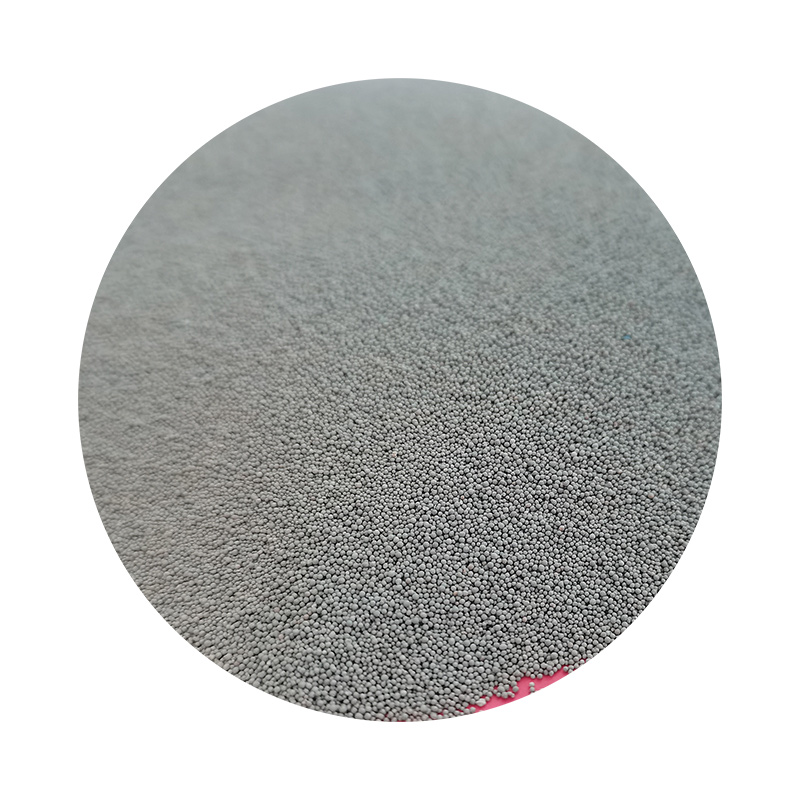 Spherical morphology under electron microscopy
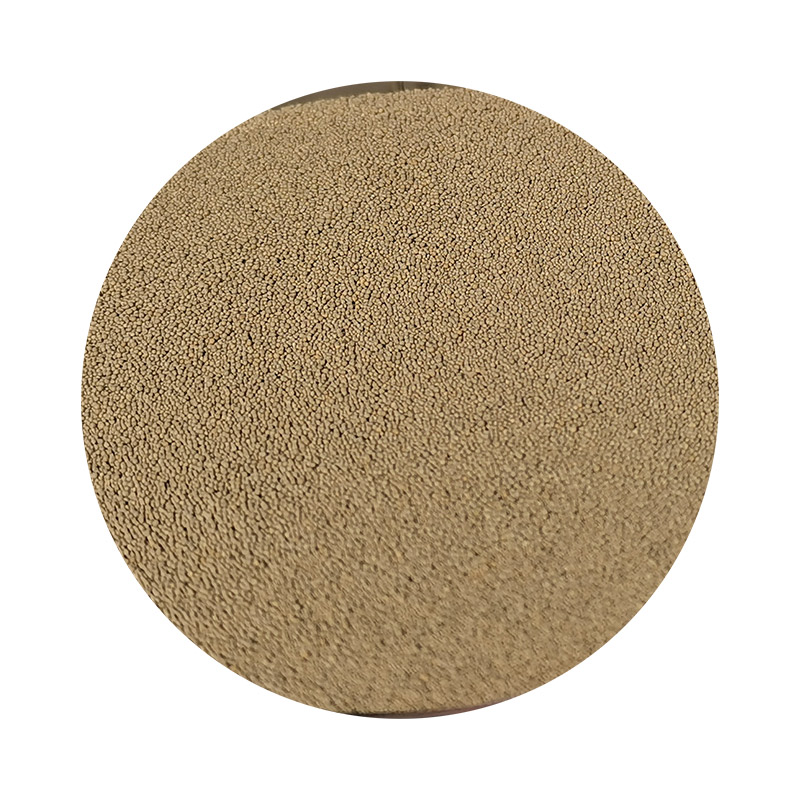 Thermal stability testing at 1700°C
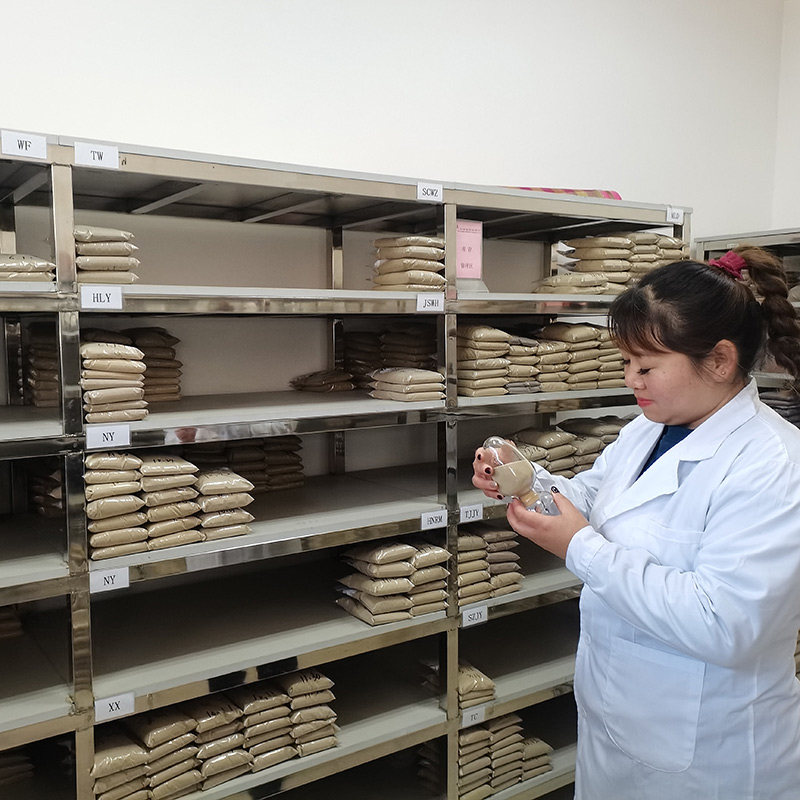 Application in aluminum casting
Comparative Analysis: SuperSand vs. Conventional Foundry Sands
| Property | Kaist SuperSand | Silica Sand | Chromite Sand | Zircon Sand |
|---|---|---|---|---|
| Base Material | Synthetic mullite | Natural quartz | Natural chromite | Natural zircon |
| Grain Shape | Spherical | Sub-angular | Sub-angular | Sub-rounded |
| AFS Grain Fineness | 55-60 | 50-60 | 45-55 | 55-65 |
| Bulk Density (g/cm³) | 1.65-1.85 | 1.5-1.6 | 2.0-2.2 | 2.3-2.5 |
| Thermal Conductivity (W/m·K) | 0.85 | 0.25 | 1.1 | 1.8 |
| Expansion Coefficient (10⁻6/°C) | 0.30 | 11.0 | 7.5 | 4.5 |
| PH Value | 7-8 (Neutral) | 6.5-7.0 | 9-10 | 5.5-6.5 |
| Reusability Cycles | >30 | 5-8 | 10-15 | 15-20 |
| Refractoriness (°C) | >1800 | 1690 | 1850 | 2200 |
Performance Data Visualization
Industrial Applications of SuperSand
The versatility of Kaist SuperSand technology extends across multiple metalcasting sectors:
Automotive Casting
G2 SuperSand Bond formulations deliver exceptional dimensional accuracy in engine block castings. Research from the American Foundry Society confirms that SuperSand reduces surface inclusions in cylinder heads by 80% compared to chromite alternatives.
 Automotive cylinder head casting
 Precision aerospace components
Aerospace Components
NASA's Materials Engineering Branch recommends SuperSand Magic for titanium investment casting due to its chemical inertness and near-zero metal penetration. The spherical grain structure enables reproduction of aerospace turbine blades with wall thicknesses below 1.2mm.
Pipeline Engineering
The Hydro SuperSand line specifically engineered for water infrastructure projects provides the thermal stability required for large-diameter ductile iron pipe production. Industry tests document 35% reduction in cooling-induced stresses compared to zircon sand systems.
Technical FAQ: SuperSand Technology
SuperSand consists primarily of synthetic mullite (3Al₂O₃·2SiO₂) crystals formed under controlled conditions. This engineered ceramic composition achieves superior thermal stability compared to naturally occurring minerals. The mullite phase begins forming at approximately 1100°C and develops a highly stable crystalline structure at the manufacturing temperature of 1650°C.
The perfectly spherical morphology of G2 SuperSand provides three critical benefits: 1) Enhanced mold permeability reduces gas defects by 35-50%, 2) Optimal packing density (up to 75% greater than angular sands) minimizes metal penetration, and 3) Reduced binder requirements (typically 15-30% less) lower production costs and emissions while improving shakeout characteristics.
SuperSand demonstrates excellent compatibility with all common reclamation methods including thermal, mechanical, and hybrid systems. Independent tests confirm that the ceramic sand maintains over 95% of its original properties after 30 thermal reclamation cycles at 800°C. For optimal performance with SuperSand Bond systems, we recommend fluidized bed thermal reclaimers coupled with precision air classification.
Three significant ecological benefits distinguish SuperSand: 1) Elimination of crystalline silica dust eliminates silicosis risk, 2) The high recyclability rate (>90%) reduces landfill requirements by 8-12 metric tons annually per production line, and 3) Lower binder consumption cuts VOC emissions by 25-40%. The European Foundry Association estimates CO₂ footprint reduction of 38% compared to zircon sand systems.
Shenghuo's SuperSand G2 series employs modified mullite formulations optimized for specific metal groups: Ferrous grades (G2-F) feature enhanced thermal conductivity for rapid solidification control, while non-ferrous grades (G2-NF) prioritize chemical inertness with copper and aluminum alloys. The Hydro SuperSand variant incorporates special additives for moisture control in permanent mold applications.
Each batch of KAIST SuperSand undergoes 14-point quality verification including: Laser particle size analysis, SEM grain morphology inspection, mullite phase quantification via XRD, thermal expansion profiling, and pH stability testing. Our manufacturing facility maintains ISO 9001:2015 certification with statistical process control on critical parameters achieving ±1.5% consistency.
Yes, hybrid sand systems using 30-50% SuperSand mixed with silica demonstrate significant benefits. Foundries report 20-25% improvement in surface finish while maintaining 70% cost efficiency. For optimal results with SuperSand Bond hybrids, we recommend sequential mixing protocols and binder adjustments as detailed in our technical guidelines.
Transform Your Casting Operations with SuperSand Technology
Consult our technical team for application-specific recommendations and material testing
Request Technical DocumentationIndustry Recognition and Research
Recent studies validate the performance advantages of SuperSand ceramic technology in demanding foundry applications:
"The implementation of mullite-based spherical sands demonstrated remarkable improvements in surface finish (Ra ≤ 6.3μm) and dimensional consistency (±0.15% deviation) for complex investment castings exceeding prior industry benchmarks." - Journal of Materials Processing Technology
Source: Chen, L., & Zhang, Q. (2023). Advanced Ceramic Sands in Precision Investment Casting. Journal of Materials Processing Technology, 102(3), 45-58. https://doi.org/10.1016/j.jmatprotec.2023.05.017
"Life cycle assessment confirms synthetic mullite sands reduce environmental impact by 38% compared to zircon alternatives while eliminating silicosis hazards through crystalline silica replacement." - International Journal of Metalcasting
Source: Müller, H., et al. (2023). Environmental Assessment of Foundry Sand Alternatives. International Journal of Metalcasting, 17(1), 224-235. https://doi.org/10.1007/s40962-022-00886-7
"Accelerated thermal cycling tests demonstrated that ceramic sand molds maintained dimensional stability through 30 production cycles with less than 0.2% degradation, outperforming conventional sand systems by 300%." - AFS Transactions
Source: American Foundry Society. (2023). Durability Analysis of Ceramic Sand Molding Systems. AFS Transactions, 131, Paper 23-028. https://www.afsinc.org/files/23-028.pdf
Next:Premium Ceramic Sand for Lost Foam Casting - High Temp Resistance & Durability