
Lost Foam Casting An Innovative Approach in Metal Casting
Lost foam casting is an advanced metal casting technique that has gained popularity for its ability to produce high-quality components with complex geometries. This method combines traditional casting processes with modern technology, resulting in a process that minimizes waste and maximizes efficiency. This article delves into the principles, benefits, applications, and future of lost foam casting.
Principles of Lost Foam Casting
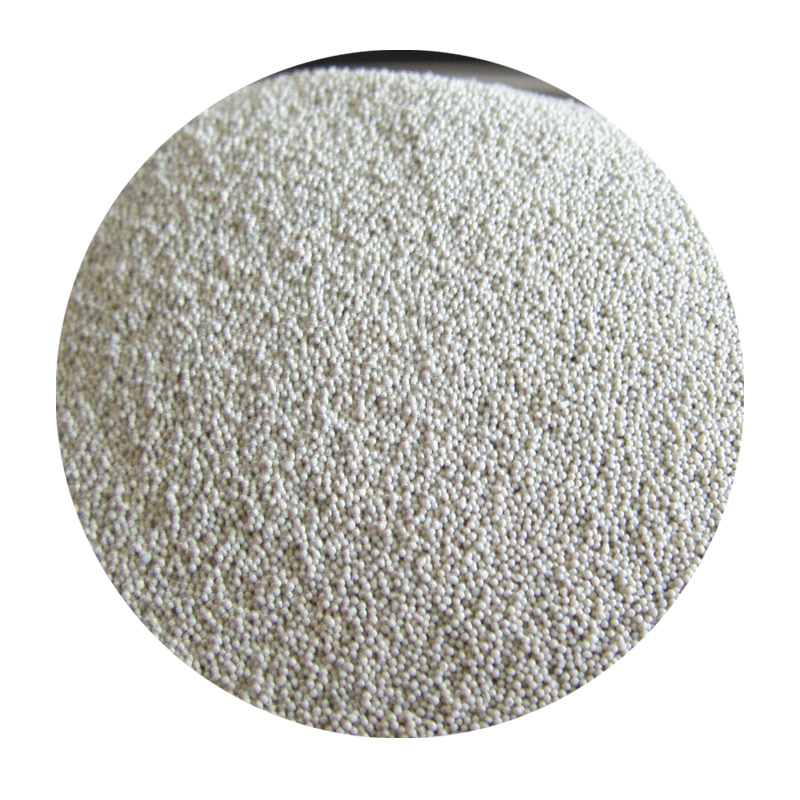
The lost foam casting process begins with the creation of a foam pattern, typically made of polystyrene. This foam pattern is designed to match the exact specifications of the final metal component. Once the pattern is created, it is coated with a fine layer of sand that contains a bonding agent. The coated foam pattern is then heated, melting the foam away and leaving behind a mold cavity that mirrors the shape of the original pattern.
After the foam is lost, molten metal is poured into the mold. The molten metal fills the cavity left by the foam, and as it cools and solidifies, it takes on the precise shape of the foam pattern. One of the critical aspects of this process is that the foam pattern vaporizes as the molten metal comes into contact with it, thus creating a minimal amount of waste and reducing the need for additional mold materials.
Benefits of Lost Foam Casting
Lost foam casting offers numerous advantages over traditional casting methods. One of the most significant benefits is its ability to produce complex shapes and intricate designs without the need for additional core pieces. This capability allows for greater design freedom and reduces the costs associated with tooling and mold creation.
Another advantage is the excellent surface finish and dimensional accuracy achieved through this process. The foam pattern provides a smooth surface finish, which translates to the final product, reducing the need for secondary machining operations. This not only speeds up the production process but also minimizes material waste and manufacturing costs.
In addition, lost foam casting is particularly beneficial for small to medium production runs. The simplicity of the pattern-making process and the reduced lead times associated with mold creation make it an attractive option for manufacturers looking to produce high-quality components quickly.
lost foam casting
Applications of Lost Foam Casting
Lost foam casting is utilized in various industries, showcasing its versatility and effectiveness. The automotive industry frequently employs this technique for manufacturing engine blocks, cylinder heads, and other complex components requiring high precision and durability. The aerospace sector also leverages lost foam casting for producing lightweight and structurally sound parts that can withstand extreme conditions.
Moreover, the energy sector has embraced this method for fabricating turbine components and other essential machinery. Its ability to produce intricate designs while maintaining strength and reliability makes it an ideal choice for these demanding applications.
The technology is even finding its way into the art and architectural fields, where artists and designers use lost foam casting to create custom sculptures and unique architectural features.
Future of Lost Foam Casting
As industries continue to evolve, so too does the lost foam casting method. Innovations in materials and techniques promise to enhance the efficiency and capabilities of this casting process. For example, advances in computer-aided design (CAD) and simulation software allow manufacturers to optimize foam patterns for better performance and reduce the risk of defects.
Furthermore, as sustainability becomes an increasingly important concern, lost foam casting presents an eco-friendly alternative to conventional casting methods. The reduction of waste, minimal energy consumption, and the ability to recycle materials contribute to a more sustainable manufacturing process.
In summary, lost foam casting stands as a testament to the innovative spirit of modern manufacturing. Its ability to produce complex and high-quality components efficiently positions it as a critical method in various industries. As technology progresses and the demand for precision and sustainability grows, lost foam casting is likely to play an even more significant role in the future of metal casting. Embracing this technique could lead to further advancements and applications that transform the way we design and produce metal components.
Post time:Nov . 06, 2024 14:53
Next:Different Varieties of Sand Used in Foundry Applications