
Types of Sand in Foundry
The foundry industry relies heavily on a variety of sands that play crucial roles in the casting process. The characteristics of the sand used directly influence the quality, strength, and surface finish of the final metal products. This article examines the types of sand used in foundries, their compositions, and their specific applications.
1. Silica Sand
Silica sand is the most commonly used type of sand in foundry applications. It consists primarily of silicon dioxide (SiO2) and is defined by its high fusion point, which makes it suitable for high-temperature foundry operations. Silica sand is known for its excellent thermal stability, which ensures that it maintains its shape and structural integrity during the casting process. It is also prized for its ability to create a fine surface finish, which is essential for components requiring precise details. However, care must be taken when using silica sand due to its crystalline structure, which can pose respiratory hazards if inhaled as dust.
2. Green Sand
Green sand is a popular molding material made from a mixture of silica sand, clay, and water. The clay serves as a binding agent, while the moisture helps keep the mixture pliable. This type of sand is called green because it is used in its natural, unmolded state—meaning it has not yet undergone any curing or drying processes. Green sand is favored for its natural cohesion, ease of use, and ability to create detailed molds. Foundries use green sand for producing a wide range of casting components, especially in the automotive and machinery sectors.
3. Resin Sand
types of sand in foundry
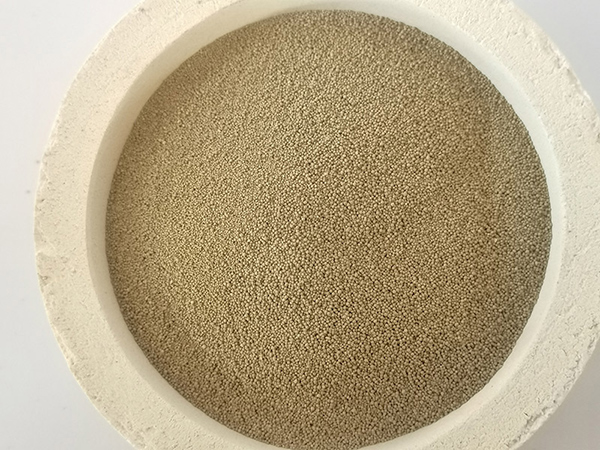
Resin sand, also known as chemically bonded sand, incorporates resin as a binding agent instead of clay. The resin is usually thermosetting, meaning it undergoes a chemical reaction that hardens the mold when heat is applied. This type of sand provides superior strength and durability, which allows for thinner mold walls and tighter tolerances. Resin sand is generally used for precision casting applications, such as in the production of complex parts and intricate geometries. Additionally, it offers excellent surface finishes and enhances the dimensional accuracy of the cast products.
4. Shell Sand
Shell sand is another advanced molding material that consists of fine sand coated with a resin. The mixture is applied to a heated metal pattern, which causes the resin to cure and form a hard shell around the mold. This method provides high strength and a smooth surface finish, making shell sand ideal for manufacturing high-precision components in industries like aerospace and medical. Shell molds also allow for efficient production runs, as they can be quickly created and reused.
5. Nobake Sand
Nobake sand, or air-set sand, is used in foundries where traditional green sand or resin sand is not suitable. This type of sand utilizes a chemical binder that hardens at room temperature, eliminating the need for moisture. The absence of moisture reduces the risk of defects caused by steam during the casting process. Nobake sand is particularly popular for large castings or heavy-duty applications due to its superior strength and resistance to deformation. Its ability to produce high-quality molds quickly is a significant advantage in fast-paced production environments.
Conclusion
Choosing the right type of sand is essential in foundry operations, as it can significantly affect the efficiency and quality of casting processes. Each type of sand—whether it be silica, green, resin, shell, or nobake—offers unique properties that cater to specific casting needs. As technology advances and demands increase for more sophisticated products, foundries must continuously adapt their material choices to ensure they meet industry standards and customer expectations. Understanding these types of sand and their applications not only optimizes production but also guarantees superior final products that stand the test of both time and performance.
Post time:Nov . 06, 2024 14:38
Next:Exploring Innovative Techniques in Unique Sand Casting for Superior Metal Fabrication