
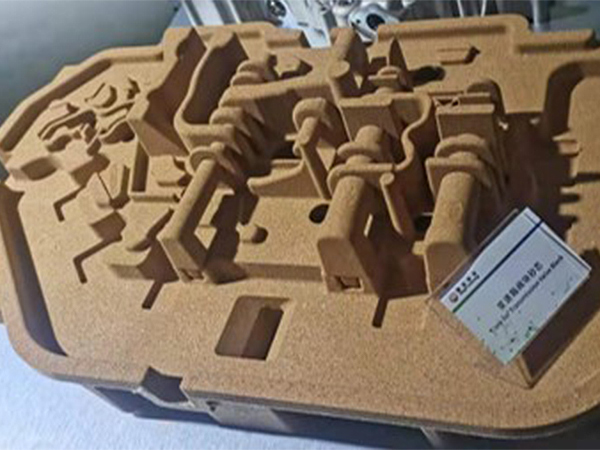
 **Metal Pouring** Molten metal is poured into the mold, which causes the foam pattern to vaporize instantly under the intense heat **Metal Pouring** Molten metal is poured into the mold, which causes the foam pattern to vaporize instantly under the intense heatlost foam metal casting. As the foam disappears, the metal takes its place, perfectly replicating the shape of the original pattern.
5. **Cooling and Finishing** After the metal solidifies, the sand mold is broken away, revealing the cast part. Minimal cleaning and finishing processes are required due to the excellent surface finish achieved.
Advantages of Lost Foam Casting
- **Complexity Handling** Lost foam casting excels in producing parts with intricate geometries and undercuts, which would be challenging or impossible with other casting methods.
- **Reduced Costs** The elimination of core-making and the need for skilled labor in mold assembly significantly reduces production costs.
- **Dimensional Accuracy** The direct translation from foam pattern to metal part ensures high dimensional accuracy and consistency across multiple castings.
- **Environmental Friendliness** The process generates minimal waste, as the foam completely vaporizes, leaving behind only reusable sand and minimal byproducts.
- **Versatility of Materials** A wide range of metals, including aluminum, bronze, iron, and steel, can be cast using this method, expanding its application across various industries.
Applications
Lost foam casting finds extensive use in industries such as automotive, aerospace, agriculture, and heavy machinery, where components with precise dimensions and complex shapes are critical. It is particularly favored for engine blocks, cylinder heads, pump housings, and gearbox parts due to its ability to create near-net-shape parts with reduced post-processing needs.
In conclusion, lost foam metal casting stands as a testament to innovation in modern manufacturing. Its unique combination of efficiency, precision, and versatility has made it a preferred choice for producing high-quality metal components. As technology advances and the demand for intricate, lightweight, and cost-effective parts grows, the role of lost foam casting in shaping the future of manufacturing is set to expand further.
Post time:Jun . 25, 2024 01:56
**Metal Pouring** Molten metal is poured into the mold, which causes the foam pattern to vaporize instantly under the intense heat **Metal Pouring** Molten metal is poured into the mold, which causes the foam pattern to vaporize instantly under the intense heatlost foam metal casting. As the foam disappears, the metal takes its place, perfectly replicating the shape of the original pattern.
5. **Cooling and Finishing** After the metal solidifies, the sand mold is broken away, revealing the cast part. Minimal cleaning and finishing processes are required due to the excellent surface finish achieved.
Advantages of Lost Foam Casting
- **Complexity Handling** Lost foam casting excels in producing parts with intricate geometries and undercuts, which would be challenging or impossible with other casting methods.
- **Reduced Costs** The elimination of core-making and the need for skilled labor in mold assembly significantly reduces production costs.
- **Dimensional Accuracy** The direct translation from foam pattern to metal part ensures high dimensional accuracy and consistency across multiple castings.
- **Environmental Friendliness** The process generates minimal waste, as the foam completely vaporizes, leaving behind only reusable sand and minimal byproducts.
- **Versatility of Materials** A wide range of metals, including aluminum, bronze, iron, and steel, can be cast using this method, expanding its application across various industries.
Applications
Lost foam casting finds extensive use in industries such as automotive, aerospace, agriculture, and heavy machinery, where components with precise dimensions and complex shapes are critical. It is particularly favored for engine blocks, cylinder heads, pump housings, and gearbox parts due to its ability to create near-net-shape parts with reduced post-processing needs.
In conclusion, lost foam metal casting stands as a testament to innovation in modern manufacturing. Its unique combination of efficiency, precision, and versatility has made it a preferred choice for producing high-quality metal components. As technology advances and the demand for intricate, lightweight, and cost-effective parts grows, the role of lost foam casting in shaping the future of manufacturing is set to expand further.
Post time:Jun . 25, 2024 01:56
Next:Cost Evaluation of Sand Casting Process Key Factors and Estimates