
In the era of advanced manufacturing and sustainable engineering, lost foam sand casting has emerged as a game-changer for high precision, complex geometries, and energy efficiency across industries such as petrochemical, metallurgy, and waterworks. Leveraging novel materials like Ceramic Sand for Lost Foam Casting from SINOCERAM, foundries achieve higher productivity, outstanding surface finish, and environmental compliance. This guide breaks down the latest industry trends, technology parameters, application cases, and provides professional insights backed by real-world data and standards.
Lost foam casting (LFC), also called full mold casting, represents a near-net-shape technique utilizing expendable polystyrene patterns and unbonded sand to manufacture highly intricate castings.
- Global Market Size (2023): USD 2.1 Billion (Source)
- Annual Growth Rate: 7.2% CAGR (2023-2028)
- Leading Applications: Automotive, Petrochemical, General Machinery, Valve & Pump, Marine, Energy Equipment
- Top Growing Regions: Asia-Pacific (China, India), North America, Germany
- Sustainability Focus: Over 60% of LFC plants are upgrading to low-emission, energy-saving sand alternatives by 2025.
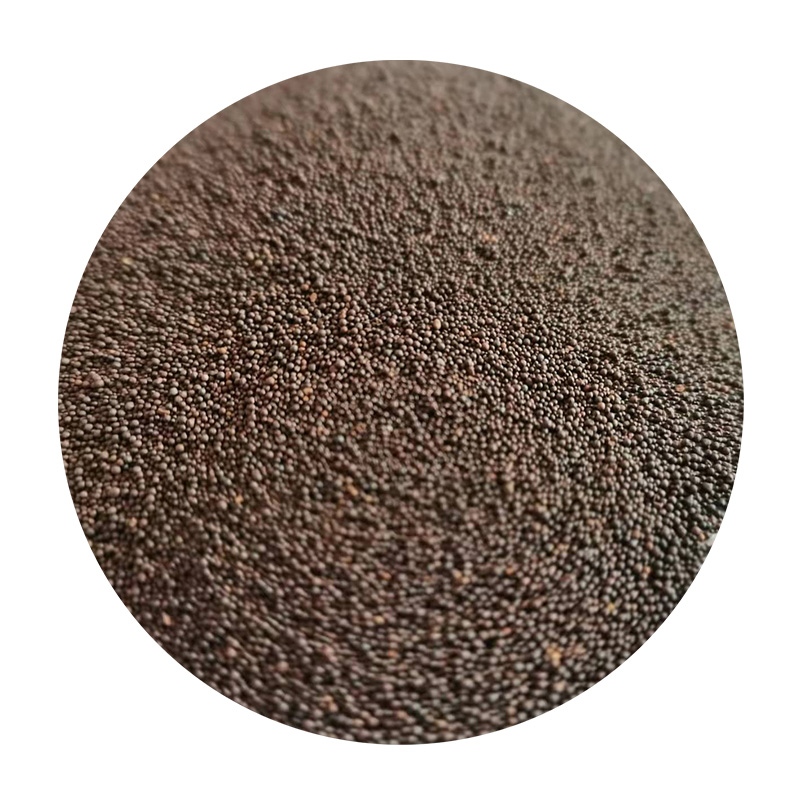
(Precision-cut / Molded)
(Cluster & Gating)
Specialty Ceramic Coating
Compaction with Ceramic Sand
(Foam Vaporization)
(Inspection & Finishing)
Key Notes:
- Modern foundries increasingly favor ceramic sand as the molding media for its superior flowability, thermal stability, and environmental compliance.
- Lost foam casting coating forms a highly refractory barrier to prevent sand burn-in, minimize surface defects, and control metal-mold reactions.
- The process supports both automated, high-volume and flexible, small-lot production (ISO/ANSI certified).
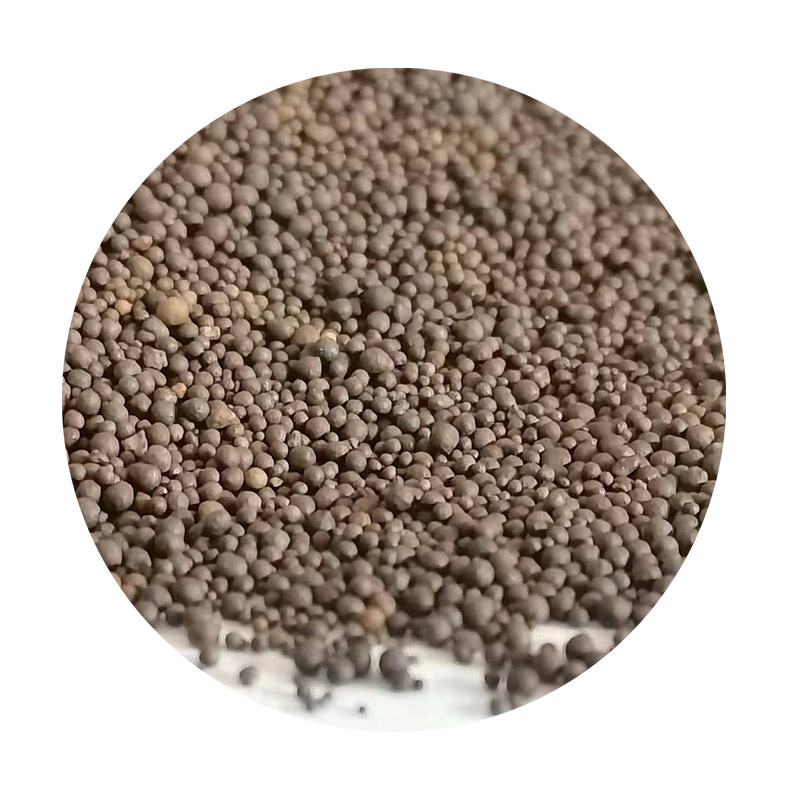
| Index | Lost Foam Sand Casting | Resin Bonded Sand | Green Sand Casting |
|---|---|---|---|
| Typical Tolerance (mm) | ±0.5 ~ 1.2 | ±1.5 ~ 2.5 | ±2.5 ~ 3.5 |
| Surface Roughness (Ra, µm) | 9 ~ 24 | 18 ~ 36 | 23 ~ 44 |
| Material Utilization (%) | 96 ~ 98 | 83 ~ 91 | 71 ~ 79 |
| Production Lead Time (days) | 5 ~ 12 | 10 ~ 21 | 8 ~ 19 |
| Mold / Pattern Cost | Medium | High | Low |
| Environmental Performance | Excellent (Low Emission) |
Average | Poor |
Ceramic Sand for Lost Foam Casting (also known as "Ceramsite" or "Artificial Sand") is engineered to elevate foundry performance with the following technical superiority:
- Material: Alumina-based spherical ceramic (Al2O3 > 70%)
- Process: Spray granulation, high-temperature sintering above 1700℃
- Shape/Strength: Excellent roundness (Sphericity > 0.95), high crush resistance (> 60 MPa)
- Thermal Performance: Low thermal expansion (≤ 0.15%), thermal conductivity 0.5~1.5 W/m∙K
- Chemical Stability: Neutral pH ≈ 7.2, non-reactive, acid/alkali resistant
- Applicable Standards: ISO 9001:2015, ANSI/AWS/ASTM Foundry Grades
- Service Life: 20~40 recycles/batch (energy-saving, reduced waste)
- Industries Served: Petrochemical, Refining, Valve, Pump, General Machinery
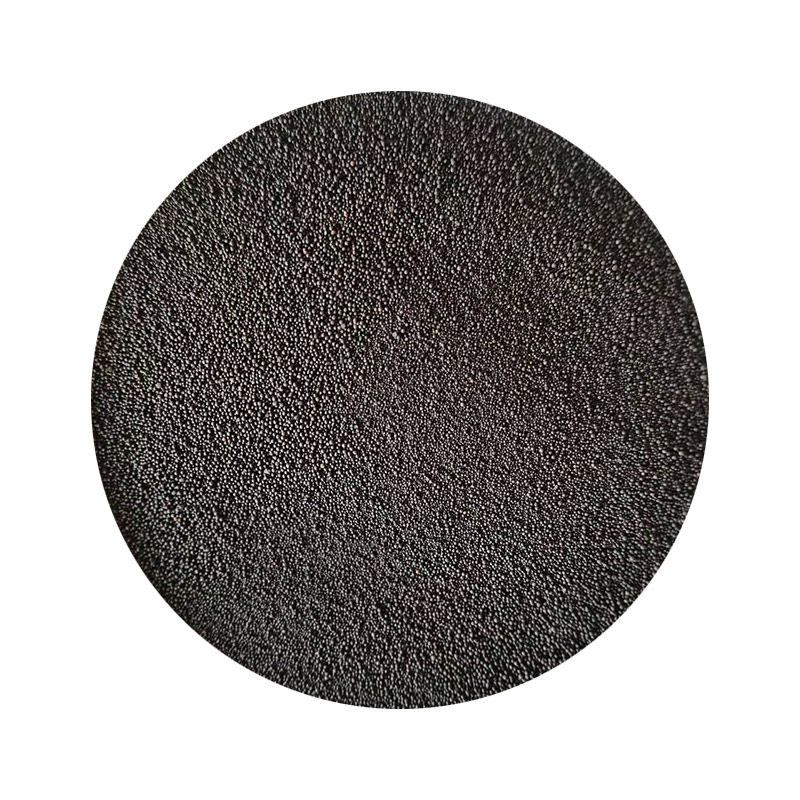
- Complexity: Enables casting of highly intricate, undercut, or thin-walled components (lost foam casting examples include engine blocks, impellers, valve housings).
- Dimensional Accuracy: Up to IT8-IT10 (ISO 8062) tolerance class.
- Surface Quality: Ra 9~18µm achievable with advanced lost foam casting coating and ceramic sand matrix.
- Material Range: Supports ferrous & non-ferrous alloys (gray iron, ductile iron, stainless steel, Al, copper).
- Eco-Friendly: No chemical binders, minimal off-gassing, recyclable sand — aligns with global ESG directives and foundry emission protocols (ISO14001).
- Cost Reduction: Lower labor, fewer operations, reduced mold costs by 15-40% compared to traditional molding.
- Energy Saving: Reduced need for shakeout and reclamation energy (Up to 22% annual foundry energy savings).
- Adaptability: Compatible with 3D-printed foam patterning, rapid CNC model prototyping.
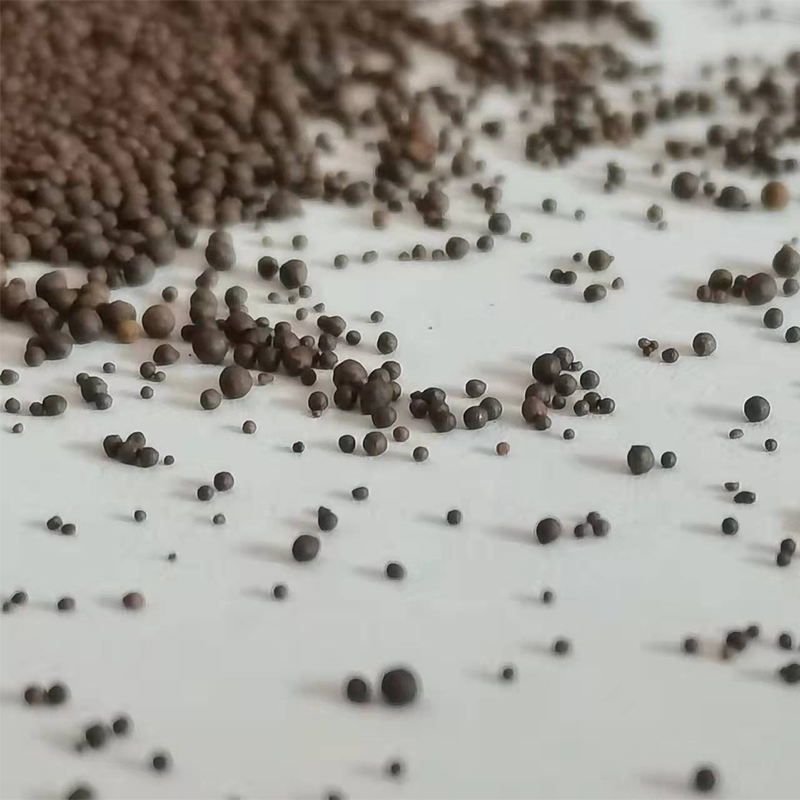
Recent quality audits (2022-2023) in automotive sector indicate lost foam sand casting with ceramic sand decreases casting defects by 18-27% vs. traditional sand, achieving an average cost-per-part reduction of 12%.
-
Case 1: Large-Scale Valve Manufacturer (China, 2022)
- Challenge: Conventional sand resulting in burn-in and rework rates 12%.
- Solution: Switched to Ceramic Sand for Lost Foam Casting + high-purity zircon coating.
- Result: Rework rate down to 3%; casting yield up to 97.5%; annual cost saving $130,000.
-
Case 2: Energy Equipment OEM (Germany, 2023)
- Challenge: Need for rapid prototype impellers with filigree channels.
- Solution: Utilized 3D printed foam patterns, ceramic sand molding, ISO9001 batch control.
- Result: Lead time reduced from 24 to 14 days, met EN-GJS-400-18-LT & ASTM standards, surface finish Ra 14µm.
-
Case 3: Waterworks Fittings Foundry (Middle East, 2023)
- Solution: Implemented lost foam casting and CNC trimming integration; after 18+ cycles, no sand fusing observed, 21% less sand waste.
- Certifications: Factory complies with ISO 14001/45001 & WRAS for potable water systems.
Choosing the right lost foam sand casting supplier is crucial. Verified providers offer:
- Production Capacity: 3,000~18,000 tons/year ceramic sand; equipped with full-scale CNC core shooting, pattern making, and advanced inspection lines (spectrometers, 3D scanning, etc).
- Certifications: ISO9001, ISO14001, FDA (food grade on demand), ANSI/ASTM foundry conformance.
- R&D Customization: Pattern design optimization, proprietary coating formulation, alloy/process tuning on request.
- Industry Collaboration: SINOCERAM partners with top valve, pump, and auto OEMs (five of world’s top 300 foundry groups).
- Warranty & Service: 24-month quality guarantee, full traceability, free technical guidance, dedicated sales engineer support.
| Vendor | Annual Output (Tons) | Key Certifications | Recycling Rate | Customer Support |
|---|---|---|---|---|
| SINOCERAM | 18,000+ | ISO9001, ISO14001, ASTM/ANSI | 20~40 cycles | 7x12h engineer/QC |
| OEM Brand B | 7500 | ISO9001 | ~12 cycles | 5x8h |
| Brand C | 3000 | ISO9001, SGS | ~8 cycles | Email only |
Delivery Cycle: Typical lead time for lost foam sand casting ceramic sand is
- Sample: 3-5 days (in-stock grade); Bulk batch: 7-21 days after deposit.
MOQ: 10 tons (custom powder size on application). Worldwide export, North America/Europe/SEA/ME market covered.
Warranty & Support: Full compliance with EU RoHS directives, ISO, EN standards. Each batch is fully traceable. 24/7 remote engineer hotline, lab test reports available on request.
Lost Foam Sand Casting — Technical FAQ
| Parameter | Unit | Ceramic Sand | Silica Sand |
|---|---|---|---|
| Al2O3 Content | % | ≥ 70 | ≤ 1.3 |
| Refractoriness | ℃ | > 1700 | <1600 |
| Bulk Density | g/cm³ | 1.55 ~ 1.65 | 1.48 ~ 1.55 |
| Thermal Expansion | % | ≤ 0.15 | 0.6 ~ 0.75 |
| Crush Strength | MPa | > 60 | 8 ~ 26 |
| Sphericity Index | - | ≥ 0.95 | 0.65 ~ 0.83 |
| Reusability / Cycles | times | 20~40 | 3~8 |
| Acid/Alkali Resistance | - | Excellent | Moderate |
-
Automotive: Cylinder blocks, intake and exhaust manifolds, engine pistons.
Valve & Pump Manufacturing: Globe valves, ball valves, housing bodies, impellers. - Water Supply & Drainage: Pipe fittings certified to ISO/WRAS for potable systems, filter shells.
- Petrochemical/Refining: Pressure-resistant cover flanges, pump groups, anti-corrosive alloy parts.
- General Machinery: Gearboxes, structural frames, locomotive parts.
- Energy Equipment: Turbine shells, fan inlets, coreless rotors.
- Notable Example: 2023—Over 37 million auto parts cast globally with lost foam casting—with 16% increase in ceramic sand application (source: Foundry-Planet)
Next:High-Quality Resin Coated Sand for Casting & Frac Applications