
Advancing Precision: The Evolution of Lost Foam Sand Casting in Modern Manufacturing
The landscape of modern manufacturing is continuously reshaped by innovative casting technologies, with lost foam sand casting emerging as a cornerstone for producing complex, high-precision components. This advanced method, often referred to as evaporative pattern casting, leverages an expendable foam pattern to create intricate net-shape parts, significantly reducing machining requirements and material waste. Industry trends indicate a growing adoption of this technology across diverse sectors, driven by demands for greater design flexibility, improved surface finish, and reduced production costs. For B2B decision-makers and technical personnel in sectors like automotive, aerospace, heavy machinery, and fluid handling, understanding the nuances of lost foam casting, its inherent advantages, and the optimal materials, such as Ceramic Sand for Lost Foam Casting, is crucial. This process allows for the creation of components with internal passages and intricate geometries that would be challenging or impossible to achieve with traditional casting methods, making it indispensable for high-performance applications. The strategic integration of superior refractory materials, like specialized ceramic sands, further enhances the integrity and efficiency of the casting process, ensuring unparalleled dimensional accuracy and surface quality for even the most demanding specifications.
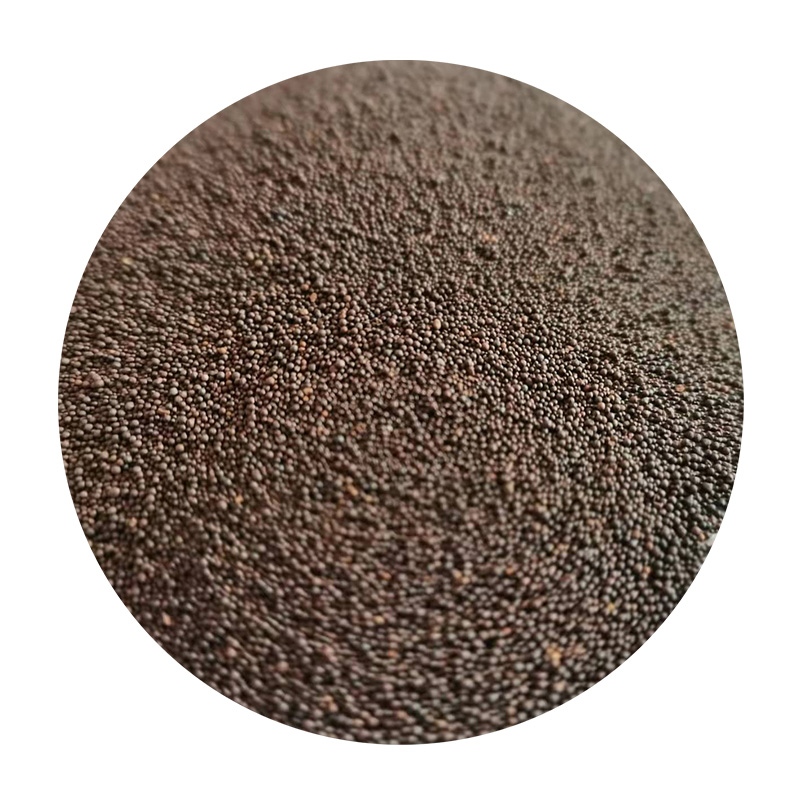
Current industry trends highlight a shift towards higher-performance alloys and larger, more complex components, which inherently benefit from the precision and flexibility offered by lost foam casting. This technique minimizes the need for risers and gates, common in sand casting, leading to higher material yields and reduced post-processing. Furthermore, the environmental benefits are noteworthy; the process produces minimal waste and can be highly energy-efficient when optimized with advanced materials and precise process controls. As industries push for lighter, stronger, and more intricate parts, the demand for sophisticated foundry techniques that can consistently deliver on these fronts continues to rise. The ability to cast near-net-shape components directly from complex foam patterns translates into significant cost savings in terms of material usage and machining time, directly impacting the bottom line for manufacturers. This makes it an attractive solution for producers seeking to optimize their supply chains and enhance product competitiveness in a rapidly evolving global market.
The Precision Workflow: A Detailed Look at the Lost Foam Sand Casting Process
The manufacturing process of lost foam sand casting is a meticulously engineered sequence designed to produce high-integrity components with exceptional surface finish and dimensional accuracy. It begins with the creation of an expanded polystyrene (EPS) foam pattern, which is an exact replica of the desired part. This pattern is typically manufactured through injection molding, ensuring consistent replication of intricate details. Once formed, these individual foam patterns are coated with a specialized refractory coating, such as a ceramic-based slurry, which creates a robust barrier between the molten metal and the surrounding sand, crucial for preventing surface defects and ensuring a smooth finish. This coating is critical; its permeability, strength, and refractoriness directly influence the final casting quality. After the coating dries, the patterns are embedded in unbonded, loose sand within a flask. This sand provides support to the pattern and allows for the escape of gases during pouring. The loose sand enables greater design freedom and simplifies pattern removal compared to bonded sand systems, making the process highly adaptable for complex geometries.
During the pouring stage, molten metal is introduced into the sprue. As the hot metal fills the cavity, it instantly vaporizes the foam pattern, with the gaseous byproducts escaping through the permeable refractory coating and the loose sand. This "lost foam" phenomenon is what gives the process its name and unique advantages. The molten metal then solidifies to form the final cast part, taking the exact shape of the original foam pattern. After cooling, the loose sand is easily removed, leaving behind a near-net-shape casting. The material properties of the final product, whether it's cast iron, aluminum alloys, or steel, are determined by the specific metal used. This process ensures high dimensional precision, often within ISO 8062 CT7-CT9 standards, reducing the need for extensive post-casting machining like CNC processing. For inspection, components undergo rigorous quality checks including visual inspection, dimensional verification, and non-destructive testing (NDT) such as ultrasonic or radiographic testing, adhering to standards like ASTM and ANSI, ensuring compliance and reliability for demanding applications in petrochemical, metallurgy, and water supply/drainage industries. The inherently smooth surface finish and reduced porosity contribute to an extended service life and enhanced performance, particularly in corrosive or high-wear environments where energy efficiency and anti-corrosion properties are paramount.

Compared to traditional sand casting, the lost foam casting process significantly minimizes the need for core assembly and avoids typical parting line issues, resulting in parts with greater integrity and fewer defects. The ability to consolidate multiple components into a single complex casting reduces assembly costs and potential points of failure, which is a significant advantage in applications requiring robust and reliable parts, such as valve bodies for petrochemical plants or intricate pump housings in water treatment facilities. The design freedom afforded by the expendable pattern system allows engineers to create optimized geometries for fluid flow, heat dissipation, or weight reduction, leading to improved operational efficiency and energy savings in the final application. For example, in the automotive industry, engine blocks and cylinder heads produced via lost foam casting can achieve lighter weights and more efficient internal passages, directly contributing to fuel economy. The consistent quality and reproducibility of parts from a well-controlled lost foam casting foundry make it a preferred choice for high-volume production of precision components.
Unlocking Value: The Strategic Advantages of Lost Foam Casting Applications
The advantages of lost foam casting are numerous and directly translate into tangible benefits for various industries. Foremost among these is the superior dimensional accuracy and excellent surface finish achieved. Because the foam pattern is consumed by the molten metal, there are no parting lines or draft angles typically associated with reusable patterns, resulting in castings that require minimal or no post-processing. This significantly reduces machining costs and lead times. Furthermore, the process is highly adept at producing complex geometries, including intricate internal passages, undercuts, and thin-walled sections, which are challenging for other casting methods. This design flexibility empowers engineers to optimize part designs for weight reduction, improved functionality, and enhanced performance. For instance, in the aerospace industry, the ability to produce lightweight, complex structural components with integrated features can lead to substantial fuel efficiency improvements and reduced operational costs over the aircraft's lifecycle.
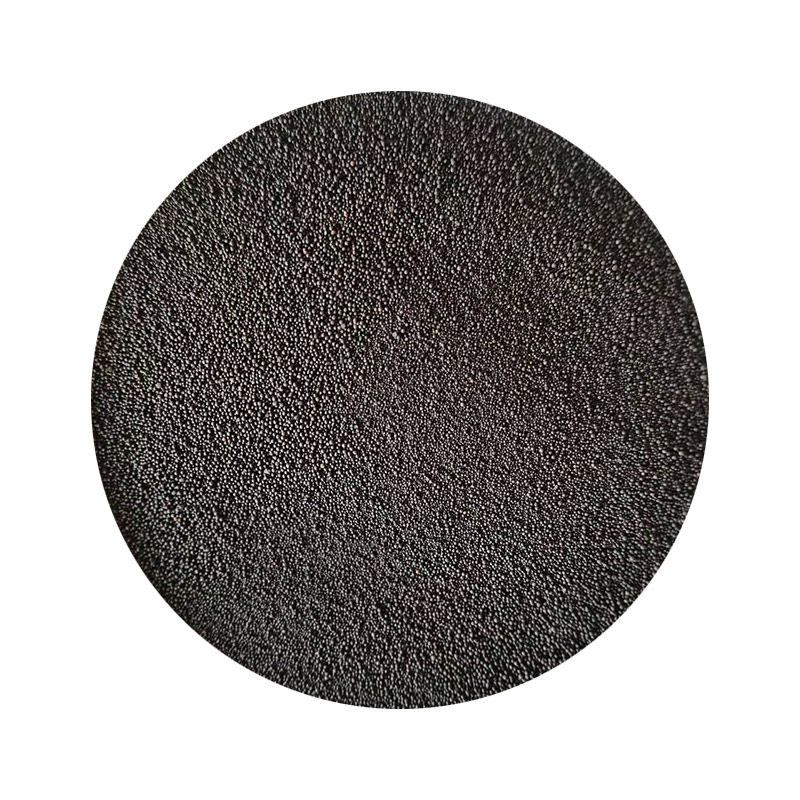
The versatility of lost foam casting applications extends across a wide range of materials, including ferrous and non-ferrous alloys like aluminum, ductile iron, gray iron, and steel. This broad material compatibility makes it suitable for components exposed to diverse operational environments, from high-temperature engine parts to corrosion-resistant pump components. Typical lost foam casting examples include automotive engine blocks, cylinder heads, crankshafts, transmission cases, brake components, and manifolds. In the heavy equipment sector, parts like excavator buckets, track shoes, and hydraulic components benefit from the strength and wear resistance offered by this method. For fluid handling systems, intricate valve bodies, pump impellers, and pipe fittings are commonly produced, leveraging the ability to create precise internal geometries that optimize flow and minimize energy loss. The process also offers environmental benefits due to the use of unbonded sand, which is readily recyclable, and the absence of chemical binders, contributing to a cleaner casting environment and reduced waste. The consolidation of multiple parts into a single casting further enhances system reliability and reduces assembly complexity, offering a streamlined manufacturing solution.
Beyond traditional manufacturing, the increasing demand for near-net-shape components in energy, infrastructure, and defense sectors underscores the strategic importance of lost foam casting. Its ability to produce high-integrity castings with excellent mechanical properties and reduced machining overhead positions it as a preferred method for high-volume, critical applications. The low tooling wear, inherent in the lost foam process because the pattern is expendable, ensures consistent part quality over long production runs without significant degradation of the primary tooling for foam pattern creation. This aspect is particularly beneficial for automotive and industrial clients who require large quantities of identical, high-quality components. By minimizing defects and maximizing material yield, manufacturers can achieve substantial cost savings and optimize their production efficiency, making lost foam casting a highly competitive and sustainable solution in today's demanding industrial landscape.
Technical Parameters and Performance Data in Lost Foam Sand Casting
Achieving optimal results in lost foam sand casting hinges on precise control over various technical parameters. Understanding these parameters, from foam density to coating characteristics and pouring temperatures, is critical for B2B stakeholders to ensure product quality and operational efficiency. The density of the EPS foam pattern directly influences the casting's dimensional stability and the volume of gas generated during vaporization. A consistent, high-quality foam pattern is the foundation for a flawless cast. Equally important is the refractory lost foam casting coating, which acts as a crucial interface between the foam, molten metal, and sand. This coating must possess specific properties: adequate strength to withstand metal pressure, sufficient permeability for gas evacuation, and high refractoriness to prevent metal penetration and sand fusion. The grain fineness, binder system, and rheology of the coating are engineered to meet the stringent requirements of different alloys and part geometries.
| Parameter | Typical Range/Value | Impact on Casting Quality |
|---|---|---|
| Dimensional Accuracy | ISO 8062 CT7-CT9 | Reduces post-machining, improves assembly fit. |
| Surface Finish (Ra) | 3.2 - 12.5 µm (125-500 µin) | Aesthetics, reduced friction, improved performance. |
| Wall Thickness Capability | Min. 3 mm (0.12 in) | Enables lightweighting and intricate designs. |
| Alloy Compatibility | Ferrous (Iron, Steel), Non-Ferrous (Al, Brass) | Versatility for diverse application requirements. |
| Porosity Levels | Typically very low (e.g., less than 0.5%) | Enhances structural integrity and reduces defects. |
| Casting Weight Range | Typically 0.5 kg to 500 kg+ | Scalability from small to large components. |
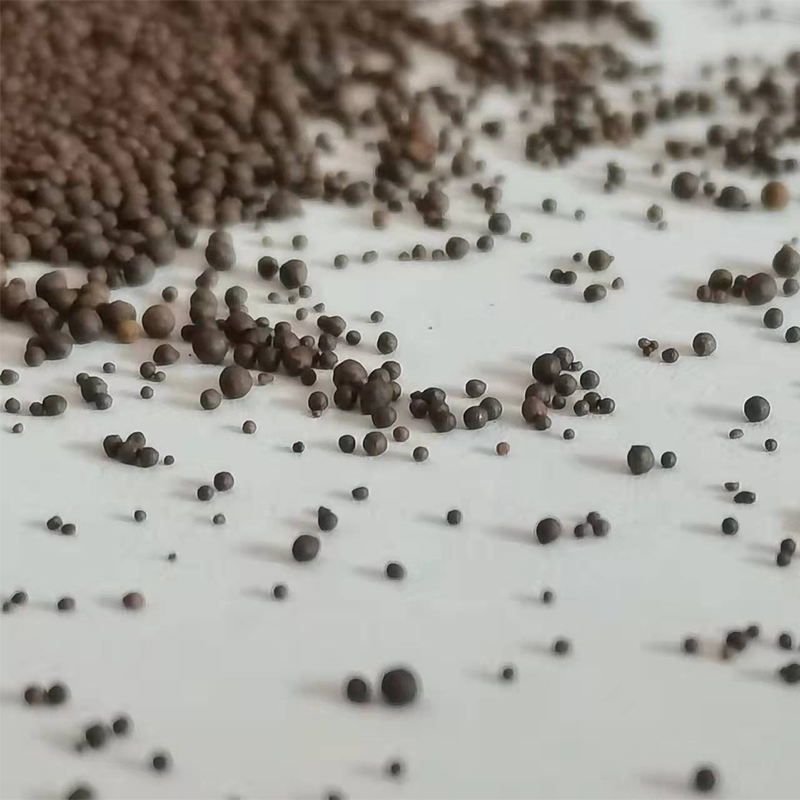
The selection of the appropriate loose sand for the molding process is also paramount. Traditional silica sand can be used, but for high-performance applications, specialized sands such as Ceramic Sand for Lost Foam Casting offer distinct advantages. These engineered sands possess superior refractoriness, thermal stability, and low thermal expansion, which minimize casting defects like veining and expansion scabs, especially when dealing with high-temperature alloys or complex geometries. Their spherical shape and narrow grain distribution improve permeability and flowability, facilitating excellent compaction around the foam pattern and efficient gas evacuation. Real-world application data consistently demonstrates that optimizing these parameters leads to a significant reduction in scrap rates and rework, enhancing overall production efficiency and cost-effectiveness for a lost foam casting foundry. Companies committed to ISO 9001 quality management systems typically implement stringent controls and continuous monitoring of these parameters to ensure consistent, high-quality output, building trust and reliability with their clientele in critical industries.
Elevating Casting Quality with Advanced Ceramic Sand for Lost Foam Casting
While the fundamental principles of lost foam sand casting provide significant benefits, the choice of refractory media, specifically the sand, profoundly impacts the final product's quality and the efficiency of the casting process. Our Ceramic Sand for Lost Foam Casting is meticulously engineered to address the common challenges faced in high-precision casting. Unlike conventional silica sand, which can be prone to thermal expansion issues leading to defects like veining or rat tails, ceramic sand offers exceptional thermal stability and a very low coefficient of thermal expansion. This ensures superior dimensional accuracy and a smoother surface finish, especially for intricate geometries and thin-walled sections. Its unique spherical grain shape and narrow grain size distribution contribute to excellent flowability and permeability, allowing for optimal compaction around the foam pattern and efficient removal of gaseous byproducts during the metal pouring phase, significantly reducing porosity and enhancing the structural integrity of the casting.
The superior refractoriness of our Ceramic Sand for Lost Foam Casting means it can withstand higher pouring temperatures without breaking down or reacting with the molten metal, making it ideal for casting high-alloy steels and other specialized materials used in demanding applications. This robustness translates into reduced defects, lower scrap rates, and ultimately, a more cost-effective casting process. Furthermore, its chemical inertness minimizes the risk of metal penetration and burn-on, preserving the integrity of the casting surface and reducing the need for costly post-casting cleaning and finishing operations. Our product adheres to stringent internal quality control standards, ensuring consistency in every batch, which is paramount for high-volume production lines. Our long-standing partnerships with leading foundries worldwide attest to the consistent performance and value our ceramic sand brings to their lost foam casting operations, helping them achieve superior part quality and operational efficiency.
Applications and Industry Impact
The benefits of using high-quality ceramic sand in lost foam sand casting are particularly evident in critical industries. In the automotive sector, it enables the production of lightweight engine components, transmission parts, and structural elements with exceptional precision, contributing to fuel efficiency and vehicle performance. For heavy machinery and construction, parts requiring high wear resistance and structural integrity, such as hydraulic components and gear housings, are cast with superior durability. The petrochemical and energy sectors benefit from high-integrity valve bodies, pump components, and pipeline fittings that can withstand extreme pressures and corrosive environments, enhancing safety and operational longevity. In essence, by providing a casting medium that offers unparalleled performance, our Ceramic Sand for Lost Foam Casting empowers foundries to push the boundaries of design complexity and material performance, delivering components that meet the rigorous demands of today's advanced industrial applications and solidify their reputation as a premier lost foam casting foundry.
Strategic Sourcing: Choosing a Lost Foam Foundry Partner and Custom Solutions
Selecting the right lost foam casting foundry is a critical decision for any B2B buyer, impacting not only product quality but also lead times, cost-effectiveness, and supply chain reliability. When evaluating potential partners, key considerations extend beyond price to encompass technical expertise, quality control systems, and experience with specific materials and component complexities. A reputable foundry will demonstrate a deep understanding of the entire lost foam sand casting process, from pattern design and coating application to pouring parameters and post-casting treatment. Look for certifications such as ISO 9001, AS9100 (for aerospace), or IATF 16949 (for automotive), which indicate a commitment to stringent quality management. Case studies and client testimonials, especially those highlighting successful projects with similar technical requirements, provide valuable insights into a foundry's capabilities and problem-solving prowess. Furthermore, assess their technological infrastructure, including advanced simulation software for solidification modeling and modern inspection equipment, which are vital for ensuring consistent quality and defect reduction.
Manufacturer comparison often reveals variations in specialization. Some foundries excel in aluminum lost foam casting examples for automotive lightweighting, while others might focus on larger, heavier components for industrial machinery using iron or steel. The material capabilities, maximum part size, and annual production capacity of a foundry should align with your specific project needs. Evaluating their responsiveness to design changes, prototyping capabilities, and willingness to engage in collaborative design for manufacturability (DFM) processes can differentiate a good partner from an average one. A proactive foundry will offer insights into optimizing your component design for the lost foam process, potentially leading to significant cost savings and performance improvements. Their ability to manage the supply chain of critical inputs, such as specialized refractory sands and coatings, also speaks to their reliability and efficiency. Our commitment to providing premium Ceramic Sand for Lost Foam Casting directly supports foundries in achieving superior performance, making us an integral part of their success.
Customized Solutions and Collaborative Innovation
For highly specialized components or unique application requirements, customized solutions are often necessary. A leading lost foam casting foundry should offer comprehensive engineering support, including materials selection, finite element analysis (FEA), and process simulation to validate designs before costly tooling is made. This collaborative approach ensures that the final product meets exact specifications and performs optimally in its intended environment. From developing bespoke foam patterns for complex internal geometries to recommending specific refractory coatings, customization can unlock new possibilities in design and functionality. For instance, a tailored ceramic sand formulation might be developed to achieve a specific surface finish or to manage the thermal profile for a challenging alloy. Engaging with a foundry that embraces innovation and is willing to invest in R&D for advanced lost foam casting techniques can provide a significant competitive edge, allowing your company to access cutting-edge manufacturing capabilities and push the boundaries of what's possible in precision casting. This partnership goes beyond transactional procurement, evolving into a strategic alliance focused on continuous improvement and mutual growth.
Ensuring Reliability: FAQs, Logistics, and Guarantees for Your Lost Foam Casting Projects
Frequently Asked Questions (FAQs)
- Q1: What are the primary advantages of lost foam casting over traditional sand casting?
- A1: Lost foam casting offers superior dimensional accuracy, excellent surface finish with no parting lines, the ability to produce highly complex geometries (including internal passages), reduced machining requirements, and higher material yield due to the absence of risers. It also offers significant tooling cost savings over the long run as the patterns are expendable and the tooling to create them has a long life.
- Q2: What types of materials can be used in lost foam sand casting?
- A2: This versatile process is compatible with a wide range of ferrous and non-ferrous alloys, including cast iron (gray, ductile), various steel alloys, aluminum alloys, brass, and bronze. The specific alloy choice often dictates the properties of the foam pattern, the refractory coating, and pouring parameters to ensure optimal results.
- Q3: How does Ceramic Sand for Lost Foam Casting enhance the process?
- A3: Ceramic sand, like our specialized product, offers superior thermal stability, low thermal expansion, excellent permeability, and high refractoriness compared to traditional silica sand. These properties reduce common casting defects like veining, scabbing, and metal penetration, leading to castings with better surface finish, tighter tolerances, and improved overall quality. Its spherical shape also enhances sand flowability and compaction.
- Q4: What are the typical lead times for custom lost foam casting projects?
- A4: Lead times vary significantly based on project complexity, part size, material, and required volume. Initial tooling and prototyping can range from 4-8 weeks. Once tooling is approved, production runs typically follow a schedule of 2-4 weeks for smaller batches and ongoing supply for higher volumes. We work closely with clients to establish realistic timelines and meet critical deadlines, ensuring efficient delivery and supply chain management.
Delivery and Logistics
Our commitment extends beyond product quality to seamless delivery and reliable logistics. We understand that timely delivery is paramount for B2B operations and supply chain continuity. We offer flexible shipping options, including sea freight, air freight, and expedited courier services, tailored to your specific project timelines and budget. Our experienced logistics team manages all necessary documentation, customs procedures, and tracking to ensure your order arrives safely and efficiently, whether it's raw Ceramic Sand for Lost Foam Casting or finished components from a partner lost foam casting foundry. We leverage a robust global distribution network to minimize transit times and provide real-time updates on your shipment status, ensuring complete transparency from order placement to final delivery. Our packaging solutions are designed to protect the integrity of the product during transit, preventing damage and ensuring readiness for immediate use upon arrival at your facility.
Quality Assurance and Warranty
Quality is the bedrock of our operations. All our products, including Ceramic Sand for Lost Foam Casting, undergo rigorous quality control inspections at every stage of production, adhering to international standards such as ISO 9001. We provide comprehensive material test reports and certificates of analysis with every shipment, ensuring full traceability and compliance with your specifications. Our Ceramic Sand is subject to strict particle size distribution, chemical composition, and refractoriness tests to guarantee consistent performance. For components produced via lost foam casting, we partner with foundries that uphold equally stringent quality protocols, including advanced NDT (Non-Destructive Testing) methods and dimensional validation. We stand by the quality of our products and services with a comprehensive warranty policy covering material defects and manufacturing faults, ensuring peace of mind for our clients. Our dedicated customer support team is always available to address any inquiries or concerns, providing prompt and effective solutions to maintain your operational efficiency and project success.
The Future of Precision Casting: Embracing Innovation in Lost Foam Technologies
The continuous evolution of lost foam sand casting technologies signals a promising future for precision manufacturing. As industries demand increasingly complex parts with tighter tolerances and superior material properties, the inherent advantages of this process – notably its ability to produce near-net-shape components with minimal post-processing – position it as a foundational technology. Future advancements are likely to focus on further optimizing process parameters, developing new foam materials with enhanced properties, and refining refractory coatings to accommodate even more challenging alloys and geometries. Integration with advanced manufacturing techniques such as additive manufacturing (3D printing) for complex foam patterns or hybrid casting approaches could unlock new levels of design freedom and efficiency. The ongoing research into sustainable practices within the foundry industry will also drive innovations in material recycling and energy efficiency, further solidifying lost foam casting's role as an environmentally responsible manufacturing choice.
For B2B decision-makers, investing in partnerships with suppliers and foundries that are at the forefront of these innovations is crucial for maintaining a competitive edge. Our commitment to developing and providing state-of-the-art materials, such as Ceramic Sand for Lost Foam Casting, reflects our dedication to advancing the capabilities of the entire lost foam ecosystem. By embracing continuous improvement and technological innovation, the lost foam casting foundry of tomorrow will be even more capable of delivering high-performance, cost-effective solutions for the most demanding applications across automotive, aerospace, industrial, and energy sectors, driving forward the global manufacturing landscape.
References
- Campbell, J. (2003). Castings Practice: The Ten Rules of Castings. Butterworth-Heinemann.
- ASM Handbook, Volume 15: Casting. (1988). ASM International.
- The American Foundry Society (AFS). Publications and Technical Papers on Lost Foam Casting.
- Jatav, M. K., & Sharma, P. K. (2012). Lost Foam Casting: A Review. International Journal of Engineering Science and Technology, 4(11).
Next:Foundry Sand for Sale | Diverse Types for Sand Casting Needs