
Advancing Casting Precision with High-Performance foundry sand for sale
In the dynamic landscape of modern manufacturing, the demand for superior casting quality and efficiency has never been greater. Traditional silica sand, while ubiquitous, often presents limitations in terms of thermal expansion, refractoriness, and environmental impact. This has led to a significant industry shift towards advanced alternatives, with ceramic foundry sand emerging as a leading solution. Engineered for precision and sustainability, our ceramic foundry sand, specifically designed for the green sand process, offers unparalleled performance benefits, addressing the critical needs of contemporary sand casting foundries. This material not only enhances the metallurgical integrity of castings but also contributes to reduced operational costs and a smaller environmental footprint, setting new benchmarks for productivity and quality in metal casting operations.
The global foundry industry is witnessing a robust growth trajectory, driven by increasing demand from automotive, aerospace, heavy machinery, and renewable energy sectors. This growth, however, is accompanied by stringent requirements for material properties, dimensional accuracy, and surface finish of cast components. Consequently, the choice of molding aggregate, such as the various types of foundry sand, becomes paramount. Our specialized ceramic sand is meticulously formulated to meet these rigorous demands, providing foundries with a reliable and high-performance medium for intricate and defect-free castings. Its superior physical and chemical properties ensure consistent quality across diverse applications, making it an indispensable asset for forward-thinking manufacturers seeking to optimize their casting processes and achieve competitive advantages in a challenging market.
The Manufacturing Process of Ceramic Foundry Sand
Our ceramic foundry sand is a high-performance material manufactured through a sophisticated process, primarily originating from bauxite. The journey begins with the careful selection of high-quality bauxite ore, renowned for its alumina content. This raw material undergoes a multi-stage refinement process to ensure purity and consistency. The bauxite is then subjected to calcination at extremely high temperatures, often exceeding 1800°C, in rotary kilns. This calcination process transforms the raw bauxite into a dense, inert ceramic material with exceptional refractoriness and thermal stability, crucial properties for high-temperature casting applications.
Following calcination, the material is crushed and then meticulously classified through advanced screening and separation techniques to achieve precise grain size distribution and angularity. This stringent control over particle shape and size is critical for optimizing mold permeability, collapsibility, and surface finish in green sand casting. Each batch undergoes rigorous quality control, adhering to international standards such as ISO and internal testing protocols, to ensure uniform AFS GFN (Grain Fineness Number) and minimal impurities. This detailed manufacturing protocol guarantees a product with consistent performance, superior thermal shock resistance, and significantly reduced thermal expansion compared to traditional types of sand used in foundry, making it an ideal choice for complex and high-precision castings.
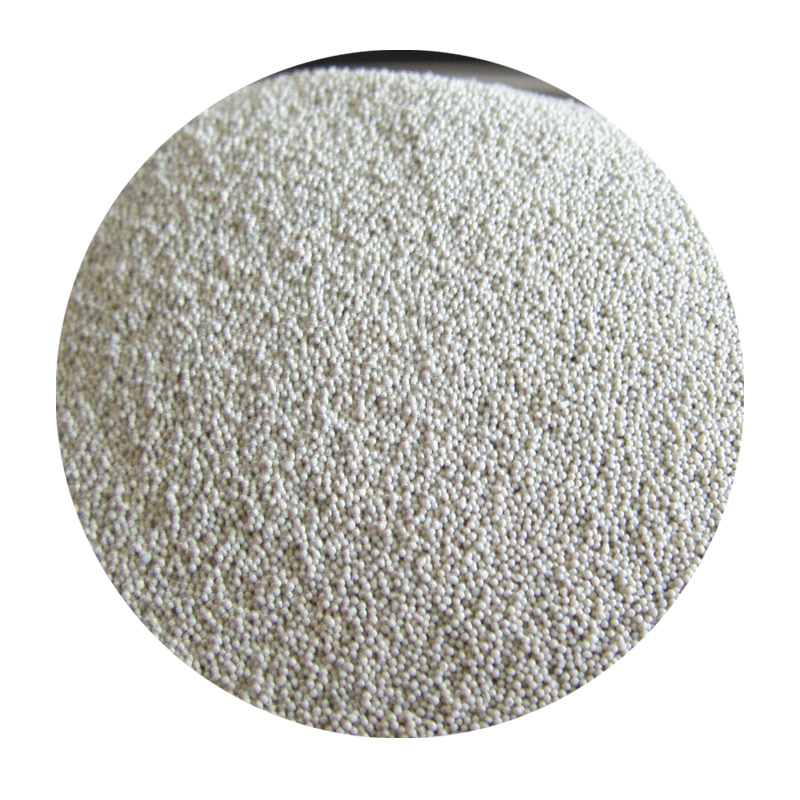
Image: Overview of a modern ceramic foundry sand production facility.
Key Technical Parameters and Advantages
Understanding the technical specifications of foundry sand for sale is crucial for foundries aiming to optimize their processes. Our Ceramic foundry sand for green sand process distinguishes itself with a superior set of parameters, ensuring high-quality, defect-free castings. Its high refractoriness, typically exceeding 1800°C, prevents molten metal penetration and ensures excellent surface finish, particularly for high-temperature alloys. The low thermal expansion coefficient of ceramic sand drastically reduces casting defects like hot tears and dimensional inaccuracies, which are common issues with silica sand due to its phase transformations at elevated temperatures. This dimensional stability translates directly into tighter tolerances for the final product, minimizing post-casting machining requirements.
Furthermore, the spherical to sub-angular grain shape of our ceramic sand ensures excellent permeability, facilitating efficient gas evacuation during pouring and preventing blowholes. Its high density contributes to superior mold compaction and stability, reducing the risk of mold erosion. With exceptional durability and reclaimability, ceramic sand offers a significantly longer service life compared to traditional options, allowing for extensive reuse within the foundry system. This reusability not only lowers material consumption but also reduces waste disposal costs, aligning with sustainable manufacturing practices. Our product also demonstrates excellent chemical inertness, preventing reactions with various binder systems and molten metals, ensuring metallurgical purity of the castings.
Comparative Analysis: Ceramic Sand vs. Traditional Sands
| Parameter | Ceramic Foundry Sand | Silica Sand (Typical) | Chromite Sand (Typical) |
|---|---|---|---|
| Refractoriness (°C) | > 1800 | 1550 - 1700 | 1750 - 1850 |
| Thermal Expansion | Very Low (0.05-0.1%) | High (1.2-1.5%) | Low (0.3-0.5%) |
| Grain Shape | Spherical to Sub-angular | Angular to Sub-angular | Angular |
| Density (g/cm³) | 3.3 - 3.6 | 2.5 - 2.6 | 4.5 - 4.8 |
| Thermal Conductivity | Moderate | High | Moderate to High |
| Reusability/Recyclability | Excellent (> 90%) | Moderate (< 50%) | Good (70-80%) |
| Dust Generation | Very Low | High (Silica hazards) | Low |
Note: Values are typical and may vary based on specific product grades and sources.
Diverse Application Scenarios and Industry Benefits
The versatility and superior performance of our ceramic foundry sand make it an indispensable material across a broad spectrum of industries requiring high-quality castings. In the automotive sector, it is widely used for producing critical components such as engine blocks, cylinder heads, and transmission housings, where dimensional accuracy and internal soundness are paramount. For the aerospace industry, our sand facilitates the casting of lightweight, high-strength parts for aircraft engines and structural components, meeting stringent safety and performance standards. Industries like metallurgy, including steel and iron foundries, significantly benefit from its high refractoriness and excellent collapsibility, leading to fewer defects and improved yield. Furthermore, in the petrochemical and power generation sectors, where large, complex castings are often exposed to extreme conditions, the inherent properties of our foundry sand types contribute to the production of durable and corrosion-resistant parts like pump bodies, valve casings, and turbine components. Its resistance to molten metal penetration ensures cleaner castings and reduces the need for extensive post-casting finishing.
Beyond core industrial applications, our foundry sand also finds utility in infrastructure projects, particularly in the manufacturing of pipes, fittings, and intricate components for water supply and drainage systems. The superior surface finish achieved with ceramic sand minimizes friction losses and enhances the longevity of these fluid-handling parts, contributing to overall system efficiency and reduced maintenance costs. Its low dust generation during reclamation processes also creates a healthier work environment, an increasingly important factor for modern sand casting foundries. The exceptional reusability of our ceramic sand drastically cuts down on waste disposal and raw material procurement, leading to substantial long-term cost savings and improved environmental performance. This blend of technical superiority and economic advantage positions our ceramic sand as a strategic investment for foundries committed to excellence.
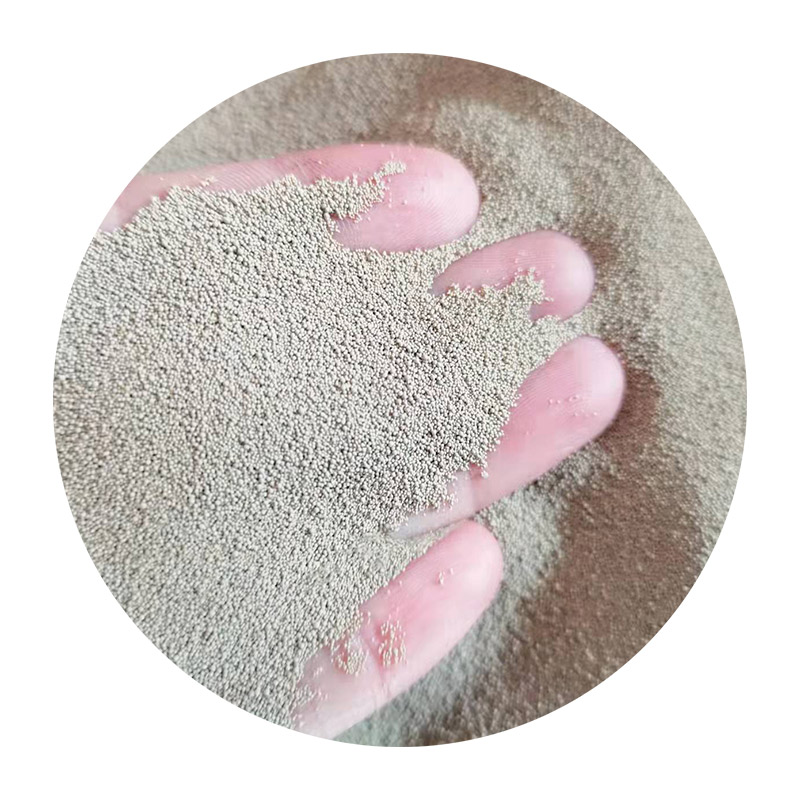
Image: Ceramic foundry sand in action within a green sand molding line.
Customization and Partnership Approach
Recognizing that each foundry operation has unique requirements, we offer comprehensive customization services for our foundry sand for sale. Our technical team works closely with clients to understand their specific casting materials, mold designs, binder systems, and operational parameters. Based on this in-depth analysis, we can fine-tune the AFS GFN, grain shape distribution, and chemical composition of our ceramic sand to optimize performance for particular applications. Whether it's achieving an ultra-smooth surface finish for investment casting patterns or enhancing permeability for large-scale green sand molds, our bespoke solutions ensure maximum efficiency and minimal defects. This collaborative approach allows us to deliver a product that is perfectly integrated into existing foundry processes, rather than a one-size-fits-all solution.
Our commitment extends beyond product delivery to include ongoing technical support and process optimization consultancy. With over a decade of experience serving leading foundries globally, we leverage our expertise to help clients troubleshoot challenges, improve casting quality, and reduce overall operational costs. Our partnerships are built on a foundation of mutual trust and a shared goal of innovation. We pride ourselves on rapid response times for technical inquiries and a flexible approach to logistics, ensuring timely delivery and supply chain reliability. For those exploring the optimal types of sand in foundry operations, our tailored offerings and dedicated support establish us as a preferred partner for achieving superior casting outcomes and long-term business success.
Case Studies and Testimonials
Our Ceramic foundry sand for green sand process has consistently delivered measurable improvements for our clients worldwide. A prominent European automotive components manufacturer, struggling with high scrap rates due to hot tears and veining when casting intricate aluminum parts, adopted our custom-graded ceramic sand. Within six months, their scrap rate for these specific components dropped by 18%, and post-casting machining time was reduced by 15% due to significantly improved surface finish and dimensional stability. This resulted in an annual saving of over $250,000 in material and labor costs. Similarly, a precision valve manufacturer in North America, casting stainless steel parts, reported a 20% increase in mold permeability and a 10% reduction in gas porosity defects after switching to our ceramic foundry sand, leading to enhanced product reliability and reduced rework.
Another compelling example comes from a heavy machinery foundry in Asia, which previously faced challenges with consistent thermal expansion of their traditional sand, causing dimensional inaccuracies in large iron castings. By integrating our specialized foundry sand, they achieved a remarkable 7% improvement in dimensional accuracy across their critical products, leading to fewer rejections from their end-users. These outcomes underscore our product's tangible benefits, reinforced by strong client relationships and testimonials praising not just the product quality but also our responsive technical support. Our proven track record across diverse applications demonstrates the reliability and economic value our ceramic sand brings to the most demanding sand casting foundries globally.
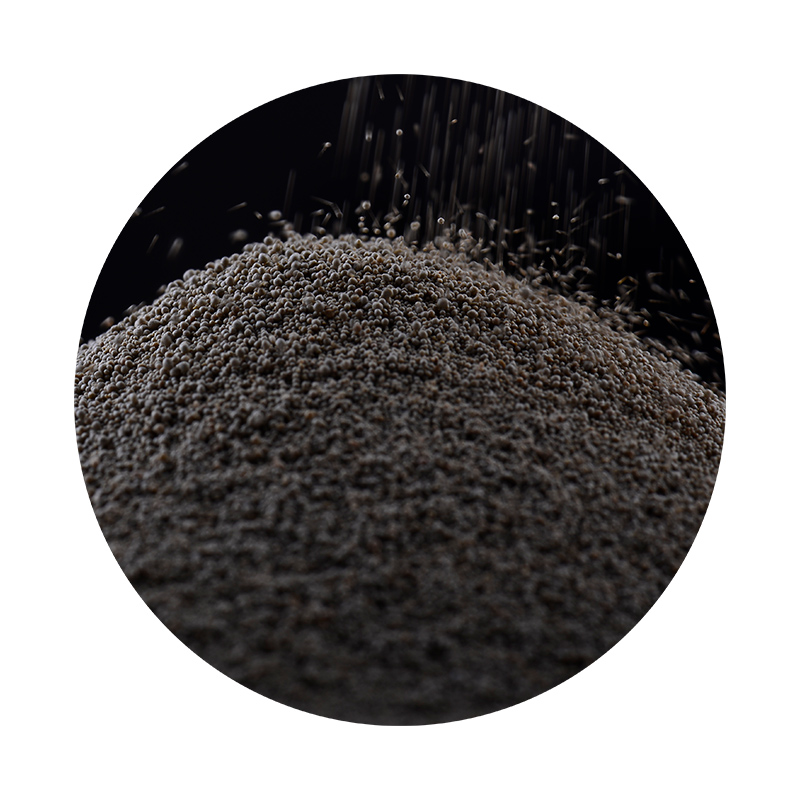
Image: High-precision automotive component cast using advanced ceramic foundry sand.
Ensuring Trust and Reliability: Quality, Logistics, and Support
Our commitment to quality is unwavering. All batches of our foundry sand for sale undergo stringent quality control measures, including particle size analysis (AFS GFN), refractoriness testing, thermal expansion measurement, and chemical composition analysis, ensuring every delivery meets specified performance criteria. We hold ISO 9001 certification, testifying to our robust quality management systems from raw material sourcing to final product dispatch. Our average delivery cycle for standard orders is typically 7-14 business days, with expedited options available for urgent requirements, facilitated by a global logistics network that ensures timely and secure shipment to your facility. We understand that consistent supply is critical for uninterrupted foundry operations, and our supply chain is designed for maximum reliability.
We provide a comprehensive product warranty covering material defects and ensuring performance consistency as per agreed specifications. Our dedicated customer support team is available to assist with technical queries, order tracking, and any post-sales support you may require. We offer detailed usage guidelines and best practices to help you maximize the benefits of our ceramic sand. This holistic approach, combining superior product quality with reliable logistics and responsive support, builds the trust essential for long-term partnerships. We aim to be more than just a supplier; we strive to be a reliable extension of your operational success, providing the foundational materials and expertise necessary for your most demanding casting projects.
Frequently Asked Questions (FAQ)
Q: What makes ceramic foundry sand superior to silica sand?
A: Ceramic foundry sand offers significantly higher refractoriness, much lower thermal expansion, superior reusability, and reduced dust generation compared to traditional silica sand. These properties lead to fewer casting defects, better surface finish, and improved dimensional accuracy, along with environmental and cost benefits.
Q: Can your ceramic sand be used with existing green sand binder systems?
A: Yes, our Ceramic foundry sand for green sand process is designed to be highly compatible with commonly used green sand binder systems, including bentonite clays. Its inert nature ensures no adverse reactions, maintaining mold integrity and performance.
Q: What is the typical service life or reusability of your ceramic foundry sand?
A: Our ceramic foundry sand boasts excellent reusability, typically maintaining its performance for 100+ cycles or even more with proper reclamation systems, significantly outperforming silica sand and leading to substantial material savings.
References
- American Foundry Society (AFS) - Sand Handbook for Metal Casting.
- International Organization for Standardization (ISO) - ISO 9001:2015 Quality Management Systems.
- Modern Casting - Industry publications on advanced foundry materials and processes.
- Transactions of the American Foundry Society - Research papers on molding materials and casting defects.
Next:Different Types of Foundry Sand for Quality Metal Casting