
How Sand Casting is Done
Sand casting is one of the oldest and most widely used metal casting processes. It involves the use of sand as the primary molding material to create intricate and precise metal parts. The process is favored for its versatility and the ability to produce complex shapes with relatively low costs. In this article, we will explore how sand casting is done, breaking down the key steps involved in this fascinating manufacturing process.
Preparation
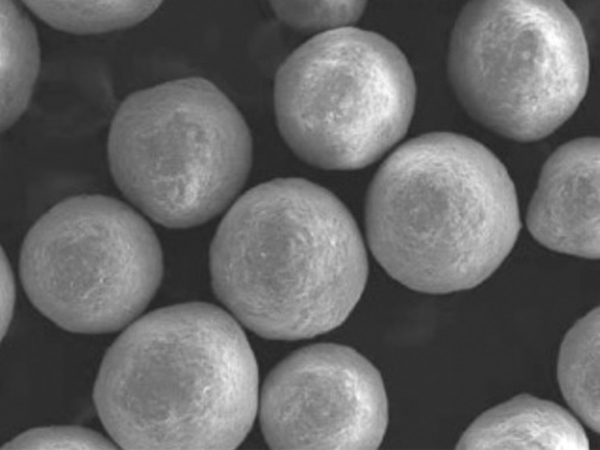
The first step in the sand casting process is the preparation of the sand mold. The primary material used is silica sand, which is favored for its excellent thermal properties. The sand is mixed with a bonding agent—usually clay—and water to enhance its cohesiveness and strength. This mixture is then compacted to form a mold around a pattern of the desired part.
Creating the Pattern
The pattern is a replica of the final product, factoring in shrinkage and finishing allowances. Patterns can be made from various materials, including wood, metal, or plastic, and they can be produced as solid, split, or core types. A solid pattern is used for simple shapes, while split patterns are used for more complex components with undercuts. For parts requiring hollow sections, cores made from sand or metal are placed in the mold to create the necessary cavities.
Making the Mold
Once the pattern is ready, it is placed into a box called a flask, and sand is packed around it to create the mold. The flask is typically shaken or vibrated to ensure the sand adheres tightly to the pattern, capturing all the details. After the sand has been compacted around the pattern, the flask is removed, leaving a negative impression of the pattern in the sand. If a core is needed, it is inserted into the mold at this stage to create internal features.
Pouring the Metal
how sand casting is done
With the mold prepared, the next step is to melt the metal that will be poured into the mold. Common metals used in sand casting include aluminum, iron, and magnesium, which are heated in furnaces until they reach a molten state. The molten metal is then carefully poured into the mold through a gating system, which is designed to control the flow and minimize turbulence, preventing defects such as oxidation and gas entrapment.
Cooling and Solidification
After the metal is poured, it begins to cool and solidify within the mold. The cooling process must be carefully controlled, as rapid cooling can lead to stress fractures, while slow cooling can cause unwanted crystallization. Depending on the thickness and complexity of the part, cooling times can vary, ranging from a few minutes to several hours. During this time, the metal will shrink slightly as it solidifies, further ensuring a secure fit within the mold.
Shakeout and Cleaning
Once the metal has fully cooled, the mold is opened, and the casting is removed in a process called shakeout. The sand mold can be reused, making sand casting environmentally friendly to an extent. The casting surface may require cleaning to remove any sand or imperfections, often involving processes such as shot blasting or grinding.
Finishing Processes
Finally, the casting may undergo further finishing processes to achieve the desired specifications, such as machining, polishing, or plating. These processes are essential to perfect the dimensions, improve the surface finish, and enhance the properties of the final component.
Conclusion
Sand casting is a well-established method that offers an economical and efficient means of producing metal parts across a wide range of industries, from automotive to aerospace. Its flexibility in design, ability to work with various metals, and suitability for both small and large production runs make it an invaluable technique in modern manufacturing practices. As technology continues to advance, the sand casting process will likely evolve, incorporating innovations like 3D printing for patterns and molds, further enhancing the capabilities of this traditional method. Whether for intricate prototypes or high-volume production, sand casting remains a cornerstone of metal fabrication.
Post time:Dec . 01, 2024 18:48
Next:types of sand in foundry