
Types of Sand in Foundry A Comprehensive Overview
Foundry sand plays a crucial role in the casting process, serving as the primary material used to form molds for metal shaping. The choice of sand type directly influences the quality of the cast product, as well as the efficiency of the foundry operation. This article will explore the various types of sand utilized in foundries, highlighting their unique properties, advantages, and specific applications.
1. Silica Sand
Silica sand, primarily composed of quartz, is the most commonly used sand in foundry applications. It is favored for its excellent thermal stability and low expansion properties, which make it ideal for mold making. The consistency and availability of silica sand contribute to its widespread use. Typically, silica sand is classified based on its grain size, which can affect the surface finish and dimensional accuracy of the castings. Fine grains produce smoother surfaces, while coarser grains are suitable for applications where surface finish is less critical.
2. Chromite Sand
Chromite sand is known for its high thermal conductivity and low thermal expansion, making it suitable for high-temperature applications. This type of sand is often used in the production of stainless steel castings. Chromite enhances the strength of molded sand, leading to improved durability during the casting process. Additionally, its resistance to abrasion makes it a preferred choice for complex molds that require extended production runs.
3. Zircon Sand
types of sand in foundry
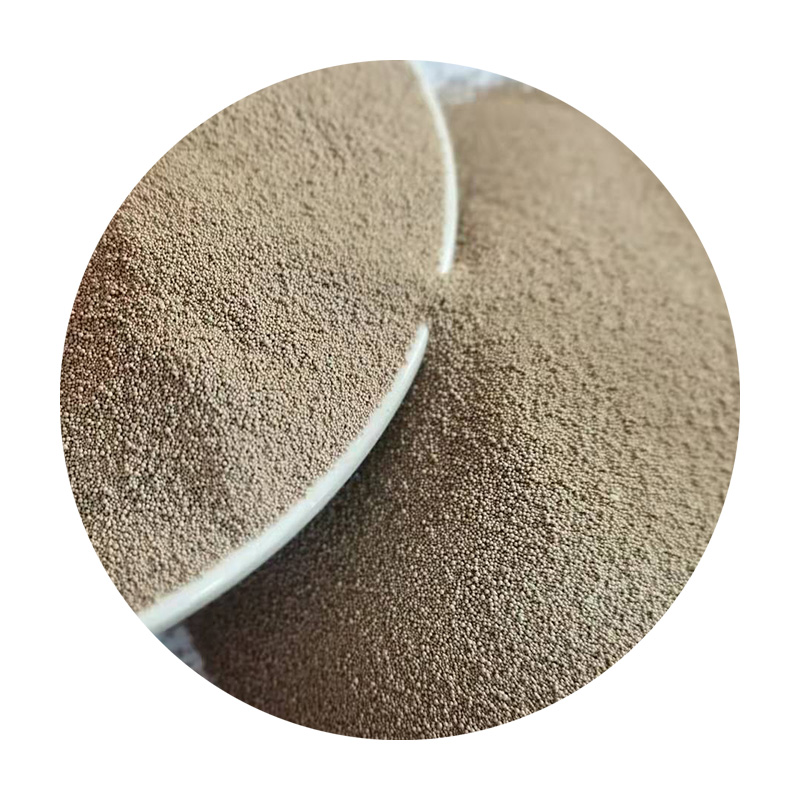
Zircon sand is another specialized sand used in foundries, particularly in the casting of non-ferrous metals. This type of sand offers excellent thermal stability and a high melting point, which allows it to withstand extreme temperatures during the casting process. Zircon also has low thermal expansion properties, resulting in minimal dimensional changes during cooling. Although it is more expensive than silica sand, its unique characteristics make it valuable for producing high-quality, intricate castings.
4. Olivine Sand
Olivine sand is a naturally occurring mineral sand that has gained popularity in foundry applications due to its favorable properties. It exhibits excellent thermal stability, low thermal expansion, and high resistance to chemical degradation. As a result, olivine sand is less likely to break down under the high temperatures encountered in metal casting. This type of sand is environmentally friendly and can be recycled effectively, which aligns with the growing sustainability goals in the foundry industry.
5. Coal Tar Sand
Coal tar sand, though less common, is utilized for its unique properties. It is formed from the byproducts of coal processing and provides excellent mold strength and stability. The addition of coal tar pitch in the sand mixture enhances bonding, resulting in stronger molds. This type of sand is particularly effective in applications requiring high strength and dimensional accuracy.
Conclusion
The choice of sand in foundry operations is crucial for producing high-quality castings. Each type of sand offers specific advantages depending on the casting requirements and operational conditions. Silica, chromite, zircon, olivine, and coal tar sands all have distinct properties that can enhance the casting process. As foundries continue to innovate, the exploration of new sand materials and recycling techniques will likely play a significant role in improving efficiency and sustainability in metal casting operations. Understanding these different types of sand allows foundry engineers to make informed choices that can lead to superior casting outcomes.
Post time:Dec . 01, 2024 18:42
Next:Understanding the Sand Casting Process and Its Applications in Manufacturing Industry