
Navigating the Market for High-Performance Foundry Sand
The global casting industry is undergoing a significant transformation, driven by demands for higher precision, improved surface finish, and reduced environmental impact. Central to this evolution is the quality of molding materials, particularly foundry sand. For businesses seeking reliable and advanced foundry sand for sale, understanding the latest innovations and technical specifications is paramount. Traditional silica sands often present challenges such as thermal expansion, susceptibility to veining, and environmental concerns regarding crystalline silica dust. These limitations have propelled the industry towards advanced alternatives, with ceramic foundry sand emerging as a leading solution.
Our focus delves into the superior characteristics of ceramic foundry sand, specifically tailored for the green sand process. This advanced material not only addresses the shortcomings of conventional sands but also introduces a host of technical advantages that directly impact casting quality, operational efficiency, and environmental compliance in modern foundry sand applications.
Understanding Types of Foundry Sand and Industry Trends
The selection of appropriate foundry sand types is critical for achieving desired casting properties and optimizing production costs. Historically, types of sand used in foundry operations primarily included silica sand due to its abundance and low cost. However, advancements in metallurgy and environmental regulations have spurred the development of specialized sands. Key types of foundry sand available today include:
- Silica Sand: Widely used, but limitations include high thermal expansion, low refractoriness, and potential health risks from respirable crystalline silica.
- Zircon Sand: Known for excellent refractoriness and low thermal expansion, but its high cost and density limit broader application.
- Chromite Sand: Offers good thermal stability and basicity, often used for manganese steel castings, but also high cost and density.
- Olivine Sand: Basic refractory, suitable for manganese and high-alloy steel castings, with no free silica.
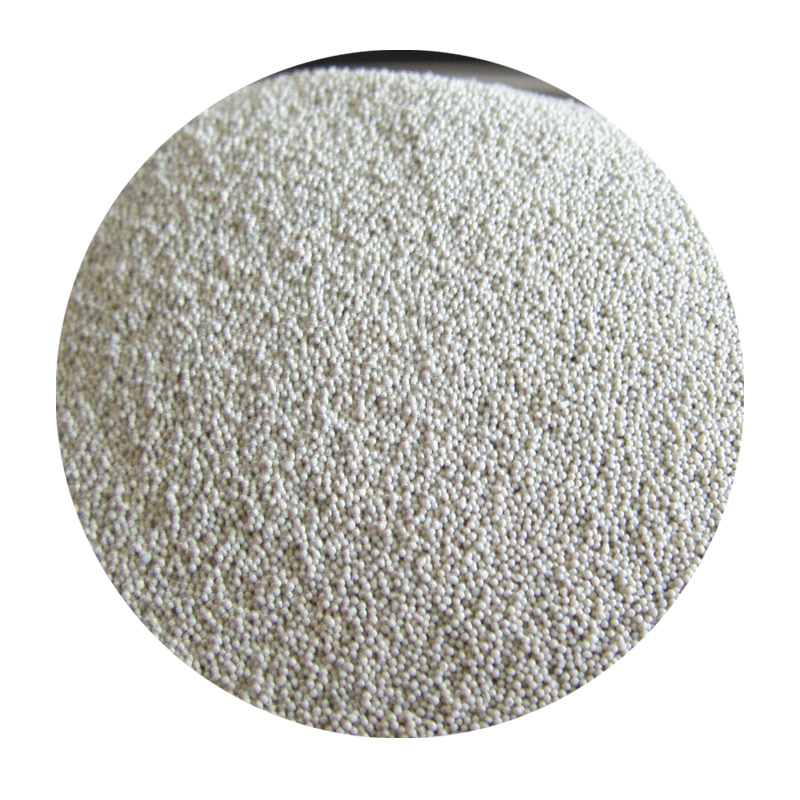
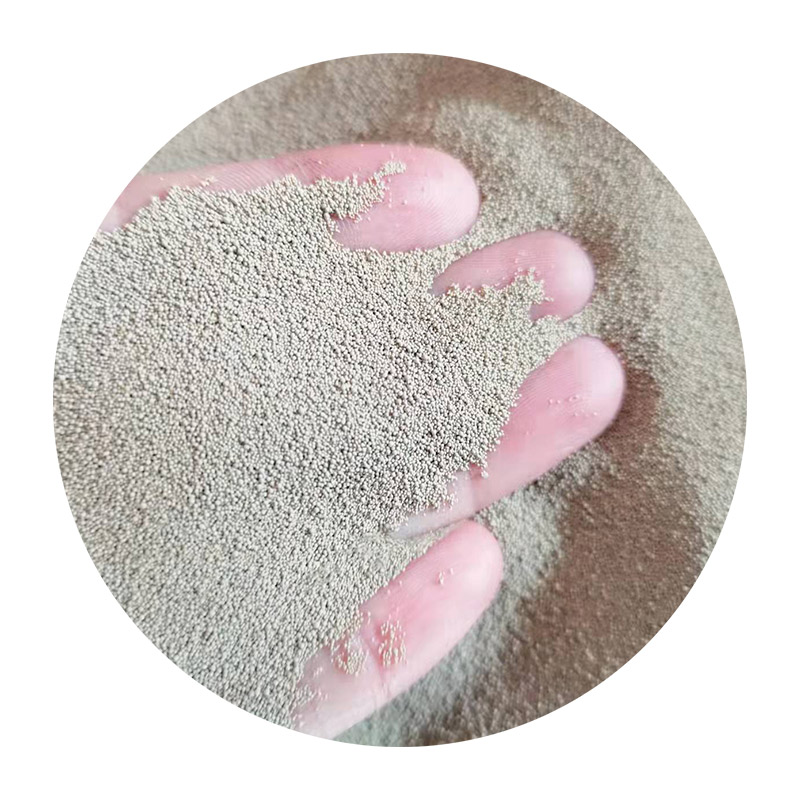
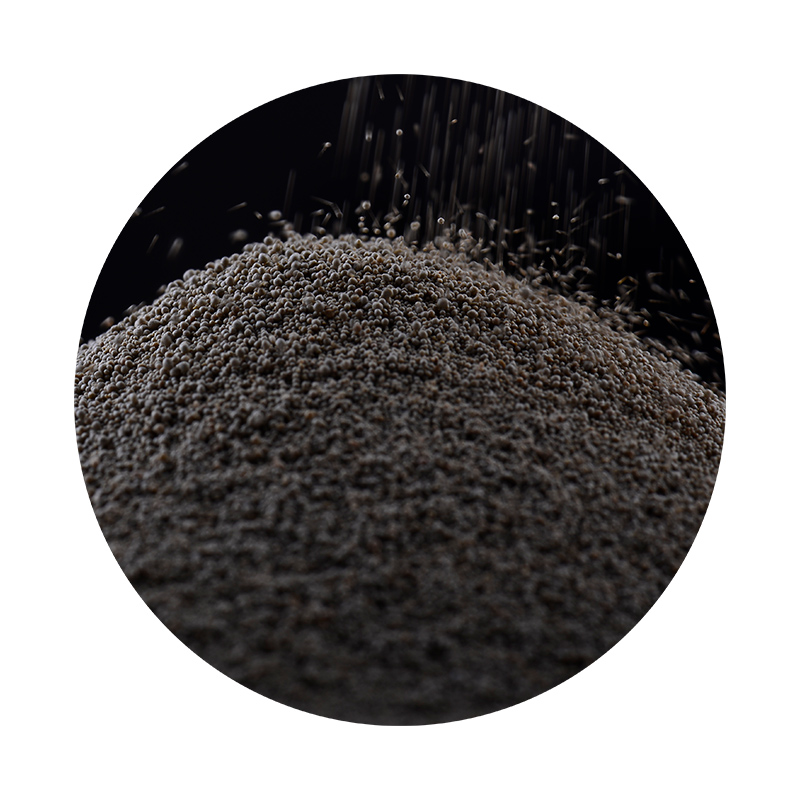
- Ceramic Foundry Sand: A synthetic, spherical, fused granular material, offering a superior balance of properties for various casting processes, particularly the green sand method.
Current industry trends emphasize sustainability, worker safety, and the production of increasingly complex and high-integrity castings. This drives demand for materials that reduce defects, lower energy consumption, and minimize waste. Ceramic foundry sand directly addresses these trends, offering a compelling solution for modern sand casting foundries looking to enhance their competitive edge.
Manufacturing Process of Advanced Ceramic Foundry Sand
The manufacturing of high-quality ceramic foundry sand involves a meticulously controlled process designed to achieve its unique spherical shape, high refractoriness, and low thermal expansion. Unlike naturally occurring sands, ceramic sand is engineered from bauxite ore, undergoing a series of thermal and mechanical treatments.
Process Flow: From Raw Material to Finished Product
- Raw Material Selection: High-grade bauxite, rich in alumina (Al2O3), is carefully selected for its consistent chemical composition and purity.
- Crushing & Grinding: The bauxite undergoes multi-stage crushing and grinding to achieve a fine particle size suitable for subsequent processing.
- Spheroidization & Calcination: The finely ground material is fed into a high-temperature rotary kiln or furnace. Through precise control of temperature (typically >1800°C) and residence time, the particles fuse and naturally spheroidize, forming dense, spherical grains. This process also eliminates volatile components and enhances refractoriness.
- Cooling: The hot, spherical grains are rapidly but carefully cooled to stabilize their crystalline structure and prevent thermal shock.
- Sizing & Classification: The cooled material is then sieved and classified into various AFS (American Foundry Society) grain fineness numbers, ensuring precise particle size distribution required for specific casting applications. This step is critical for permeability and surface finish.
- Quality Control & Testing: Throughout the entire process, rigorous testing is conducted. This includes chemical analysis, particle size distribution (PSD), specific gravity, bulk density, angularity, crush strength, and thermal expansion tests. Adherence to international standards like ISO and ANSI is strictly maintained to guarantee consistent quality for every batch of foundry sand for sale.
- Packaging: The finished ceramic foundry sand is packaged in various forms (e.g., bulk bags, paper bags) ready for distribution to sand casting foundries.
Schematic Representation:
Ceramic Foundry Sand Manufacturing Process
1. Bauxite Selection
(High Purity Alumina)
2. Crushing & Grinding
(Fine Particle Preparation)
3. Spheroidization & Calcination
(High Temp. Fusion & Shaping)
4. Cooling
(Stabilization)
5. Sizing & Classification
(AFS Grain Fineness)
6. Quality Control
(ISO/ANSI Standards)
Technical Specifications and Advantages of Ceramic Foundry Sand
Ceramic foundry sand distinguishes itself through a suite of technical parameters that directly translate into superior casting performance. Its engineered properties provide significant advantages over traditional silica and even other specialized sands, making it an ideal choice for high-integrity casting operations, especially in green sand processes.
Key Product Specifications: Ceramic Foundry Sand (Green Sand Process)
| Parameter | Typical Value | Benefit for Foundries |
|---|---|---|
| Chemical Composition (Al2O3) | 72-78% | High refractoriness, excellent thermal stability. |
| Refractoriness | >1800°C (3272°F) | Prevents sand fusion and metal penetration, suitable for high-temperature alloys. |
| Thermal Expansion Coefficient | 0.00-0.10% (at 1000°C) | Extremely low, minimizes casting defects like veining and scabbing, dimensional accuracy. |
| Shape | Spherical | Excellent permeability, reduced binder consumption (up to 30-50%), superior flowability, easier shakeout. |
| Specific Gravity | 3.20-3.40 g/cm³ | Good stability in molding, denser molds for better surface finish. |
| Acid Demand Value (ADV) | <5 ml of 0.1N HCl | Low chemical reactivity, ensures binder stability and consistent mold strength. |
| AFS GFN (Grain Fineness Number) | 30-80 (Customizable) | Versatile for various casting sizes and surface finish requirements. |
| Reusability | Highly reusable (low loss-on-ignition) | Reduces new sand consumption and waste, leading to significant cost savings. |
Technical Advantages for Foundries:
- Superior Surface Finish: The spherical grain shape and controlled particle distribution of types of sand in foundry, specifically ceramic sand, contribute to exceptionally smooth casting surfaces, often reducing post-casting finishing operations.
- Reduced Casting Defects: Minimal thermal expansion dramatically cuts down on defects like veining, scabbing, and burn-on, improving yield and reducing rework.
- Lower Binder Consumption: The spherical shape allows for optimal packing density and reduced surface area, leading to significant reductions (up to 50%) in binder requirements, offering direct cost savings.
- Excellent Permeability: High permeability facilitates efficient gas escape, preventing gas defects and ensuring sound castings.
- Enhanced Reusability & Service Life: Ceramic sand exhibits exceptional durability and resistance to breakdown, extending its service life in the sand system and reducing new sand additions. This contributes to energy saving through reduced processing and waste.
- Environmental Benefits: Lower silica content, reduced dust generation, and high reusability contribute to a healthier work environment and reduced landfill waste. It also demonstrates advantages in typical application scenarios by being inert, reducing corrosion resistance issues from reactive components.
Target industries benefiting from these advanced properties include petrochemical, metallurgy, automotive, aerospace, and water supply & drainage sectors, where precision, material integrity, and long service life of cast components are non-negotiable.
Application Scenarios and Real-World Case Studies
The versatility of ceramic foundry sand makes it suitable for a wide array of applications across various industries, particularly where high-quality surface finish and dimensional accuracy are paramount. Its superior properties translate into tangible benefits in demanding casting scenarios.
Typical Application Scenarios:
- Automotive Components: Engine blocks, cylinder heads, transmission housings, and brake parts requiring intricate geometries and excellent surface integrity.
- Aerospace Castings: Critical components for aircraft engines and structural parts where lightweight, high-strength alloys and flawless finishes are essential.
- Heavy Machinery & Industrial Equipment: Large, complex castings for pumps, valves, and gearboxes used in mining, construction, and power generation.
- Petrochemical & Energy Sector: Components exposed to high temperatures and corrosive environments, such as fittings, impellers, and casings in oil & gas exploration and power plants.
- Investment Casting Shells: Used as a primary aggregate to improve shell strength, reduce cracking, and enhance surface finish.
Customer Feedback & Service Case Details:
A major foundry specializing in ductile iron castings for the automotive industry reported significant improvements after integrating ceramic foundry sand into their green sand system. Prior to this, they struggled with high rates of veining defects and burn-on, leading to extensive fettling and rework.
- Challenge: Persistent veining and burn-on defects, high binder consumption with traditional silica sand.
- Solution: Implementation of a specific grade of ceramic foundry sand (AFS GFN 55).
- Results:
- Defect Reduction: Veining defects decreased by over 70%, leading to a 15% improvement in overall yield.
- Binder Savings: Binder consumption reduced by 35% due to the spherical grain shape and lower surface area, resulting in substantial material cost savings.
- Surface Quality: Noted a visibly smoother surface finish on castings, reducing the need for costly post-processing.
- Shakeout & Reclamation: Improved shakeout properties and higher sand reclamation rates due to minimal thermal degradation.
- Client Testimonial: "The transition to ceramic foundry sand for sale has been a game-changer for our productivity and bottom line. The consistency and quality of our castings have never been better, and the operational savings are significant." - Production Manager, Automotive Foundry.
Vendor Comparison and Customized Solutions
When evaluating foundry sand for sale, particularly specialized grades like ceramic sand, a thorough vendor comparison is essential. While many suppliers offer various types of sand in foundry, the quality, consistency, and support infrastructure can vary significantly. Focusing on vendors with a proven track record in manufacturing high-performance ceramic foundry sand ensures optimal results.
Comparison: Ceramic Sand vs. Traditional Silica & Zircon Sands
| Feature/Property | Ceramic Foundry Sand | Silica Sand | Zircon Sand |
|---|---|---|---|
| Thermal Expansion | Very Low (Excellent) | High (Poor) | Low (Very Good) |
| Refractoriness | >1800°C (Excellent) | ~1600°C (Good) | ~2100°C (Superior) |
| Grain Shape | Spherical | Angular/Sub-angular | Angular/Rounded |
| Binder Consumption | Low (Due to spherical shape) | High | Moderate |
| Surface Finish | Excellent | Good to Fair | Very Good |
| Cost | Moderate to High (Excellent ROI) | Low | Very High |
| Health & Safety | Low Crystalline Silica (Improved Safety) | High Crystalline Silica (Concerns) | Low Crystalline Silica (Good) |
Customized Solutions for Foundry Sand
Recognizing that each foundry operates with unique processes, metal types, and desired casting characteristics, a reputable supplier of foundry sand for sale should offer customized solutions. This includes:
- Tailored AFS GFN: Adjusting particle size distribution to achieve specific permeability and surface finish requirements for different casting geometries and alloys.
- Blended Sand Systems: Developing custom blends of ceramic foundry sand with other refractory sands to optimize cost-performance ratios for specific applications.
- Technical Support & Consultation: Providing expert advice on sand system management, binder selection, and process optimization to maximize the benefits of ceramic sand.
- Logistics & Supply Chain Solutions: Ensuring timely and efficient delivery, with flexible packaging options to integrate seamlessly into existing operations.
Ensuring Trust & Reliability: Our Commitment to Standards
In the B2B sector, trust, expertise, authority, and experience () are the cornerstones of strong partnerships. As a leading provider of ceramic foundry sand, we are committed to upholding the highest standards in all aspects of our operations.
Authoritativeness and Certifications:
- Industry Certifications: Our manufacturing processes adhere strictly to ISO 9001:2015 quality management systems, ensuring consistent product quality and reliable performance. Our products also meet relevant ANSI/AFS standards for foundry sands.
- Years of Service: With over 15 years of dedicated experience in advanced refractory materials, we have built a reputation for innovation and reliability in supplying foundry sand types to global markets.
- Partner Clients: We proudly serve a diverse portfolio of clients, from small jobbing foundries to large multinational corporations in automotive, aerospace, and general engineering sectors. Our long-term partnerships are a testament to our product quality and service excellence.
- Test Data & Analysis: Every batch of foundry sand for sale undergoes comprehensive laboratory testing, with detailed reports available upon request, confirming chemical composition, physical properties, and performance parameters.
Lead Time, Fulfillment, and Warranty:
- Efficient Fulfillment: We maintain strategic stock levels and robust logistics networks to ensure prompt delivery. Typical lead times range from 7-14 business days for standard orders, with expedited options available for urgent requirements.
- Quality Assurance & Warranty: All our types of sand used in foundry are backed by a comprehensive quality warranty, guaranteeing adherence to specified technical parameters. Should any product fail to meet stated specifications, we are committed to prompt resolution and support.
Frequently Asked Questions (FAQ) about Foundry Sand
What makes ceramic foundry sand superior to silica sand?
Ceramic foundry sand offers superior thermal stability, significantly lower thermal expansion (reducing casting defects like veining and scabbing), a spherical grain shape for better permeability and reduced binder usage, and higher refractoriness for high-temperature alloys. It also has lower crystalline silica content, improving workplace safety.
Can ceramic foundry sand be used in existing green sand systems?
Yes, ceramic foundry sand is highly compatible with existing green sand systems. Its spherical shape improves flowability and compaction, often requiring minor adjustments to binder levels and molding machine parameters to optimize performance. Our technical team can assist with seamless integration.
What are the economic benefits of using ceramic foundry sand?
While the initial cost per ton may be higher than silica, the economic benefits are substantial. These include reduced binder consumption (up to 50%), lower defect rates, reduced post-casting finishing costs, extended sand system life, and lower waste disposal costs due to high reusability. The overall total cost of ownership (TCO) is often significantly reduced.
How do I choose the correct AFS GFN for my application?
The AFS GFN (Grain Fineness Number) determines the average particle size, impacting permeability and surface finish. A lower GFN (coarser sand) provides higher permeability for larger castings, while a higher GFN (finer sand) yields smoother surfaces for intricate or small castings. Our technical experts can recommend the optimal AFS GFN based on your specific casting requirements and metal type.
Customer Support and Technical Assistance:
Our commitment extends beyond product delivery. We provide comprehensive after-sales support, including on-site technical assistance, sand system analysis, and training for your foundry personnel. Our goal is to ensure you maximize the benefits of our foundry sand for sale, achieving consistent quality and operational efficiency.
Conclusion: The Future of Foundry Sand
The choice of foundry sand is a critical determinant of casting quality, operational efficiency, and environmental footprint in modern sand casting foundries. As the industry continues to advance, the demand for high-performance, sustainable, and cost-effective molding materials will only grow. Ceramic foundry sand for the green sand process stands out as an exemplary solution, offering a compelling blend of technical advantages, economic benefits, and environmental responsibility.
By investing in advanced foundry sand for sale like our ceramic product, foundries can achieve higher quality castings, reduce operational costs, and enhance their competitiveness in a demanding global market. Our expertise, authoritative certifications, extensive experience, and unwavering commitment to trustworthiness ensure that our partners receive not just a product, but a comprehensive solution for their casting challenges.
References
- American Foundry Society. (AFS). (2022). Molding Methods and Materials. Retrieved from www.afsinc.org
- International Organization for Standardization. (ISO). (2015). ISO 9001:2015 Quality management systems – Requirements. Retrieved from www.iso.org
- ASTM International. (2021). ASTM E11-21 Standard Specification for Woven Wire Test Sieve Cloth and Test Sieves. Retrieved from www.astm.org
- Campbell, J. (2003). Castings Practice: The 10 Rules of Castings. Butterworth-Heinemann.
- J.F. Wallace, R.W. Heine, P.J. Fose, & C.W. Fose. (2002). Foseco Ferrous Foundryman's Handbook. Butterworth-Heinemann.
Next:Premium Foundry Sand For Sale | All Types for Sand Casting