
As the demand for high-quality refractory and proppant materials continues to surge across key industries, bauxite sand and bauxite frac sand have emerged as leading choices for foundries, oil extraction, and metallurgical processes, acclaimed for their superior thermal resistance, compressive strength, and durability.
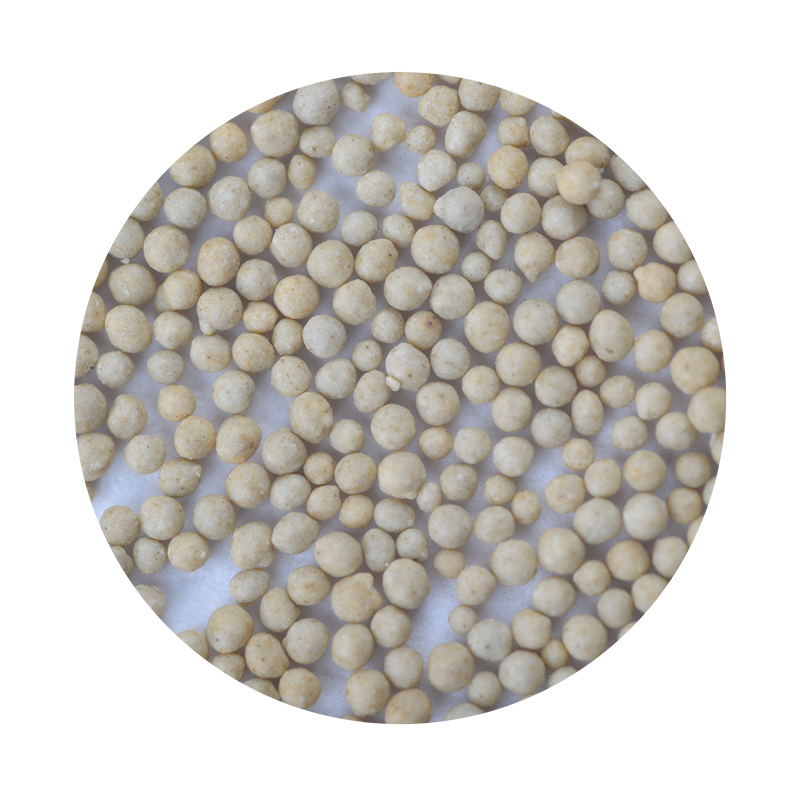
Bauxite sand for foundries distinguishes itself not only by its exceptional technical performance but also through rigorous adherence to global standards such as ISO 9001 and ANSI ASTM C1107, ensuring regulatory compliance, traceability, and user confidence.
Explore Bauxite Sand for Foundries1. Global Trends & Market Overview: Bauxite Sand & Bauxite Frac Sand
- According to Grand View Research, the global bauxite market size exceeded USD 12.3 billion in 2023 and is projected to register a CAGR of 4.1% from 2024 to 2030, driven by the surge in foundry, oil & gas, and metallurgy sectors.
- Bauxite frac sand plays a pivotal role in the hydraulic fracturing process, with consumption reaching over 8 million tons in North America in 2023 (Statista).
- The foundry grade bauxite sand market is transitioning toward higher purity, tighter size control, and customized blends, due to increasing performance and regulatory requirements.
2. What is Bauxite Sand? Material Properties & Definitions
bauxite sand is engineered by calcining high-alumina bauxite ore at high temperatures (above 1500℃), followed by crushing, grading, and shaping processes. The resulting grain exhibits:
- High Alumina Content (Aℓ₂O₃ ≥ 75%): Superior refractoriness and stability at elevated temperatures.
- Optimized Grain Shape: Spherical or sub-angular for minimal binder demand and increased permeability.
- Acid & Alkali Resistance: Endures harsh foundry environments (corrosive slags, chemicals).
- Low Thermal Expansion: Reduces risk of casting defects (veining, penetration).
- Bauxite Frac Sand: Grains engineered for proppant purpose; high crush resistance and roundness.
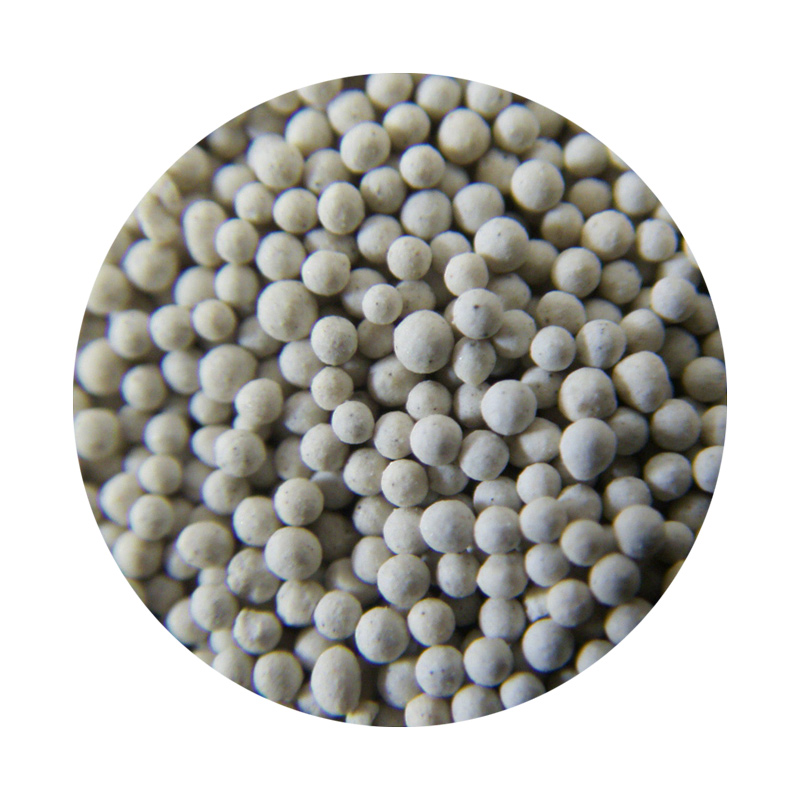
3. Industry Standard Parameters: Bauxite Sand Specification Table
| Parameter | Bauxite Sand for Foundries | Bauxite Frac Sand | Silica Sand (Reference) |
|---|---|---|---|
| Al₂O₃ Content (%) | 75.0 - 85.0 | 70.0 - 80.0 | 0.5 - 1.0 |
| SiO₂ Content (%) | 6.0 - 13.0 | 10.0 - 20.0 | 98.0+ |
| Bulk Density (g/cm³) | 2.7 - 3.2 | 2.7 - 3.15 | 1.4 - 1.7 |
| Refractoriness (℃) | ≥ 1790 | ≥ 1650 | ≤ 1700 |
| Roundness (Krumbein Scale) | 0.6 - 0.85 | 0.8 - 0.95 | 0.45 - 0.7 |
| Crush Resistance (K Value) | 12,000 psi | 15,000+ psi | 6,000 - 7,000 psi |
| Thermal Expansion (×10⁻⁶ /℃) | ≤ 0.016 | ≤ 0.018 | 0.055 |
| LOI (Loss on Ignition, %) | < 0.2 | < 0.3 | 0.5 |
4. Bauxite Sand Manufacturing Process Flow
The production of bauxite sand for foundries is a precision-driven, ISO 9001-accredited process ensuring consistent product quality and traceability. Below is a flowchart summarizing essential steps:
Strict QC checkpoints are implemented right after calcination (to check phase composition, ref. ISO 12677), after sieving (for particle size uniformity), and post-packaging (LOI, free moisture analyses).
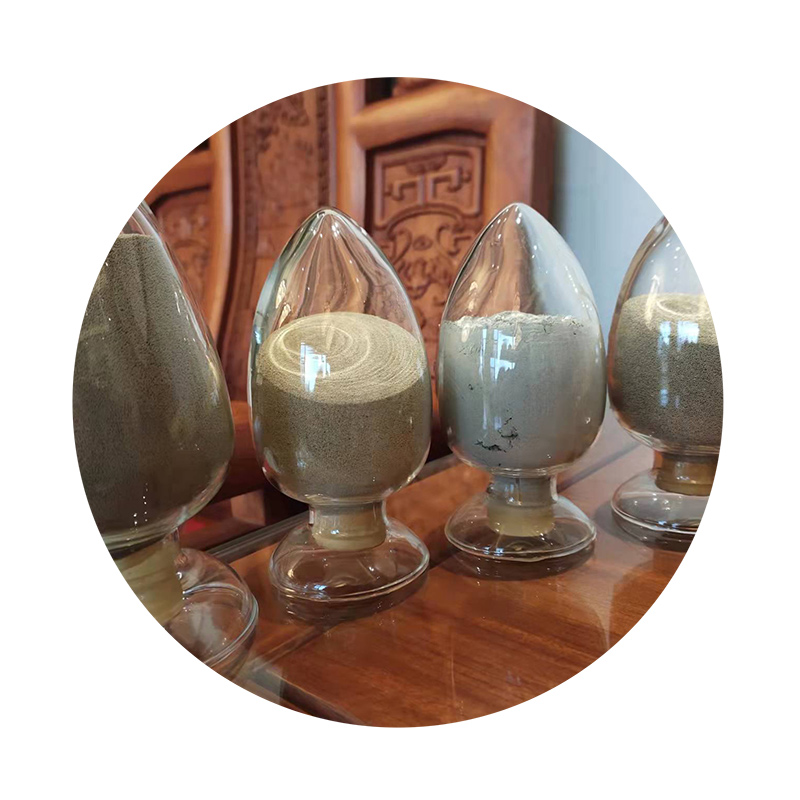
5. Data Visualization - Product Performance Charts
Interpretation: Bauxite sand and bauxite frac sand far surpass silica sand in alumina content and mechanical strength, explaining their fast-growing adoption.
6. Competitive Comparison: Leading Global Suppliers
| Supplier | Key Product | Al₂O₃ (%) | Crush Resistance (psi) | Grain Size Range (mm) | Testing & Certification |
|---|---|---|---|---|---|
| SINOCeramsite | Bauxite sand for foundries | 80 ±2 | 12,000 - 15,000 | 0.18 - 2.36 | ISO 9001, ASTM C29, API RP 56 |
| Imerys | Fused Bauxite Sand | 78 ±3 | 12,000 | 0.25 - 2.00 | ISO 14001, ASTM E11 |
| Saint-Gobain | Proppant Bauxite | 75 ±2.5 | 15,000+ | 0.20 - 2.20 | API Spec Q1, ISO 9001 |
| Carbo Ceramics | Bauxite Frac Proppant | 82 ±3 | 14,500 | 0.30 - 2.50 | API RP 56, ISO 13503 |
SINOCeramsite offers customized particle size distributions and premium grades with enhanced sphericity, making bauxite sand ideal for demanding foundry and energy applications.
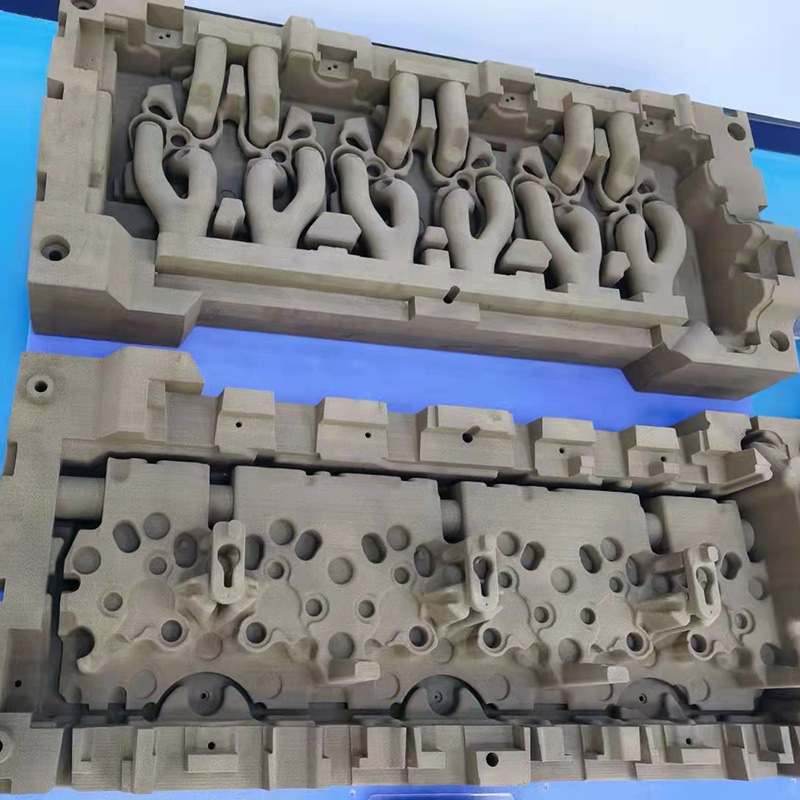
7. Customized Solutions & Industrial Application Scenarios
- Foundry Industry: As molding/core sand for steel, iron, and nonferrous foundries. Bauxite sand minimizes casting defects (penetration, gas evolution) and reduces bentonite/catalyst needs due to its lower thermal expansion.
- Oil & Gas: Bauxite frac sand is deployed as ultra-high strength proppant in hydraulic fracturing, enabling well integrity at closure stresses of 12,000–15,000 psi, outperforming quartz and resin-coated sands. Used by ExxonMobil, Shell, Sinopec (source).
- Metallurgy: Used as ladle filler, tundish covering, sliding gate mortars.
- Water & Waste Management: Acts as a heavy overlay filtration media with anti-corrosive properties.
- Chemical & Petrochemical: Applied in riser tube linings and catalytic reactors.
Example: SINOCeramsite supplied custom-graded bauxite sand to an automotive foundry in Germany, resulting in a 30% reduction in finishing times, 45% lower scrap rate, and improved surface finish (Ra < 6.5), compared to traditional silica sand-based processes.
8. Real Case Study: Bauxite Sand in Action
- Client: Middle East Oilfield Services Co.
- Scenario: Hydraulic fracturing in high-pressure (up to 13,000 psi) shale formation, Abu Dhabi, 2023.
- Material: Bauxite frac sand (Al₂O₃ 81.5%, roundness 0.92), 20/40 mesh, low LOI
- Results:
- Reduced proppant embedment and crush fines by 25% vs. resin-coated sand
- Fracture conductivity improved by 23%
- Completion cost savings: USD 270k across 10 wells
- Certification: Full compliance with ISO 13503-2 and API RP 56 requirements.
9. Frequently Asked Questions: Bauxite Sand & Frac Sand Industry Glossary
- Q1: What is the typical particle size distribution of bauxite sand?
- A1: For foundry use, particle size ranges from 0.18mm to 2.36mm (mesh 8–100), tailored to molding requirements. For bauxite frac sand, typical product granulations are 20/40, 30/50, and 40/70 mesh, compliant with API RP 56.
- Q2: What are key technical specifications and standards for bauxite sand?
- A2: Key specs include: Al₂O₃ ≥ 80%, SiO₂ ≤ 12%, crush resistance ≥ 12,000 psi, roundness > 0.8, refractoriness ≥ 1790°C. International standards include ISO 9001 (Quality Management), ASTM C29, ISO 13503-2 (fracturing proppants).
- Q3: How is thermal expansion measured and why is it crucial?
- A3: Measured by dilatometry (ISO 8264), thermal expansion impacts the risk of casting defects such as veining and penetration. Lower thermal expansion yields higher casting dimension accuracy.
- Q4: What is the roundness (Krumbein) value and its benefit?
- A4: Roundness (scale 0–1) enhances flowability and packing density. Bauxite frac sand with ≥0.85 roundness exhibits less proppant embedment, higher fracture conductivity, and lower pressure drop in oil & gas ops.
- Q5: Which ISO/ASTM/API standards apply to bauxite sand and frac sand?
- A5: Major standards: ISO 9001, ASTM C29, ASTM E11 (sieve analysis), ISO 13503-2/API RP 56 (proppant properties), ASTM C1107 (refractory chemical analysis).
- Q6: What is the typical delivery time and packaging method?
- A6: Standard lead time 7–14 days for bulk orders. Packaging: 25kg polybags, 1MT FIBCs, or as per client requirement. Containerized or bulk vessel loading available, with moisture-proof lining.
- Q7: What are the after-sales support and warranty assurances?
- A7: SINOCeramsite offers 2-year quality guarantee (physical, chemical specs), on-site technical consultations, and root-cause analysis for casting/frac process optimizations.
10. Quality Assurance, Standards & Service Commitments
- Certifications: ISO 9001:2015, ISO 14001:2015, API RP 56, ASTM C29, RoHS-compliant.
- Testing: Each batch tested for alumina purity, grain size, roundness, crush resistance, by SPECTRO X-ray fluorescence and Cilas laser particle size analyzer.
- Support: Application engineering services, mold/core optimization support, trial sampling, COA/COC included on shipment.
- Warranty: 24 months against material non-conformance (analysis under ISO/ASTM norms).
Contact our team for free technical recommendations, custom grading, and logistics planning: Bauxite sand for foundries.
11. Industry References & Further Reading
- [1] Global Bauxite Market Analysis, Grand View Research
- [2] Frac sand demand in the U.S., Statista
- [3] "Bauxite-Based Proppants: Performance and Selection", Journal of Petroleum Technology (SPE)
- [4] "Evaluation of Foundry Sand Substitutes", Journal of Cleaner Production
- [5] "Hydraulic Fracturing and Proppant Technologies", Society of Petroleum Engineers (OnePetro)
- [6] Frac Sand Testing Protocols, API RP 56 Standard
- [7] Industry Forum: "Bauxite Sand Advances", Foundry Planet
Next:Supersand: Advanced Paver Joint Sand for Durable Bonds