
Understanding Foundry Sand Properties: A Comprehensive Guide
Foundry sand is a crucial component in the metal casting process, and its properties significantly impact the quality of the final product. Selecting the right sand is essential for achieving desired casting characteristics, minimizing defects, and optimizing production efficiency. This article will delve into the key foundry sand properties, outlining their importance and how they are measured. We will cover everything from grain shape and size to chemical composition and permeability, providing a comprehensive overview for foundry professionals and those involved in metal casting operations. Understanding these properties enables informed decisions when choosing the optimal sand for your specific application.
Grain Shape and Size Distribution
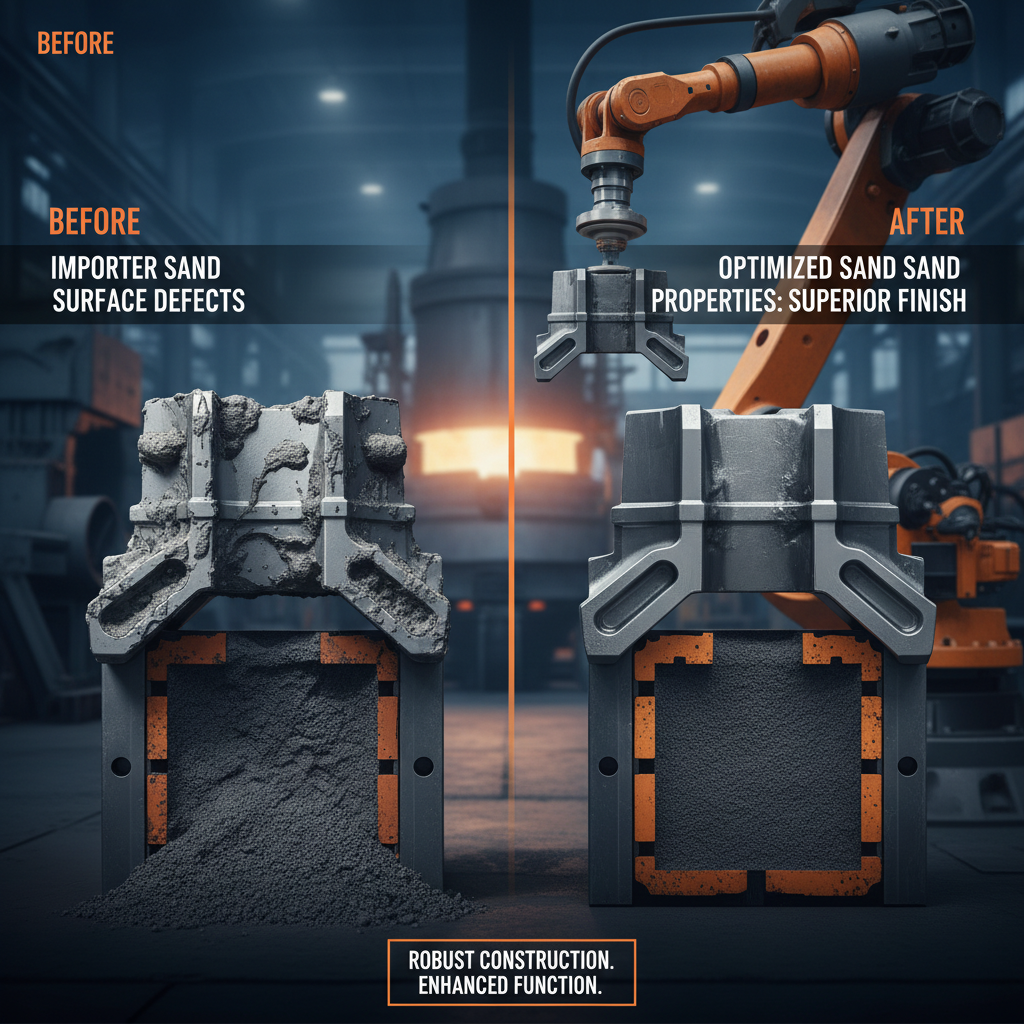
The shape and size of sand grains influence permeability, packing density, and surface finish. Rounder grains generally improve flowability and reduce the risk of surface defects. Size distribution, often measured using sieve analysis, defines the percentage of grains falling within specific size ranges. A well-graded sand has a balanced distribution of grain sizes, leading to better compaction and permeability. This prevents the creation of voids within the mold that could affect the casting. A poorly graded sand will have either too many large grains or too many fine grains, which leads to either low permeability or high surface roughness.
Permeability and Gas Evolution
Permeability refers to the sand's ability to allow gases produced during metal pouring to escape. Insufficient permeability can lead to gas defects such as blowholes and porosity in the casting. Permeability is influenced by grain size, shape, and compaction. Gas evolution, stemming from moisture and core binders, also impacts permeability. Maintaining adequate permeability is crucial for producing sound castings. The AFS permeability test is a standard method for evaluating this property. This test measures the rate of air flow through a sand specimen under a specific pressure.
Refractoriness and Thermal Stability
Refractoriness describes the sand's resistance to deformation and melting at high temperatures. Higher refractoriness is essential for casting metals with higher melting points. Silica sand possesses good refractoriness, but other materials like zircon and chromite sand are used for more demanding applications. Thermal stability relates to the sand's ability to maintain its properties during repeated heating and cooling cycles. Choosing a sand with appropriate thermal stability prevents cracking and disintegration of the mold.
Key Highlight: Refractoriness is crucial for preventing the sand from fusing with the molten metal, leading to mold distortion and surface defects.
Chemical Composition and Reactivity
The chemical composition of foundry sand impacts its reactivity with molten metal. Silica (SiO2) is the primary component of most foundry sands. However, the presence of impurities like alumina (Al2O3), iron oxide (Fe2O3), and titanium dioxide (TiO2) can influence sand properties. Certain impurities can react with the metal, causing defects or altering the casting's microstructure. Selecting sand with a controlled chemical composition minimizes these undesirable reactions and ensures casting integrity. Sinoceramsite provides sands with consistent chemical composition for reliable casting results.
Foundry Sand Properties Comparison
Different types of foundry sands offer varying properties suitable for specific applications. Here's a comparison of common sand types:
Conclusion: Optimizing Casting Quality Through Sand Selection
Selecting the right foundry sand is paramount for achieving high-quality castings. Understanding the key properties – grain shape, size distribution, permeability, refractoriness, and chemical composition – enables informed decisions tailored to specific metal casting requirements. Careful consideration of these factors minimizes defects, improves surface finish, and enhances production efficiency. Sinoceramsite offers a wide range of high-quality foundry sands to meet diverse casting applications.
Frequently Asked Questions (FAQs)
What is AFS grain fineness number and what does it indicate?
The AFS Grain Fineness Number (GFN) is a measure of the average grain size of foundry sand. It's determined by sieve analysis and represents the number on the sieve that retains 80% of the sand by weight. A higher GFN indicates a finer grain size. This number is crucial for selecting the appropriate sand for specific casting requirements; finer grains generally produce smoother surface finishes but can reduce permeability. Understanding the AFS GFN allows for consistent sand selection and optimal casting results.
How does moisture content affect foundry sand properties?
Moisture content significantly impacts several foundry sand properties. Adequate moisture is necessary for bonding sand grains together, providing mold strength. However, excessive moisture can reduce permeability, leading to gas defects. It also affects the sand's compactability and thermal stability. Maintaining the optimal moisture level, typically between 3-8%, is crucial for achieving desired molding characteristics and preventing casting defects.
What is the role of clay content in foundry sand?
Clay content plays a critical role in binding sand grains together, providing the necessary strength and plasticity for mold making. Different types of clay offer varying binding properties. Excessive clay content can reduce permeability, while insufficient clay content results in weak molds. The optimal clay content depends on the casting process and the type of sand used. Precise control of clay content ensures adequate mold strength and prevents collapse during pouring.
Where can I source high-quality foundry sand?
Sourcing high-quality foundry sand from a reputable supplier is essential for consistent casting results. Sinoceramsite offers a comprehensive range of foundry sands with controlled properties and consistent quality. We specialize in providing tailored sand solutions to meet specific customer needs, ensuring optimal performance in your metal casting operations.
Next:The Enduring Strength and Versatility of Sand Cast Iron in Modern Engineering