
Understanding sand casting metal: A Cornerstone of Industrial Manufacturing
In the intricate world of industrial manufacturing, the process of sand casting metal stands as a testament to engineering ingenuity, enabling the production of complex components across a myriad of sectors. This foundational casting method, revered for its versatility and cost-effectiveness, involves creating a mold from sand, pouring molten metal into it, and then breaking the mold to retrieve the solidified part. Its widespread adoption is attributed to its ability to handle a broad spectrum of metallic alloys, from robust sand casting steel to durable sand casting iron, facilitating the creation of parts ranging from a few ounces to several tons. The fundamental principles behind sand casting have remained consistent for millennia, yet modern advancements in molding materials, metallurgical science, and automated processes have significantly refined its precision, surface finish, and mechanical properties. The enduring relevance of sand castings in contemporary manufacturing landscapes, including critical infrastructure, automotive, aerospace, and energy sectors, underscores its irreplaceable role. As industries globally navigate challenges related to supply chain resilience, material innovation, and sustainable production, the demand for high-quality, reliable, and custom-engineered metal components produced through sophisticated sand casting techniques continues to surge. This comprehensive exploration delves into the nuances of sand casting, elucidating its process, technical merits, diverse applications, and the strategic advantages it offers to B2B decision-makers seeking robust, cost-efficient, and performance-optimized metallic parts. The adaptability of sand casting allows for intricate geometries and designs that might be cost-prohibitive with other manufacturing methods, making it a preferred choice for prototypes and mass production alike. Furthermore, the inherent recyclability of the sand molds and the scrap metal makes it an environmentally conscious choice in a circular economy framework. Understanding the intricacies of this technology is paramount for leveraging its full potential in an increasingly competitive global market. The choice of sand type, binder systems, and advanced core technologies directly impacts the final product's dimensional accuracy, surface integrity, and overall structural integrity, emphasizing the need for specialized expertise in this domain.
The Meticulous Process: Unveiling Sand Casting Metal Manufacturing
The manufacturing process of sand casting metal is a multi-stage, intricate operation demanding precision at every turn to yield high-quality components. It typically commences with pattern making, where a replica of the desired part is meticulously crafted, often from wood, metal, or plastic, incorporating allowances for shrinkage and machining. This pattern is then used to create the mold, a critical step where specialized sand, bonded with a clay mixture (green sand) or chemical binders (no-bake/resin-bonded sand), is packed around the pattern within a two-part flask. Once the sand is sufficiently compacted and hardened, the pattern is carefully withdrawn, leaving behind a cavity that precisely mirrors the intended component's geometry. For parts requiring internal voids or complex features, cores—pre-formed sand shapes—are strategically placed within the mold cavity. These cores are designed to withstand the heat of molten metal without collapsing and are later removed to define internal passages. A crucial aspect of this stage is the meticulous preparation of the gating system, which includes the pouring basin, sprue, runners, and gates, all engineered to facilitate a smooth, controlled flow of molten metal into the mold cavity, preventing turbulence and premature solidification. Risers, reservoir systems, are also incorporated to feed molten metal into the solidifying casting, compensating for shrinkage and preventing porosity.
Following mold assembly, the carefully selected metal, such as steel sand casting alloys (e.g., carbon steel, stainless steel, alloy steel) or various grades of sand casting iron (e.g., grey iron, ductile iron, malleable iron), is melted in an induction furnace or cupola, reaching precise pouring temperatures. The molten metal is then carefully poured into the mold cavity through the gating system. As the metal cools and solidifies, it takes on the exact shape of the mold. After adequate cooling, the mold is broken apart, and the rough casting is extracted. This raw casting undergoes a series of post-processing steps, beginning with shakeout, where the sand is removed, followed by fettling, which involves removing the gates, risers, and any excess metal (flash) through cutting, grinding, or chipping. Heat treatment, such as annealing, normalizing, quenching, or tempering, is often applied to steel sand casting and iron components to optimize their mechanical properties, including hardness, strength, and ductility, relieving internal stresses, and refining grain structure. Depending on the application, further manufacturing processes like CNC machining may be employed to achieve tight dimensional tolerances and superior surface finishes. For instance, critical components for petrochemical pumps or metallurgical rolling mills often require precision CNC machining after casting to ensure perfect fit and optimal performance. Finally, rigorous quality control and inspection standards, including visual inspection, dimensional checks, non-destructive testing (NDT) such as ultrasonic testing (UT), magnetic particle inspection (MPI), liquid penetrant inspection (LPI), and radiographic testing (RT), are meticulously performed. These tests, adhering to international standards like ISO (e.g., ISO 9001 for quality management, ISO 17025 for testing laboratories), ANSI (e.g., ANSI B16.34 for valves), ASTM (e.g., ASTM A27 for steel castings, ASTM A48 for gray iron castings), and API (e.g., API 600 for steel gate valves), ensure the final product's integrity, structural soundness, and compliance with specified performance criteria. The entire process, from design to final inspection, ensures that components, whether for robust industrial machinery or intricate fluid handling systems in the petrochemical and water treatment industries, exhibit exceptional longevity, often exceeding a service life of 20-30 years, and demonstrate superior advantages such as excellent corrosion resistance when using appropriate alloys and significant energy efficiency due to optimized flow paths and reduced weight in specific designs.
Technical Parameters and Industry Standards in Sand Casting
Achieving optimal performance and reliability in sand casting metal components hinges on a deep understanding and precise control of various technical parameters, all while adhering strictly to recognized industry standards. Key parameters include material composition, dimensional tolerances, surface finish, mechanical properties, and heat treatment specifications. For instance, when dealing with sand casting steel, specific ASTM (American Society for Testing and Materials) designations like ASTM A27 for carbon steel castings or ASTM A216 for carbon steel castings for high-temperature service dictate precise chemical compositions (e.g., carbon, manganese, silicon, sulfur, phosphorus content) and mechanical properties such as tensile strength, yield strength, elongation, and reduction of area. Similarly, for sand casting iron, ASTM A48 specifies various classes of grey iron based on tensile strength, while ASTM A536 covers ductile iron castings, detailing different grades with distinct tensile and yield strengths and elongation percentages. Dimensional tolerances for sand castings are generally broader than those achieved through machining or investment casting, typically ranging from ±0.5 mm to ±3 mm, depending on part size and complexity, as per standards like ISO 8062-3 (casting tolerances). However, strategic use of precision molding techniques, advanced sand types like Ceramcast sand ball shape, and subsequent CNC machining can significantly tighten these tolerances to meet demanding specifications. Surface finish, usually measured in Ra (arithmetic average roughness), for the sand cast parts typically falls within 6.3 µm to 50 µm, which can be improved through shot blasting, grinding, or polishing.
| Parameter | Typical Range/Value | Relevant Standards/Notes |
|---|---|---|
| Material Types | Grey Iron, Ductile Iron, Carbon Steel, Alloy Steel, Stainless Steel, Aluminum Alloys, Bronze, Brass | ASTM A48, A536, A27, A216, A351, B26, B148, etc. Wide range of ferrous and non-ferrous metals. |
| Casting Size Range | From a few grams to over 50 tons | Highly versatile, accommodates very large components, limited only by foundry capacity. |
| Dimensional Tolerances (as-cast) | ±0.5mm to ±3mm (depending on size/complexity) | ISO 8062-3 (DCTC/DCTG), VDG P690. Tighter tolerances possible with machining. |
| Surface Roughness (Ra) | 6.3 µm to 50 µm (250-2000 µin) | Achieved by mold material, sand type, coatings. Can be improved by post-processing. |
| Minimum Wall Thickness | 3 mm to 6 mm (0.125 - 0.25 inches) for smaller parts, increasing with size | Dependent on metal fluidity, casting size, and molding technique. |
| Mechanical Properties | Tensile Strength: 200-800 MPa; Yield Strength: 150-600 MPa; Elongation: 2-30% | Highly variable based on alloy and heat treatment. Verified by ASTM testing methods. |
| Typical Lead Time (Tooling + Production) | 4-12 weeks for new tooling, 2-6 weeks for production runs | Highly dependent on part complexity, foundry workload, and material availability. |
Beyond these material and dimensional considerations, non-destructive testing (NDT) methodologies are integral to ensuring the structural integrity and quality of sand castings. Ultrasonic testing (UT) is frequently employed to detect internal flaws such as voids or inclusions, while magnetic particle inspection (MPI) and liquid penetrant inspection (LPI) are effective for surface and near-surface defect detection. Radiographic testing (RT), though more costly, provides a comprehensive internal view, revealing deep-seated flaws. These tests are conducted in accordance with standards set by organizations like ASTM E164 (UT), ASTM E1444 (MPI), and ASTM E165 (LPI). For critical applications, components may also undergo hydrostatic testing for pressure containment or impact testing for toughness verification. Adherence to a robust quality management system, such as ISO 9001, is paramount for any reputable steel sand casting foundry. This certification signifies a commitment to consistent quality control, continuous improvement, and customer satisfaction throughout the entire manufacturing lifecycle, from raw material procurement to final product delivery. Furthermore, certifications specific to industries, such as API (American Petroleum Institute) for oil and gas components or ASME (American Society of Mechanical Engineers) for pressure vessels and piping, are often required, emphasizing the need for a supplier with proven authoritative compliance. These stringent standards and parameter controls collectively ensure that each sand casting metal part performs reliably, predictably, and safely in its intended operating environment, guaranteeing longevity and optimal system performance for industrial applications.
Advantages and Innovations in Sand Casting for Steel and Iron
The enduring popularity of sand casting metal, particularly for sand casting steel and sand casting iron, is underpinned by a compelling array of technical and economic advantages that render it indispensable for heavy industry and beyond. One of the primary benefits is its unparalleled flexibility in part size and complexity. Unlike many other casting methods, sand casting can produce components weighing from mere ounces to over 100 tons, accommodating intricate geometries that would be challenging or impossible to achieve with forging or machining alone, thus offering significant design freedom. This flexibility is crucial for fabricating large-scale industrial components such as pump housings, valve bodies, turbine casings, and machine bases. Furthermore, sand casting typically boasts lower tooling costs compared to die casting or investment casting, making it highly economical for small to medium production runs, as well as for prototyping. The ability to produce castings with excellent metallurgical integrity, especially for alloys that are difficult to forge or machine, is another key advantage. Modern steel sand casting foundry operations leverage sophisticated simulation software to optimize mold design, gating systems, and cooling rates, minimizing defects like shrinkage porosity and hot tearing, thereby enhancing the overall structural integrity and mechanical performance of the final product.
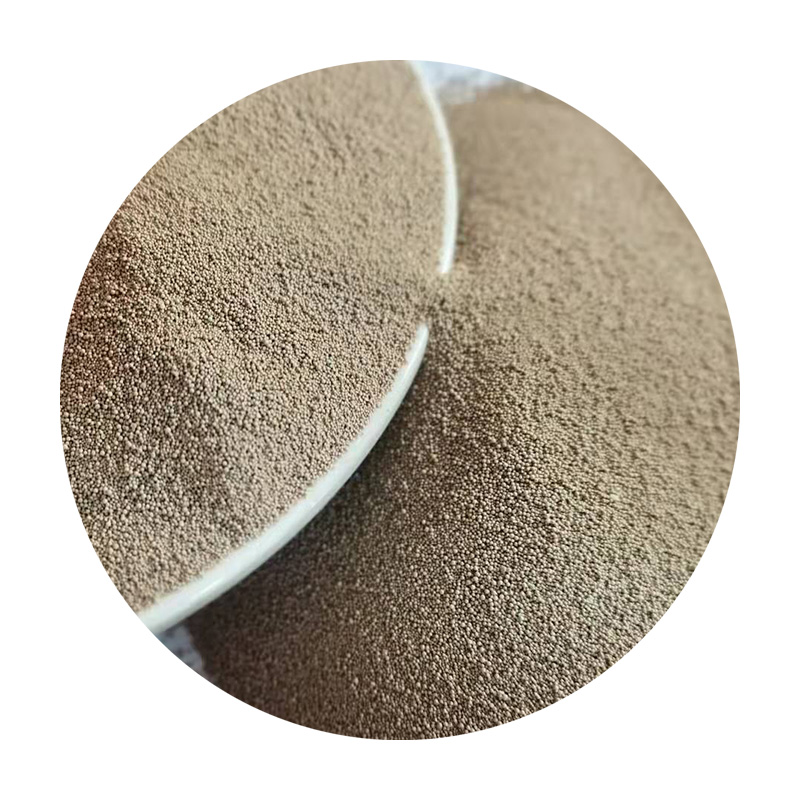
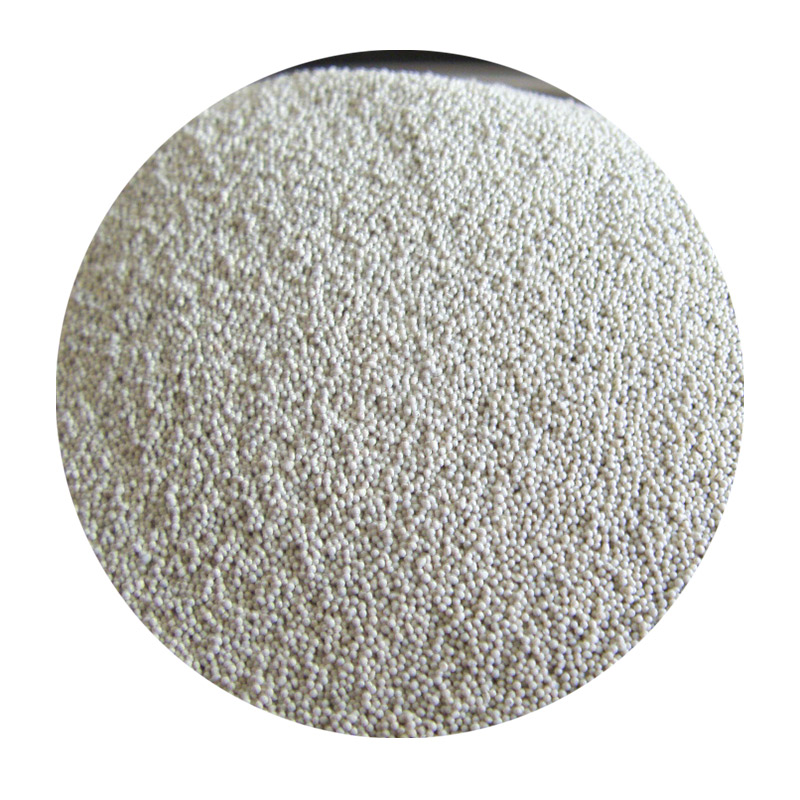
Innovations in sand casting technologies are continuously pushing the boundaries of what is achievable, improving efficiency, quality, and environmental sustainability. A prime example is the development and adoption of advanced molding materials, such as Ceramcast sand ball shape for sand casting. Unlike traditional silica sand, these engineered ceramic sands offer superior refractoriness, thermal stability, and collapsibility, leading to significant improvements. Their spherical shape and tightly controlled particle size distribution result in better mold packing density, improved surface finish on sand castings, and reduced sand consumption. The enhanced permeability of such sands also facilitates better gas escape during pouring, mitigating gas-related defects. Moreover, the superior thermal conductivity of these advanced sands can lead to more uniform solidification, reducing internal stresses and improving dimensional accuracy, particularly for complex unique sand casting designs. Automation in molding lines, robotic pouring, and sophisticated non-destructive testing equipment have also significantly transformed the industry, enhancing repeatability, reducing labor costs, and boosting overall production efficiency. These advancements ensure that the process remains competitive and relevant in an evolving manufacturing landscape. For instance, in the context of large-scale steel sand casting for petrochemical applications, where components are exposed to extreme temperatures and corrosive media, the ability to produce homogenous, defect-free castings with precise metallurgical properties is paramount. The low internal stress achieved through optimized sand casting processes contributes to an extended service life and reduced maintenance requirements, directly translating to operational cost savings and enhanced safety for end-users in critical industries like oil & gas, power generation, and heavy machinery manufacturing. The integration of digital twin technologies and IoT sensors in modern foundries further allows for real-time monitoring and predictive maintenance, ensuring consistent quality and minimizing downtime, reinforcing sand casting's position as a high-tech and reliable manufacturing solution.
Diverse Applications and Success Stories of Sand Castings
The versatility of sand casting metal extends across a vast spectrum of industries, where it serves as the backbone for critical components in diverse and demanding applications. In the petrochemical sector, sand castings are indispensable for producing large, complex valve bodies, pump casings, flanges, and fittings, often specified in high-strength alloys like stainless steel or duplex steel to withstand extreme pressures, temperatures, and corrosive environments. The inherent ability of sand casting to create intricate internal passages and varying wall thicknesses is crucial for optimizing fluid flow, leading to improved energy efficiency and reduced operational costs for refineries and chemical plants. For instance, a major chemical processing plant recently reported a 15% reduction in pumping energy consumption after replacing their fabricated pump housings with optimally designed steel sand casting units, attributing the savings to superior hydraulic efficiency and reduced turbulence within the cast components. In the metallurgy and mining industries, heavy-duty machinery relies heavily on sand cast components for structural integrity and wear resistance. Examples include mill liners, crusher jaws, rolling mill stands, and gearboxes, often made from robust alloy steels or high-chromium sand casting iron, engineered to endure abrasive conditions and high impact loads. The exceptional dampening capacity of cast iron is particularly beneficial for machine bases, minimizing vibrations and extending the lifespan of precision equipment.
The water supply and drainage sector, vital for public health and infrastructure, also extensively utilizes sand castings. Large diameter pipe fittings, valve components for municipal waterworks, and pump impellers are routinely produced using ductile iron or specialized steel alloys to ensure long-term corrosion resistance and structural reliability. The superior design flexibility offered by sand casting allows for optimized flow paths within these components, contributing to reduced pressure drops and significant energy savings in pumping stations. A municipal water treatment authority recently confirmed that the 30-year expected lifespan of their newly installed sand cast ductile iron gate valves was a key factor in their investment decision, citing the material's proven durability and resistance to cavitation and erosion. Beyond these heavy industries, sand castings are prevalent in the automotive industry for engine blocks, cylinder heads, transmission cases, and brake components; in power generation for turbine casings, generator frames, and heat exchanger parts; and in general machinery for machine tools, agricultural equipment, and construction machinery. A notable success story involved a manufacturer of specialized mining equipment that leveraged our steel sand casting foundry capabilities to produce a custom-designed heavy-duty shovel bucket component. Through careful alloy selection and precise casting techniques, including the use of advanced Ceramcast sand ball shape, we engineered a part that not only met the stringent strength and wear resistance requirements but also reduced the overall weight by 8% compared to previous designs. This weight reduction translated directly into improved fuel efficiency for the mining machinery and a measurable increase in operational payload, showcasing the tangible benefits of optimized sand casting metal solutions. These numerous applications and successful implementations underscore the enduring value and critical role of sand casting as a preferred manufacturing method for complex, high-performance metallic components across the global industrial landscape. The ability to customize alloy compositions for specific environments, such as high-temperature strength for power plants or exceptional toughness for offshore oil rigs, further solidifies its position as a leading technology.
Tailored Solutions: Customization and Partnering with a Leading Sand Casting Foundry
In the highly competitive B2B landscape, the ability to offer bespoke sand casting metal solutions is a significant differentiator. Leading foundries, especially a reputable steel sand casting foundry, understand that off-the-shelf components rarely meet the exact, demanding specifications of industrial applications. Customization extends beyond mere dimensional adjustments; it encompasses material selection, design optimization for castability, specialized heat treatments, and precision post-casting machining. Our approach to custom solutions begins with an in-depth consultation, where our team of experienced metallurgists and casting engineers collaborates closely with clients to fully comprehend their performance requirements, operational environment, and design constraints. This comprehensive understanding allows us to recommend the most suitable alloy (e.g., specific grades of sand casting steel for high strength, or sand casting iron for wear resistance and vibration dampening), and to optimize the part’s geometry for maximum castability while minimizing internal stresses and potential defects. Utilizing advanced CAD/CAM software and casting simulation tools, we can virtually model the pouring and solidification processes, predict potential issues, and refine the mold and gating system design before physical production begins. This front-end engineering significantly reduces lead times, minimizes costly rework, and ensures the first-time right production of complex or unique sand casting parts. For example, a recent project for an agricultural machinery manufacturer involved designing a new hub component that required exceptional impact toughness and wear resistance. Through our collaborative design process, we proposed a modified alloy steel composition and a specific normalizing heat treatment, achieving an average Charpy impact energy of 45J at -20°C, significantly exceeding the client's initial 30J requirement. This bespoke solution not only enhanced the component's durability in harsh field conditions but also extended its service life by an estimated 25%, providing tangible value to the end-user.
Beyond initial design and material selection, customization also extends to the manufacturing process itself. We employ a range of molding techniques, including green sand, no-bake, and shell molding, selecting the most appropriate method based on the part's size, complexity, and required dimensional accuracy and surface finish for sand castings. Our expertise with specialized molding materials, such as Ceramcast sand ball shape for sand casting, further enhances our ability to produce castings with superior surface integrity and tighter tolerances, reducing the need for extensive post-machining and ultimately lowering total production costs. For high-precision applications, our in-house CNC machining capabilities ensure that the as-cast components are finished to exact specifications, whether it's for critical sealing surfaces, bearing fits, or threaded connections. Our commitment to continuous improvement, evidenced by our ISO 9001 certification and adherence to industry best practices, ensures that every custom project, regardless of its complexity, receives the highest level of technical expertise and quality assurance. Partnering with a foundry that possesses deep technical knowledge, extensive experience spanning over two decades, and a proven track record of successful collaborations with global enterprises means gaining access to comprehensive support throughout the entire product lifecycle, from initial concept to mass production and beyond. This partnership approach ensures that our clients receive not just a component, but a truly optimized and reliable sand casting metal solution that directly contributes to their operational efficiency, product performance, and long-term success. The ability to iterate quickly on prototypes and adapt production methods for evolving requirements further highlights the flexibility and customer-centric approach of a leading foundry.
Ensuring Quality, Trust, and Support: Our Commitment to Excellence in Sand Casting
At the heart of every successful B2B partnership in sand casting metal manufacturing lies an unwavering commitment to quality, building trust through reliable performance, and providing comprehensive customer support. Our company's long-standing reputation, forged over more than two decades in the industry, is built upon a foundation of rigorous quality assurance protocols and a deep understanding of metallurgical science. We hold prestigious certifications, including ISO 9001:2015, which underscores our adherence to internationally recognized quality management systems, ensuring traceability, consistency, and continuous improvement across all operational facets, from design to delivery. Furthermore, our castings frequently meet and exceed specific industry standards such as ASTM, ANSI, API, and ASME, which are critical for components used in demanding sectors like oil and gas, power generation, and water treatment. Our in-house testing capabilities, including chemical analysis (spectrometry), mechanical testing (tensile, impact, hardness), and a full suite of non-destructive testing (NDT) methodologies (UT, MPI, LPI, RT), are performed by certified technicians to guarantee that every steel sand casting or sand casting iron component shipped meets the precise specifications and performance criteria agreed upon. For instance, a batch of high-pressure valve bodies destined for an offshore drilling platform recently underwent comprehensive testing, including hydrostatic tests at 1.5 times the design pressure and extensive radiographic inspection, all documented and certified to API 600 standards, ensuring their absolute reliability in a mission-critical environment.
Beyond certifications and testing, our commitment to trust is evident in our transparent processes and robust customer support. We provide detailed progress reports throughout the manufacturing cycle, from pattern creation and molding to casting, heat treatment, and final inspection. Our average delivery cycle, including tooling and initial production, typically ranges from 4 to 12 weeks for new projects and 2 to 6 weeks for repeat orders, depending on complexity and volume. We understand that timely delivery is paramount for our clients' project schedules and supply chain efficiency. To further instill confidence, all our sand casting metal products come with a standard 12-month warranty against manufacturing defects, reflecting our confidence in the quality and durability of our craftsmanship. Our dedicated customer service team is readily available to address any inquiries, provide technical assistance, and resolve potential issues promptly, ensuring a seamless and satisfactory experience from inquiry to after-sales support. We also maintain a comprehensive FAQ section and offer detailed technical documentation to empower our clients with knowledge and support. For example, a client recently inquired about the optimal heat treatment for a specific sand casting steel component to achieve a balance between hardness and toughness for a new application. Our metallurgical team provided a detailed analysis and recommended a specific quench and temper cycle, citing relevant ASTM standards and providing predicted mechanical property ranges, demonstrating our depth of expertise and commitment to proactive customer education. This holistic approach to quality management, transparency, and responsive support differentiates us as a reliable partner in the complex domain of sand castings, reinforcing our position as an authoritative and trustworthy steel sand casting foundry that consistently delivers superior value and performance.
Frequently Asked Questions (FAQ)
Q1: What are the typical lead times for a custom sand casting project?
A1: For new projects requiring tooling, lead times typically range from 8 to 12 weeks. This includes pattern creation, mold development, initial sampling, and production. For repeat orders once tooling is established, production lead times are significantly shorter, usually 2 to 6 weeks depending on the complexity and batch size. Expedited options may be available for urgent requirements.
Q2: What is the largest size of sand casting metal component you can produce?
A2: Our facilities are equipped to produce sand castings ranging from a few kilograms up to several tons. We have successfully manufactured components weighing over 20 tons for heavy machinery and power generation sectors, showcasing our capabilities for large-scale industrial requirements. Specific size limits depend on the complexity and alloy type.
Q3: How do you ensure the quality and integrity of your steel sand castings?
A3: Our quality assurance process is multi-layered, beginning with strict raw material verification. During production, we meticulously control pouring temperatures, solidification rates, and heat treatment parameters. Post-casting, every component undergoes rigorous inspection, including visual checks, dimensional validation, and non-destructive testing (NDT) such as Ultrasonic Testing (UT), Magnetic Particle Inspection (MPI), and Radiographic Testing (RT) for critical applications. All processes are governed by our ISO 9001:2015 certified quality management system, ensuring compliance with relevant ASTM, ANSI, and API standards.
Q4: Can you provide design assistance for optimizing my part for sand casting?
A4: Absolutely. Our team of experienced casting engineers and metallurgists offers comprehensive design for manufacturability (DFM) assistance. We collaborate with clients from the conceptual stage, providing insights on optimal material selection, design modifications to enhance castability, reduce weight, and improve performance while minimizing production costs. We utilize advanced casting simulation software to predict and mitigate potential issues before production, ensuring efficient and high-quality results for your sand casting metal project.
Further Reading and Resources
- • Understanding the Evolution of Sand Casting - Foundry Management & Technology. Provides insights into historical context and modern advancements in sand casting.
- • American Foundry Society (AFS) - Publications Catalog. A comprehensive resource for technical papers, research, and standards related to metal casting, including sand casting.
- • ASTM Volume 01.02: Ferrous Castings; Ferroalloys. Details specific standards for steel and iron castings, crucial for understanding material properties and testing.
- • Special Issue "Advances in Casting Manufacturing" - Metals (MDPI Journal). Features recent academic research and innovations in casting technologies.
Next:Golden Sands for Sale: Prime Bulgarian Property & Homes