
Different Types of Sand Casting
Sand casting is a versatile and widely used manufacturing process that has been employed for centuries to create metal parts and components. Particularly in the foundry industry, sand casting remains popular due to its ability to produce complex shapes without the need for elaborate tooling. This article explores the different types of sand casting techniques, each with unique features, benefits, and applications.
1. Green Sand Casting
Green sand casting is the most traditional form of sand casting, utilizing a mixture of sand, clay, and water. The term green refers to the fact that the mold is not baked or cured but used in its natural wet state. This technique is favored for its cost-effectiveness and the ease of molding intricate designs. Green sand molds can be formed quickly, allowing for rapid production cycles. This method is widely used for manufacturing a variety of metal components, including automotive parts and machinery components.
Advantages - Cost-effective Raw materials are inexpensive and easy to obtain. - Flexibility Ideal for short production runs or prototype casting due to the quick preparation of molds. - Reusability The sand can be recycled and reused multiple times, reducing waste.
2. No-Bake Sand Casting (Air-Set Molding)
No-bake sand casting, sometimes referred to as air-set molding, uses a sand mixture that is bonded with a chemical resin. This mixture does not require baking to cure, as the sand hardens at room temperature due to a chemical reaction triggered by a hardener. This method allows for higher dimensional accuracy and smoother surface finishes compared to green sand casting.
Advantages - Precision Better dimensional control and surface finish, making it suitable for intricate designs and high-precision applications. - Fewer defects Reduced likelihood of defects like sand erosion and casting porosity. - Larger molds Suitable for large castings where shape complexity is a concern.
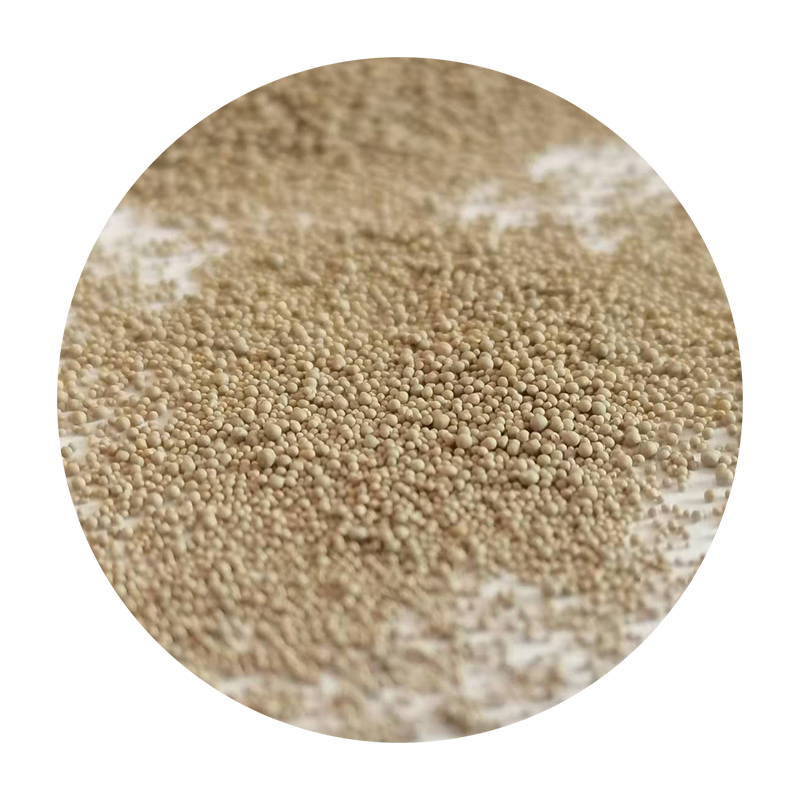
different types of sand casting
3. Lost Foam Casting (Evaporative Pattern Casting)
Lost foam casting is an innovative method closely related to sand casting. It involves creating a foam pattern that is coated with sand, after which the foam evaporates when molten metal is poured into the mold. This technique allows for the production of highly complex shapes and intricate details, making it ideal for specialized applications such as aerospace components and artistic sculptures.
Advantages - Complex geometries Capable of achieving shapes that are difficult or impossible with traditional methods. - Reduced machining The process can significantly decrease machining requirements because of the high accuracy of the mold. - Waste reduction Minimal waste is generated during the process as the foam pattern evaporates completely.
4. Shell Molding
Shell molding utilizes a thin shell of sand bonded with a thermosetting resin, which is formed around a heated metal pattern. Once the shell is created, it is filled with molten metal. This method results in excellent surface finishes and dimensional stability, making it suitable for production of medium to high volumes of precision castings.
Advantages - High precision Offers improved tolerances and surface finishes over green sand. - Production efficiency Faster than traditional methods due to reduced cycle times and improved mold strength. - Durability Molds can withstand higher temperatures, making it suitable for high-melting-point metals.
Conclusion
The different types of sand casting each have their unique strengths and are used for various applications across multiple industries. Green sand casting is ideal for prototyping and larger runs, while no-bake, lost foam, and shell molding offer enhanced precision and surface quality for more specialized casting needs. Understanding these methods allows manufacturers to select the appropriate casting technique for their specific requirements, leading to improved efficiency, reduced costs, and superior product quality. As the foundry industry continues to evolve, these sand casting techniques remain fundamental to advancements in metal component manufacturing.
Post time:Nov . 09, 2024 15:27
Next:Exploring the Potential of Sand in 3D Printing Technology for Innovative Applications