
The Evolution of Sand 3D Printing Transforming Industries
In recent years, 3D printing technology has undergone remarkable advancements, and among its various applications, sand 3D printing stands out as a transformative process across multiple industries. This innovative technique leverages the unique properties of sand to produce intricate structures that were previously challenging or impossible to achieve using traditional manufacturing methods. As we delve into the world of sand 3D printing, it becomes evident that this technology holds significant promise for the future of design and production.
What is Sand 3D Printing?
Sand 3D printing primarily utilizes granular materials, specifically sand, to create complex geometries via a process known as binder jetting. In this method, a layer of sand is spread across a build platform, and a liquid binder is selectively jetted onto the sand particles to adhere them together. After each layer is printed, the platform lowers, and another layer of sand is applied. This process continues until the final object is fully formed. Once complete, the unbound sand surrounding the printed object is removed, leaving behind a precise and detailed creation.
Advantages of Sand 3D Printing
One of the most significant advantages of sand 3D printing is its ability to produce lightweight yet durable structures. The technology facilitates the creation of complex designs that would require extensive resources and time in traditional manufacturing processes. Additionally, sand 3D printing is well-suited for creating molds and cores for metal casting. By printing sand molds, foundries can greatly reduce lead times and costs associated with conventional mold-making techniques.
Moreover, sand 3D printing contributes to sustainable practices in the manufacturing sector. The use of sand, a naturally abundant resource, minimizes the environmental impact compared to plastic or other materials used in standard 3D printing. The ability to recycle unused sand further enhances its eco-friendliness, making it an attractive option for companies aiming to reduce their carbon footprint.
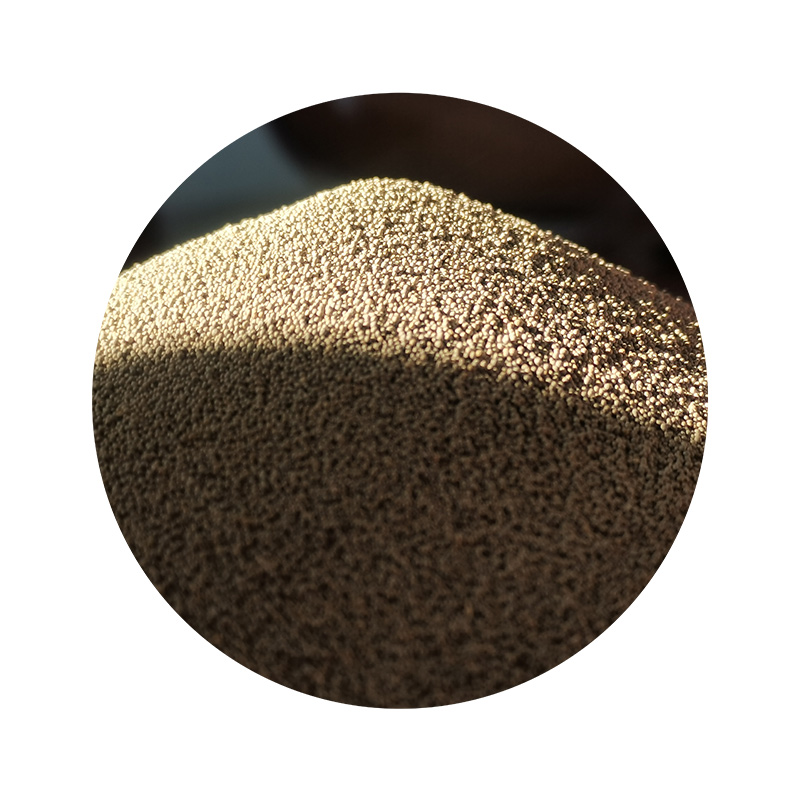
sand 3d print
Applications Across Industries
The versatility of sand 3D printing has led to its adoption in various sectors, including automotive, aerospace, and architecture. In the automotive industry, manufacturers can utilize sand 3D printing for prototyping components, allowing for rapid iteration and testing of designs. This approach not only accelerates the product development cycle but also results in significant cost savings.
In aerospace, where weight reduction is paramount, sand 3D printing enables engineers to create lightweight frames and components that maintain structural integrity. The ability to produce complex geometries facilitates the development of specialized parts that can enhance the performance of aircraft and spacecraft.
The architectural field has also embraced sand 3D printing, particularly in creating intricate designs for buildings and sculptures. The technology allows architects to experiment with unique shapes and forms, pushing the boundaries of conventional design thinking. Moreover, sand-based printing has inspired new approaches in sustainable landscaping and environmental design.
The Future of Sand 3D Printing
As technology continues to evolve, the future of sand 3D printing appears bright. Ongoing research aims to enhance the material properties of printed sand objects, making them suitable for even more demanding applications. Moreover, the integration of advanced technologies such as artificial intelligence and machine learning into the printing process is likely to streamline operations and improve output quality.
In conclusion, sand 3D printing represents a revolutionary leap in manufacturing, offering innovative solutions that address the limitations of traditional methods. Its ability to create complex, lightweight structures using sustainable materials positions it as a key player in the future of diverse industries. As we continue to explore the possibilities of sand 3D printing, its impact on design, production, and sustainability will undoubtedly grow, reshaping the way we conceptualize and create in the modern world.
Post time:Nov . 09, 2024 15:17
Next:Exploring Various Materials Used in Sand Casting Processes for Manufacturing Applications