
Exploring the Spectrum of Foundry Sand Materials for Advanced Casting
In the demanding world of metal casting, the selection of appropriate foundry sand is paramount to achieving high-quality, defect-free components. The characteristics of the chosen sand directly influence surface finish, dimensional accuracy, and the structural integrity of the final cast product. This article delves into the critical aspects of different types of foundry sand, examining their compositions, applications, and the technological advancements shaping the industry. Understanding the unique properties of each sand type is crucial for engineers and procurement specialists seeking optimal performance in diverse casting environments, from intricate aerospace components to heavy industrial parts.
Industry Trends in Foundry Sand Applications
The foundry industry is undergoing significant transformation, driven by demands for increased efficiency, environmental sustainability, and superior product quality. Key trends influencing the adoption of various different types of foundry sand include:
- Sustainability and Recycling: A growing emphasis on reducing waste and improving resource utilization has led to increased interest in reusable and environmentally friendly foundry sands. This includes enhancing the reclaimability of spent sand and developing alternatives to traditional silica sand.
- High-Performance Materials: As alloys become more advanced, requiring higher pouring temperatures and more complex geometries, there is a rising demand for foundry sands with superior refractoriness, thermal stability, and low thermal expansion. Materials like ceramsite foundry sand are gaining traction due to their enhanced properties.
- Automation and Precision Casting: The drive towards automated foundry processes and precision casting necessitates sands with consistent quality, uniform grain size distribution, and excellent flowability. These properties minimize defects and improve the efficiency of automated molding lines.
- Specialized Applications: The demand for specialized castings, particularly in industries requiring high corrosion resistance or strength, such as stainless steel sand casting foundry operations, is pushing the development of niche foundry sand solutions that can withstand aggressive casting conditions.
These trends highlight a shift towards more sophisticated and tailored foundry sand solutions, moving beyond conventional silica-based sands to embrace advanced ceramics and synthetic materials for superior performance and ecological benefits.
Understanding the Process Flow of Foundry Sand Manufacturing
The manufacturing process of advanced foundry sands, especially high-performance synthetic sands like ceramsite, involves meticulous control to ensure consistent quality and desired properties. Unlike natural silica sands that are primarily mined and processed, synthetic sands undergo a more complex transformation.
Manufacturing Process for High-Refractoriness Ceramsite Foundry Sand
This meticulous process ensures that advanced foundry sands, such as High Refractoriness Ceramsite Foundry Sand For Steel Casting, meet the stringent requirements of modern foundries, providing a reliable and high-performance medium for various sand for metal casting applications. The typical service life of such high-quality sands, especially when reclaimed, can significantly extend, offering economic and environmental advantages.
Technical Specifications and Composition of Key Foundry Sands
The performance of different types of foundry sand is fundamentally determined by their physical and chemical properties. These properties dictate their suitability for specific alloys and casting processes.
Foundry Sand Composition and Key Properties
Understanding foundry sand composition is critical. Here's a brief overview of common types and their defining characteristics:
- Silica Sand (SiO₂): The most widely used due to its abundance and low cost. However, it has a relatively low refractoriness (melting point ~1710°C) and higher thermal expansion, which can lead to casting defects like scabbing and veining in high-temperature applications. It also presents health concerns regarding respirable crystalline silica.
- Zircon Sand (ZrSiO₄): Known for its very high refractoriness (melting point ~2100-2200°C), low thermal expansion, and excellent chilling effect. It's often used for heavy steel sections and non-ferrous alloys but is significantly more expensive and less available than silica.
- Chromite Sand (FeOCr₂O₃): Offers good refractoriness (melting point ~1900-2000°C), high thermal conductivity, and basic chemical properties beneficial for manganese steel casting. It's dense and can provide good surface finish but is also costly.
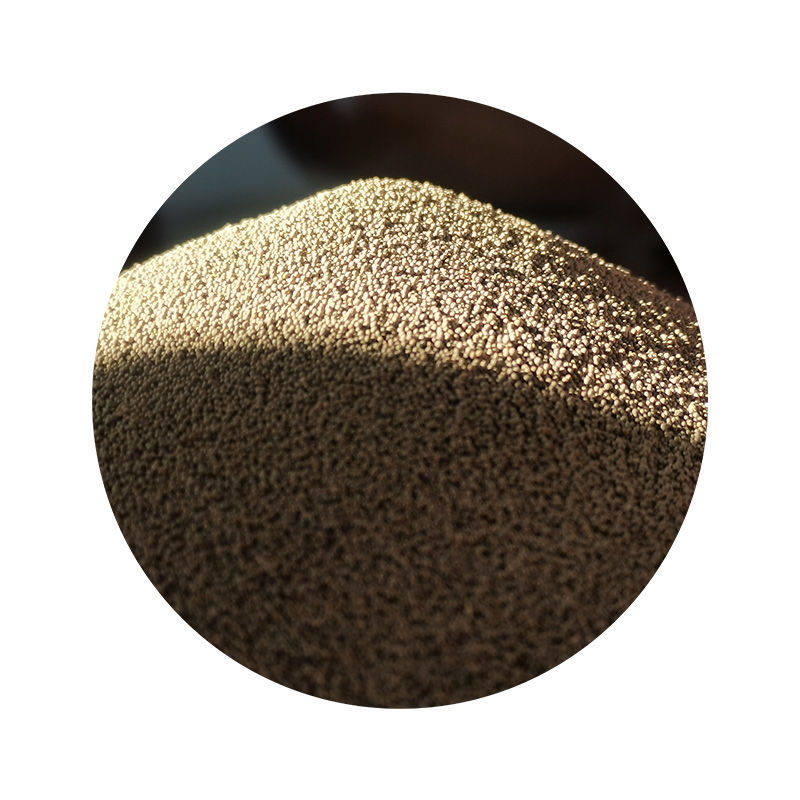
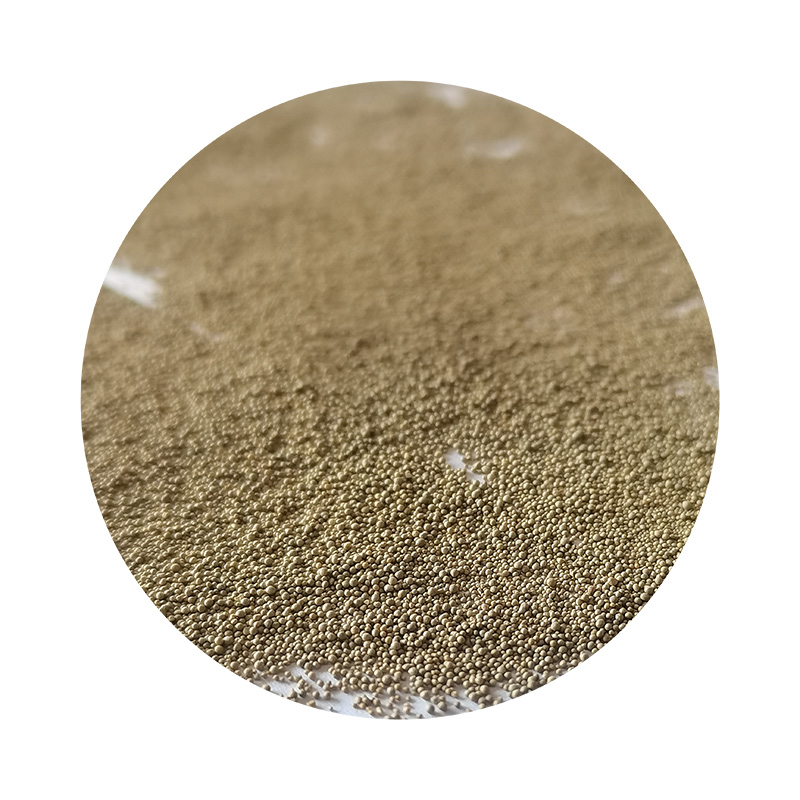
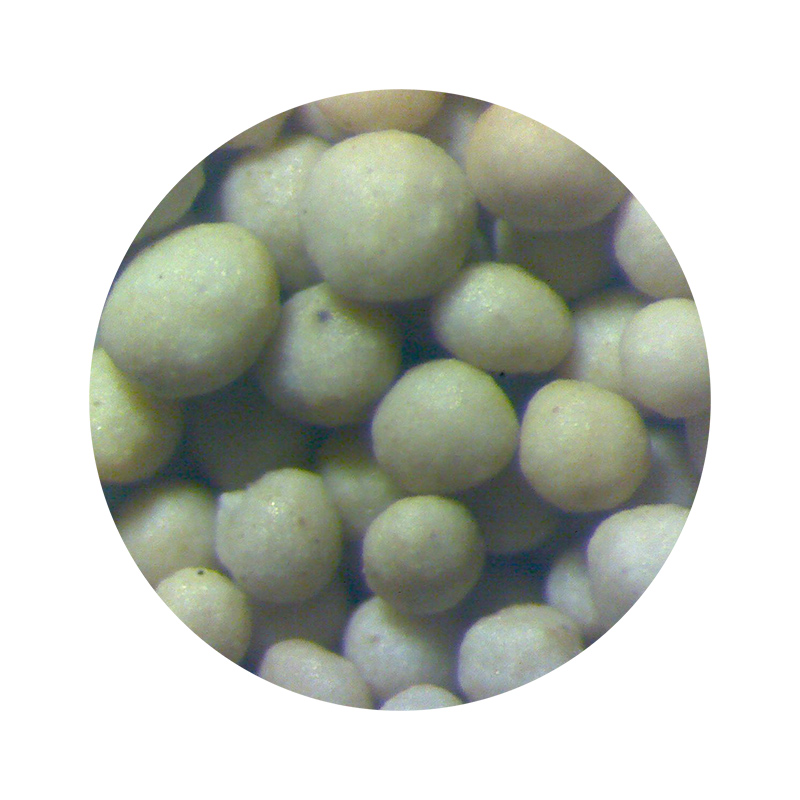
- Ceramsite Foundry Sand (Al₂O₃-SiO₂ based): A synthetic, spherical ceramic sand derived from bauxite. It boasts high refractoriness (typically >1750°C), very low thermal expansion, excellent flowability, and a smooth surface finish. Its spherical shape improves permeability and reduces binder consumption. It's an ideal choice for various high-temperature castings, including sand casting stainless steel.
Product Specification Table: High Refractoriness Ceramsite Foundry Sand For Steel Casting
| Property | Specification (Typical) | Significance for Casting |
|---|---|---|
| Refractoriness | ≥ 1790 °C | Prevents sand fusion/penetration at high pouring temperatures, crucial for steel and high-alloy castings. |
| Thermal Expansion (1000°C) | ≤ 0.15% | Minimizes casting defects like scabbing and veining, improving dimensional accuracy. |
| AFS GFN (Grain Fineness Number) | 30-60 (Customizable) | Controls surface finish and permeability; lower GFN for coarser, higher for finer finish. |
| Bulk Density | 1.85-1.95 g/cm³ | Impacts mold strength and sand-to-metal ratio. |
| Acid Demand Value (ADV) | < 5.0 mL | Indicates low reactivity with acid-setting binders, ensuring consistent cure times. |
| Main Chemical Composition | Al₂O₃ ≥ 70%, SiO₂ ≤ 20%, Fe₂O₃ ≤ 2% | High alumina content contributes to superior refractoriness and chemical inertness. |
| Grain Shape | Spherical to Sub-angular | Enhances flowability, reduces binder consumption, improves permeability and surface finish. |
These specifications illustrate why ceramsite foundry sand is increasingly favored for high-performance and critical casting applications, surpassing the limitations of conventional sands.
Application Scenarios and Target Industries
The versatility of different types of foundry sand allows them to be utilized across a broad spectrum of industries, each with unique requirements for casting materials.
Key Industries and Casting Applications:
- Metallurgy Industry: Foundries producing steel, high-manganese steel, and various alloy steels rely heavily on sands with high refractoriness and thermal stability to prevent defects such as burn-on and penetration. Ceramsite foundry sand is particularly well-suited for these applications due to its superior high-temperature performance.
- Petrochemical Industry: Components for refineries, pipelines, and chemical processing plants often require castings made from specialized alloys designed for high temperatures, pressures, and corrosive environments. Sand casting processes for these parts demand molds that can withstand extreme conditions, ensuring corrosion resistance and structural integrity.
- Water Supply & Drainage: Castings for pumps, valves, and pipe fittings, typically made from cast iron or ductile iron, benefit from sands that provide smooth surface finishes and accurate dimensions, reducing post-processing.
- Automotive Industry: From engine blocks to transmission housings, automotive castings require excellent surface quality, tight dimensional tolerances, and high production rates. Advanced sands contribute to cleaner castings and reduced fettling time.
- Aerospace and Defense: High-precision, mission-critical components for aircraft and defense systems often utilize complex alloys. Sands that offer exceptional thermal stability and minimal reactivity are essential for ensuring the integrity and reliability of these highly engineered parts. Specifically, for operations like sand casting stainless steel or other specialized alloys, the choice of sand directly impacts the metallurgical properties and overall performance of the component.
These usage scenarios underscore the importance of selecting the correct sand for metal casting, tailoring the choice to the specific demands of the alloy, casting geometry, and end-use application.
Technical Advantages of Advanced Foundry Sands
The adoption of advanced different types of foundry sand, particularly synthetic options like ceramsite, yields substantial technical and operational advantages over traditional silica sands.
- Superior Refractoriness and Thermal Stability: Ceramsite sand exhibits significantly higher melting points (e.g., ≥1790°C) and much lower thermal expansion (≤0.15% at 1000°C) compared to silica. This minimizes thermal stress, preventing defects like scabbing, veining, and rat tails, especially in high-temperature steel casting.
- Excellent Surface Finish and Reduced Defects: The spherical grain shape and inherent smoothness of ceramsite foundry sand contribute to a finer, smoother casting surface. This reduces metal penetration, burn-on, and surface roughness, often eliminating the need for extensive post-casting operations like shot blasting or grinding. This aligns with seeking the best way to sand stainless steel castings for optimal finish.
- Enhanced Permeability and Flowability: The uniform, spherical grains of ceramsite create excellent inter-grain spacing, leading to superior gas permeability. This allows for efficient escape of mold gases, reducing blowholes and porosity defects. Its flowability also enables better mold filling, particularly in intricate geometries.
- Lower Binder Consumption: Due to its spherical shape and smooth surface, ceramsite sand requires less binder to achieve adequate mold strength compared to angular silica sand. This results in cost savings and reduces the generation of organic fumes during pouring.
- High Reclaimability: The robust, durable structure of synthetic sands like ceramsite makes them highly reclaimable. This extends their service life, reduces consumption of new sand, and significantly lowers disposal costs, contributing to a more sustainable foundry operation.
- Environmental and Health Benefits: Unlike silica sand, ceramsite does not contain free silica, addressing concerns related to silicosis and improving workplace safety. Its inert nature also means fewer environmental impacts from spent sand.
These technical advantages translate directly into economic benefits, including reduced scrap rates, lower processing costs, and improved overall productivity for foundries.
Addressing Foundry Sand Contamination and Quality Control
Foundry sand contamination is a critical concern that can severely impact casting quality and operational efficiency. Contaminants can include spent binders, metal fines, refractory coatings, and other impurities introduced during the casting cycle or reclamation process.
Impact of Contamination:
- Reduced Permeability: Fines and spent binder particles can clog interstitial spaces, reducing gas escape and leading to blowholes.
- Increased Binder Consumption: Contaminants can absorb binders, requiring more to achieve desired mold strength.
- Surface Defects: Uneven thermal properties or chemical reactions with contaminants can cause surface roughness, scabbing, and penetration.
- Environmental Concerns: Contaminants can make sand reclamation difficult and lead to hazardous waste.
Quality Control Measures:
To mitigate contamination and ensure consistent performance of different types of foundry sand, stringent quality control protocols are essential. Our products, including High Refractoriness Ceramsite Foundry Sand, undergo comprehensive testing adhering to international standards such as ISO 9001 and ANSI specifications.
- Incoming Material Inspection: Raw materials are rigorously checked for chemical composition and purity.
- In-Process Monitoring: Key parameters like grain size, shape, and density are monitored at each manufacturing stage.
- Final Product Analysis: Comprehensive tests including refractoriness, thermal expansion, AFS GFN, acid demand value, and loss on ignition (LOI) are performed on every batch.
- Reclamation Process Optimization: For reusable sands, efficient mechanical and thermal reclamation systems are crucial to remove spent binders and fines, ensuring reclaimed sand maintains its original properties. Ceramsite foundry sand exhibits excellent reclaimability, often retaining >90% of its original integrity after multiple cycles.
Vendor Comparison and Selection Criteria
Selecting the right supplier for foundry sand is as crucial as choosing the right sand itself. A reliable vendor provides not only high-quality products but also technical support, consistent supply, and innovative solutions. When evaluating vendors for different types of foundry sand, consider the following:
- Product Quality & Consistency: Ensure the vendor adheres to strict quality control, providing consistent grain size distribution, refractoriness, and chemical composition. Certifications like ISO 9001 are indicators of robust quality management.
- Technical Expertise & Support: A strong vendor offers technical assistance in selecting the optimal sand for specific casting challenges and provides troubleshooting support.
- Supply Chain Reliability: Timely delivery and consistent availability are critical for uninterrupted foundry operations. Assess lead times, inventory management, and logistical capabilities.
- Customization Capabilities: The ability to tailor sand properties (e.g., AFS GFN) to specific customer requirements.
- Environmental Commitment: Vendors who emphasize sustainable production, reclaimability, and reduced environmental impact.
Comparison: Ceramsite vs. Traditional Foundry Sands
| Feature | High Refractoriness Ceramsite Sand | Silica Sand | Zircon Sand |
|---|---|---|---|
| Refractoriness | Excellent (≥1790°C) | Good (~1710°C) | Superior (~2100°C) |
| Thermal Expansion | Very Low (≤0.15%) | High (1.0-1.5%) | Very Low (~0.05%) |
| Grain Shape | Spherical | Angular/Sub-angular | Sub-angular |
| Surface Finish | Excellent | Good/Fair | Excellent |
| Binder Consumption | Low | High | Moderate |
| Reclaimability | High | Moderate | High |
| Cost | Moderate-High | Low | High |
This comparison highlights why strategic investment in advanced materials like ceramsite foundry sand, despite a potentially higher initial cost, often leads to significant long-term savings through reduced defects, lower binder consumption, and extended sand life.
Customized Solutions for Specific Casting Requirements
Recognizing that no two casting operations are identical, our approach focuses on providing customized solutions for different types of foundry sand. This involves a collaborative process to understand the unique challenges and objectives of each client.
- Tailored Grain Fineness: We can adjust the AFS GFN of our ceramsite foundry sand to achieve specific surface finishes or permeability requirements, from coarse grades for large, heavy castings to finer grades for intricate, smooth-surface components.
- Binder System Compatibility: Our technical team works with customers to ensure optimal compatibility with their existing binder systems (e.g., furan, phenolic, alkaline phenolic, cold box) to maximize performance and minimize transition issues.
- Application-Specific Blends: For highly specialized applications, we can develop custom blends, potentially combining ceramsite with other high-performance sands to achieve a precise balance of properties suchability, heat transfer, and cost-effectiveness for specific sand for metal casting processes.
- Logistical Solutions: Beyond the product, we offer flexible packaging options (e.g., bulk bags, paper bags) and optimized shipping schedules to meet operational and inventory needs.
This commitment to customization ensures that our clients receive not just a product, but a comprehensive solution optimized for their specific casting challenges and operational goals.
Application Case Studies
Our High Refractoriness Ceramsite Foundry Sand has delivered tangible benefits to foundries worldwide. Here are examples showcasing its impact:
Case Study 1: Heavy Steel Casting Foundry
A major foundry specializing in heavy steel castings, facing persistent issues with metal penetration and burn-on when using silica sand, transitioned to our High Refractoriness Ceramsite Foundry Sand.
Results: After implementing our ceramsite sand, the foundry reported a 40% reduction in surface defects, leading to a significant decrease in fettling and grinding time. The cost savings from reduced rework and increased productivity justified the initial investment in the higher-performance sand. "The improvement in surface quality was immediate and dramatic," commented the plant manager. "Our customers are now receiving castings with significantly less need for post-processing."
Case Study 2: Stainless Steel Valve Manufacturer
A prominent stainless steel sand casting foundry producing high-pressure valves encountered challenges with dimensional accuracy and gas defects due to high thermal expansion of their previous sand.
Results: By switching to a specific grade of our ceramsite sand, known for its ultra-low thermal expansion and excellent permeability, the foundry achieved a 25% improvement in casting dimensional consistency and virtually eliminated gas-related porosity. This directly translated into fewer rejected parts and enhanced product reliability, crucial for their critical applications.
Frequently Asked Questions (FAQ)
Q: What makes ceramsite foundry sand different from silica sand?
A: Ceramsite foundry sand is a synthetic, spherical ceramic particle with significantly higher refractoriness, much lower thermal expansion, and a smoother surface than angular silica sand. These properties lead to fewer casting defects, better surface finish, and improved reclaimability, especially for high-temperature alloys.
Q: Is ceramsite sand reclaimable?
A: Yes, our High Refractoriness Ceramsite Foundry Sand is highly reclaimable, typically achieving reclamation rates exceeding 90%. Its robust spherical structure resists degradation, allowing for multiple reuse cycles through standard mechanical and thermal reclamation processes.
Q: What are the primary benefits for sand casting stainless steel with ceramsite sand?
A: For sand casting stainless steel, ceramsite sand's high refractoriness prevents metal penetration and burn-on, while its low thermal expansion minimizes hot tearing and dimensional distortion. This results in superior surface quality, reduced cleaning costs, and improved overall casting integrity for high-value stainless steel components.
Q: How do I determine the right AFS GFN for my application?
A: The optimal AFS GFN depends on the desired casting surface finish and the metal section thickness. Finer grains (higher GFN) generally yield smoother surfaces but may reduce permeability. Our technical team can assist in selecting the ideal AFS GFN based on your specific casting requirements and alloy type.
Logistics and Support
We understand that timely delivery and reliable support are critical for your operations.
- Lead Time & Fulfillment: Standard lead times typically range from 7-14 business days, depending on order volume and specific customization requirements. Expedited shipping options are available for urgent needs. Our global logistics network ensures efficient and reliable delivery to your facility.
- Warranty Commitments: Our products are manufactured under strict quality control and are guaranteed to meet the published technical specifications. Any material found not to meet these specifications will be replaced or refunded. We stand by the quality and performance of our different types of foundry sand.
- Customer Support: Our dedicated technical support team is available to provide expert guidance, from product selection and application optimization to troubleshooting. We offer phone and email support during business hours and are committed to responsive, effective assistance to ensure your casting success.
Conclusion
The evolution of foundry technology demands increasingly sophisticated molding materials. By understanding the advantages of different types of foundry sand, especially advanced options like high-refractoriness ceramsite, foundries can achieve significant improvements in casting quality, operational efficiency, and environmental sustainability. Our commitment to quality, innovation, and customer support ensures that partners are equipped with the best solutions for their casting challenges, driving success in a competitive market.
References
- ASM International. (2008). ASM Handbook, Volume 15: Casting. Materials Park, OH: ASM International.
- American Foundry Society (AFS). (Various publications). AFS Transactions. Schaumburg, IL: American Foundry Society.
- Campbell, J. (2003). Castings Practice: The 10 Rules of Castings. Oxford: Butterworth-Heinemann.
- International Organization for Standardization (ISO). (Various standards). ISO 9001: Quality management systems – Requirements. Geneva, Switzerland: ISO.
- Jie, Z., Jianxin, Z., & Jun, L. (2015). Research and Application of Ceramsite Sand in Foundry Industry. Advanced Materials Research, 1079, 794-797.
Next:Golden Sands For Sale: Prime Properties & Investment Opportunities