
Understanding Sand Castings: A Comprehensive Guide
Sand castings are a versatile and cost-effective metal casting process used to create a wide range of components across numerous industries. This article provides an in-depth exploration of sand casting, covering its process, advantages, disadvantages, applications, and how Sinoceramsite can provide high-quality sand casting solutions. From intricate designs to large-scale production, we’ll delve into the specifics of this essential manufacturing technique. Discover why sand casting remains a cornerstone of modern manufacturing.
The Sand Casting Process: A Step-by-Step Breakdown
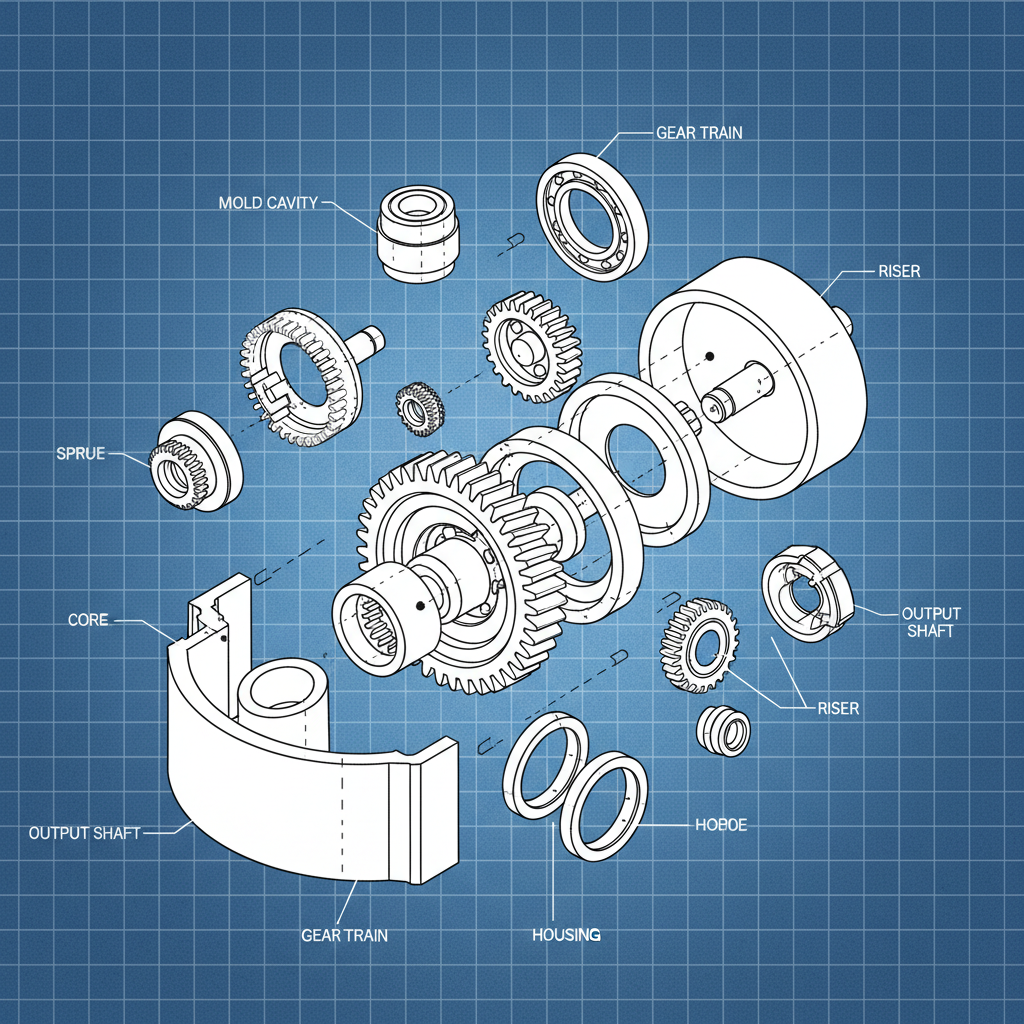
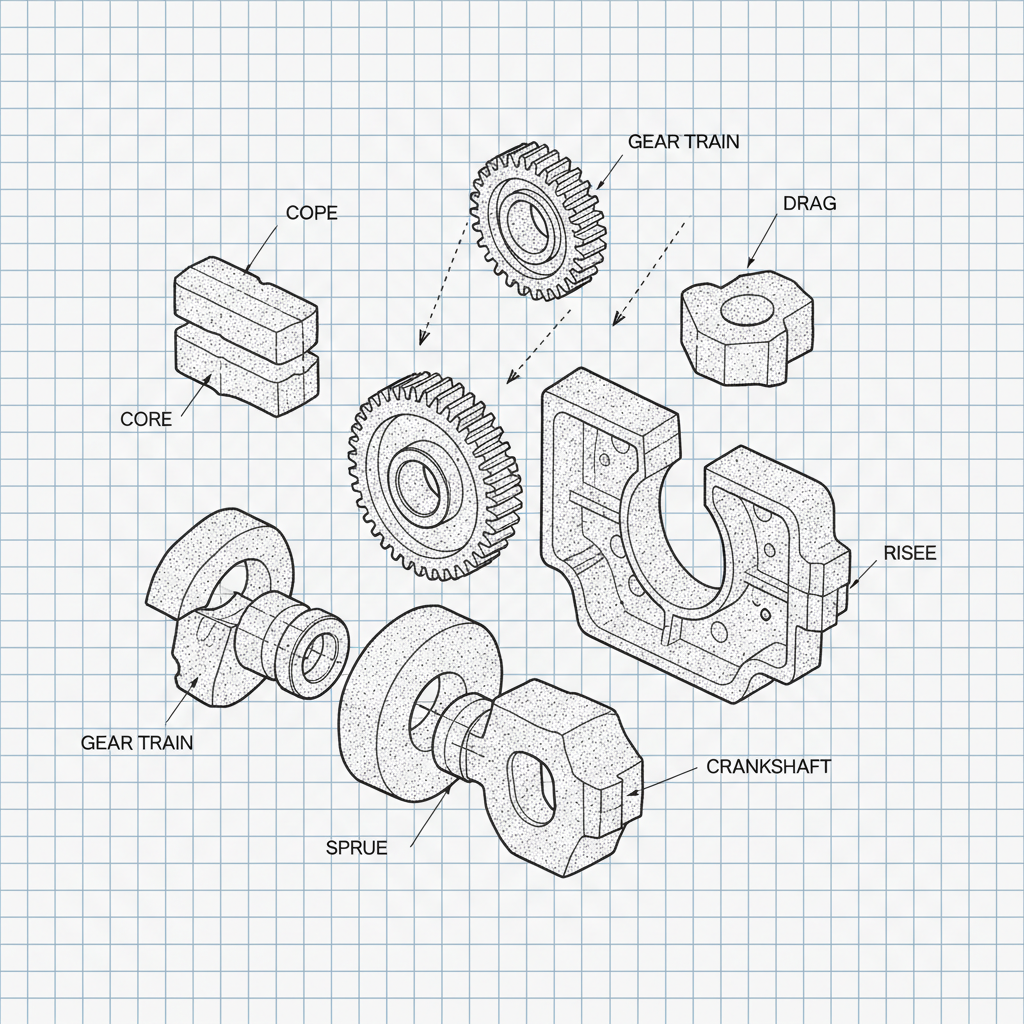
The sand casting process involves several key steps. First, a pattern—a replica of the desired final product—is created. This pattern is then used to form a mold cavity within a sand mixture. Typically, the sand mixture consists of silica sand, bentonite clay as a binder, and water. After the mold is created, the molten metal is poured into the cavity. Once the metal solidifies, the mold is broken, and the casting is removed, cleaned, and finished. This process is highly adaptable and can accommodate various metal types, including iron, steel, aluminum, and bronze. The flexibility of sand casting makes it ideal for both prototyping and large-scale production runs.
Key Highlights: Sand castings are known for their ability to produce complex shapes and large parts with relatively low tooling costs. The process is scalable, making it suitable for diverse production volumes.
Advantages and Disadvantages of Sand Casting
Sand casting offers numerous advantages. Its low tooling costs make it an economical choice, especially for small to medium production runs. The process can create very large parts, and the sand mold is easily adaptable to complex geometries. It’s also versatile, accommodating a wide range of metals. However, it also has limitations. The surface finish is typically rougher compared to other casting methods, requiring additional machining. Dimensional accuracy can be lower, and the process can be labor-intensive. While these disadvantages exist, the benefits often outweigh them, particularly when cost-effectiveness is a primary concern.
Advantages & Disadvantages:
• Advantages: Low tooling costs, large part capability, complex geometries, metal versatility.
• Disadvantages: Rough surface finish, lower dimensional accuracy, labor-intensive.
Sand Casting vs. Other Casting Methods
Comparing sand casting to other methods like die casting, investment casting, and shell molding reveals distinct trade-offs. Die casting offers excellent surface finish and dimensional accuracy but involves high tooling costs. Investment casting provides superior precision but is more expensive and suitable for smaller parts. Shell molding offers a balance between sand casting and die casting but with moderate tooling costs. The choice of casting method depends heavily on the specific application, production volume, and budget.
Applications of Sand Castings Across Industries
Sand castings are utilized extensively across diverse sectors. In the automotive industry, they’re used for engine blocks, cylinder heads, and transmission cases. The aerospace industry employs sand castings for structural components. Heavy machinery, agricultural equipment, and even art foundries rely on this versatile process. The ability to produce large, complex parts efficiently makes sand casting an indispensable manufacturing technique.
Sinoceramsite: Your Partner for High-Quality Sand Casting
At Sinoceramsite, we specialize in delivering precision sand castings tailored to your specific needs. We offer a comprehensive range of services, from design assistance and pattern making to casting, machining, and finishing. Our commitment to quality, coupled with our competitive pricing, makes us a trusted partner for businesses across the globe. We utilize advanced technologies and rigorous quality control measures to ensure that every casting meets the highest standards.
Conclusion: Leveraging Sand Casting for Your Manufacturing Needs
Sand casting remains a vital manufacturing process due to its versatility, cost-effectiveness, and ability to produce complex parts. Choosing a reliable partner like Sinoceramsite ensures you receive high-quality castings that meet your exact specifications. Contact us today to discuss your project requirements and discover how we can help you achieve your manufacturing goals.
Frequently Asked Questions (FAQs)
What metals can be used in sand casting?
Sand casting is remarkably versatile when it comes to the types of metals that can be used. Common choices include various grades of iron (gray iron, ductile iron), steel (carbon steel, alloy steel), aluminum alloys, bronze, and brass. The specific metal selected depends on the application requirements, such as strength, corrosion resistance, and cost. Sinoceramsite has expertise in casting a broad range of metals, ensuring we can meet your specific material needs.
What is the typical lead time for sand castings?
The lead time for sand castings varies depending on the complexity of the part, the quantity ordered, and the availability of materials. Generally, lead times range from 4 to 8 weeks. However, we at Sinoceramsite strive to provide quick turnaround times without compromising quality. We work closely with our clients to establish realistic timelines and keep them informed throughout the process.
What surface finishes are available for sand castings?
Sand castings typically have a rougher surface finish compared to other casting methods. However, several post-casting processes can improve the surface finish to meet specific requirements. These include grinding, machining, shot blasting, and polishing. At Sinoceramsite, we offer a variety of finishing options to achieve the desired surface texture and smoothness for your application.
Next:ceramic sand