
Advantages and Disadvantages of Sand Casting
Sand casting, one of the oldest and most widely used metal casting processes, holds a significant place in manufacturing due to its unique characteristics. This process involves creating a mold from sand, filling it with molten metal, and allowing the metal to solidify into the desired shape. While sand casting has numerous advantages, it also comes with several disadvantages that must be considered.
Advantages of Sand Casting
1. Cost-Effectiveness One of the most significant advantages of sand casting is its cost efficiency. The materials used to create molds—primarily sand—are relatively inexpensive compared to other mold-making materials like metal or ceramics. Furthermore, the production of sand molds requires less initial investment in equipment and machinery, making it accessible for small to medium-sized enterprises.
2. Versatility Sand casting can be used for a wide range of metals, including aluminum, iron, steel, and bronze. This versatility allows manufacturers to produce a broad spectrum of parts with varying dimensions and complexities. From automotive components to intricate artistic sculptures, sand casting can accommodate diverse applications.
3. Complex Shapes and Sizes The liquid nature of molten metal allows it to fill intricate mold cavities, making it possible to create complex shapes and geometries that might be challenging or impossible to achieve with other casting methods. Sand casting can produce large parts with detailed features, which is particularly useful in industries requiring large-scale components, such as aerospace and construction.
4. Ease of Production The sand casting process allows for rapid mold creation. Molds can be easily constructed by hand or through the use of automated processes. The flexibility to produce both simple and complex molds quickly adds to the method's efficiency, making it feasible for low to medium production runs.
5. Suitable for Low-Volume Production Since sand molds can be quickly created and reused for multiple castings, this process is well-suited for low-volume production needs. It provides manufacturers with the flexibility to create small batches of custom parts without significant investment in costly tooling.
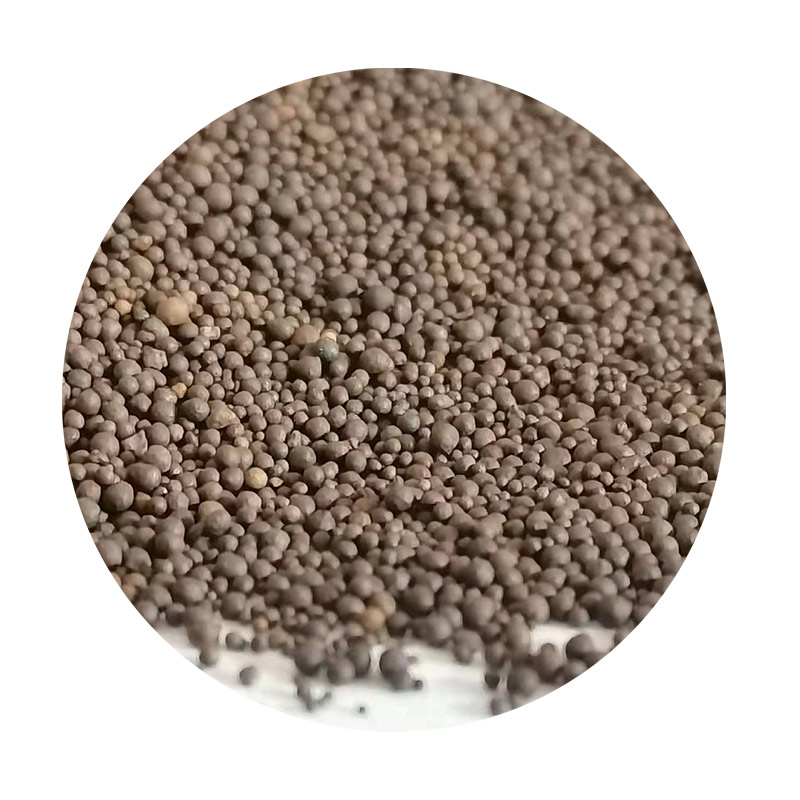
advantages and disadvantages of sand casting
Disadvantages of Sand Casting
1. Surface Finish and Tolerances One of the primary drawbacks of sand casting is the rough surface finish it typically produces. The texture of sand molds can result in cast parts that require additional machining or surface treatment to meet specific quality standards. Furthermore, achieving tight tolerances can be challenging, making sand casting less suitable for applications requiring high precision.
2. Labor-Intensive Process Compared to some modern casting methods, sand casting can be labor-intensive. The manual creation of molds and cleanup processes often requires skilled labor, potentially leading to higher labor costs and increased production time.
3. Limited Mechanical Properties Castings produced via sand casting often exhibit inferior mechanical properties compared to those achieved through other casting methods, such as die casting. The presence of small air pockets and impurities in the mold can affect the overall strength and durability of the final product, which may not be suitable for high-stress applications.
4. Not Ideal for High Production Volumes While sand casting is advantageous for low-volume production, it becomes less efficient and economical when scaling up. The time and labor involved in creating molds for each casting can lead to longer lead times and increased costs in high-volume manufacturing scenarios.
5. Environmental Concerns The usage of sand casting involves the generation of waste materials, including used sand and other byproducts. Additionally, the process can generate emissions during the melting of metals, raising environmental concerns that manufacturers must address through appropriate waste management and emissions control measures.
Conclusion
In conclusion, sand casting offers a range of advantages that make it an attractive option for many manufacturing applications, especially for low to medium production volumes and complex shapes. However, the disadvantages, including poor surface finish, limited tolerances, and potential environmental impacts, must be carefully considered. Manufacturers need to weigh these factors when choosing a casting method to ensure that the selected process aligns with their production needs and quality requirements.
Post time:Dec . 01, 2024 20:22
Next:sand casting