
An Overview of Sand Casting A Time-Honored Manufacturing Technique
Sand casting, also known as sand mold casting, is one of the most widely used and versatile metal casting processes. It has been employed for thousands of years and is renowned for its simplicity, cost-effectiveness, and ability to produce intricate shapes. This article provides a detailed exploration of sand casting, its historical significance, process, advantages, applications, and some modern advancements in this traditional technique.
Historical Significance
The origins of sand casting can be traced back to ancient civilizations, where artisans would shape molten metal into various tools and objects using sand molds. The technology has evolved significantly since its inception, yet the fundamental principles remain largely unchanged. The casting process was vital for the production of early metal artifacts, including weapons, ceremonial items, and household tools. Today, sand casting continues to be a critical manufacturing method and is essential for producing a range of components used in various industries.
The Sand Casting Process
The sand casting process can be divided into several key steps
1. Pattern Making A pattern, typically made of metal or plastic, is created to serve as a replica of the final product. This pattern is essential as it determines the shape and size of the cast object.
2. Mold Creation Fine sand, often mixed with a binding agent like clay or resin, is packed around the pattern to create a mold. The pattern is typically removed after the mold is formed, leaving a cavity that mirrors the original shape.
3. Core Assembly For more complex shapes, cores, which are additional sand structures that help create internal cavities, are placed within the mold.
4. Melting and Pouring The desired metal, such as aluminum, bronze, or iron, is melted at high temperatures and then poured into the mold cavity through designated channels.
5. Cooling and Solidification The molten metal cools and solidifies in the mold, taking on its shape.
6. Mold Removal Once the metal has cooled sufficiently, the mold is broken away to reveal the cast object.
sand casting
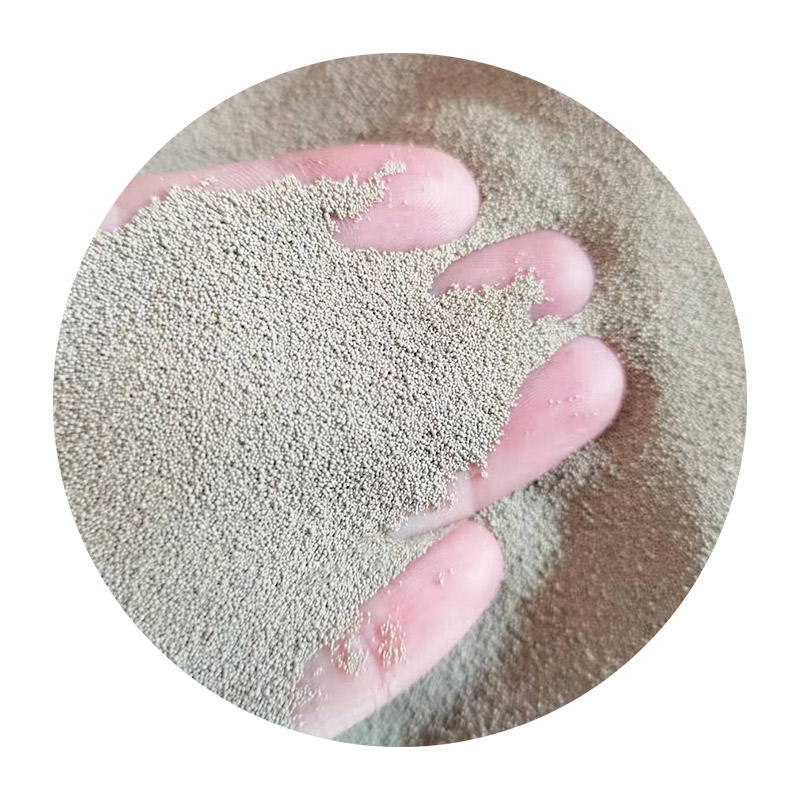
7. Finishing The final step involves cleaning the cast piece, removing any excess material, and performing secondary operations like machining or surface treatment to achieve the desired finish.
Advantages of Sand Casting
Sand casting boasts several advantages that make it a preferred choice in various industries
- Cost-Effectiveness The materials used in sand casting, primarily sand and a binding agent, are relatively inexpensive, making it a budget-friendly option for producing metal parts.
- Versatility This method can be used to cast a wide variety of metals and alloys, and it can accommodate a broad range of sizes, from small components to large structural parts.
- Complex Geometries Sand casting allows for the production of complex shapes and intricate designs, making it suitable for creating specialized components that might be impossible to achieve with other methods.
- Accessibility The technology and equipment required for sand casting are relatively simple and do not necessitate a highly specialized skill set, making it accessible for small-scale operations as well as large industrial facilities.
Modern Advancements
In recent years, advancements in technology have modernized sand casting processes. The integration of computer-aided design (CAD) and computer-aided manufacturing (CAM) has enhanced precision in pattern making and mold design. Additionally, innovations in sand recycling and green sand formulations have made the process more environmentally friendly. 3D printing technology is also revolutionizing sand casting by allowing for the rapid production of patterns and cores, thus reducing lead times and costs.
Conclusion
Sand casting remains a vital manufacturing process despite the advent of more advanced techniques. Its rich history, coupled with ongoing innovations, ensures its relevance in today's industrial landscape. Whether utilized for art, engineering, or industrial applications, sand casting continues to be a foundational technique, embodying a perfect blend of tradition and modernity in metal fabrication.
Post time:Dec . 01, 2024 20:11
Next:Brug af harpiksemballeret sand i forskellige byggerier og industrier