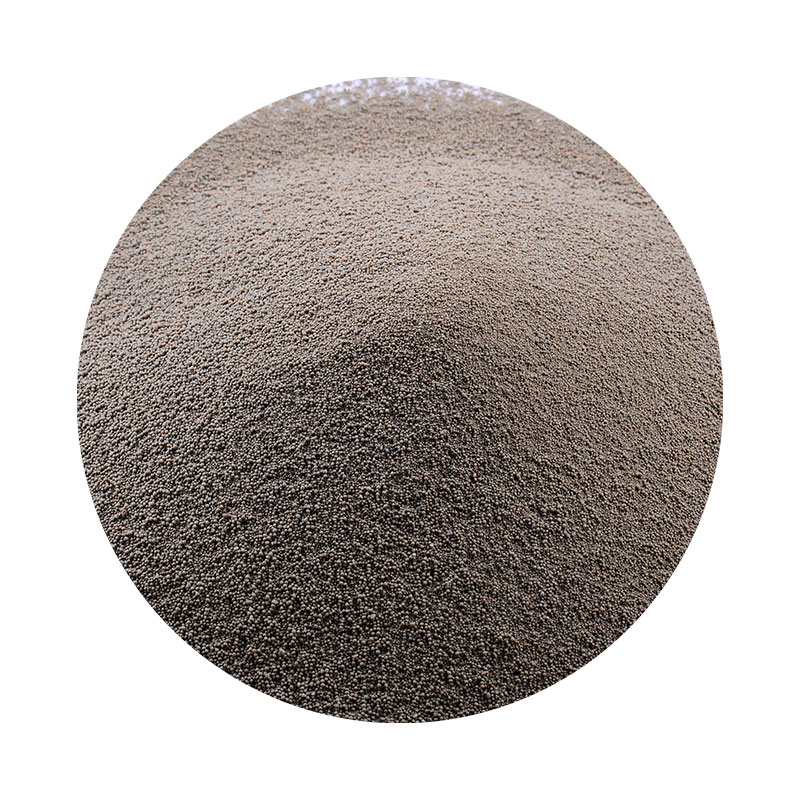

High-Performance Casting Materials
Discover the industrial efficiency of sintered ceramic sand designed for diverse casting alloys and rigorous manufacturing standards.
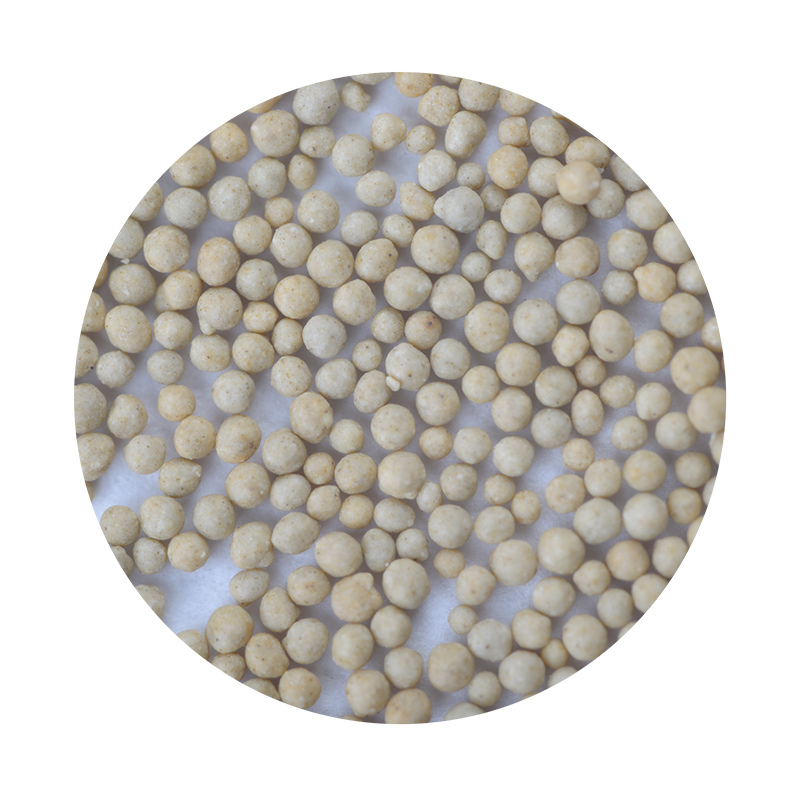
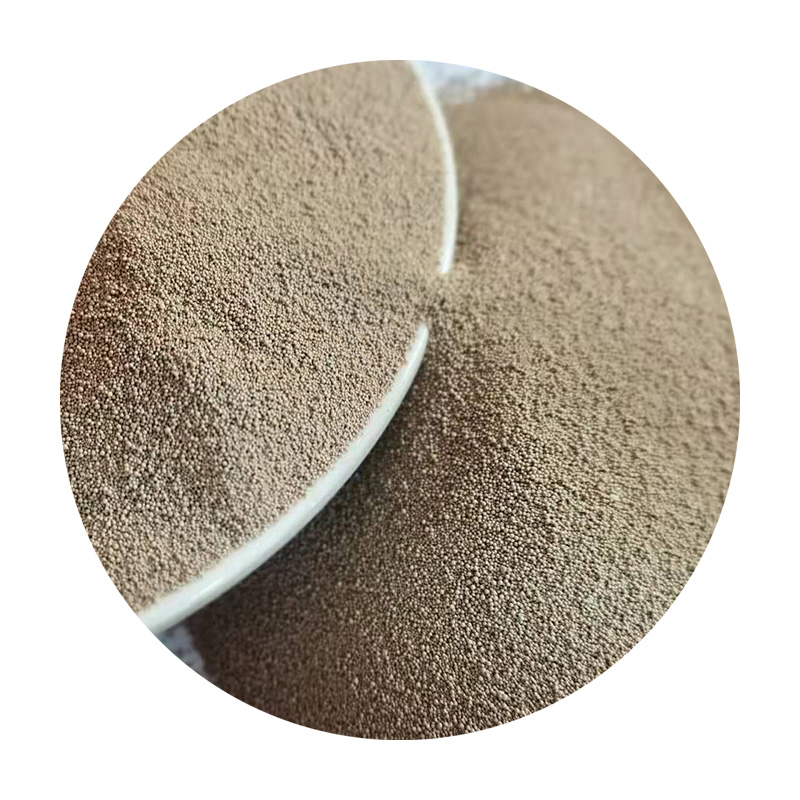
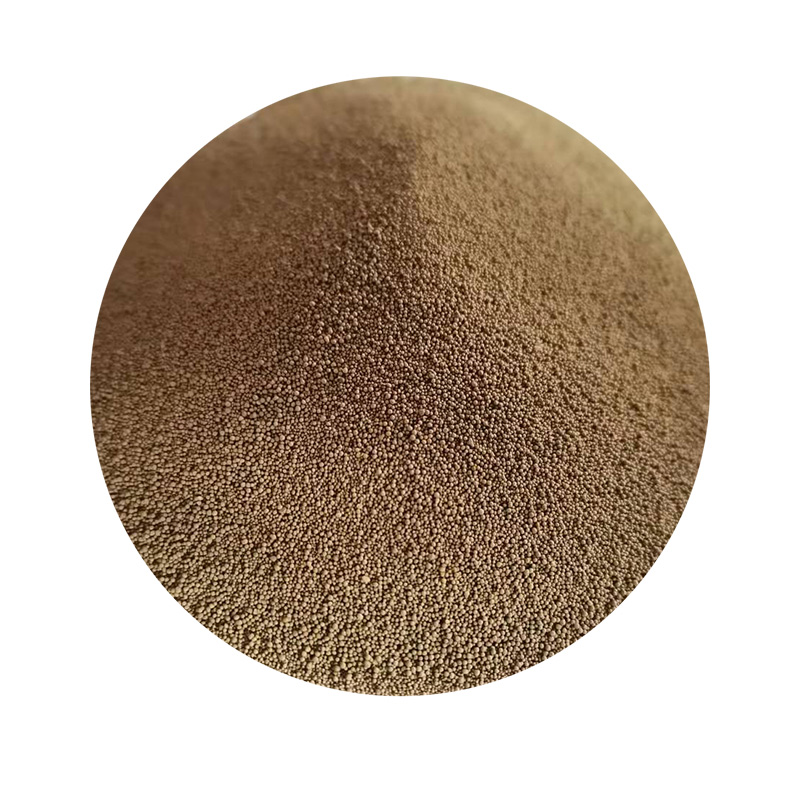
Bauxite sand for foundries
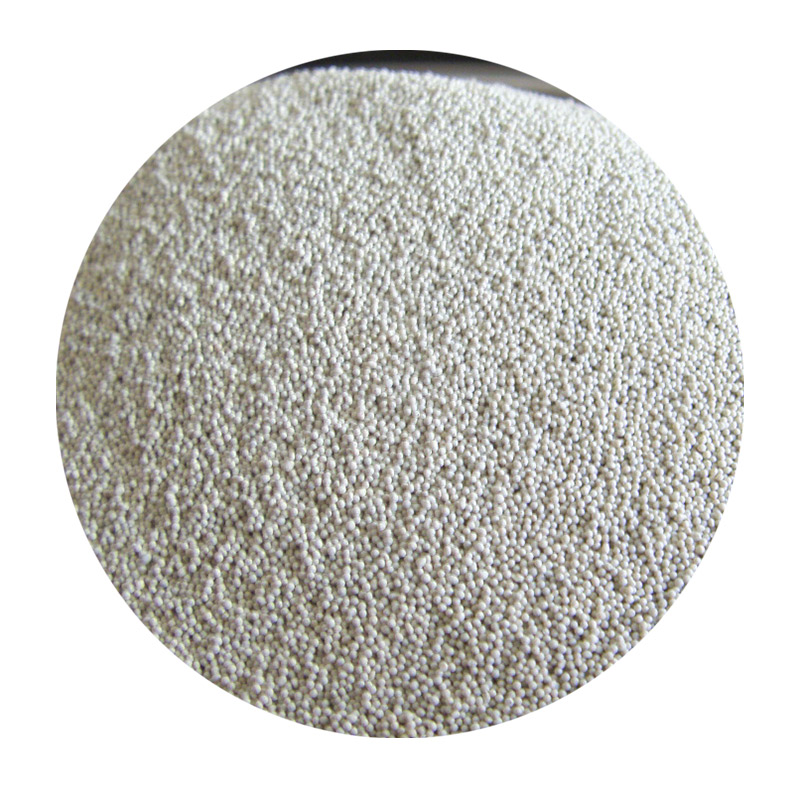
Ceramic foundry sand for green sand process
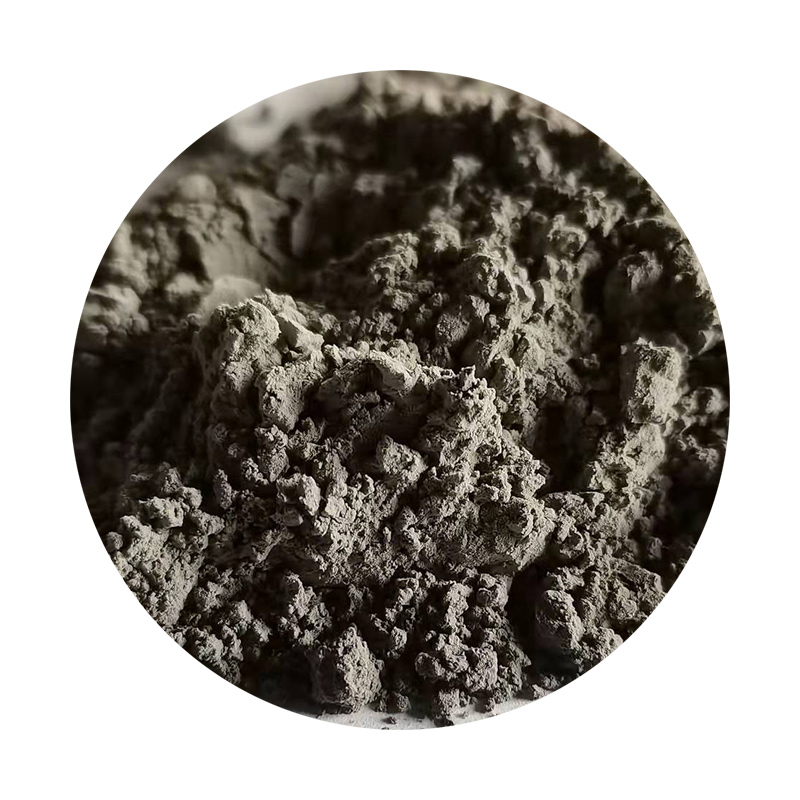
Ceramic sand powder
Analyzing Foundry Material Requirements in Paraguay
Adapting ceramic sanding technologies to meet regional manufacturing challenges and operational goals.
The industrial landscape in Paraguay relies on robust casting processes for infrastructure and automotive components. Given the regional focus on cost-efficiency, local foundries are increasingly seeking substitutes for expensive zircon or chromite sands to lower overhead without compromising metallurgical integrity.
Operational challenges often center around the thermal stability of molds. The demand for ceramic sanding materials that can withstand high-temperature pours while maintaining a smooth finish is critical for reducing post-cast cleaning and refining time.
Procurement trends in the region indicate a shift toward sustainable, green production. This makes sintered ceramic sand an attractive option, as it provides a stable, reusable alternative that aligns with ISO14001 environmental standards and reduces waste in the green casting process.
Evolution of Ceramic Sand Applications
Tracing the transition from traditional silica-based methods to advanced sintered ceramics.
Foundry Material Development
-
Early Adoption Stage
Reliance on natural silica and chromite sands, characterized by higher expansion rates and limited surface finish control. -
Material Substitution Stage
Integration of fused ceramic sands and cerabeads to improve precision and reduce the need for extensive wet sanding ceramics. -
Current Optimization Stage
Adoption of high-capacity sintered ceramic sand to achieve cost-effective, high-stability molds for diverse alloys.
Future Industry Trends
- Supply Chain Optimization — Shifting toward large-scale, stable suppliers to ensure consistent grade and grain size distribution.
- Sustainability Integration — Prioritizing materials that facilitate green casting and reduce the environmental footprint of the foundry.
- Enhanced Surface Precision — Moving toward materials that minimize the need for sanding glazed ceramics through superior mold stability.
Future Outlook for Ceramic Casting Materials
Key drivers shaping the next generation of foundry consumables.
Material Efficiency
Focus on increasing the recyclability of sintered sands to lower the cost per casting cycle.
Cost Reduction
Utilizing sintered ceramic sand as a high-performing substitute for expensive zircon and chromite sands.
Alloy Versatility
Expanding application across cast iron, steel, aluminum, and stainless steel for diverse industrial needs.
Eco-Friendly Production
Alignment with ISO14001 to ensure green manufacturing and reduced emissions in the foundry.
Industrial Perspective on Sintered Materials
The transition toward sintered ceramic sand is driven by the need for higher dimensional accuracy. By reducing the thermal expansion coefficient compared to silica sand, foundries can significantly decrease casting defects, which in turn reduces the reliance on corrective simply sands ceramics processes.
Looking forward, the synergy between high-capacity production—such as the 200,000 MT annual capacity provided by Shenghuo New Material Technology Co., Ltd.—and local Paraguayan demand will likely stabilize material costs and improve the competitiveness of regional metal casting.
Application Scenarios for Sintered Ceramic Sand
Practical implementations of high-performance ceramic materials across different casting environments.
1
Heavy Machinery Casting
Using sintered ceramic sand for large cast iron components in Paraguay's agricultural machinery sector to ensure mold stability and reduce surface roughness.
2
Precision Stainless Steel Parts
Applying ceramic materials to minimize chemical reactions at the mold-metal interface, ensuring high-purity surfaces for stainless steel components.
3
Aluminum Die Casting Refinement
Replacing traditional fillers with sintered sand to improve the flow and cooling rate of aluminum alloys, reducing porosity in the final product.
4
Automotive Component Foundries
Implementing high-stability sands for cast steel engine or chassis parts to ensure strict adherence to geometric tolerances and reduce finishing labor.
5
Custom Artistic Castings
Utilizing the fine grain of heath ceramics sand types for detailed ceramic or metal art pieces requiring a superior surface finish.
Commitment to Material Excellence
The growth and technical evolution of Shenghuo New Material Technology Co., Ltd.
07
2007
Company Establishment
Founded in Handan City, Hebei Province, focusing on the research and production of high-performance foundry materials.
--
Capability Expansion
Industrial Leadership
Developed two advanced domestic production lines with an annual capacity of 200,000 tons, becoming a leader in sintered ceramic sand.
--
Current Position
Technical & Quality Certification
Achieved ISO9001 and ISO14001 certifications, holding 15 independent intellectual property rights and 11 national invention patents.
Foundry Solutions for Paraguay Market
Explore our portfolio of sintered ceramic sands tailored for high-temperature stability and cost-effective casting.
Foundry Material FAQs
Technical insights regarding the use of ceramic sanding materials in industrial casting.
How does sintered ceramic sand reduce production costs in foundries?
Sintered ceramic sand acts as a cost-effective substitute for expensive materials like zircon sand, chromite sand, or cerabeads. It reduces expenses by lowering the raw material cost per mold while maintaining high thermal stability and precision, which minimizes casting rejects.
Can this material be used for multiple casting alloys in Paraguay?
Yes, it is widely applicable to various alloys including cast iron, cast steel, cast aluminum, cast copper, and stainless steel. Its versatility makes it suitable for diverse manufacturing sectors, from automotive to heavy machinery.
What is the difference between sintered and fused ceramic sand for sanding?
Sintered ceramic sand is produced through a controlled sintering process that offers a balance of high strength and lower cost compared to fused sands. For processes involving sanding glazed ceramics, sintered materials provide consistent grain size and durability, reducing tool wear.
Is the production of your ceramic sand environmentally friendly?
Yes, Shenghuo New Material Technology Co., Ltd. has passed ISO14001 system certification. The production process emphasizes green manufacturing, focusing on waste reduction and environmentally friendly raw material tracking.
What are the benefits of wet sanding ceramics over dry methods?
Wet sanding ceramics helps in dust suppression and heat dissipation, preventing thermal shock to the ceramic surface. This is particularly important for high-precision finishing where surface integrity is paramount.
Does Shenghuo New Material Technology Co., Ltd. provide customized sand production?
Yes, the company offers customized production based on a big data system that tracks specific customer requirements for quality and grain size, ensuring the material is tailor-made for the specific alloy and casting method used by the client.
Optimize Your Casting Process in Paraguay
Discuss your technical requirements and explore how our sintered ceramic sand can improve your foundry's efficiency and lower production costs.
Contact Us Now