
3D Printing with Sand A Revolutionary Approach in Additive Manufacturing
In recent years, the world of manufacturing has undergone significant transformations, and one of the most groundbreaking advancements is 3D printing. Among the various materials used, sand stands out as an exciting and versatile option, paving the way for new possibilities in construction, prototyping, and artistic expression. This article explores the fundamentals of 3D printing with sand, its advantages, applications, and the future it promises.
Understanding 3D Printing with Sand
3D printing, also known as additive manufacturing, involves creating objects layer by layer from a digital model. When it comes to sand, the process typically employs a binder jetting technique, where a mixture of sand and a liquid binder is deposited layer by layer to build a desired shape. The sand acts as the primary material, while the binder solidifies the structure, allowing for intricate designs and forms that are challenging to achieve with traditional manufacturing methods.
Advantages of Using Sand in 3D Printing
One of the primary benefits of using sand in 3D printing is its abundance and low cost. Sand is readily available in many regions around the world, making it an economically viable option for various applications. Additionally, sand's natural properties allow for high-resolution prints, enabling the production of detailed and complex geometries.
Another advantage is the sustainability aspect. Traditional manufacturing methods often generate significant waste and require energy-intensive processes. In contrast, 3D printing with sand minimizes waste by only using the necessary amount of material to create the object. The process can also utilize recycled sand, further reducing environmental impact.
Furthermore, sand 3D printing opens up possibilities in architectural and civil engineering sectors. Custom molds and complex structures can be produced quickly and efficiently, catering to individual project requirements. This capability not only enhances design flexibility but also accelerates project timelines.
Applications of Sand 3D Printing
3d printing with sand
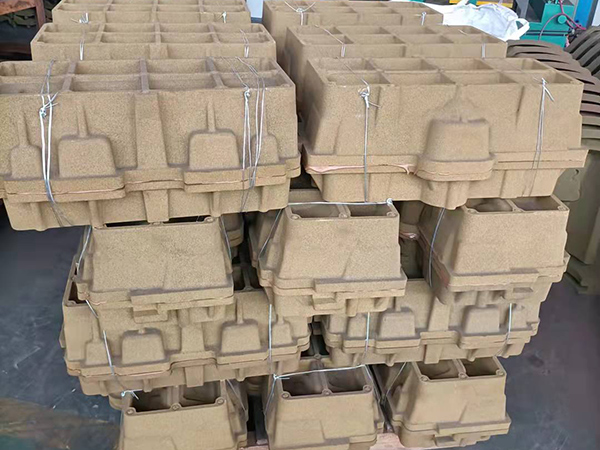
The applications of sand 3D printing are remarkably diverse. In the construction industry, it is used to create molds for concrete casting. By printing molds directly from digital designs, architects can experiment with innovative structures without the constraints of traditional mold-making methods. This approach facilitates rapid prototyping, allowing for adjustments and modifications before finalizing the design.
Another significant application is in the realm of art and sculpture. Artists can leverage the unique texture and finish of sand-printed objects, infusing their work with organic aesthetics. Additionally, sand prints can be used to create intricate pieces that were previously unattainable using conventional techniques, providing a new medium for artistic expression.
Moreover, sand 3D printing shows promise in the field of education and research. Students and researchers can explore complex concepts in materials science and engineering by creating tangible models. This hands-on approach fosters a deeper understanding of theoretical principles, bridging the gap between academic knowledge and practical application.
The Future of 3D Printing with Sand
As technology continues to evolve, the future of 3D printing with sand looks exceptionally promising. Ongoing research aims to improve the properties of sand-based materials, enhancing their strength and durability. Innovations in binder formulations may also expand the range of applications, enabling the production of even more complex structures.
The integration of advanced software and automation in the 3D printing process will further streamline production, making it accessible to smaller businesses and individual creators. This democratization of technology has the potential to spur creativity and innovation across various industries.
Additionally, the growing focus on sustainability in manufacturing is likely to enhance the appeal of sand 3D printing. As industries strive to reduce their carbon footprints, eco-friendly materials and processes will become increasingly crucial. Sand's natural abundance and recyclability position it as an ideal candidate to meet these evolving demands.
Conclusion
3D printing with sand represents a remarkable intersection of technology, art, and sustainability. It offers a plethora of advantages, from cost-effectiveness and design flexibility to eco-friendliness and rapid prototyping capabilities. As we move forward into a new era of manufacturing, embracing innovative materials like sand will undoubtedly play a crucial role in shaping the future of industries ranging from construction to art. By harnessing the potential of sand 3D printing, we not only push the boundaries of what is possible but also pave the way for a more sustainable and creative world.
Post time:Dec . 22, 2024 07:13
Next:sand resin mixture