
The Composition and Applications of Sand-Resin Mixtures
Sand-resin mixtures are versatile materials combining the granular properties of sand with the binding capabilities of resin. This unique blend is widely used in construction, manufacturing, and artistic applications. Understanding the composition, properties, and applications of sand-resin mixtures is essential for industries seeking durable and effective materials.
Composition of Sand-Resin Mixtures
The primary components of a sand-resin mixture are sand and resin. Sand is a naturally occurring granular material, primarily composed of silicon dioxide (SiO₂), and serves as the aggregate in this mixture. The size, shape, and purity of the sand significantly influence the final properties of the mixture. Typically, coarse or medium sand is preferred due to its improved binding characteristics and strength.
Resin serves as the binder in sand-resin mixtures, providing cohesion among sand particles. There are different types of resins, including epoxy, polyester, and polyurethane. Each type of resin has distinct properties and strengths. For instance, epoxy resins are known for their exceptional strength and chemical resistance, making them suitable for applications requiring durability. Polyester resins, while slightly less strong, are often favored due to their cost-effectiveness and ease of use.
The ratio of sand to resin can vary based on the specific requirements of the application. Generally, mixtures may contain anywhere from 60% to 90% sand, with the remaining portion being resin. The exact formulation will depend on the intended strength, flexibility, and other performance criteria of the final product.
Properties of Sand-Resin Mixtures
The properties of sand-resin mixtures can be tailored by adjusting the sand-resin ratio and the type of resin used. One of the most significant benefits of these mixtures is their ability to form rigid structures that can withstand various environmental conditions. They exhibit high compressive strength, making them suitable for load-bearing applications.
Additionally, sand-resin mixtures can be formulated to be water-resistant, providing added durability in wet conditions. Their resistance to chemicals, particularly when using epoxy resins, further enhances their applicability in industries where exposure to harsh substances is common.
sand resin mixture
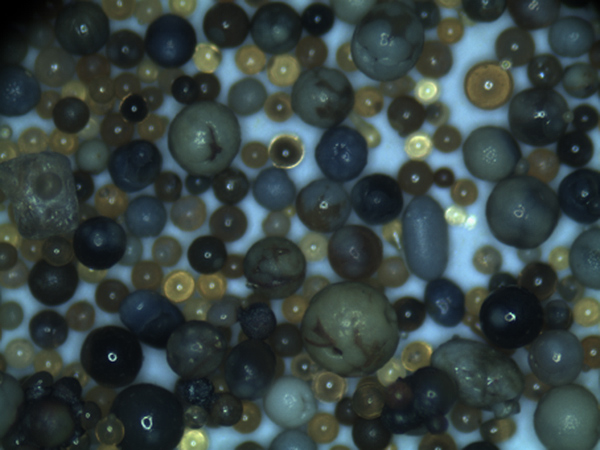
Moreover, the aesthetic qualities of sand-resin mixtures are appealing in artistic applications. They can be colored, textured, and shaped into various forms, allowing for creativity in design and production.
Applications of Sand-Resin Mixtures
1. Construction Sand-resin mixtures are extensively used in the construction industry for creating durable molds and casts. They are invaluable in producing precast concrete components, where precision and strength are paramount. Additionally, they can be used for repairing and reinforcing structures.
2. Manufacturing In manufacturing, sand-resin mixtures are utilized in creating effective tooling for various processes. The rigidity and heat resistance of the materials make them ideal for applications such as injection molding and vacuum forming.
3. Art and Craft Artists and craftspeople often rely on sand-resin mixtures for creating sculptures, decorative items, and custom art pieces. The ability to manipulate the mixture allows for intricate designs and unique textures.
4. Foundry Applications In foundries, sand-resin mixtures are crucial for producing molds for metal casting. The mixture’s strength and thermal stability ensure that it can handle the high temperatures associated with molten metal without deforming.
5. Landscaping and Decorative Applications These mixtures can also be used in landscaping for creating pathways, tiles, and decorative surfaces that are both attractive and functional.
Conclusion
Sand-resin mixtures represent a powerful combination of strength, versatility, and aesthetic appeal. By understanding their composition, properties, and diverse applications, industries can harness the potential of this unique material to enhance performance and create innovative solutions. As technology advances and new resin formulations emerge, the applications of sand-resin mixtures are likely to expand, paving the way for exciting developments across multiple fields.
Post time:Dec . 22, 2024 06:59
Next:انواع مختلف ریختهگری ماسهای و کاربردهای آن در صنعت