
Understanding Spherical Sand: Applications and Benefits
Spherical sand, also known as engineered sand, is a meticulously processed silica sand with a consistent, spherical shape. Unlike naturally occurring sand, its uniformity offers significant advantages in a variety of industrial applications. This article will explore the properties, manufacturing process, uses, and benefits of spherical sand, with a focus on its increasing importance in modern manufacturing. Discover how Sinoceramsite provides high-quality spherical sand solutions for diverse client needs. Understanding its unique characteristics unlocks its full potential for improving production efficiency and product quality.
What is Spherical Sand and How is it Made?
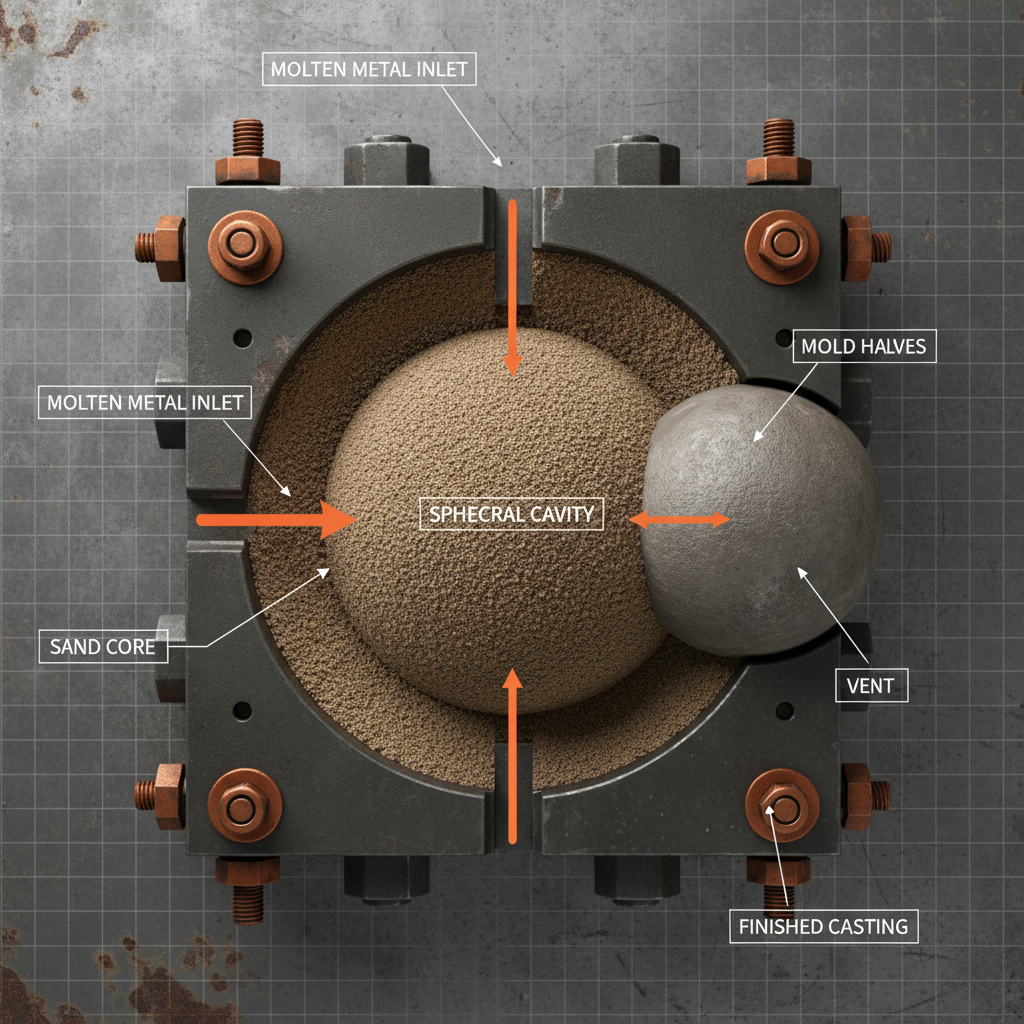
Spherical sand isn't simply "round sand" found on a beach. It's a precisely engineered material. The process begins with high-purity silica sand, carefully selected for its chemical composition. This raw material undergoes several stages including crushing, grinding, classification, and, most importantly, a shaping process – typically involving high-temperature melting and controlled cooling. This creates perfectly spherical particles with a narrow size distribution. The result is a material with enhanced flowability, packing density, and surface characteristics that make it ideal for specialized applications. Sinoceramsite’s manufacturing process ensures consistency and quality in every batch.
Key Highlights: Precise manufacturing process ensures consistent particle size and spherical shape. High-purity silica sand is the raw material, resulting in a chemically inert and stable product.
Key Applications of Spherical Sand
The unique properties of spherical sand make it invaluable in several key industries. One significant application is in precision casting, where its flowability ensures complete mold filling and reduces defects. It’s also widely used in powder metallurgy, enhancing sintering and improving the final product's density and strength. Furthermore, spherical sand is integral in the production of advanced ceramics, providing a uniform feedstock for shaping complex geometries. It’s also finding increasing use in specialized coatings and as a filler in high-performance polymers. The demand for this engineered material is growing alongside technological advancements.
Application Benefits:
• Enhanced flowability for precise mold filling
• Improved sintering in powder metallurgy
• Uniform feedstock for advanced ceramic production
• Consistent particle size for specialized coatings
Spherical Sand vs. Traditional Sand: A Comparative Analysis
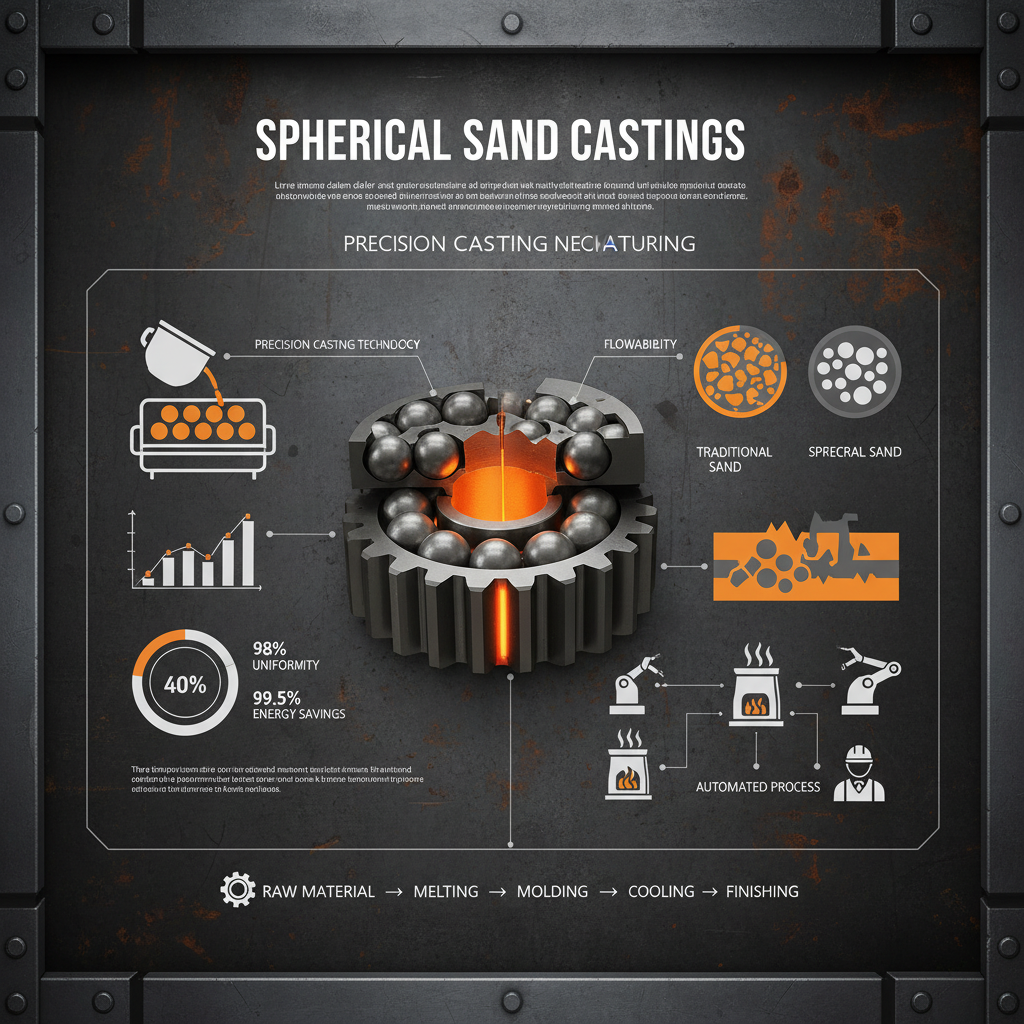
The differences between spherical sand and conventional sand are substantial. Traditional sand has irregular particle shapes and a wide size distribution, leading to poor flowability and packing density. This can cause voids and imperfections in finished products. Spherical sand, with its consistent shape and size, overcomes these limitations. It offers superior flow, allowing for more complex mold designs and reduced waste. Its higher packing density results in stronger, more durable parts. The improved surface finish also reduces the need for post-processing.
Choosing the Right Spherical Sand: Specifications and Considerations
Selecting the appropriate spherical sand depends on the intended application. Key specifications to consider include particle size, sphericity, and chemical composition. Particle size is critical for achieving the desired flowability and packing density. Sphericity, a measure of how closely the particles resemble perfect spheres, impacts performance. Chemical composition must be compatible with the materials being processed. Sinoceramsite offers a range of specifications to meet diverse client requirements.
Conclusion: Embracing the Future with Spherical Sand
Spherical sand represents a significant advancement in material science, offering a unique combination of properties that enhance performance across various industries. From precision casting to advanced ceramics, its benefits are undeniable. Sinoceramsite is committed to providing high-quality spherical sand solutions tailored to meet your specific needs. Investing in this engineered material is investing in improved efficiency, product quality, and innovation.
Frequently Asked Questions (FAQs)
What industries benefit the most from using spherical sand?
Several industries see significant advantages from incorporating spherical sand into their processes. Precision casting, powder metallurgy, advanced ceramics, and specialized coatings are prime examples. The material’s exceptional flowability and packing density improve casting accuracy, enhance sintering processes, create uniform ceramic feedstocks, and optimize coating performance. Furthermore, its consistent shape allows for better control over material properties, leading to higher-quality finished products.
Is spherical sand more expensive than traditional sand?
Yes, spherical sand generally has a higher cost compared to traditional sand due to the complex manufacturing process required to achieve its uniform shape and precise specifications. However, the added cost is often offset by significant benefits, including reduced material waste, improved product quality, lower processing costs, and enhanced performance. Considering the overall value proposition, spherical sand can be a cost-effective solution in many applications.
Can spherical sand be reused or recycled?
The reusability of spherical sand depends on the specific application and the level of contamination. In some cases, it can be cleaned and reused, particularly in closed-loop systems. However, repeated use may lead to particle degradation and changes in surface characteristics. Recycling options are also being explored, but the economic feasibility depends on the cost of cleaning and reprocessing.
What size ranges of spherical sand are available?
Spherical sand is available in a range of sizes to suit different applications. Common size ranges typically fall between 10 and 150 micrometers. Sinoceramsite can customize particle size distributions to meet specific client requirements, ensuring optimal performance in your intended application.
Next:Understanding Industrial Sand Casting Processes and Applications