
Foundry Casting Sand: A Comprehensive Guide
Foundry casting sand is a critical component in the metal casting process, serving as the mold material for shaping molten metals. Selecting the right type of sand is crucial for achieving high-quality castings, minimizing defects, and optimizing production efficiency. At Sinoceramsite, we specialize in providing high-performance foundry casting sands tailored to diverse casting applications. This article will delve into the types, properties, applications, and selection criteria for foundry casting sand, providing a comprehensive overview for foundries and metal casting professionals.
Types of Foundry Casting Sand
Foundry sands are categorized based on their mineral composition and grain size. The most common types include silica sand, olivine sand, zircon sand, and chromite sand. Silica sand is the most widely used due to its abundance and cost-effectiveness, but it can suffer from thermal expansion issues. Olivine sand offers better thermal stability and reduced gas evolution. Zircon sand is known for its exceptional thermal shock resistance and is ideal for high-temperature applications. Chromite sand exhibits excellent thermal stability and chemical inertness but is less common due to environmental concerns.
Key Highlights: The choice of sand depends on the metal being cast, the casting process, and the desired surface finish.
Properties of High-Quality Foundry Casting Sand
Essential properties of foundry casting sand include grain shape, grain size, refractoriness, permeability, and cohesiveness. Grain shape influences sand flowability and packing density. Rounder grains generally improve flowability. Grain size distribution affects permeability and surface finish. Refractoriness determines the sand's ability to withstand high temperatures without deformation. Permeability allows gases to escape from the mold cavity during pouring. Cohesiveness is the sand's ability to hold its shape, vital for mold stability. Sinoceramsite's sands are rigorously tested to ensure optimal performance across these critical parameters.
Essential Sand Properties:
• Grain Shape: Influences sand flowability and packing density.
• Grain Size Distribution: Affects permeability and surface finish.
• Refractoriness: Ability to withstand high temperatures.
• Permeability: Allows gases to escape during pouring.
• Cohesiveness: Ability to hold mold shape.
Foundry Casting Sand Applications
The specific application dictates the optimal sand type. For instance, steel castings often require zircon or olivine sand due to their high pouring temperatures. Aluminum castings frequently utilize silica sand. Different casting processes, such as sand casting, investment casting, and shell molding, also influence sand selection. The size and complexity of the casting also play a role in determining the ideal sand characteristics. Our team at Sinoceramsite provides expert guidance to help you choose the most suitable sand for your unique needs.
Choosing the Right Foundry Casting Sand: A Comparison
Selecting between different sand types requires careful consideration of trade-offs. Silica sand is economical but may not be suitable for high-temperature alloys. Zircon and olivine sands offer superior performance but come at a higher cost. The decision involves balancing performance requirements with budgetary constraints. At Sinoceramsite, we offer a range of sand grades and can assist you in choosing the optimal solution for your specific application.
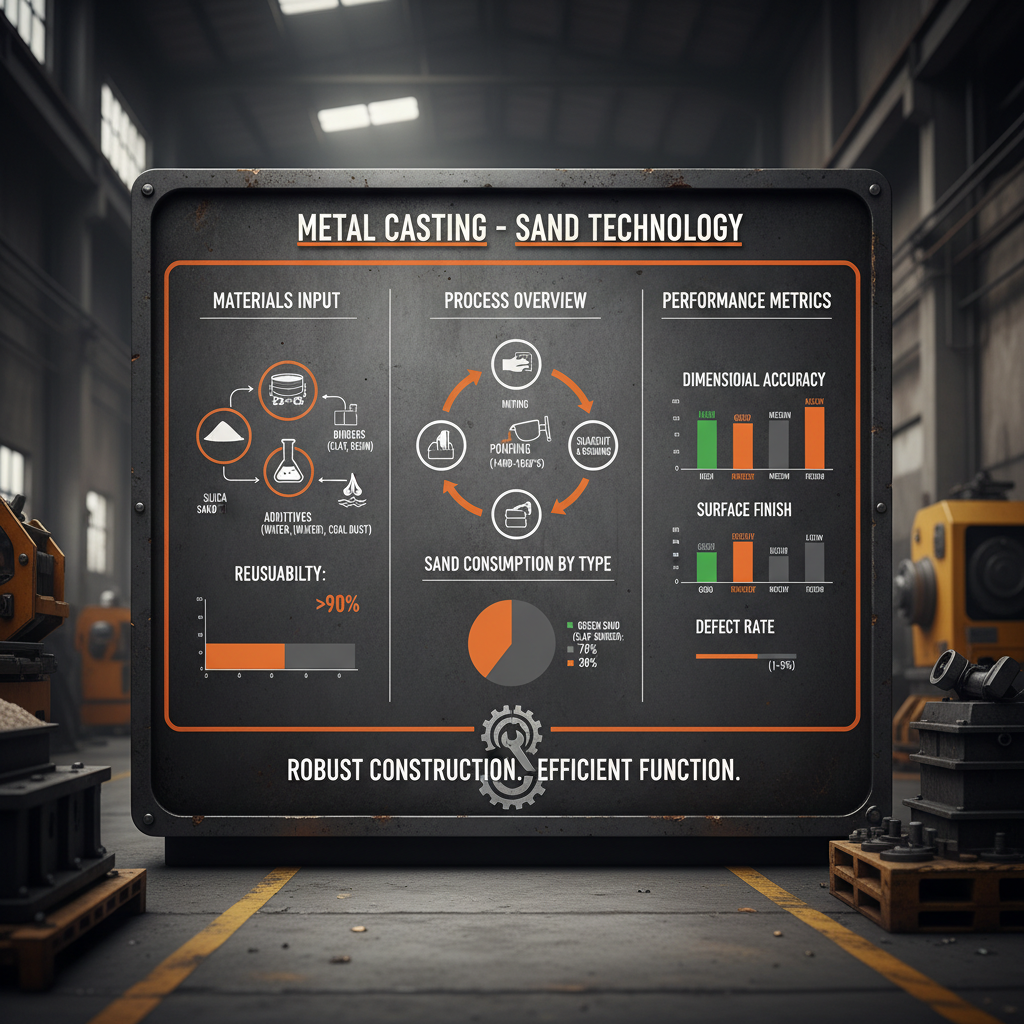
Product Specifications – Sinoceramsite Foundry Sand
Here's a sample specification for our premium Zircon Foundry Sand:
Conclusion: Optimizing Casting Quality with Sinoceramsite
Selecting the appropriate foundry casting sand is a cornerstone of successful metal casting. Sinoceramsite offers a comprehensive range of high-quality sands, backed by expert technical support, to help you optimize your casting processes and achieve superior results. Invest in the right sand, and you'll invest in the quality and efficiency of your foundry.
Frequently Asked Questions (FAQs)
What is AFS grain size, and why is it important?
AFS (American Foundry Society) grain size refers to the average particle size of the sand grains, measured in mesh numbers. A finer grain size (higher mesh number) results in a smoother casting surface finish but can reduce permeability. A coarser grain size (lower mesh number) increases permeability but may compromise surface finish. Choosing the right AFS grain size depends on the casting alloy, the complexity of the pattern, and the desired surface quality. It's a crucial parameter for controlling the sand's flowability and packing characteristics.
How does sand permeability affect casting quality?
Sand permeability is the sand's ability to allow gases generated during pouring to escape from the mold cavity. Insufficient permeability can lead to gas defects, such as porosity and blowholes, which weaken the casting. Permeability is influenced by grain size, grain shape, and the amount of binder used. Maintaining adequate permeability is vital for producing sound, defect-free castings.
What are the benefits of using zircon sand compared to silica sand?
Zircon sand offers significant advantages over silica sand, particularly for high-temperature alloys. It boasts superior thermal shock resistance, reducing the risk of sand expansion and cracking during pouring. Zircon also exhibits lower gas evolution, minimizing the formation of gas defects. While more expensive than silica sand, zircon's performance benefits often outweigh the cost for critical applications requiring high-quality castings.
How can Sinoceramsite help me select the right foundry sand?
At Sinoceramsite, we offer expert consultation services to help you identify the optimal foundry sand for your specific casting application. We consider factors such as the alloy being cast, the casting process, the desired surface finish, and your budgetary constraints. Our team can provide tailored recommendations and supply high-quality sands that meet your exact requirements. Contact us today for a free assessment.
Next:Exploring the Enduring Significance of Cast Iron Sand Casting in Modern Manufacturing