
Understanding sand casting metal: A Core B2B Manufacturing Solution
In the realm of B2B manufacturing, the selection of an appropriate metal forming process is paramount to achieving desired product specifications, cost-effectiveness, and operational efficiency. Among various methods, sand casting metal stands out as a foundational and highly versatile technique, widely utilized for producing intricate and robust components across a multitude of industries. This process involves creating a mold from sand, pouring molten metal into it, and allowing it to solidify, yielding a precisely shaped metal part. Its enduring popularity is attributed to its ability to handle complex geometries, a broad range of alloys, and relatively lower tooling costs compared to other methods, making it ideal for both high-volume production and specialized, low-batch requirements. Our focus delves into the technical intricacies, industry applications, and strategic advantages that make sand casting an indispensable solution for modern industrial demands.
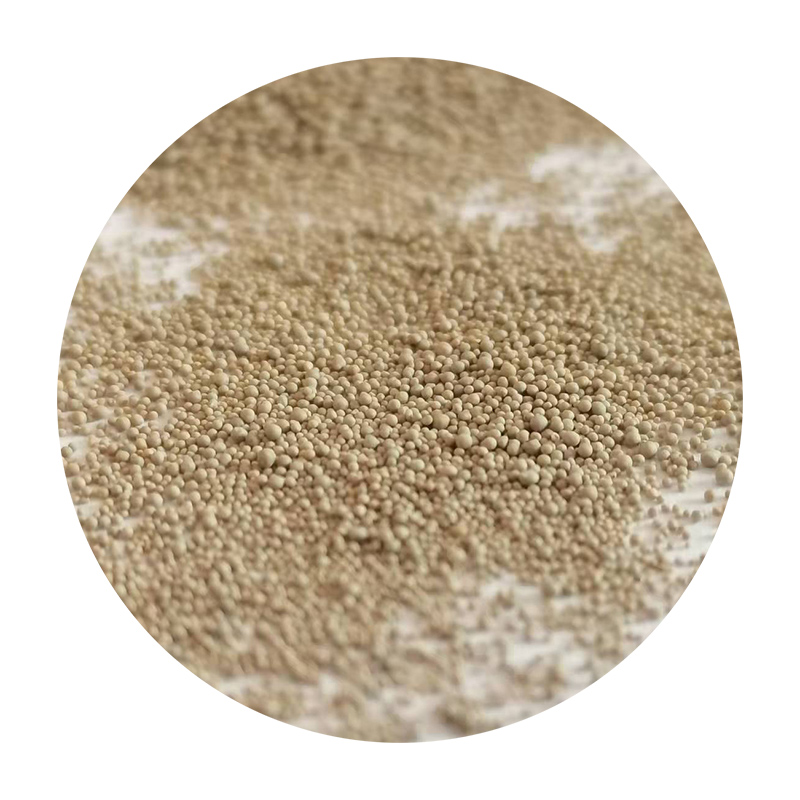
The adaptability of sand casting metal extends to diverse material selections, including various grades of sand casting steel, sand casting iron, and other non-ferrous alloys. This flexibility allows manufacturers to tailor the mechanical properties, corrosion resistance, and thermal performance of components to specific operational environments. From heavy machinery to intricate hydraulic systems, sand castings provide the foundational parts that ensure structural integrity and functional reliability.
Industry Trends in Sand Casting
The sand casting metal industry is continually evolving, driven by advancements in materials science, automation, and environmental regulations. Current trends emphasize enhanced precision, reduced waste, and the adoption of smart manufacturing techniques. Foundries are increasingly integrating advanced simulation software to optimize mold design, predict casting defects, and improve yield rates. This shift towards digital prototyping significantly reduces lead times and material consumption, aligning with principles of lean manufacturing.
- Sustainable Practices: A growing focus on eco-friendly binders, recycled sands, and energy-efficient melting furnaces is transforming the steel sand casting foundry landscape. This not only mitigates environmental impact but also reduces operational costs.
- Advanced Alloys: Development of new high-performance alloys, including those with enhanced wear resistance, high-temperature stability, and superior strength-to-weight ratios, expands the application range for sand casting metal components.
- Automation and Robotics: Robotic systems are being deployed for mold handling, pouring, and shakeout operations, improving consistency, safety, and throughput, particularly in unique sand casting scenarios requiring repetitive tasks.
- Additive Manufacturing Integration: While not a replacement, 3D printing is increasingly used for creating complex patterns and core boxes, allowing for rapid prototyping and intricate designs that are difficult with traditional patternmaking, thereby complementing the conventional sand cast process.
These trends collectively underscore a commitment to innovation, quality, and sustainability, ensuring that sand casting metal remains a competitive and vital manufacturing process for the foreseeable future.
The Detailed Sand Casting Process Flow
The creation of a metal component through sand casting metal is a multi-stage process, demanding precision at each step to ensure the integrity and quality of the final product. Understanding this process is key to appreciating the engineering behind each sand cast component.
1. Pattern Making
A pattern, typically made of wood, metal, or plastic, replicates the desired component's external shape, with allowances for shrinkage and machining. This pattern creates the cavity in the sand mold.
2. Mold Creation
Specialized molding sand (a mixture of silica sand, clay binder, and water/chemical binders) is packed around the pattern within a flask (mold box). The pattern is then removed, leaving a cavity. Cores (pre-formed sand shapes) are used for internal features.
3. Metal Melting & Pouring
Selected metal alloys (e.g., sand casting steel, sand casting iron) are melted in furnaces (induction, arc, or cupola) to a precise superheat temperature. The molten metal is then carefully poured into the mold cavity via a gating system, which controls flow and prevents turbulence.
4. Solidification & Shakeout
Once poured, the molten metal cools and solidifies within the sand mold. After adequate cooling, the sand mold is broken apart (shakeout) to retrieve the solidified casting. The sand can often be reclaimed and reused.
5. Fettling & Finishing
The retrieved casting undergoes fettling, which involves removing excess material like risers, gates, and flash. Further finishing may include grinding, shot blasting for surface improvement, and heat treatment to enhance mechanical properties like ductility and toughness.
6. Inspection & Testing
Each sand casting metal component undergoes rigorous inspection, including visual checks, dimensional verification, and non-destructive testing (NDT) such as X-ray or ultrasonic inspection, to ensure compliance with standards like ISO and ANSI. Mechanical testing (tensile, hardness) may also be performed.
The manufacturing processes, including subsequent forging or CNC machining, ensure that sand castings meet the highest performance standards, with service life often extending decades in demanding environments such as petrochemical and metallurgy.
Technical Specifications and Material Properties
The specific technical parameters of sand casting metal components vary significantly based on the chosen alloy and application. However, certain properties are universally critical. Below is a table illustrating typical specifications for commonly sand-cast metals.
| Property | Gray Iron (Class 30) | Ductile Iron (60-40-18) | Carbon Steel (ASTM A27 Gr. 65-35) | Stainless Steel (CF8M/316) |
|---|---|---|---|---|
| Tensile Strength (MPa) | 207 min | 414 min | 450 min | 485 min |
| Yield Strength (MPa) | - | 276 min | 240 min | 170 min |
| Elongation (%) | 0.5 max | 18 min | 24 min | 30 min |
| Hardness (HB) | 187-241 | 140-187 | 130-190 | 200 max |
| Corrosion Resistance | Poor (Rusts easily) | Moderate | Moderate (Requires coating) | Excellent |
Note: These values are typical and can vary based on specific heat treatment, chemical composition, and casting thickness. Always refer to relevant ASTM or equivalent international standards for precise application-specific data.
For specialized applications, particularly in corrosive or high-temperature environments, selecting the appropriate sand casting steel or other alloy is critical. Components for petrochemical industries often demand high resistance to chemical attack, while those for metallurgical plants require extreme heat resistance and structural integrity.
Application Scenarios and Technical Advantages
The versatility of sand casting metal allows it to serve as a cornerstone technology across numerous critical industries. Its advantages are particularly evident in scenarios demanding large, complex, or heavy components.
- Petrochemical Industry: Components such as pump housings, valve bodies, compressor parts, and pipe fittings made from corrosion-resistant steel sand casting are vital. The process ensures intricate internal passages and robust wall thicknesses required for high-pressure and chemically aggressive environments, contributing to extended service life and reduced downtime.
- Metallurgy and Heavy Machinery: Large gearboxes, machine bases, rolling mill stands, and heavy-duty crusher parts are frequently produced via sand casting iron or sand casting steel. The ability to cast massive components (from a few kilograms to several tons) with excellent dampening properties (for cast iron) or high strength (for cast steel) is a significant advantage.
- Water Supply & Drainage Systems: Flanges, pipe fittings, valve components, and pump impellers are routinely sand-cast. The material selection often focuses on corrosion resistance for potable water or wastewater applications, ensuring longevity and compliance with public health standards.
- Automotive and Rail: Engine blocks, cylinder heads, transmission housings, and brake drums utilize sand casting metal for their intricate forms and structural requirements. For rail, bogie frames and various structural components benefit from the process's capacity for large, robust parts.
- Renewable Energy: Components for wind turbines (hubs, gearboxes, frames) and hydroelectric power (turbine casings, impellers) demand exceptional strength and dimensional stability, making sand casting a preferred method.
Key Technical Advantages:
- Cost-Effectiveness for Complex Geometries: Sand casting allows for the creation of intricate shapes and internal cavities without the need for extensive machining, leading to significant cost savings, especially for unique sand casting designs.
- Material Versatility: Accommodates a vast array of ferrous and non-ferrous alloys, offering flexibility in material selection to meet specific performance requirements.
- Scalability: Suitable for both low-volume, large-part production and high-volume runs with automated lines.
- Energy Saving: Optimized pouring and cooling processes, along with the ability to recycle sand, contribute to a more energy-efficient manufacturing footprint compared to some alternative methods.
- Corrosion Resistance: By selecting appropriate alloys (e.g., stainless steel sand casting), components can be manufactured with inherent resistance to aggressive environments, prolonging service life.
Vendor Comparison for Sand Casting Metal Solutions
Choosing the right steel sand casting foundry partner is a critical strategic decision for B2B procurement. Factors such as capacity, material expertise, quality certifications, and customization capabilities play a significant role. Below is a comparative overview of key attributes to consider when evaluating sand casting metal providers.
| Criterion | Vendor A (Specialized) | Vendor B (Generalist) | Vendor C (High-Volume) |
|---|---|---|---|
| Max Casting Weight | 5,000 kg | 500 kg | 2,000 kg |
| Material Specialization | High Alloy Steels, Ductile Iron | Gray Iron, Standard Steel | Carbon Steel, Nodular Iron |
| Certifications | ISO 9001, PED, NDT Level III | ISO 9001 | ISO 9001, IATF 16949 |
| Lead Time (Typical) | 6-10 Weeks (Complex) | 4-8 Weeks (Standard) | 3-6 Weeks (Volume) |
| Post-Casting Services | Heat Treatment, CNC Machining, Assembly | Fettling, Shot Blasting | Heat Treatment, Basic Machining |
| Customization Capabilities | High (Engineering Support, R&D) | Moderate (Existing patterns) | Low (Standard designs) |
Our approach emphasizes a blend of advanced technical capability, rigorous quality control, and client-centric customized solutions, positioning us as a leader in providing high-quality sand casting metal components. We pride ourselves on meeting demanding industry standards and offering comprehensive support from design to delivery.
Customized Solutions for Sand Casting
Recognizing that off-the-shelf solutions rarely meet the precise requirements of industrial applications, we specialize in providing highly customized sand casting metal solutions. This involves a collaborative process from initial design to final production, ensuring that every component aligns perfectly with the client's operational needs and performance criteria.
Our Customization Process Includes:
- Design for Manufacturability (DFM): Our engineering team works closely with clients to optimize designs for the the sand cast process, minimizing material usage, reducing potential defects, and ensuring cost-effective production without compromising performance.
- Material Selection Expertise: We advise on the ideal alloy for specific applications, whether it's high-strength sand casting steel, corrosion-resistant stainless steel, or wear-resistant sand casting iron, considering factors like operational temperature, chemical exposure, and mechanical loads.
- Advanced Simulation and Prototyping: Utilizing state-of-the-art casting simulation software, we can predict mold filling, solidification, and potential shrinkage defects, drastically reducing the need for physical prototypes and accelerating product development cycles for complex sand castings.
- Tailored Post-Casting Operations: Beyond the casting itself, we offer a full suite of finishing services, including precision CNC machining, heat treatments (quenching, tempering, normalizing), surface coatings, and assembly, to deliver a ready-to-integrate component.
- Rigorous Quality Assurance Plans: Custom inspection and testing protocols are developed for each unique project, incorporating NDT methods like ultrasonic, magnetic particle, or X-ray inspection to guarantee metallurgical integrity and dimensional accuracy.
This comprehensive approach ensures that clients receive not just a product, but a complete, optimized solution that delivers superior performance and value.
Real-world Application Case Studies
Our expertise in sand casting metal has empowered numerous clients to overcome complex engineering challenges and achieve significant operational improvements.
Case Study 1: Large Valve Body for Petrochemical Facility
- Challenge: A major petrochemical client required a large, high-pressure valve body (approx. 1.5 tons) with complex internal geometry, needing exceptional corrosion resistance against specific chemical agents. Traditional fabrication methods were proving prohibitively expensive and prone to leakage.
- Solution: We engineered a specialized steel sand casting solution using a duplex stainless steel alloy (ASTM A890 Grade 4A). Our simulation tools optimized the gating and riser system to ensure complete mold filling and prevent shrinkage porosity. The complex internal passages were successfully formed using sophisticated core designs based on our Ceramcast sand ball shape.
- Result: Delivered a monolithic valve body with superior structural integrity and corrosion resistance. The sand cast component significantly outperformed fabricated alternatives in pressure tests and showed no signs of chemical degradation after extended in-service evaluation, resulting in substantial energy saving through reduced leakage and lower maintenance costs.
Case Study 2: Heavy-Duty Mining Equipment Components
- Challenge: A mining equipment manufacturer needed robust, wear-resistant components (e.g., track shoes, shovel teeth) for their excavators operating in highly abrasive environments. Forging was costly for varying designs, and current castings experienced premature wear.
- Solution: We proposed steel sand casting with a specific high-manganese steel alloy, known for its excellent work-hardening properties under impact. Through meticulous process control and heat treatment, we achieved optimal microstructure and hardness. The use of high-quality molding sand ensured a consistent surface finish and dimensional accuracy.
- Result: The sand castings demonstrated significantly extended service life, reducing replacement frequency by 30% and lowering operational costs for the client. The ability to cast unique sand casting designs for different equipment models also provided design flexibility.
Ensuring Quality: Certifications and Standards
Our commitment to quality in sand casting metal production is unwavering, backed by adherence to stringent international standards and comprehensive certifications. We understand that in B2B transactions, trust is built on verifiable quality and consistency.
- ISO 9001 Certified: Our quality management system is certified to ISO 9001, ensuring that every stage of our sand casting metal process, from raw material procurement to final inspection, meets global benchmarks for quality and customer satisfaction.
- Compliance with ASTM & ANSI: All sand castings are produced in strict accordance with relevant ASTM (American Society for Testing and Materials) and ANSI (American National Standards Institute) standards for material composition, mechanical properties, and testing protocols.
- PED/AD 2000 Compliance: For pressure equipment components, we ensure compliance with the Pressure Equipment Directive (PED 2014/68/EU) and AD 2000-Merkblatt W0/W2/W10, critical for clients in the European market, particularly for steel sand casting used in critical applications.
- Advanced NDT Capabilities: Our in-house non-destructive testing includes ultrasonic testing, magnetic particle inspection, penetrant testing, and radiographic (X-ray) inspection, performed by certified Level II/III technicians to detect any internal or surface imperfections.
- Metallurgical Laboratory: Equipped with spectrometers, hardness testers, and microscopes, our laboratory conducts thorough chemical analysis and microstructural evaluation to confirm material specifications and predict long-term performance.
Our consistent record of delivering high-quality sand castings for over two decades to global partners is a testament to our authoritative approach and dedication to excellence.
Product Focus: Ceramcast Sand Ball Shape for Sand Casting
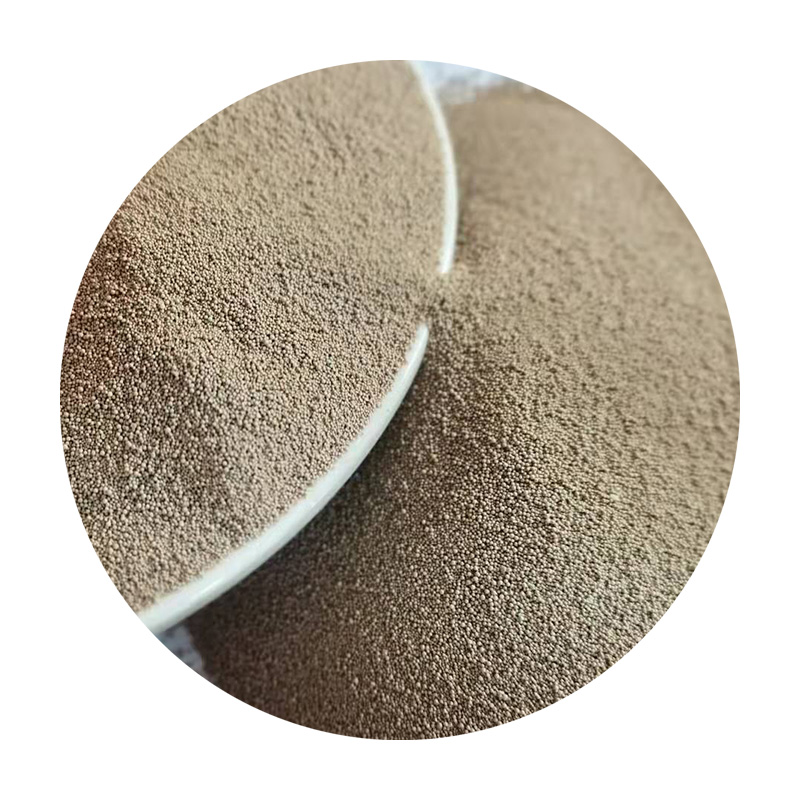
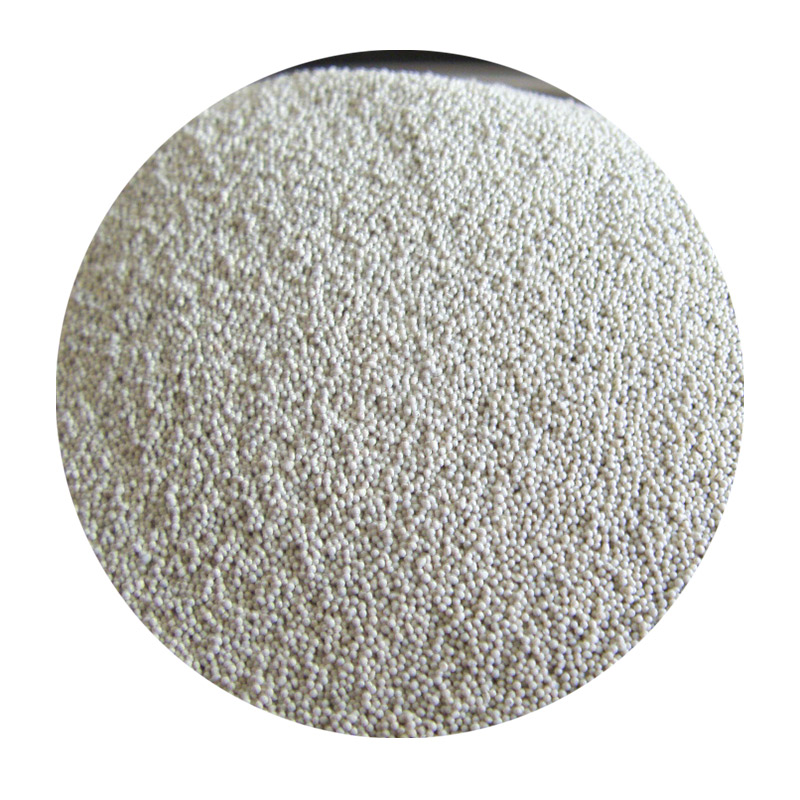
A crucial element in achieving superior sand casting metal quality is the choice of molding media. Our innovative Ceramcast sand ball shape is specifically engineered to elevate the performance of the sand casting process.
Key Specifications of Ceramcast Sand Ball Shape:
| Property | Value/Description |
|---|---|
| Grain Shape | Spherical (Ball Shape) |
| Refractoriness | ≥1790°C |
| Thermal Expansion (0-1000°C) | Low, typically |
| Permeability | Excellent due to uniform grain size distribution |
| Recyclability | High (multiple reuse cycles possible) |
| Surface Finish Improvement | Significantly reduces surface defects and improves smoothness |
| Binder Consumption | Reduced due to optimized surface area |
The unique spherical shape and high refractoriness of Ceramcast sand contribute to superior mold stability, excellent permeability, and an exceptionally smooth surface finish on sand castings, reducing post-processing requirements. This material is particularly advantageous for precision steel sand casting and applications where dimensional accuracy and surface quality are paramount.
Frequently Asked Questions (FAQ)
Q1: What are the primary advantages of sand casting over other casting methods?
A: Sand casting metal excels in producing large and complex components with intricate internal features, is highly versatile with various metal alloys (sand casting steel, sand casting iron), and offers lower tooling costs, making it ideal for both low-volume and high-volume production.
Q2: How do you ensure the quality and precision of sand cast components?
A: We adhere to ISO 9001 standards, conduct rigorous material testing and NDT (X-ray, ultrasonic) at various stages, and utilize advanced simulation software during the design phase. Our skilled technicians and adherence to ASTM/ANSI standards guarantee high precision and quality for every the sand cast component.
Q3: Can you produce sand castings from unique or specialized alloys?
A: Yes, our expertise extends to casting a wide range of specialized alloys, including various grades of unique sand casting materials, stainless steels, and heat-resistant alloys. We offer comprehensive metallurgical consulting to select the best material for your specific application requirements.
Q4: What is the typical lead time for sand casting projects?
A: Lead times vary based on complexity, size, and order volume. For standard sand castings, it typically ranges from 4-8 weeks from pattern approval to initial sample delivery. Complex or very large projects may require 10-14 weeks. We provide detailed lead time estimates with each quote.
Lead Time, Warranty, and Customer Support
Lead Time & Fulfillment
Our streamlined production processes and robust supply chain management enable us to offer competitive lead times. Upon design finalization and material selection, we provide a transparent timeline for pattern creation, casting, post-processing, and delivery. Expedited options are available for urgent requirements, ensuring reliable fulfillment even for complex sand casting metal projects.
Warranty Commitments
We stand behind the quality of our sand castings with a comprehensive warranty against material defects and manufacturing flaws. Specific warranty terms will be provided with each project contract, ensuring peace of mind for our clients. Our commitment extends to ensuring all components meet agreed-upon specifications and industry standards.
Customer Support & After-Sales Service
Our dedicated customer support team is available to assist with any inquiries, from technical specifications to order tracking. We offer comprehensive after-sales support, including troubleshooting, technical advice, and assistance with replacement parts for all sand casting metal products. Our goal is to forge long-term partnerships built on trust and exceptional service.
Conclusion
Sand casting metal remains an indispensable manufacturing process, offering unparalleled versatility, cost-effectiveness, and the ability to produce robust, complex components essential for heavy industries. From the intricacies of steel sand casting for petrochemical applications to the durability of sand casting iron for heavy machinery, its role is pivotal. By embracing advanced materials like our Ceramcast sand ball shape, rigorous quality control, and client-focused customization, we continue to push the boundaries of what is achievable in the sand cast industry. Partner with us to leverage decades of expertise and innovative solutions for your next demanding project.
References
- American Foundry Society. "Metalcasting Industry Trends." AFS Publications.
- ASM International. "ASM Handbook, Vol 15: Casting." Materials Park, OH: ASM International, 2008.
- Campbell, J. "Complete Casting Handbook: Metal Casting Processes, Metallurgy, Techniques and Design." Butterworth-Heinemann, 2011.
- International Organization for Standardization. "ISO 9001: Quality Management Systems – Requirements." ISO, 2015.
- American Society for Testing and Materials. "Various ASTM Standards for Ferrous and Nonferrous Castings." ASTM International.
Next:High-Strength Sintered Sand for Precision Casting & Refractories