
Introduction to Advanced Foundry Sands
In the rapidly evolving landscape of modern foundry operations, the choice of molding and core materials significantly impacts casting quality, production efficiency, and environmental compliance. Traditional silica sands often present limitations, particularly in high-temperature applications or when stringent dimensional accuracy is required. This has driven the industry toward advanced alternatives, among which sintered sand stands out as a superior solution, particularly the sintered ceramic sand for foundry with cold core box.
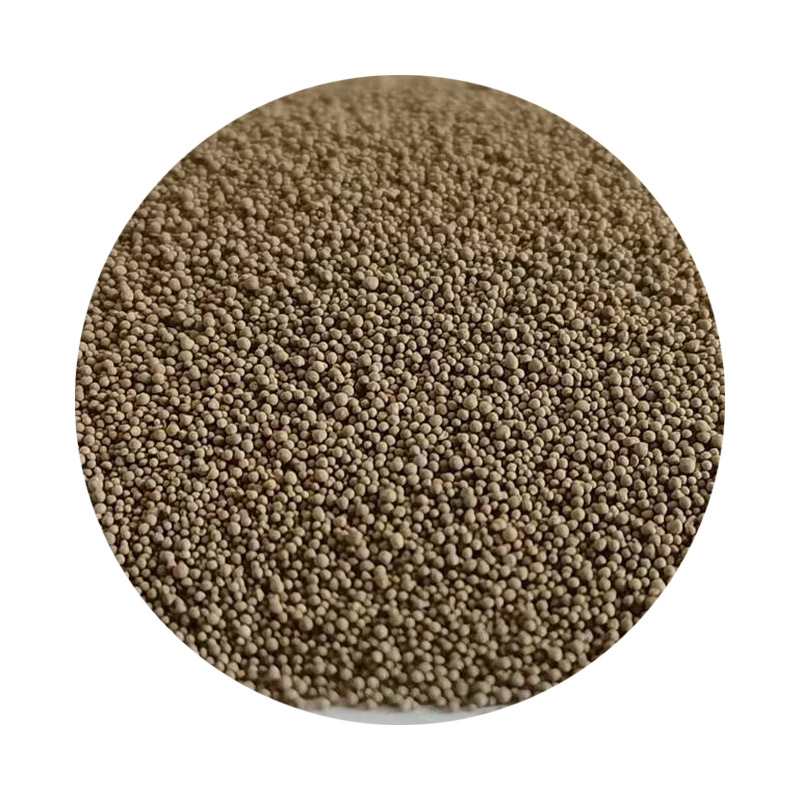
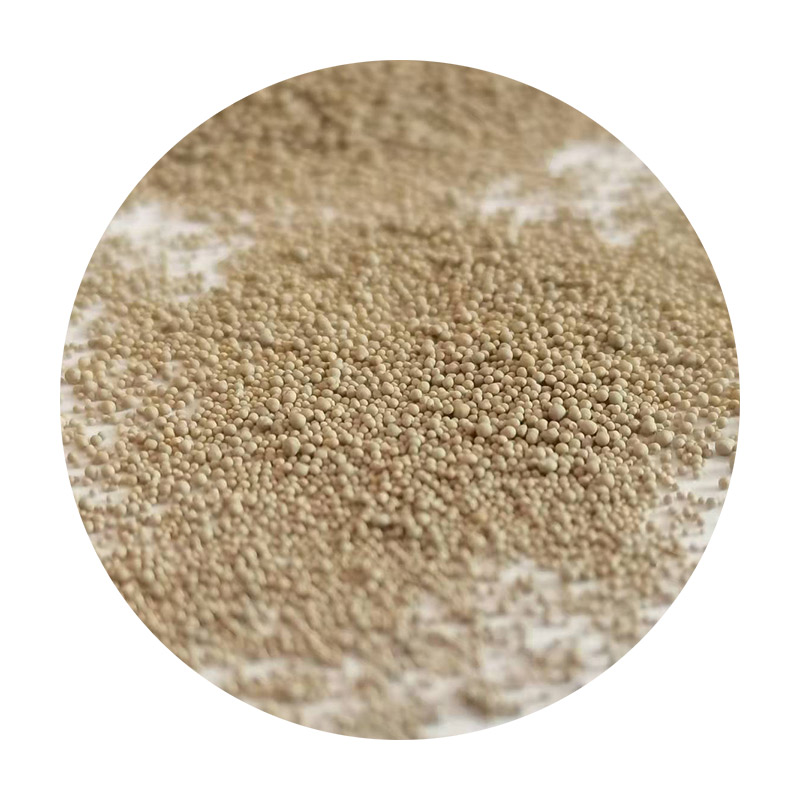
Sintered sand, often referred to as ceramic foundry sand, is an engineered proppant meticulously designed to overcome the inherent challenges of conventional sands. Its unique spherical shape, high refractoriness, low thermal expansion, and excellent permeability make it an indispensable material for foundries aiming for high-precision, defect-free castings. This article delves into the technical aspects, application benefits, and strategic considerations for integrating sintered sand into your foundry processes.
The Manufacturing Process of Sintered Ceramic Sand
The production of sintered sand is a sophisticated multi-stage process that transforms raw bauxite into a high-performance ceramic material. This meticulous process ensures the material's superior properties, making it ideal for demanding foundry applications.
Process Flow Overview:
Step 1: Raw Material Selection
High-grade bauxite (Al2O3 content ≥ 85%) selected for its purity and mineral composition.
Step 2: Crushing & Grinding
Bauxite crushed and ground into fine powder, then mixed with binders and additives.
Step 3: Granulation
Powder mixture fed into a granulator to form uniformly sized spherical green pellets.
Step 4: Sintering (High-Temperature Firing)
Green pellets fired in a rotary kiln at temperatures exceeding 1300°C, causing ceramic particles to fuse and densify.
Step 5: Cooling & Screening
Sintered pellets cooled and then screened to achieve precise grain size distribution (e.g., AFS 30, 40, 50, 70).
Step 6: Quality Control & Packaging
Rigorous testing against ISO/ANSI standards for refractoriness, acid demand, specific gravity, and permeability. Packaged for delivery.
The resulting sintered sand exhibits exceptional properties. Its high alumina content (typically 70-85%) contributes to its high refractoriness, capable of withstanding extreme temperatures common in ferrous and non-ferrous casting. The spherical grain shape, a direct result of the granulation and sintering process, enhances flowability and reduces binder consumption. Furthermore, the low thermal expansion prevents casting defects such as scabbing and veining, which are prevalent with conventional silica sand.
Our manufacturing adheres strictly to international quality standards such as ISO 9001 for quality management and ASTM standards for material testing. This commitment ensures a consistent product with a predictable service life under varied foundry conditions. Typical applications in target industries like petrochemical (valve bodies, pump housings), metallurgy (steel and iron castings), and water supply & drainage (pipe fittings) demonstrate clear advantages in energy saving through reduced fettling and cleaning, and enhanced corrosion resistance of the final cast components due to improved surface finish.
Industry Trends and Market Dynamics
The global foundry industry is experiencing a paradigm shift driven by stringent quality demands, environmental regulations, and the pursuit of cost efficiencies. Foundries are increasingly moving away from traditional materials that contribute to high waste generation and poor working conditions. This shift favors advanced engineered sands like sintered sand, which offer a compelling blend of performance and sustainability.
Key trends include:
- Environmental Sustainability: Reduced silica dust exposure, lower binder consumption, and opportunities for reclamation make ceramic sands more environmentally friendly.
- Precision Casting: Growing demand for intricate and high-tolerance castings in automotive, aerospace, and energy sectors necessitates materials with superior dimensional stability and surface finish.
- Automation Integration: Excellent flowability and consistent quality of sintered sand are crucial for automated core-making and molding lines, improving efficiency and reducing manual labor.
- Cost Optimization: While initial material cost may be higher, the long-term benefits such as reduced scrap rates, lower cleaning costs, and potential for reclamation lead to significant overall cost savings.
The market for advanced foundry materials is projected to grow steadily, reflecting the industry's commitment to innovation and efficiency. Manufacturers leveraging products like sintered ceramic sand are better positioned to meet the evolving demands of their customers and maintain a competitive edge.
Technical Specifications and Performance Parameters
Understanding the specific technical parameters of sintered sand is critical for optimal application in foundry processes. These parameters define its performance characteristics and distinguish it from other foundry sands.
Typical Product Specifications: Sintered Ceramic Sand for Cold Core Box
| Parameter | Typical Value | Benefit in Foundry |
|---|---|---|
| AFS GFN (Grain Fineness Number) | 30-70 (customizable) | Versatility for various casting sizes and surface finishes. |
| Refractoriness | >1790 °C | Prevents burn-on and penetration even with high-temperature alloys. |
| True Specific Gravity | 3.2 - 3.5 g/cm³ | High density contributes to mold stability and strength. |
| Bulk Density (Loose) | 1.8 - 2.1 g/cm³ | Ensures good compaction and mold filling. |
| Thermal Expansion | 0.10 - 0.15% (at 1000°C) | Minimizes casting defects like scabbing and veining for dimensional accuracy. |
| Acid Demand Value (ADV) | < 5.0 ml | Low ADV reduces binder consumption and enhances curing efficiency, especially for cold core box processes. |
| Loss on Ignition (LOI) | < 0.2% | Indicates high purity and absence of organic impurities, preventing gas defects. |
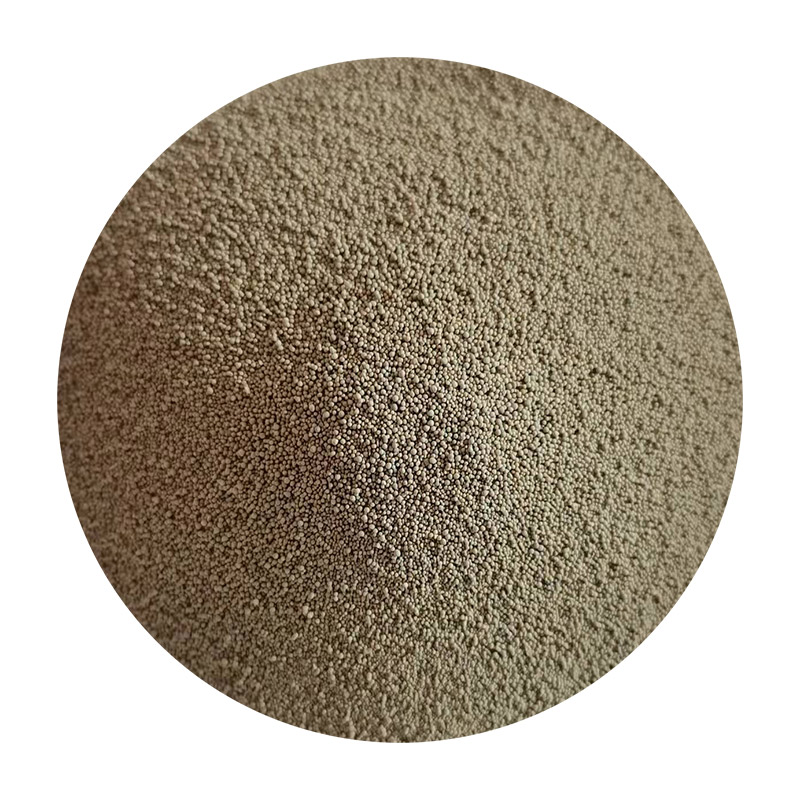
| Grain Shape | Spherical | Excellent flowability, reduced binder consumption, superior permeability, and surface finish. |
These specifications highlight the engineered superiority of sintered sand. For instance, its remarkably low thermal expansion coefficient prevents dimensional inaccuracies and minimizes defects that typically arise from sand expansion at high casting temperatures. The spherical grain shape contributes to excellent permeability, facilitating efficient gas evacuation during pouring, which is crucial for preventing gas-related defects in castings.
Application Scenarios and Technical Advantages
Sintered sand is exceptionally versatile and finds application across various casting methods, particularly where high precision and surface quality are paramount. Its unique properties make it ideal for challenging ferrous and non-ferrous alloys.
Primary Application Scenarios:
- Cold Core Box Process: Excellent compatibility with furan, phenolic, and other resin binders due to its low ADV. Ensures rapid curing, strong core integrity, and reduced binder usage.
- High-Alloy Steel Castings: Its high refractoriness prevents sand erosion and metal penetration, crucial for alloys poured at extreme temperatures.
- Automotive Components: Engine blocks, cylinder heads, transmission housings requiring precise dimensions and excellent surface finish benefit greatly.
- Aerospace & Defense: Critical components demanding zero defects and high structural integrity.
- Heavy Machinery & Energy: Large, complex castings for turbines, valves, and industrial pumps where strength and reliability are paramount.
- Investment Casting Backup: As a stable, inert support material in shell-making processes.
Key Technical Advantages:
- Superior Surface Finish: Spherical grains and fine AFS numbers produce exceptionally smooth casting surfaces, significantly reducing post-casting machining and finishing.
- Reduced Casting Defects: Low thermal expansion virtually eliminates scabbing, veining, and rat-tails. High refractoriness prevents burn-on and penetration.
- Enhanced Permeability: Uniform spherical grains allow for efficient gas escape, mitigating gas-related porosity and blowholes.
- Lower Binder Consumption: The spherical shape and smooth surface of sintered sand minimize the surface area for binder adhesion, leading to 20-40% savings in resin.
- Excellent Reclamation Potential: Its robust, non-friable nature and high refractoriness mean it can be reclaimed and reused multiple times, reducing material costs and waste.
- Environmental Benefits: Contains no free silica, mitigating silicosis risk and improving workplace safety. Lower waste generation due to recyclability.
Vendor Comparison and Customized Solutions
Selecting the right supplier for sintered sand is as crucial as the material itself. A reputable vendor offers not only high-quality products but also technical support, consistent supply, and customization capabilities. When evaluating suppliers, key factors include product consistency, technical expertise, logistics, and post-sales support.
Vendor Comparison Table (Hypothetical):
| Feature/Parameter | Leading Global Supplier (e.g., Sinoceramsite) | Alternative Supplier A | Alternative Supplier B |
|---|---|---|---|
| Product Consistency (Batch-to-Batch) | Excellent (ISO 9001, rigorous QC) | Good (Standard QC) | Variable |
| Technical Support & Expertise | Dedicated engineering team, onsite support, process optimization | Basic remote support | Limited |
| Customization Options (AFS GFN, packaging) | Full range, tailor-made solutions for specific applications | Limited grain size options | Standard only |
| Supply Chain Reliability | Global logistics network, multiple production sites, robust inventory | Regional, single site | Sporadic |
| Reclamation Performance | High recyclability (>90% effective reuse rate) | Moderate recyclability | Low |
Customized Solutions:
We understand that every foundry has unique requirements. Our approach to sintered sand provision extends beyond standard products to offer bespoke solutions:
- Tailored AFS GFN: We can fine-tune the grain fineness to match specific surface finish requirements or binder systems, optimizing for different casting alloys and sizes.
- Specialized Packaging: From bulk bags to smaller sacks, packaging can be customized to integrate seamlessly with your material handling systems.
- Technical Consultation: Our metallurgists and foundry experts work closely with clients to troubleshoot casting defects, optimize core-making parameters, and enhance overall process efficiency using our sand sintering expertise.
- Logistical Flexibility: We offer flexible delivery schedules and inventory management solutions to ensure just-in-time supply, minimizing your storage costs.
Our long-standing relationships with leading foundries globally attest to our commitment to quality and customer success. We pride ourselves on being a partner, not just a supplier, providing materials that consistently exceed expectations.
Application Case Studies
Real-world application demonstrates the tangible benefits of incorporating sintered sand into foundry operations. Here are illustrative examples:
Case Study 1: High-Precision Stainless Steel Valve Casting
A large industrial valve manufacturer faced persistent issues with surface roughness, sand burn-on, and hot tearing when casting complex stainless steel valve bodies using traditional chromite sand. The required post-casting grinding and machining were extensive and costly.
- Solution: Switched to our AFS 50 sintered sand for cold core box applications.
- Results:
- Surface finish improved by over 40% (Ra value reduced from 6.3 to 3.8 µm).
- Eliminated burn-on and penetration defects, reducing fettling time by 30%.
- Scrap rate due to sand-related defects dropped from 8% to less than 2%.
- Overall production cost savings of 15% within the first year.
Case Study 2: Automotive Cylinder Head Production
An automotive foundry producing aluminum cylinder heads struggled with core stability and gas defects using silica sand, leading to a high rejection rate and inconsistent dimensional accuracy for critical internal passages.
- Solution: Implemented our AFS 70 sintered sand in their furan cold box process for intricate core geometries.
- Results:
- Improved core strength and integrity, preventing core breakage during handling and pouring.
- Gas defects reduced by 75% due to superior permeability, leading to denser, sounder castings.
- Binder consumption decreased by 25% due to spherical grain shape and low ADV.
- Achieved tighter dimensional tolerances, meeting Tier 1 automotive supplier standards consistently.
Trust & Support: FAQs, Lead Times, Warranty, and Customer Service
Frequently Asked Questions (FAQs):
Q: Is sintered sand compatible with all binder systems?
A: Yes, its low Acid Demand Value (ADV) makes it highly compatible with most common organic and inorganic binder systems, including furan, phenolic urethane cold box, and alkaline phenolic processes. This broad compatibility offers foundries significant flexibility.
Q: What are the environmental benefits compared to silica sand?
A: Sintered sand contains no free crystalline silica, eliminating the risk of silicosis. Its high reusability significantly reduces landfill waste, and lower binder usage lessens VOC emissions during casting. These factors contribute to a safer, more sustainable foundry environment.
Q: Can sintered sand be reclaimed and reused?
A: Absolutely. Its high strength and spherical shape make it highly resistant to attrition, enabling excellent reclamation rates (typically >90%) using standard mechanical or thermal reclamation systems. This leads to substantial cost savings and reduced environmental impact.
Lead Time & Fulfillment:
We maintain a robust inventory and efficient logistics network to ensure timely delivery. Standard lead times for common grades of sintered sand are typically 2-4 weeks for international shipments and 5-7 business days for domestic orders. Expedited shipping options are available upon request. We work closely with clients to forecast demand and tailor fulfillment schedules.
Warranty Commitments:
All our sintered sand products are supplied with a guarantee of meeting or exceeding specified technical parameters. We warrant our materials against manufacturing defects and non-conformance to agreed-upon specifications for a period of 12 months from the date of delivery. Our commitment to quality is backed by rigorous internal testing and adherence to international standards.
Customer Support:
Our dedicated customer support team and technical specialists are available to assist with product selection, application guidance, troubleshooting, and process optimization. We offer comprehensive after-sales support, including on-site visits, remote consultations, and detailed technical documentation, ensuring our clients maximize the benefits of our advanced foundry sands. Contact us through our website or direct line for immediate assistance.
References
- American Foundry Society (AFS). (2023). Foundry Sand Reclamation Handbook.
- International Organization for Standardization (ISO). (2022). ISO 9001: Quality Management Systems - Requirements.
- Modern Casting Magazine. (2023). Innovations in Advanced Foundry Materials.
- Journal of Casting & Foundry Technology. (2021). Comparative Analysis of Ceramic and Silica Foundry Sands.
Next:High-Quality Casting Sand for Sale | Precision Metal Casting