
Foundry Sand: A Comprehensive Guide for Global Trade
Foundry sand is a crucial material in the metal casting process, providing the mold into which molten metal is poured. Understanding its different types, properties, and sourcing is vital for businesses involved in metal manufacturing. This article offers a detailed overview of foundry sand, covering its applications, specifications, and considerations for international trade. Whether you're a foundry operator, a sourcing manager, or involved in the global metal trade, this guide will provide valuable insights.
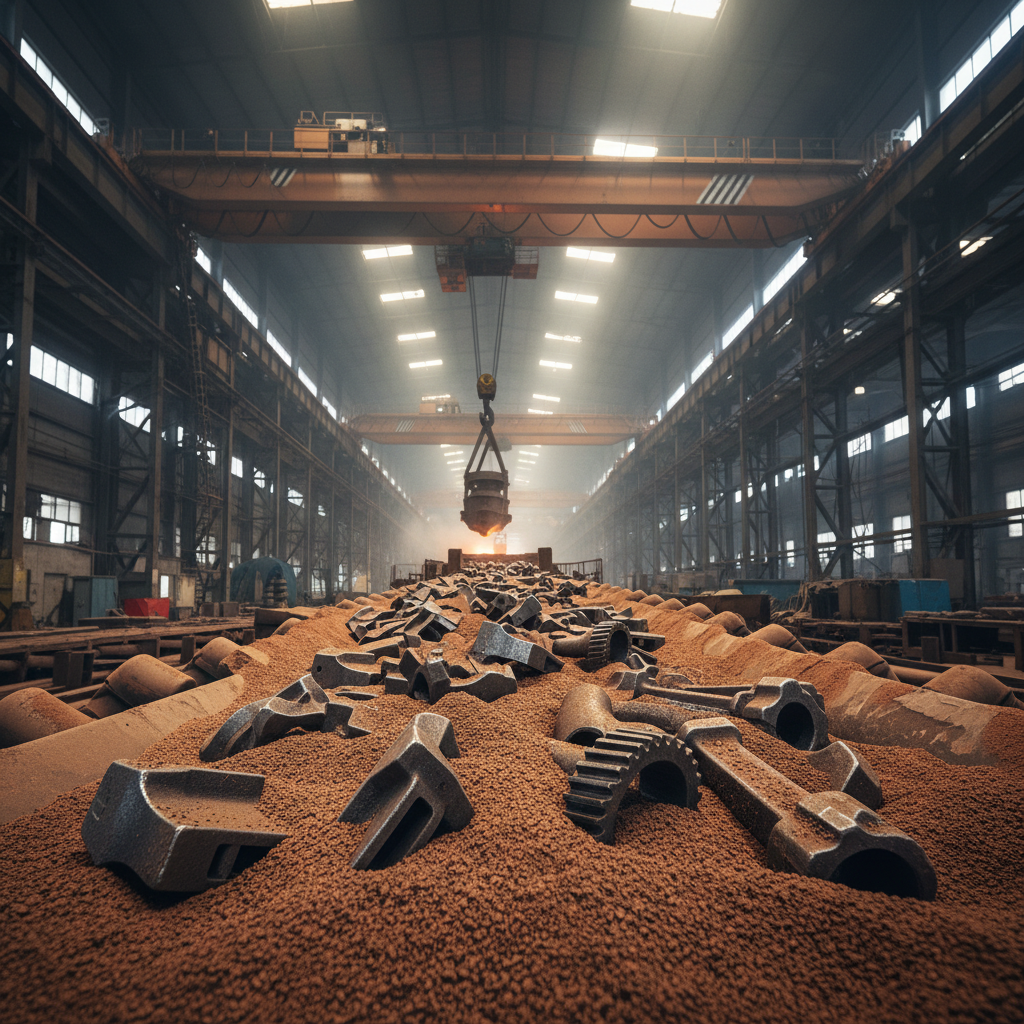
Understanding the Different Types of Foundry Sand
Foundry sand isn’t a one-size-fits-all material. It comes in various types, each with unique characteristics influencing its suitability for different casting applications. The most common types include silica sand, olivine sand, zircon sand, and chromite sand. Silica sand is the most widely used due to its abundance and cost-effectiveness, but other sands offer superior properties for specific alloys or demanding casting requirements. The grain shape, grain size distribution, and chemical composition are critical factors in determining the sand’s performance. Choosing the correct sand type directly impacts the quality of the final casting, influencing factors like surface finish, dimensional accuracy, and resistance to metal penetration. SinoCeramsite offers a wide range of foundry sands to meet diverse casting needs.
Key Highlights: Foundry sand selection impacts casting quality, influencing surface finish, dimensional accuracy, and metal penetration resistance.
Key Properties of High-Quality Foundry Sand
Several key properties define the quality of foundry sand. These include refractoriness (the ability to withstand high temperatures without deformation), permeability (the ability to allow gases to escape during pouring), and grain shape and size. A uniform grain size distribution is crucial for consistent packing and strength, while rounded grains minimize sand erosion and improve flowability. Chemical purity is also vital; contaminants can cause defects in the casting. The AFS (American Foundry Society) grain fineness number is a standard measure used to classify sand grain size. Understanding these properties allows foundries to select the optimal sand for their specific metal alloys and casting processes. Proper sand testing and analysis are essential to ensure consistent quality and minimize casting defects.
Essential Sand Properties:
• Refractoriness: Ability to withstand high temperatures
• Permeability: Gas escape during pouring
• Grain Shape & Size: Uniformity for consistent packing
• Chemical Purity: Minimizing casting defects
Foundry Sand Types: A Detailed Comparison
Selecting the right foundry sand hinges on a thorough understanding of the differences between available options. Here's a comparative overview of common sand types:
Global Trade Considerations for Foundry Sand
International trade of foundry sand involves logistical challenges and regulatory compliance. Shipping costs, import duties, and quality control are key considerations. Sourcing from reliable suppliers with established quality management systems is crucial. Understanding the destination country's import regulations, including sand specifications and environmental standards, is also essential. Effective communication and clear contract terms are vital to avoid misunderstandings and ensure smooth transactions. SinoCeramsite streamlines the sourcing process by providing consistent quality and efficient logistics.
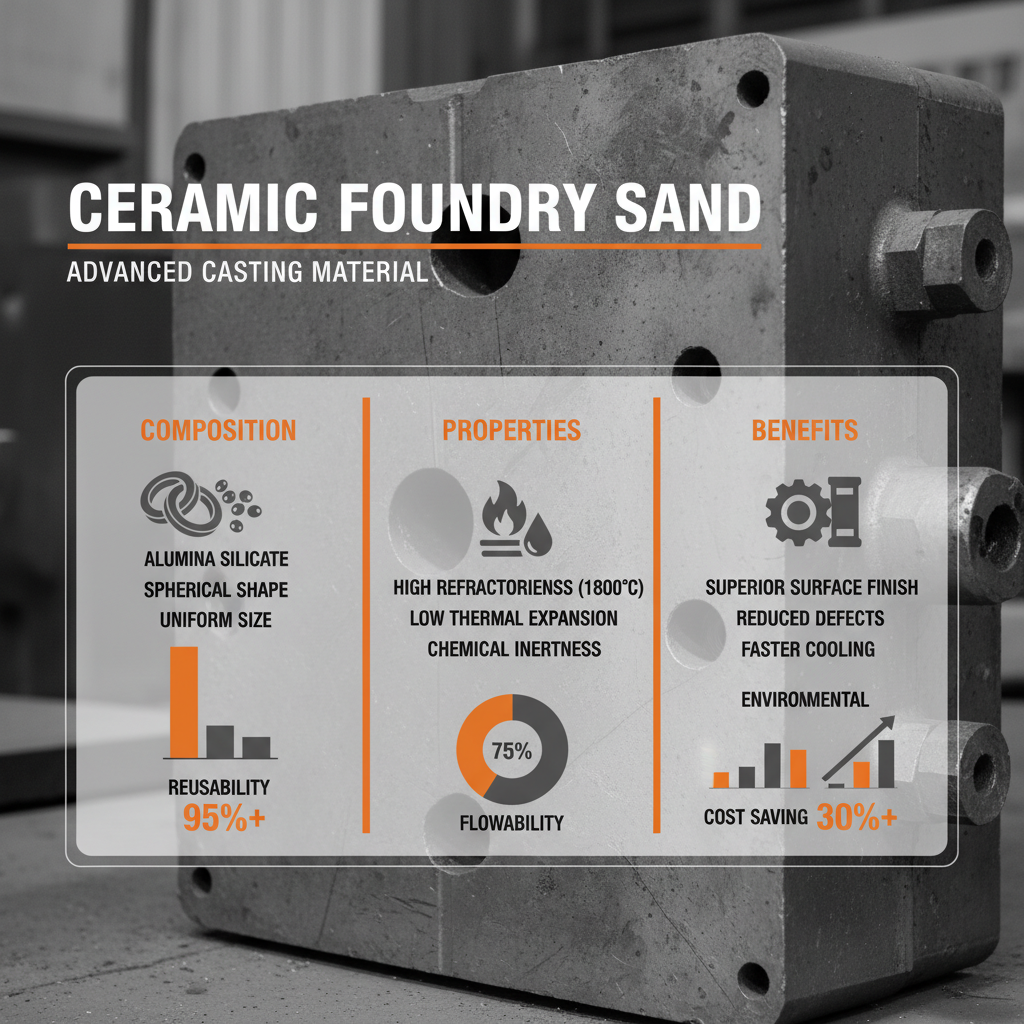
Product Specifications and Quality Control
Ensuring consistent quality is paramount. Typical foundry sand specifications include:
Conclusion: Securing Reliable Foundry Sand Supply
Choosing the right foundry sand is crucial for producing high-quality castings. Understanding the different types, key properties, and trade considerations is essential for success. Partnering with a reliable supplier like SinoCeramsite ensures consistent quality, efficient logistics, and competitive pricing. Invest in quality sand and optimize your casting processes for superior results.
Frequently Asked Questions (FAQs)
What is the AFS grain fineness number and why is it important?
The AFS (American Foundry Society) grain fineness number is a standardized measure of the average particle size of foundry sand. It indicates the number of grains per linear inch. A higher AFS number means finer sand particles, while a lower number indicates coarser particles. This number is crucial because it directly affects sand permeability, compaction, and surface finish of the casting. Selecting the appropriate AFS number is vital for achieving desired casting properties and minimizing defects. Different metals and casting processes require different AFS grain fineness numbers for optimal results.
How does sand permeability affect casting quality?
Sand permeability refers to the sand’s ability to allow gases produced during metal pouring to escape through the mold. Insufficient permeability can lead to gas entrapment, resulting in porosity, blowholes, and other casting defects. Proper permeability ensures that gases generated from the molten metal, such as hydrogen and carbon dioxide, can vent freely, preventing these defects. Factors influencing permeability include grain size, grain shape, and the amount of clay and moisture content in the sand.
What are the environmental considerations when using foundry sand?
Foundry sand usage has environmental implications, primarily related to dust generation and disposal. Silica sand, in particular, can pose health risks if inhaled as respirable crystalline silica. Foundries must implement dust control measures, such as ventilation systems and personal protective equipment, to protect workers. Spent foundry sand is often recycled and reused in various applications like road construction and landfill cover, but proper management and disposal methods are essential to minimize environmental impact. Increasingly, foundries are adopting sustainable practices to reduce sand consumption and promote recycling.
How can I ensure the quality of foundry sand from a supplier?
To ensure quality, choose a supplier with a robust quality control system and certifications like ISO 9001. Request a Certificate of Analysis (CoA) for each sand shipment, detailing its chemical composition, grain size distribution, and other key properties. Conduct your own independent testing to verify the sand’s specifications. Establish clear quality requirements in your contract and maintain open communication with the supplier to address any concerns promptly. Regular audits of the supplier's facilities can also provide valuable insights into their quality control processes.
Next:Understanding Sand Used for Sand Casting and its Global Manufacturing Impact