
Understanding Foundry Sand Specifications for Precision Casting
In the world of metal casting, the quality of the final product is inextricably linked to the quality of the mold. Achieving a flawless surface finish and dimensional accuracy requires a deep understanding of foundry sand specifications, which dictate how the sand interacts with molten metal and binders. Whether you are working with silica, chromite, or zircon sand, adhering to strict technical standards is the only way to minimize defects like blowholes, scabs, and sand inclusions. This guide will explore the critical parameters that define high-performance foundry sand and how to select the right material for your specific casting application.
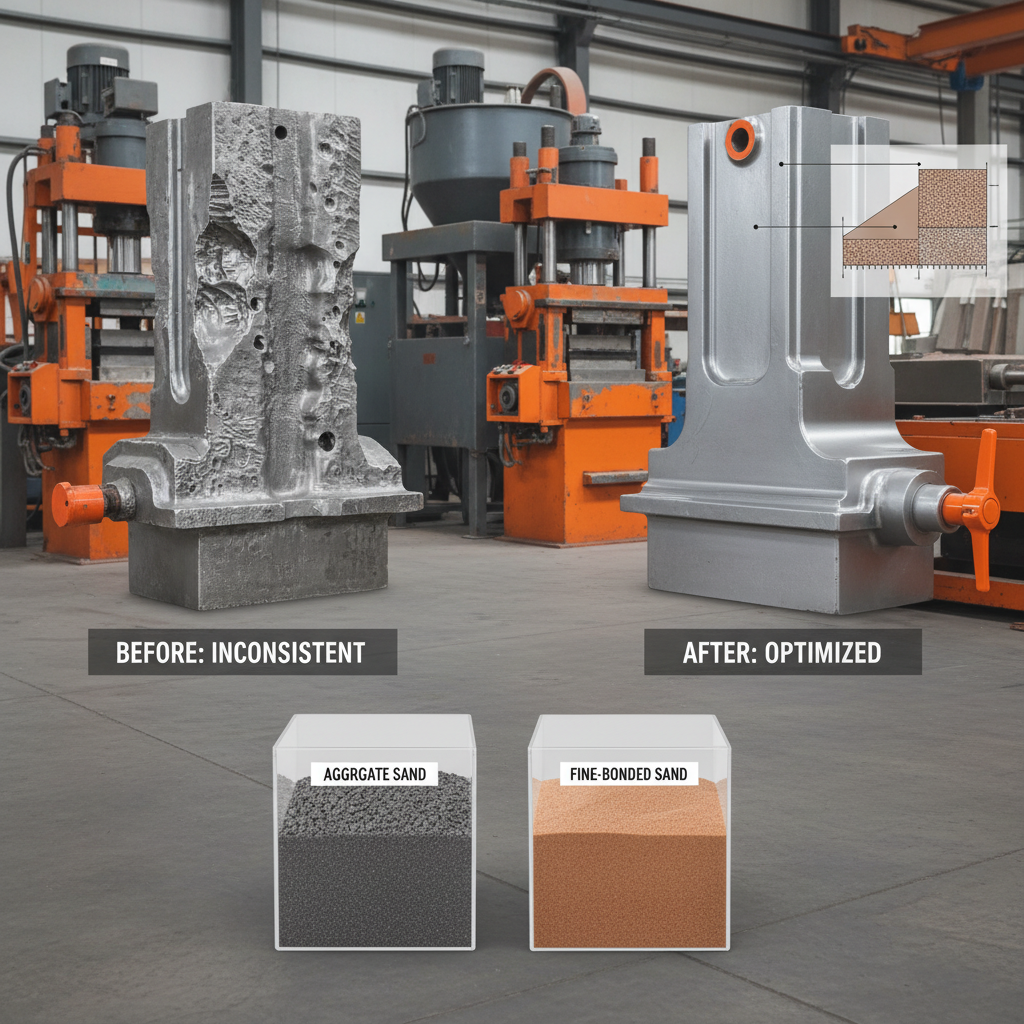
The Role of Grain Shape and Size in Foundry Sand Specifications
One of the most critical elements of foundry sand specifications is the grain morphology. Round grains are generally preferred for high-permeability molds as they allow gases to escape more easily, reducing the risk of porosity. In contrast, angular grains provide better interlocking strength, which is essential for complex geometries that must resist deformation under the weight of molten metal. The Grain Fineness Number (GFN) is the standard metric used to quantify this, ensuring that the sand is neither too coarse (which leads to poor surface finish) nor too fine (which restricts gas venting).
Technical Tip: Always match your GFN to the thickness of the casting wall. Thinner walls typically require finer sand to achieve a smooth, professional surface finish.
Thermal Expansion and Refractoriness
When molten metal hits the mold, the sand undergoes intense thermal stress. High-quality foundry sand specifications prioritize low thermal expansion to prevent "buckling" or cracking of the mold. Materials like Zircon sand are prized for their exceptionally high refractoriness and low expansion rates, making them ideal for high-temperature alloys. If the sand expands too rapidly, it can cause internal stresses that result in casting distortions or dimensional inaccuracies, which can lead to costly scrap rates in industrial production.
Comparing Common Materials in Foundry Sand Specifications
Not all sands are created equal. Depending on the metal being poured—whether it is aluminum, iron, or steel—the choice of material changes drastically. While silica sand is the most cost-effective and widely used, specialty sands are required for high-precision or high-heat applications. The following table compares the most common materials based on standard foundry sand specifications to help you choose the right fit for your project.
Chemical Purity and Its Impact on Metal Quality
Chemical purity is a non-negotiable part of foundry sand specifications. Impurities such as iron oxides or excessive moisture can lead to chemical reactions between the sand and the molten metal. This often results in "gas holes" or surface pitting. High-purity synthetic sands are often used in aerospace and medical casting where the slightest contamination could lead to structural failure of the part. Ensuring that your sand supplier provides a detailed chemical analysis is key to maintaining consistent quality across different production batches.
Permeability and Gas Evolution in Foundry Sand
Permeability refers to the ability of a sand mold to allow gases and steam to escape. According to standard foundry sand specifications, permeability is influenced by grain size, shape, and the amount of binder used. If permeability is too low, gases become trapped, creating bubbles in the metal. Conversely, excessively high permeability can lead to "mold erosion," where the metal flow washes away the sand. Finding the "sweet spot" requires precise control over the sand's grading and the compaction pressure during mold making.
Standard Product Specifications for Premium Foundry Sand
To ensure consistency, foundries rely on standardized data sheets. Below is a representative specification table for premium-grade zircon sand, a gold standard in the industry. These foundry sand specifications highlight the balance between chemical purity and physical properties required for high-end casting.
Conclusion: Optimizing Your Casting with Correct Sand Specifications
Selecting the right material based on rigorous foundry sand specifications is not just a technical requirement—it is a competitive advantage. By balancing grain size, refractoriness, and chemical purity, foundries can drastically reduce waste and improve the structural integrity of their castings. Whether you are scaling up production or refining a specialty part, investing in premium sand ensures that your final product meets the highest industry standards. Quality begins with the sand.
Frequently Asked Questions (FAQs)
Why is the Grain Fineness Number (GFN) important in foundry sand?
The GFN is critical because it determines the surface roughness and the gas permeability of the mold. A higher GFN indicates finer sand, which produces a smoother surface finish on the casting but can restrict the escape of gases. A lower GFN indicates coarser sand, which improves ventilation (permeability) but may result in a rougher "sand-paper" texture on the metal. Most foundries use a blend of sizes to optimize both surface quality and gas evacuation, ensuring the final piece is free from surface defects and internal voids.
What is the difference between Silica sand and Zircon sand specifications?
The primary difference lies in their thermal properties and cost. Silica sand is abundant and cheap but has a high thermal expansion coefficient, which can cause molds to crack or expand during pouring. Zircon sand, while more expensive, has a much higher melting point (refractoriness) and extremely low thermal expansion. This makes Zircon sand the preferred choice for "facing sand" in high-temperature steel castings where dimensional precision is critical and the risk of mold deformation must be minimized.
How does moisture affect foundry sand specifications?
Moisture is one of the most dangerous variables in a foundry. According to strict foundry sand specifications, moisture levels must be kept within a very narrow range. Excessive moisture turns into steam instantly upon contact with molten metal, creating high-pressure gas pockets that result in "blowholes" or porosity in the casting. Proper drying and storage of sand are essential to ensure that the moisture content does not exceed the threshold, maintaining the integrity of the metal structure.
Can foundry sand be recycled, and does it affect specifications?
Yes, foundry sand is frequently recycled through a process called reclamation. However, recycling can alter the original specifications. Over time, the grain shape may become more rounded due to attrition, and the sand may accumulate impurities or "burnt" binder residue. This can lead to decreased strength and permeability. To combat this, foundries typically "sweeten" the reclaimed sand by adding a percentage of fresh, virgin sand to bring the technical specifications back up to the required standard for high-quality production.
Next:The Enduring Versatility of Sand Casting in Modern Manufacturing